Personal Protective Equipment: Protection, Risks & Best Practices
Essential guide to PPE selection, use, and management for workplace safety and health.
Personal Protective Equipment: A Comprehensive Guide
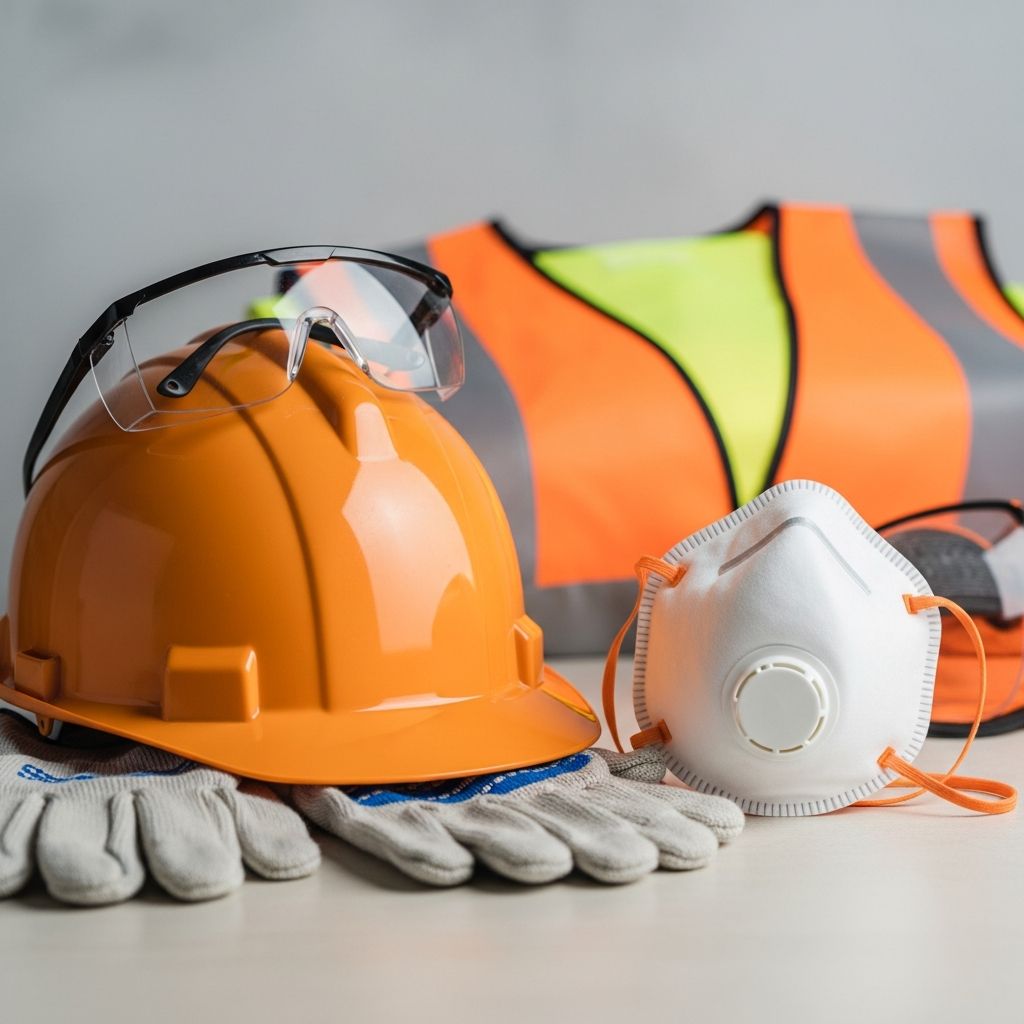
Personal protective equipment (PPE) generally consists of wearable items designed to shield users from environmental hazards. These hazards may be physical, chemical, biological, radiological, or nuclear in nature. PPE can be used in a variety of situations and configurations depending on the type of exposure, and is particularly essential in the workplace due to occupational hazards.
It is important to understand that a commonly held misconception is that PPE will fully protect users from harm. There will always be an element of risk when working in a hazardous environment. The purpose of properly used PPE is to reduce this risk of harm rather than eliminate it entirely.
Types of Occupations Requiring PPE
PPE is particularly used in the workplace due to exposure to occupational hazards. Occupations that require this hazard protection include healthcare workers, industrial workers, agricultural workers, construction workers, and emergency responders. Additionally, certain forms of PPE such as gloves, dust masks, and hearing protection devices may also be used at home for personal safety.
PPE Categories by Body Protection
Different types of PPE have been designed to protect specific parts of the body. Understanding these categories helps ensure comprehensive protection across all vulnerable areas.
Head and Facial Protection
A hazmat suit can provide comprehensive full-body protection. Helmets and hair coverings are worn on the head to protect against impact injuries and contamination. Face shields, goggles, and masks are used to protect the eyes and face from various hazards.
- Face shields can be used to protect the user from injury or infection
- Goggles prevent foreign bodies or hazardous liquids from entering the wearer’s eyes
- Face masks or respirators can prevent dust and infectious particles from being inhaled
Body, Hand, and Foot Protection
An apron, gown, or coverall can be used for body protection against spills, splashes, and contamination. Gloves made of a wide range of materials can be used as a protective barrier to shield a wearer from hazards. Boots made of different materials are used to protect the feet from various occupational risks.
PPE Selection and Proper Sizing
PPE needs to be selected and sized carefully to best reduce exposure to specific hazards. Professional organisations usually have specific guidelines for PPE selection within particular workplace settings. Proper fit is critical for effectiveness, as ill-fitting equipment may compromise protection and increase the risk of occupational injuries.
Proper PPE Usage Protocol
Donning and Doffing Procedures
PPE needs to be put on (donned) and removed (doffed) according to proper protocol. The sequence and method of application and removal are critical to preventing self-contamination and maintaining the protective barrier. Studies in healthcare workers have shown that the rate of contamination is reduced if the worker had completed a structured PPE training course. Hence, PPE education sessions are highly recommended for all users.
Related Stories



There is also evidence that supervised PPE use can decrease the rate of PPE protocol deviations and improve the quality of protection. A buddy system is recommended to monitor the procedure as well as education and frequent practice to reduce the risk of self-contamination. Decontamination of gloves prior to doffing may further reduce the infection risk.
Hierarchy of Controls
It is important to note that PPE is the least effective tool in the CDC Hierarchy of Controls model to minimise the risk of infection for healthcare workers. This means that while PPE is important, other measures such as engineering controls, administrative controls, and work practice controls should be prioritized when possible.
Side Effects and Health Risks Associated with PPE
While PPE is extremely useful, some people may experience unwanted side effects from PPE use. Understanding these potential complications helps workers and employers take preventive measures to minimize harm.
Dermatological Complications
Up to 99% of cutaneous side effects caused by occupational PPE are due to gloves, especially in healthcare workers. The most common PPE-related skin conditions include xerosis (dry skin), pressure-related erythema, and contact dermatitis, mainly affecting the face and hands. These dermatological issues can significantly impact worker comfort and compliance with safety protocols.
Non-glove related dermatoses are more common in manufacturing settings. Gloves made from latex, nitrile, and vinyl, reduce the transmission of infection but can also trigger allergic reactions in susceptible individuals. Contact dermatitis may develop from prolonged glove use, while pressure injuries can result from tight-fitting protective equipment on the face and hands.
Thermal and Physiological Effects
Overheating due to PPE is very common. PPE may cause an increase in body temperature by preventing heat from being lost via sweat evaporation. Heavier forms of PPE may also increase body heat production due to the increased work of carrying the PPE. This thermal stress can lead to heat-related illnesses, particularly during prolonged use or in hot environments.
The duration of PPE use directly impacts the severity of side effects. Studies have demonstrated that healthcare workers wearing N95 masks and goggles for more than 6 hours had significantly increased prevalence of skin damage on the cheeks and nasal bridge compared with their counterparts who donned this equipment for less than 6 hours.
Healthcare Workers and COVID-19: PPE Challenges
The COVID-19 pandemic highlighted the occupational health challenges associated with prolonged PPE use among healthcare workers. Healthcare workers have had to adapt to constantly changing policies, including strict regulations on the use of personal protective equipment. The use of PPE—measures such as wearing of gloves, N95 respirators, and protective suits and increased frequency of hand hygiene—institutes precautions to minimize the risk of viral transmission via respiratory droplets, aerosols, and excessive contact between individuals.
Occupational dermatoses caused by personal protective equipment during the COVID-19 pandemic emerged as significant occupational health challenges that required prompt and effective intervention to ease the burden on healthcare workers. The most widely implicated contactants causing dermatological complications included increased frequency of hand hygiene, gloves, N95 masks, and goggles.
Solutions to Mitigate PPE-Related Health Issues
Proposed solutions to address PPE-related occupational dermatoses have been categorized into three main approaches: individual self-care, protection of the workforce, and long-term preventive measures.
Individual Self-Care Measures
- Application of protective barriers such as hydrocolloid dressings in areas prone to pressure injuries
- Regular moisturization of hands and exposed skin to prevent xerosis
- Proper hand hygiene techniques that minimize skin damage
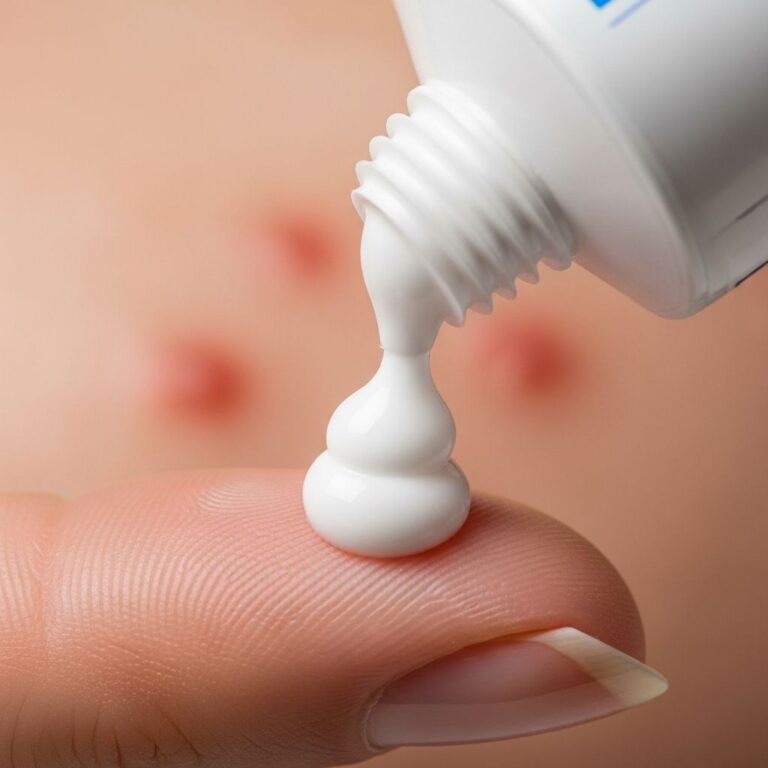
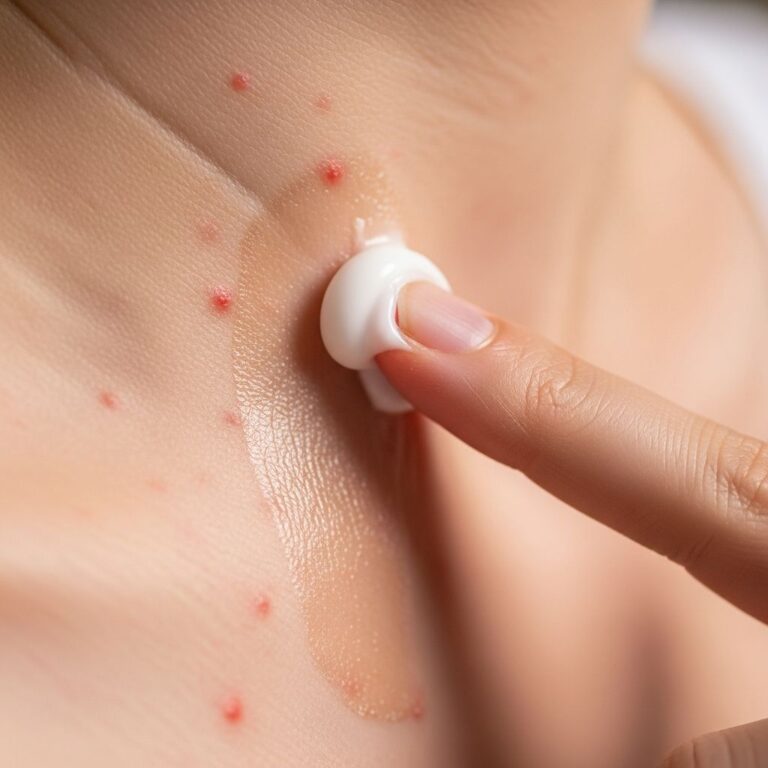
- Use of barrier creams before donning PPE
Protection of the Healthcare Workforce
Moderating the duration of time in PPE and allowing sufficient skin rest are critical for reducing the incidence of occupational dermatoses. Associations between long working hours in PPE and adverse cutaneous reactions have been demonstrated in multiple studies. Key workforce protection strategies include:
- Proper mask and PPE fitting to minimize skin damage while maintaining adequate protection against viral transmission
- Avoiding overly tight-fitting N95 masks or goggles that create excessive pressure
- Ensuring gowns are not too restrictive to cause friction-related injuries during movement
- Avoiding double-gowning or double-gloving practices that trap moisture and increase skin exposure to heat and sweat, causing epidermal injury and worsening dermatitis
- Rotating workers to reduce cumulative exposure time in PPE
- Providing regular breaks and skin rest periods
Long-Term Prevention and PPE Design Improvements
One of the ways to minimize the incidence of occupational dermatoses in the long term is to improve the design and functionality of current PPE. Discomfort caused by ill-fitting PPE is known to cause inadvertent breaches of PPE, putting healthcare workers at increased risk of exposure to pathogens. Future PPE development should focus on:
- Enhanced breathability and moisture management in gloves and protective suits
- Better ergonomic design to reduce pressure points on the face and body
- Hypoallergenic materials for workers with latex or other chemical sensitivities
- Temperature-regulating materials to reduce overheating
Specific PPE Skin Damage Prevention Strategies
Device-Related Pressure Injuries
The key to preventing device-related pressure injuries is to reduce local skin pressure and shorten the compression time. To ensure the protective effect, soft plastic PPE has strong compliance with the skin, relatively uniform pressure distribution, and relatively little local pressure. In areas where pressure is concentrated and there is repeated rubbing (such as the upper edge of goggles, the upper edge of the bridge of the nose, and the ear-closing parts of facemasks), the application of a dressing can help prevent pressure injuries by redistributing and reducing the pressure and avoiding the friction caused by relative displacement.
Hand and Foot Skin Damage Prevention
To completely isolate the wearer from harmful substances in the environment, gloves and protective boots are mostly made of waterproof materials with poor air permeability, such as rubber and plastic. If the skin of the hands and feet is left in an air-impermeable environment for long periods, the sweat evaporation is decreased, and the skin is prone to impregnation, eczema, and sweat herpes. Prevention measures include regular skin inspection, use of moisture-wicking liners inside gloves, and allowing adequate drying time between uses.
Key Considerations for Effective PPE Use
| PPE Component | Primary Function | Common Material | Primary Risk |
|---|---|---|---|
| Gloves | Barrier protection for hands | Latex, nitrile, vinyl | Contact dermatitis, allergic reactions |
| Face Masks/Respirators | Prevent inhalation of particles | Non-woven materials | Pressure injuries, skin irritation |
| Goggles | Eye protection from splashes | Plastic, polycarbonate | Pressure injuries on bridge of nose |
| Protective Gowns | Body protection from contamination | Waterproof fabric | Overheating, friction injuries |
| Protective Boots | Foot protection from hazards | Rubber, plastic | Moisture accumulation, eczema |
Frequently Asked Questions (FAQs)
Q: Does PPE provide complete protection from all hazards?
A: No. While PPE is an essential safety measure, it does not provide complete protection. There will always be an element of risk when working in a hazardous environment. The purpose of properly used PPE is to reduce this risk of harm rather than eliminate it entirely. PPE should be used in conjunction with other control measures in the hierarchy of controls.
Q: What is the most common side effect of PPE use?
A: Dermatological complications are the most common side effects of PPE use. Up to 99% of cutaneous side effects caused by occupational PPE are due to gloves, especially in healthcare workers. The most frequently reported skin conditions include xerosis (dry skin), pressure-related erythema, and contact dermatitis, primarily affecting the face and hands.
Q: How long can healthcare workers safely wear N95 masks?
A: Studies have shown that healthcare workers wearing N95 masks and goggles for more than 6 hours experienced significantly increased prevalence of skin damage on the cheeks and nasal bridge compared with those wearing the equipment for less than 6 hours. Limiting continuous wear and allowing regular skin rest periods are important preventive measures.
Q: What is the most important aspect of PPE training?
A: Proper donning and doffing procedures are critical. Studies have demonstrated that the rate of contamination is significantly reduced if workers complete a structured PPE training course. Supervised PPE use can decrease protocol deviations and improve protection quality. A buddy system is recommended to monitor the procedure.
Q: What can be done to prevent pressure injuries from PPE?
A: Key prevention strategies include proper PPE fitting, ensuring equipment is not too tight, and applying protective dressings in areas prone to concentrated pressure such as the nasal bridge, ear edges, and goggles rims. Redistributing pressure and reducing compression time are essential approaches.
Q: Are certain materials in gloves more likely to cause allergic reactions?
A: Yes. Latex gloves are known to trigger allergic reactions in susceptible individuals. Nitrile and vinyl gloves are available as alternatives for workers with latex sensitivities. Selection of appropriate glove materials should consider individual allergies and the specific hazards present in the work environment.
Q: How can overheating from PPE be minimized?
A: Overheating occurs when PPE prevents heat loss through sweat evaporation. Minimization strategies include limiting continuous wear duration, providing frequent breaks for skin rest, using lighter-weight PPE when protective standards allow, and selecting materials with improved breathability and moisture-wicking properties.
References
- Personal protective equipment — DermNet New Zealand. Last accessed January 2026. https://dermnetnz.org/topics/personal-protective-equipment
- Personal protective equipment-related occupational dermatoses: a systematic review of hazards, prevalence, prevention, and management — National Center for Biotechnology Information. Published 2021. https://pmc.ncbi.nlm.nih.gov/articles/PMC8407949/
- Experience of the First-Line Clinicians Treating 2019-nCoV Infection — National Center for Biotechnology Information. Published 2020. https://pmc.ncbi.nlm.nih.gov/articles/PMC7147274/
Similar Articles








Read full bio of Sneha Tete