Personality Disorder: 10 Types, Causes, Symptoms And Treatment
Understand personality disorders: types, symptoms, causes, diagnosis, and effective treatments for better mental health.
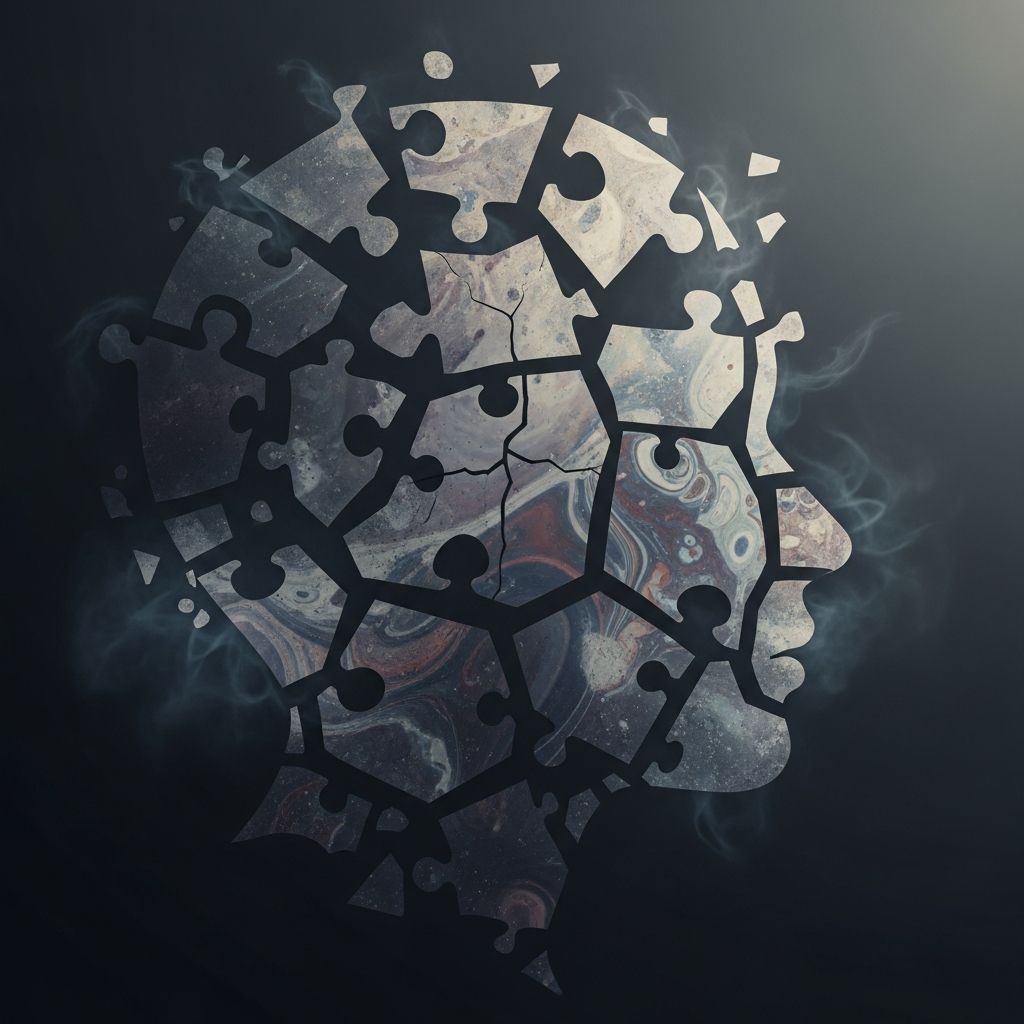
Personality disorders are mental health conditions characterized by long-term patterns of thinking, feeling, and behaving that deviate markedly from the expectations of an individual’s culture. These patterns are pervasive, inflexible, and lead to significant distress or impairment in social, occupational, or other areas of functioning.
What Is a Personality Disorder?
A personality disorder involves a deeply ingrained and inflexible pattern of relating to others, perceiving oneself, and thinking that causes distress or impaired functioning. Unlike typical personality traits, these patterns are rigid and maladaptive, persisting over time and across situations. Healthy personalities allow individuals to cope with life’s stresses and maintain satisfying relationships, but in personality disorders, behaviors are rigid, causing problems in daily life.
These disorders typically emerge in adolescence or early adulthood and affect how people feel about themselves and others, influencing emotional regulation, impulse control, and interpersonal relationships. The prevalence is estimated at 9-15% of the general population, with higher rates in clinical settings.
Types of Personality Disorders
Personality disorders are traditionally grouped into three clusters based on similar characteristics, though newer models like ICD-11 emphasize traits and severity over rigid categories.
Cluster A: Odd or Eccentric Disorders
Individuals with Cluster A disorders often appear odd or eccentric to others.
- Paranoid Personality Disorder: Marked by pervasive distrust and suspicion of others, interpreting motives as malevolent. They are reluctant to confide in others and hold grudges.
- Schizoid Personality Disorder: Detachment from social relationships and a restricted range of emotional expression. They prefer solitary activities and seem indifferent to praise or criticism.
- Schizotypal Personality Disorder: Acute discomfort in close relationships, cognitive or perceptual distortions, and eccentricities of behavior.
Cluster B: Dramatic, Emotional, or Erratic Disorders
Cluster B disorders involve dramatic, emotional, or erratic behaviors that can strain relationships.
- Antisocial Personality Disorder: Disregard for and violation of others’ rights, deceitfulness, impulsivity, irritability, and lack of remorse. Often associated with irresponsibility and aggression.
- Borderline Personality Disorder (BPD): Instability in interpersonal relationships, self-image, and affects, with marked impulsivity. Features frantic efforts to avoid abandonment, identity disturbance, recurrent self-harm, emotional instability, chronic emptiness, and inappropriate anger.
- Histrionic Personality Disorder: Excessive emotionality and attention-seeking, discomfort when not the center of attention, and rapidly shifting shallow emotions.
- Narcissistic Personality Disorder: Grandiosity, need for admiration, and lack of empathy. They have a sense of entitlement, exploit others, and are envious or believe others are envious of them.
Cluster C: Anxious or Fearful Disorders
Cluster C disorders feature anxious, fearful thinking or behavior.
- Avoidant Personality Disorder: Social inhibition, feelings of inadequacy, and hypersensitivity to negative evaluation.
- Dependent Personality Disorder: Excessive need to be taken care of, submissive and clinging behavior, fears of separation.
- Obsessive-Compulsive Personality Disorder: Preoccupation with orderliness, perfectionism, and control at the expense of flexibility and efficiency. Rigid, stubborn, and risk-avoidant.
ICD-11 shifts to a dimensional model with traits like negative affectivity, detachment, disinhibition, dissociality, and anankastia, plus borderline pattern.
Symptoms and Characteristics
Symptoms vary by type but share common traits: difficulty managing emotions, distorted self-image, unstable relationships, and impaired social functioning. Warning signs include chronic interpersonal problems, persistent mistrust, exaggerated emotions, impulsivity, and emptiness.
Related Stories



| Cluster | Key Symptoms | Examples |
|---|---|---|
| A | Eccentricity, detachment | Paranoia, social isolation |
| B | Emotional instability, impulsivity | Mood swings, self-harm |
| C | Anxiety, rigidity | Avoidance, perfectionism |
Causes and Risk Factors
Causes are multifactorial: genetics, brain abnormalities, and childhood trauma like abuse or neglect contribute. Neurobiological factors impair emotional regulation and impulse control. Environmental stressors and lack of positive early experiences exacerbate risks.
- Genetic: Heritability estimates 40-60%.
- Environmental: Trauma, invalidating environments.
- Neurobiological: Dysfunctions in cognitive, emotional systems.
Diagnosis
Diagnosis requires a pervasive pattern causing distress or impairment, assessed via clinical interviews and structured tools like SCID-5-PD. Must rule out other conditions; patterns endure at least since early adulthood.
Treatment Options
Treatment focuses on psychotherapy; medications manage symptoms.
- Psychotherapy: Dialectical Behavior Therapy (DBT) for BPD, Cognitive Behavioral Therapy (CBT), Mentalization-Based Therapy.
- Medications: Antidepressants, mood stabilizers, antipsychotics for symptoms like mood instability.
- Other: Group therapy, skills training for emotional regulation.
Early intervention improves outcomes; recovery is possible with treatment.
Living with a Personality Disorder
Challenges include relationship strains and reduced quality of life, but with support, many achieve stability. Strategies: build support networks, practice self-care, adhere to treatment.
Frequently Asked Questions (FAQs)
What is the difference between a personality trait and a personality disorder?
A trait is a tendency that doesn’t impair functioning; a disorder causes significant distress or problems in life.
Can personality disorders be cured?
They can be effectively managed with therapy, leading to symptom remission, though patterns may persist.
Are personality disorders caused by bad parenting?
No, they result from gene-environment interactions, not solely parenting.
How common are personality disorders?
About 9-15% of adults have a personality disorder.
Can people with personality disorders lead normal lives?
Yes, with treatment and support, many maintain jobs, relationships, and fulfilling lives.
References
- Personality disorder: a disease in disguise — PMC – PubMed Central. 2019-01-15. https://pmc.ncbi.nlm.nih.gov/articles/PMC6327594/
- Signs and Features of Personality Disorders — MentalHealth.com. 2023-05-10. https://www.mentalhealth.com/library/personality-disorder-symptoms-characteristics
- What are Personality Disorders? — American Psychiatric Association. 2024-02-20. https://www.psychiatry.org/patients-families/personality-disorders/what-are-personality-disorders
- Personality Disorder — Mental Health America. 2023-11-05. https://mhanational.org/conditions/personality-disorder/
- Personality disorders – Symptoms and causes — Mayo Clinic. 2024-08-12. https://www.mayoclinic.org/diseases-conditions/personality-disorders/symptoms-causes/syc-20354463
- Personality Disorders: Types, Causes, Symptoms & Treatment — Cleveland Clinic. 2024-06-18. https://my.clevelandclinic.org/health/diseases/9636-personality-disorders-overview
- Personality Disorders — MedlinePlus. 2024-01-22. https://medlineplus.gov/personalitydisorders.html
Similar Articles








Read full bio of Sneha Tete