Personality Disorders: Types, Symptoms & Treatment
Understanding personality disorders: causes, symptoms, and evidence-based treatment options.
Understanding Personality Disorders
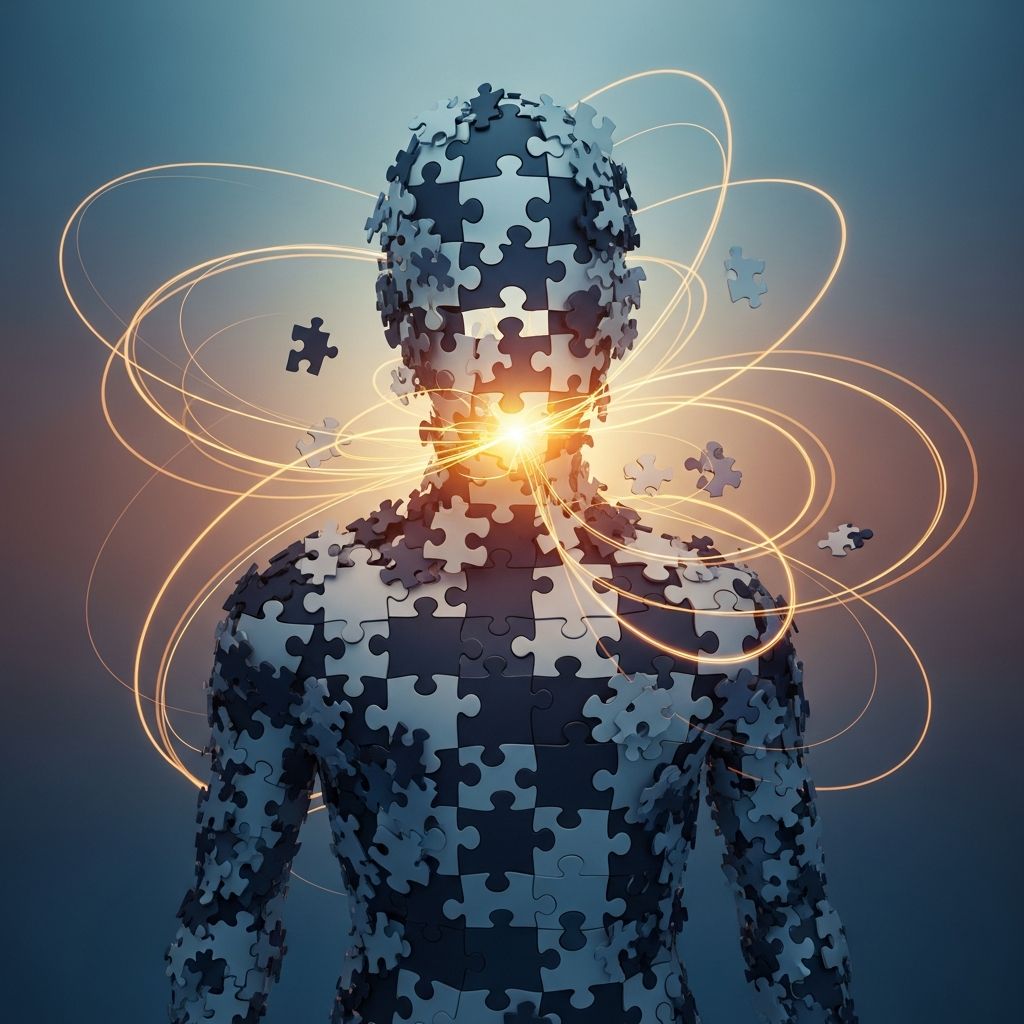
Personality disorders are a group of mental health conditions characterized by enduring patterns of thoughts, feelings, and behaviors that significantly deviate from cultural norms and expectations. These patterns are pervasive across multiple contexts—including work, relationships, and social situations—and typically begin in late adolescence or early adulthood, persisting throughout a person’s lifetime. Unlike temporary emotional responses to stressful situations, personality disorders represent stable and inflexible patterns that cause distress to individuals and often negatively impact those around them.
The mental health community recognizes ten distinct personality disorders, which are systematically organized into three clusters based on shared characteristics and symptom profiles. This classification system, outlined in the Diagnostic and Statistical Manual of Mental Disorders (DSM-5), helps mental health professionals identify, diagnose, and develop appropriate treatment plans for individuals struggling with these conditions.
The Three Clusters of Personality Disorders
Mental health professionals organize personality disorders into three main clusters, each with distinct characteristics and symptom presentations. Understanding these clusters provides valuable insight into how different personality disorders manifest and affect individuals’ lives.
Cluster A: Odd or Eccentric Disorders
Cluster A personality disorders involve unusual and eccentric thinking or behaviors. Individuals with these disorders often experience social awkwardness, difficulty relating to others, and distorted thinking patterns. The cluster includes three specific disorders:
Paranoid Personality Disorder (PPD)
People with paranoid personality disorder are highly suspicious of others and may interpret harmless or benign actions as malicious. They experience extreme fear and distrust, often believing that someone is trying to harm them. These individuals have difficulty trusting people, even close family members or friends, which significantly impacts their ability to form and maintain meaningful relationships.
Schizoid Personality Disorder
Individuals with schizoid personality disorder tend to be emotionally distant and detached from others, preferring solitary activities. They have limited interest in forming close relationships and express a restricted range of emotions in interpersonal settings. These individuals are not necessarily distressed by their isolation but rather seem indifferent to social connection.
Schizotypal Personality Disorder
This disorder is characterized by unusual thinking, beliefs, speech, and behavior. People with schizotypal personality disorder may experience strange sensations, such as hearing their name whispered, and often have “magical thinking”—the belief that their thoughts can affect other people and events. They display flat or socially unusual emotional responses and experience social anxiety that prevents them from forming close connections with others.
Cluster B: Dramatic, Emotional, or Erratic Disorders
Cluster B personality disorders involve dramatic and erratic behaviors, with individuals displaying intense, unstable emotions and impulsive actions. These disorders significantly impact interpersonal relationships and often cause distress to both the individual and those around them. The cluster encompasses four distinct disorders:
Related Stories



Antisocial Personality Disorder (ASPD)
Characterized by a profound disregard for others’ rights and well-being, individuals with antisocial personality disorder may exhibit impulsivity, deceitfulness, and a lack of remorse for harmful behavior. They often engage in manipulative or exploitative actions without experiencing guilt or regret, making their relationships frequently troubled and conflicted.
Borderline Personality Disorder (BPD)
People with borderline personality disorder often experience intense emotional fluctuations and significant difficulty with interpersonal relationships. Key symptoms include a strong fear of being alone or abandoned, ongoing feelings of emptiness, unstable self-image, and deep but unstable relationships. These individuals experience up-and-down moods often triggered by stress in relationships, may threaten self-harm or engage in suicidal behaviors, and frequently display impulsive and risky behaviors such as unsafe sex, gambling, or binge eating.
Histrionic Personality Disorder (HPD)
Individuals with histrionic personality disorder constantly seek attention and may be overly emotional, dramatic, or sexually provocative to gain attention. They speak dramatically with strong opinions but provide few facts or details to support their statements. These individuals have shallow emotions that change quickly, are easily influenced by others, and are preoccupied with their physical appearance. They often perceive relationships as closer than they actually are, leading to disappointment and conflict.
Narcissistic Personality Disorder (NPD)
People with narcissistic personality disorder have an inflated sense of their own importance and a deep need for excessive admiration. They lack empathy for others and often feel entitled to special treatment, exploiting relationships for personal gain. Despite their grandiose self-image, individuals with NPD are often hypersensitive to criticism and may respond with intense anger or humiliation when their superiority is challenged.
Cluster C: Anxious or Fearful Disorders
Cluster C personality disorders are characterized by anxious thinking or behavior, chronic fearfulness, and anxiety. Individuals with these disorders often exhibit behaviors aimed at avoiding perceived threats or criticism. This cluster includes three primary disorders:
Avoidant Personality Disorder (AVPD)
Individuals with avoidant personality disorder are extremely sensitive to criticism or rejection and do not feel good enough, important, or attractive. They experience extreme shyness in social settings and fear disapproval, embarrassment, or being made fun of. These individuals avoid work activities that require contact with others, remain isolated, do not attempt new activities, and resist meeting new people due to their pervasive social anxiety.
Dependent Personality Disorder (DPD)
People with dependent personality disorder rely heavily on others to meet their emotional and physical needs. They experience a fear of being alone and have difficulty making decisions without excessive advice from others. These individuals are often preoccupied with abandonment fears and may remain in unhealthy relationships to avoid being alone.
Obsessive-Compulsive Personality Disorder (OCPD)
This disorder involves preoccupation with perfectionism, excessive control, and rigid adherence to routines. It is important to distinguish OCPD from obsessive-compulsive disorder (OCD), which is classified as an anxiety disorder. While people with OCD typically recognize that OCD is causing their behavior and accept they need to change, individuals with OCPD usually have little, if any, self-awareness of their behaviors.
Key Characteristics Across Personality Disorders
Despite their differences, personality disorders share several common features that define them as a category of mental health conditions:
- Long-lasting patterns: Symptoms persist over years or decades, not just weeks or months
- Pervasive impact: Patterns affect multiple life domains including work, relationships, and social functioning
- Emotional dysregulation: Difficulty understanding, managing, and expressing emotions appropriately
- Impulsivity: Acting without considering consequences or engaging in risk-taking behavior
- Interpersonal difficulties: Significant challenges in forming and maintaining healthy relationships
- Limited distress awareness: Many individuals do not recognize their patterns as problematic
Causes and Risk Factors
The development of personality disorders results from a complex interaction of genetic, environmental, and psychological factors. Researchers have identified several contributing elements:
Genetic factors: Family history of personality disorders or other mental health conditions increases vulnerability to developing these conditions. Certain personality traits may have heritable components that predispose individuals to specific disorders.
Environmental influences: Childhood experiences, including trauma, neglect, abuse, or inconsistent parenting, significantly contribute to personality disorder development. Early attachment patterns and family dynamics play crucial roles in shaping personality development.
Brain chemistry: Neurotransmitter imbalances, particularly involving serotonin and dopamine, may influence the emotional dysregulation and impulsive behaviors characteristic of certain personality disorders.
Psychological factors: Unresolved psychological issues, maladaptive coping mechanisms, and learned behaviors from family systems contribute to personality disorder manifestation.
Diagnosis and Assessment
Diagnosing personality disorders requires careful evaluation by qualified mental health professionals. A thorough assessment typically includes:
- Comprehensive clinical interviews exploring childhood, relationships, work history, and current functioning
- Psychological testing and personality assessments
- Evaluation of symptoms across different life situations and time periods
- Assessment of how symptoms impact relationships, work, and overall quality of life
- Exploration of family history and early developmental factors
Mental health professionals use the DSM-5 criteria to establish accurate diagnoses, distinguishing personality disorders from other mental health conditions with overlapping symptoms.
Treatment Approaches
While personality disorders were historically considered difficult to treat, modern therapeutic approaches have demonstrated effectiveness in helping individuals manage symptoms and improve functioning. Treatment typically involves psychotherapy, potentially combined with medication when appropriate.
Psychotherapy: Various therapeutic modalities have shown effectiveness for different personality disorders. Cognitive-behavioral therapy (CBT) helps individuals identify and change maladaptive thinking patterns and behaviors. Dialectical behavior therapy (DBT), originally developed for borderline personality disorder, combines CBT with mindfulness and acceptance strategies. Schema therapy addresses deep-rooted patterns and beliefs. Psychodynamic therapy explores unconscious conflicts and early relationship patterns.
Medication: While no medications specifically target personality disorders, medication may address co-occurring conditions such as depression, anxiety, or impulsivity. Selective serotonin reuptake inhibitors (SSRIs) and other psychiatric medications may help manage specific symptoms.
Support systems: Strong support networks, including family involvement in therapy when appropriate, peer support groups, and structured environments, enhance treatment outcomes and help individuals maintain progress.
Living with Personality Disorders
Individuals with personality disorders face unique challenges in daily life, but with appropriate treatment and support, they can develop healthier coping strategies and improve their relationships and functioning.
Relationship challenges: People with personality disorders often struggle with interpersonal connections due to their emotional patterns and behaviors. Understanding these difficulties and seeking professional help can strengthen relationships.
Workplace functioning: Career difficulties may arise from personality disorder symptoms. Career counseling, workplace accommodations, and ongoing therapy support individuals in maintaining employment and career satisfaction.
Self-awareness development: Increasing self-awareness about triggers, patterns, and consequences helps individuals make more conscious choices and develop healthier responses.
Frequently Asked Questions
Q: Can personality disorders be cured?
A: While personality disorders cannot be completely “cured” like an infection, they can be significantly managed and improved through consistent treatment. Many individuals with personality disorders experience substantial symptom reduction and improved functioning with evidence-based psychotherapy and appropriate support.
Q: Are personality disorders the same as mental illness?
A: Personality disorders are classified as mental health conditions, but they differ from many other mental illnesses. Unlike conditions like depression or anxiety that may develop in response to life events, personality disorders represent enduring patterns of thinking and behavior that have been present since late adolescence.
Q: Can someone have multiple personality disorders?
A: Yes, individuals can meet criteria for multiple personality disorders, though this is less common than having a single diagnosis. When multiple diagnoses are present, treatment becomes more complex and requires careful coordination.
Q: What is the difference between personality traits and personality disorders?
A: Everyone has personality traits, but personality disorders involve inflexible, pervasive patterns that cause significant distress or impairment in functioning. The key distinction is that personality disorders interfere with a person’s ability to function effectively in relationships, work, or other important life areas.
Q: Is therapy effective for personality disorders?
A: Yes, research demonstrates that various forms of psychotherapy are effective for personality disorders. Dialectical behavior therapy, cognitive-behavioral therapy, schema therapy, and psychodynamic therapy have all shown positive outcomes in reducing symptoms and improving quality of life.
Q: How do I know if I should seek help for a personality disorder?
A: If you notice persistent patterns of thinking, feeling, or behaving that cause problems in your relationships, work, or life satisfaction, consulting with a mental health professional is advisable. They can properly assess whether your symptoms match criteria for a personality disorder and recommend appropriate treatment.
References
- Personality Disorders: Symptoms and Causes — Mayo Clinic. 2024. https://www.mayoclinic.org/diseases-conditions/personality-disorders/symptoms-causes/syc-20354463
- Personality Disorders: Types, Causes, Symptoms & Treatment — Cleveland Clinic. 2024. https://my.clevelandclinic.org/health/diseases/9636-personality-disorders-overview
- Personality Disorder Overview — Hopkins Medical Association. 2024. https://hopkinsmedicalassociation.com/medical-conditions/mental-health-treatment/personality-disorder/
- Personality Disorders — MedlinePlus, National Library of Medicine. 2024. https://medlineplus.gov/personalitydisorders.html
- Understanding the Cluster System of Personality Disorders Explained — Grand Rising Behavioral Health. 2024. https://www.grandrisingbehavioralhealth.com/blog/the-cluster-system-of-personality-disorders-explained
Similar Articles








Read full bio of Sneha Tete