Pescatarian Diet: 7 Health Benefits For Heart, Gut & Skin
Discover the heart-healthy, nutrient-rich advantages of a pescatarian diet combining seafood and plant foods for optimal wellness.
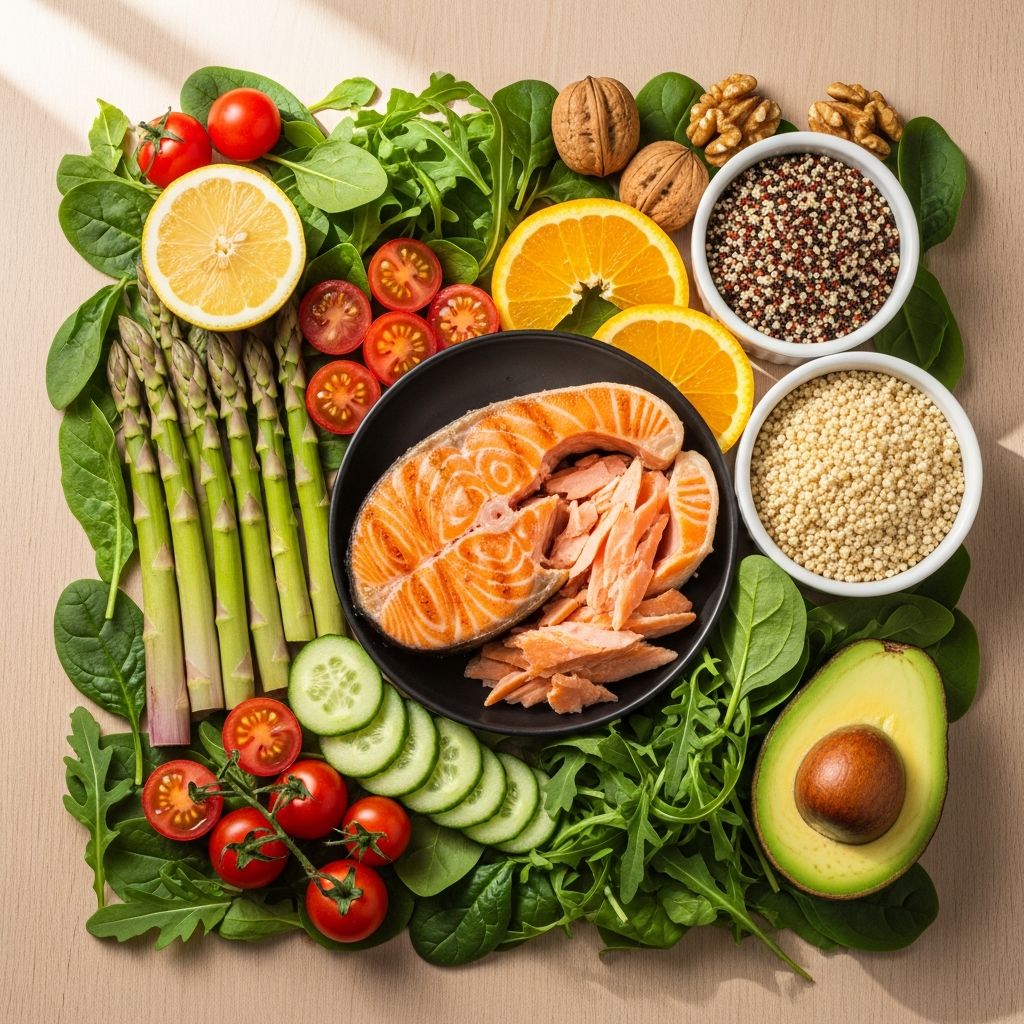
The pescatarian diet, which emphasizes plant-based foods alongside fish and seafood, offers a flexible path to better health. By excluding red meat and poultry while incorporating nutrient-dense seafood, it bridges vegetarianism and omnivorous eating for enhanced cardiovascular, metabolic, and overall wellness.
What Is a Pescatarian Diet?
A pescatarian diet primarily consists of vegetables, fruits, grains, legumes, nuts, seeds, and other plant foods, with fish and seafood as the key animal protein sources. Unlike strict vegetarianism, it allows shellfish, salmon, tuna, and other seafood, providing essential nutrients absent in fully plant-based diets. This approach mimics aspects of the Mediterranean diet, focusing on whole foods for sustainability and variety.
Originating from ‘pesce’ (Italian for fish) and ‘vegetarian,’ pescatarianism appeals to those reducing meat for ethical, environmental, or health reasons without fully eliminating animal products. It promotes low-mercury fish like sardines, trout, and wild-caught salmon to maximize benefits while minimizing risks.
Health Benefits of a Pescatarian Diet
Adopting a pescatarian diet yields multiple evidence-based health advantages, supported by studies linking seafood and plant foods to disease prevention and vitality.
Improved Heart Health
Fatty fish such as salmon, herring, and mackerel deliver omega-3 fatty acids (EPA and DHA), which reduce inflammation, lower triglycerides, and prevent plaque buildup in arteries. A review in the Journal of the American College of Cardiology highlights the pesco-Mediterranean diet—rich in fish and plants—as optimal for cardiovascular health, showing lower blood pressure, cholesterol, and fatal heart attack rates among pescatarians compared to meat-eaters.
Plant foods contribute fiber, antioxidants, and flavonoids that further protect against atherosclerosis. Pescatarians often exhibit reduced risks of abnormal heart rhythms and metabolic syndrome.
Lower Risk of Type 2 Diabetes
Eliminating red meat and emphasizing plants and fish cuts risks of insulin resistance, obesity, and type 2 diabetes. Omega-3s improve insulin sensitivity, while high-fiber legumes, whole grains, and vegetables stabilize blood sugar. Studies associate pescatarian patterns with decreased diabetes incidence versus non-vegetarians.
Reduced Cancer Risk
Pescatarians face lower overall cancer rates, particularly colorectal and prostate cancers, due to avoiding processed red meats classified as carcinogens by experts. Increased fruits, vegetables, and phytochemicals combat cellular changes leading to tumors. A 2022 study confirmed pescatarians’ reduced colorectal cancer risk compared to meat-eaters.
Better Gut Health and Microbiome
High-fiber plant foods like beans, lentils, and whole grains nourish the gut microbiome, fostering beneficial bacteria that support immunity, digestion, and mental health. Seafood adds anti-inflammatory omega-3s, preventing constipation and promoting microbiome diversity.
Enhanced Skin Health
Omega-3s from fatty fish maintain skin thickness, hydration, and suppleness, countering dryness and inflammation. Combined with plant antioxidants, this leads to clearer, healthier skin.
Nutrient Boost: Protein, Vitamins, and Minerals
- Protein: Lean, complete proteins from fish build muscles, skin, and bones with minimal saturated fat—e.g., 5 oz tuna provides 30g protein.
- Omega-3 Fatty Acids: Support brain, heart, and joint health.
- Vitamin B12 and Selenium: Essential for nerve function and antioxidant defense, often deficient in vegetarians.
- Calcium, Zinc: From seafood and fortified plants for bone and immune strength.
Weight Management and Stable Appetite
Fiber- and protein-rich foods like legumes, nuts, and fish promote satiety, curbing cravings and supporting calorie control for weight loss. Pescatarians often consume fewer calories without feeling deprived.
Related Stories



What Foods to Eat on a Pescatarian Diet
Focus on variety for balanced nutrition:
- Seafood (2-3 servings/week): Low-mercury options like salmon, sardines, trout, shrimp, canned tuna, cod.
- Plant Proteins: Beans, lentils, tofu, tempeh, edamame, nuts, seeds, quinoa.
- Fruits & Vegetables: Berries, leafy greens, broccoli, tomatoes for antioxidants.
- Grains: Whole oats, brown rice, barley.
- Dairy/Eggs (optional): Yogurt, cheese, eggs for some pescatarians.
- Fats: Avocados, olive oil, nuts.
Avoid: Red meat, poultry, processed foods. Prioritize sustainable, fresh sources.
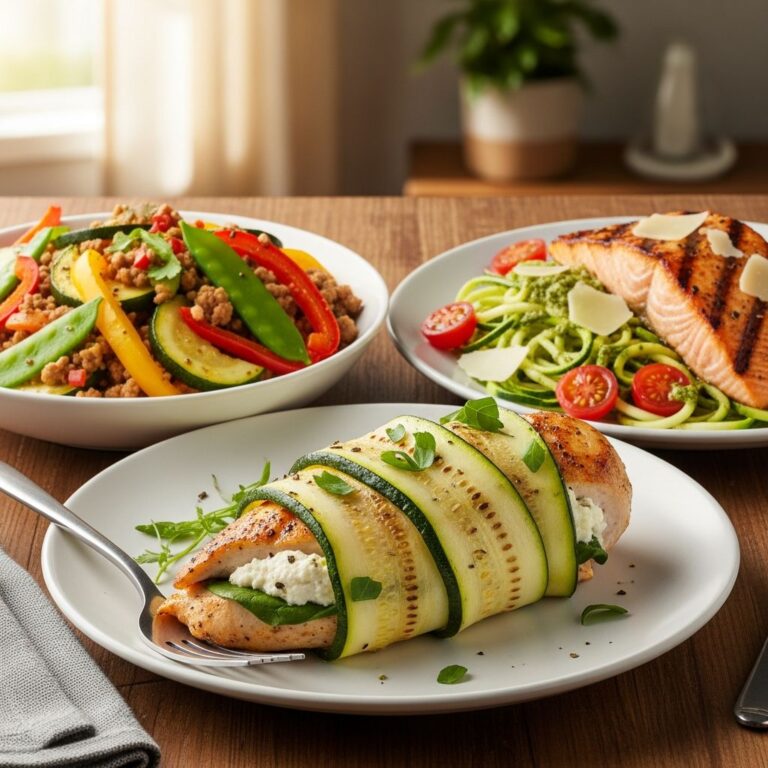
A Sample Pescatarian Meal Plan
| Meal | Sample Options |
|---|---|
| Breakfast | Greek yogurt with berries, chia seeds, and walnuts; or oatmeal with smoked salmon. |
| Lunch | Quinoa salad with chickpeas, feta, cucumber, and grilled shrimp; or lentil soup with whole-grain bread. |
| Dinner | Baked salmon with roasted vegetables and brown rice; or tofu stir-fry with mixed greens. |
| Snacks | Apple with almond butter; hummus with carrots; canned sardines on crackers. |
This plan ensures 1,800-2,200 calories daily, adjustable for needs.
Pros and Cons of the Pescatarian Diet
| Pros | Cons |
|---|---|
| Heart-protective omega-3s and fiber. | Mercury risk in large predatory fish (e.g., swordfish). |
| Flexible, sustainable for long-term adherence. | Potential B12 shortfall if fish intake is low. |
| Weight loss and cancer risk reduction. | Higher cost of quality seafood. |
| Improved diabetes and gut health. | Allergies or sustainability concerns. |
Mitigate cons by choosing low-mercury fish and supplementing if needed.
How to Start a Pescatarian Diet
- Eliminate red meat and poultry gradually.
- Incorporate seafood 2-3 times weekly, varying types.
- Boost plant proteins: beans, nuts, tofu.
- Plan meals around whole foods; limit fried or processed items.
- Monitor mercury via FDA guidelines; opt for wild-caught.
- Consult a doctor for personalized advice, especially with conditions.
Frequently Asked Questions
Is the pescatarian diet healthy?
Yes, it supports heart health, reduces chronic disease risks, and provides complete nutrition when balanced with diverse plants and low-mercury fish.
Can you lose weight on a pescatarian diet?
Absolutely—nutrient-dense, satiating foods aid calorie control and fat loss.
Pescatarian vs. Mediterranean diet: Which is healthier?
Both excel; pescatarian adds flexible seafood, while Mediterranean emphasizes olive oil—both lower diabetes and heart risks versus meat-heavy diets.
Does it provide enough protein?
Yes, from fish (complete) and plants; aim for variety to meet needs.
Is pescatarian better than vegan?
For some, yes—fish supplies B12, omega-3s easily, easing nutrient gaps while retaining plant benefits.
References
- Is the pescatarian diet right for you? Here’s what you need to know — Baylor Scott & White Health. 2023. https://www.bswhealth.com/blog/is-the-pescatarian-diet-right-for-you
- What a Pescatarian Diet Is, and Its Benefits — Cleveland Clinic. 2023-10-10. https://health.clevelandclinic.org/pescatarian-diet
- 6 benefits of being a pescetarian — The Good Prep. 2023. https://thegoodprep.com/6-benefits-of-being-a-pescetarian/
- Pescatarian diet: Pros, cons, and what to eat — Medical News Today. 2024-01-15. https://www.medicalnewstoday.com/articles/323907
- What is a Pescatarian Diet? Pros & Cons. What to Eat — Chicken of the Sea. 2023. https://chickenofthesea.com/blog/pescatarian-diet/
Similar Articles








Read full bio of medha deb