Pescatarian Diet Plan: 7-Day Meal Guide For Heart Health
A flexible eating plan emphasizing fish, seafood, and plant foods for heart health, weight management, and overall wellness.
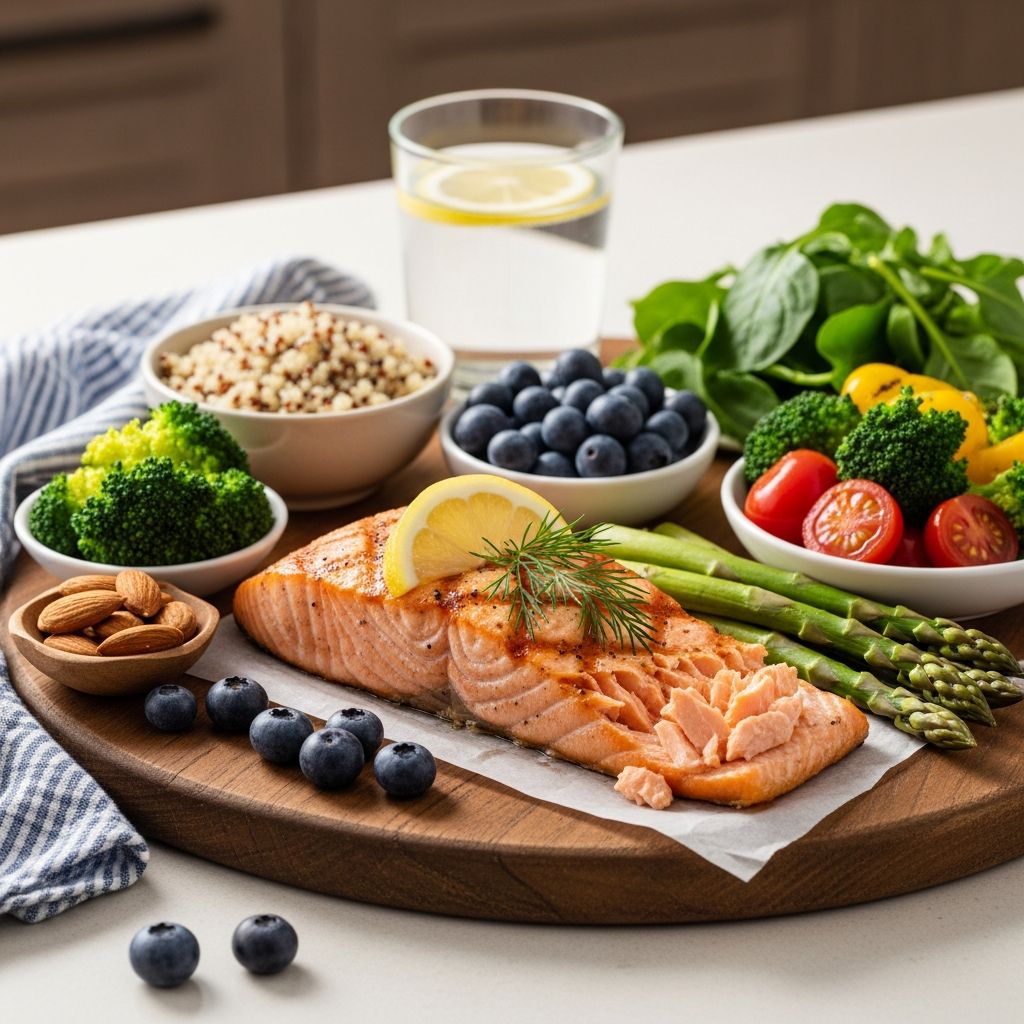
The pescatarian diet offers a balanced, flexible approach to eating that excludes red meat, poultry, and game but includes fish, seafood, eggs, dairy, and abundant plant-based foods. This eating style bridges vegetarianism and omnivorous diets, providing essential nutrients like omega-3 fatty acids while promoting heart health and disease prevention.
What Is the Pescatarian Diet?
A pescatarian diet, sometimes called pesco-vegetarian, focuses on seafood as the primary animal protein source alongside plant foods. Pescatarians avoid meat from land animals such as beef, pork, chicken, and turkey but embrace fish like salmon, tuna, and shrimp, plus dairy products (milk, cheese, yogurt), eggs, fruits, vegetables, legumes, nuts, seeds, and whole grains.
Registered dietitian Anthony DiMarino explains, “Going pescatarian means choosing to avoid eating any type of meat that isn’t fish or seafood.” There are no rigid rules on portions; flexibility allows personalization based on preferences and health goals. This makes it ideal for those easing into plant-forward eating without fully eliminating animal products.
Pescatarian Diet Food List
Building meals around nutrient-dense foods ensures satiety and health benefits. Here’s a comprehensive list of allowed and excluded foods:
- Seafood: Salmon, tuna, sardines, mackerel, shrimp, scallops, cod, trout, mussels (rich in omega-3s and protein).
- Dairy: Milk, yogurt, cheese, cottage cheese (for calcium and probiotics).
- Eggs: Whole eggs or whites (versatile protein source).
- Plant Proteins: Beans, lentils, chickpeas, tofu, tempeh, edamame.
- Vegetables: Leafy greens, broccoli, carrots, tomatoes, bell peppers, zucchini.
- Fruits: Berries, apples, oranges, bananas, avocados.
- Grains: Quinoa, brown rice, oats, barley, whole-wheat bread.
- Nuts & Seeds: Almonds, walnuts, chia seeds, flaxseeds, pumpkin seeds.
- Healthy Fats: Olive oil, avocado oil, nut butters.
Foods to Avoid: Red meat (beef, lamb), poultry (chicken, turkey), processed meats (bacon, sausage), and overly fried or breaded seafood preparations.
7-Day Pescatarian Meal Plan
This sample 7-day plan provides 1,600-1,800 calories daily, adjustable for activity level. It emphasizes variety, omega-3-rich fish twice weekly minimum, and fiber-packed plants for sustained energy.
| Day | Breakfast | Lunch | Dinner | Snacks |
|---|---|---|---|---|
| Monday | Greek yogurt with berries, chia seeds, and almonds (350 cal) | Quinoa salad with chickpeas, cucumber, feta, and lemon vinaigrette (450 cal) | Baked salmon with asparagus and sweet potato (500 cal) | Apple with peanut butter; carrot sticks (300 cal) |
| Tuesday | Oatmeal with flaxseeds, banana, and milk (350 cal) | Tuna salad wrap in whole-grain tortilla with greens and avocado (450 cal) | Shrimp stir-fry with broccoli, bell peppers, and brown rice (500 cal) | Cottage cheese with pineapple; handful of walnuts (300 cal) |
| Wednesday | Scrambled eggs with spinach and whole-grain toast (350 cal) | Lentil soup with side salad and yogurt dressing (450 cal) | Grilled cod with quinoa pilaf and zucchini (500 cal) | Hummus with celery; orange (300 cal) |
| Thursday | Smoothie: yogurt, spinach, berries, protein powder (350 cal) | Black bean bowl with corn, salsa, and shrimp (450 cal) | Baked trout with roasted Brussels sprouts and couscous (500 cal) | Trail mix (nuts/seeds); pear (300 cal) |
| Friday | Avocado toast with poached egg and tomatoes (350 cal) | Chickpea salad with feta, olives, and olive oil (450 cal) | Seared scallops with garlic spinach and wild rice (500 cal) | Greek yogurt parfait; cucumber slices (300 cal) |
| Saturday | Chia pudding with mango and coconut (350 cal) | Sardine salad on mixed greens with vinaigrette (450 cal) | Salmon burgers with sweet potato fries and slaw (500 cal) | Edamame; banana (300 cal) |
| Sunday | Egg muffins with veggies and cheese (350 cal) | Veggie sushi rolls with smoked salmon (450 cal) | Mussels in tomato broth with whole-grain bread (500 cal) | Almonds; berries (300 cal) |
Related Stories



Prep tips: Batch-cook grains and proteins on weekends. Aim for colorful plates to maximize antioxidants.
Pescatarian Grocery List
Stock up weekly for easy meal prep. Categorize for efficiency:
- Proteins: 1 lb salmon, 1 lb shrimp, 1 can tuna, dozen eggs, Greek yogurt (32 oz), feta cheese.
- Produce: Spinach (2 bags), berries (2 pints), avocados (4), broccoli (2 heads), lemons (4), sweet potatoes (4).
- Grains/Legumes: Quinoa (1 lb), brown rice (1 lb), lentils (1 lb), chickpeas (2 cans).
- Nuts/Seeds: Almonds (8 oz), chia seeds (4 oz), peanut butter.
- Pantry: Olive oil, spices, hummus, whole-grain bread.
Benefits of a Pescatarian Diet
Switching to pescatarian eating yields multiple evidence-based advantages.
- Heart Health: A pesco-Mediterranean diet optimizes cardiovascular function per a Journal of the American College of Cardiology review, thanks to omega-3s reducing inflammation and triglycerides.
- Cancer Risk Reduction: Large studies show pescatarians have lower overall, colorectal, and prostate cancer risks versus meat-eaters, linked to less red meat and more fruits/veggies with anti-cancer phytochemicals.
- Protein Quality: Fish provides lean protein without saturated fats from red meat, supporting tissue repair.
- Gut Health: High-fiber plants feed the microbiome, aiding digestion, immunity, and mental health.
- Weight Management: Fiber and protein from legumes/nuts curb hunger; nutrient-dense foods promote satiety on fewer calories.
- Brain & Immune Support: Omega-3s, B12, zinc, and selenium from seafood enhance cognition and immunity.
Pros and Cons of the Pescatarian Diet
| Pros | Cons |
|---|---|
| Flexible and sustainable long-term | Potential mercury in large fish (e.g., tuna); limit to 2-3 servings/week |
| Rich in omega-3s for heart/brain | May require planning for B12/iron if dairy/eggs limited |
| Supports weight loss and energy | Higher cost for quality seafood |
| Environmentally friendlier than meat-heavy diets | Risk of over-relying on fried/processed fish |
Consult a registered dietitian to mitigate risks, especially for nutrient gaps.
Pescatarian Recipes
Baked Lemon Garlic Salmon
Prep: 10 min | Cook: 20 min | Serves: 4
- 4 salmon fillets, 2 tbsp olive oil, 3 garlic cloves (minced), juice of 2 lemons, salt/pepper, herbs.
Preheat oven to 400°F. Mix oil, garlic, lemon; coat salmon. Bake 15-20 min. Serve with quinoa and greens. Per serving: 350 cal, high omega-3s.
Shrimp Quinoa Bowls
Prep: 15 min | Cook: 20 min | Serves: 4
- 1 lb shrimp, 1 cup quinoa, black beans (1 can), avocado, cilantro, lime.
Cook quinoa; sauté shrimp with veggies. Layer in bowls; top with avocado mash. Offers protein, fiber, sustained energy.
Coconut Baked Fish
Rich in healthy fats; supports inflammation reduction.
Pescatarian Diet for Weight Loss
By prioritizing low-calorie, high-volume foods like veggies and lean seafood, pescatarians often achieve calorie deficits naturally. Pair with activity for optimal results; registered dietitians note improved satiety from fiber/protein combos.
Frequently Asked Questions
Is pescatarian healthier than vegetarian?
Both offer benefits, but pescatarian adds omega-3s and B12 from fish, potentially superior for heart health.
How often should you eat fish on pescatarian?
Aim for 2-3 servings weekly of fatty fish; vary sources to minimize contaminants.
Can pescatarians eat eggs and dairy?
Yes, fully included for complete nutrition.
Does pescatarian help with inflammation?
Omega-3s from fish reduce inflammation markers.
Is pescatarian diet sustainable?
Highly flexible; customizable for long-term adherence.
References
- What a Pescatarian Diet Is, and Its Benefits — Cleveland Clinic. 2023-10-12. https://health.clevelandclinic.org/pescatarian-diet
- Pescatarian Meal Plan: Your Guide To Flavor And Health — Berry Street. 2024-05-15. https://www.berrystreet.co/blog/pescatarian-meal-plan
- 4 Week Pescatarian Meal Plan — Healthy Meal Plans. 2025-01-10. https://shop.healthymealplans.com/products/4-week-pescatarian-meal-plan
Similar Articles








Read full bio of medha deb