Pescatarian Vs Vegetarian: Key Differences And Benefits
Comparing pescatarian and vegetarian diets: health benefits, nutritional differences, environmental impact, and which is right for you.
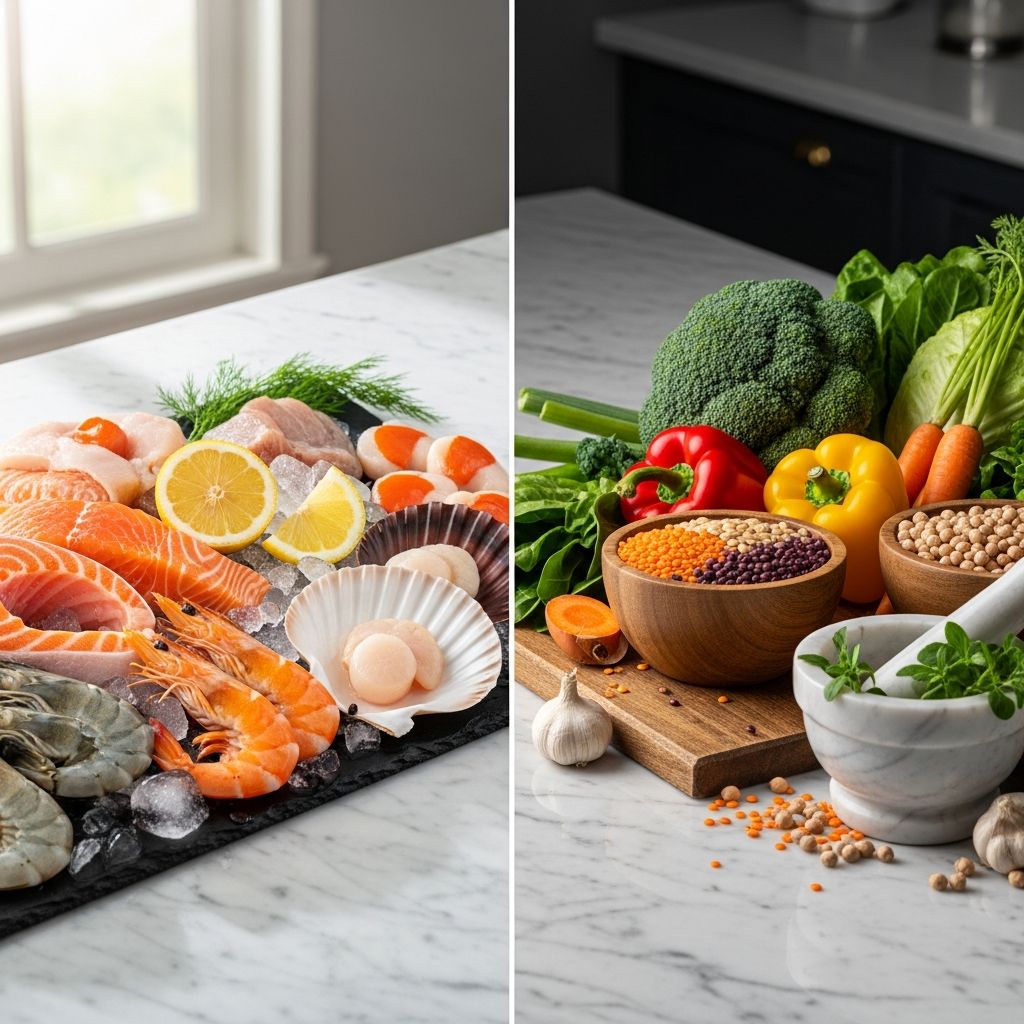
Pescatarian and vegetarian diets both emphasize plant-based eating while reducing or eliminating meat, but they differ in key ways that impact health, nutrition, and sustainability. A pescatarian diet excludes red meat and poultry but includes fish and seafood alongside dairy and eggs, offering flexibility and nutrient density. In contrast, vegetarians avoid all meat and fish, relying on plant foods, dairy, and eggs. Both approaches link to lower risks of chronic diseases like heart disease and improved environmental footprints compared to omnivorous diets.
What Is a Pescatarian Diet?
A
pescatarian diet
—a blend of “pesce” (Italian for fish) and “vegetarian”—allows fish, seafood, dairy, eggs, and all plant foods while strictly avoiding red meat, poultry, and other land animal flesh. This makes it less restrictive than full vegetarianism, appealing to those seeking health benefits without fully cutting out animal products.Common pescatarian foods include:
- Fresh or canned fish like salmon, tuna, sardines, and mackerel
- Shellfish such as shrimp, scallops, and mussels
- Dairy products: milk, yogurt, cheese
- Eggs in various forms
- Plant-based staples: fruits, vegetables, grains, legumes, nuts, and seeds
Seafood provides essential omega-3 fatty acids (EPA and DHA), vitamin D, iodine, and high-quality protein, nutrients often lacking in strictly plant-based diets. Research shows pescatarians have lower BMI, cholesterol, and hypertension rates than omnivores.
What Is a Vegetarian Diet?
A
vegetarian diet
excludes all meat, poultry, and fish, focusing on plant foods with optional dairy and eggs (lacto-ovo vegetarianism is most common). Variants include lacto-vegetarians (dairy yes, eggs no) and ovo-vegetarians (eggs yes, dairy no).Typical vegetarian meals feature:
- High-fiber grains like quinoa, brown rice, and oats
- Legumes: beans, lentils, chickpeas
- Dairy: cheese, milk, yogurt for calcium and protein
- Eggs for complete protein
- Abundant fruits, vegetables, nuts, and seeds
Vegetarians benefit from increased fiber and antioxidants, linked to reduced cardiovascular risks. However, without fish, they must source omega-3s from ALA in flaxseeds or walnuts, which converts inefficiently to active forms.
Pescatarian vs. Vegetarian: Key Differences
While both diets cut red meat and poultry—linked to higher heart disease, stroke, and cancer risks—pescatarianism stands out for including seafood.
| Aspect | Pescatarian | Vegetarian |
|---|---|---|
| Allowed Proteins | Fish, seafood, dairy, eggs | Dairy, eggs (no fish) |
| Omega-3 Sources | EPA/DHA from fish | ALA from plants (less bioavailable) |
| Flexibility | High (includes seafood) | Moderate (plant-focused) |
| Common Challenges | Mercury in fish | B12, iron deficiencies |
Pescatarians enjoy easier access to bioavailable nutrients like B12 and omega-3s from fish, potentially supporting heart and brain health better. Vegetarians offer similar benefits but require more planning for these nutrients.
Similarities Between Pescatarian and Vegetarian Diets
Related Stories



Both diets prioritize nutrient-dense plants, excluding red meat’s saturated fats and heme iron, which contribute to chronic disease risks. They share:
- Health perks: Lower BMI, cholesterol, blood pressure, and hypertension prevalence versus omnivores.
- Environmental gains: Reduced greenhouse gases—pescatarian by ~59%, vegetarian by ~62%.
- Ethical appeal: Less reliance on factory-farmed land animals.
Studies confirm both yield favorable cardiovascular profiles.
Health Benefits of Pescatarian and Vegetarian Diets
Plant-forward eating patterns like these lower all-cause mortality. A Loma Linda University study found pesco-vegetarians had 18% lower death risk, lacto-ovo vegetarians 15%, versus non-vegetarians.
Cardiovascular Health
Vegetarians and pescatarians show lower hypercholesterolemia, LDL, and hypertension. Fish’s omega-3s further protect against inflammation and arrhythmias.
Weight Management
Lower energy density and high fiber promote satiety and weight loss. Vegans edge out slightly, but both outperform omnivores.
Cancer and Diabetes Risk
Reduced red meat intake correlates with lower colorectal cancer and type 2 diabetes risks.
Brain and Longevity
Pescatarians may excel in elderly populations, with sustained mortality benefits.
Potential Downsides and Nutritional Considerations
Pescatarian risks: Mercury, PCBs in large fish; opt for low-mercury options like salmon.
Vegetarian risks: B12, iron, zinc deficiencies without supplementation. Pescatarians mitigate this via fish.
Both need balanced plates: emphasize variety for complete nutrition.
Environmental Impact
Both slash emissions versus meat-heavy diets. Vegetarian: 62% reduction; pescatarian: 59%. Sustainable seafood choices amplify benefits.
Which Is Better: Pescatarian or Vegetarian?
No one-size-fits-all. Pescatarian suits nutrient needs and flexibility; vegetarian appeals ethically. Both beat omnivorous for health and planet. Consider goals: weight loss? Vegan-leaning vegetarian. Heart health? Add fish.
Sample Meal Plans
Pescatarian Day
- Breakfast: Greek yogurt parfait with berries
- Lunch: Grilled salmon salad
- Dinner: Shrimp stir-fry with veggies
- Snack: Cheese and nuts
Vegetarian Day
- Breakfast: Veggie omelet
- Lunch: Lentil soup with bread
- Dinner: Cheese quesadilla with greens
- Snack: Apple with peanut butter
Frequently Asked Questions (FAQs)
What foods can you eat on a pescatarian diet?
All plants, fish, seafood, dairy, eggs. Avoid red meat, poultry.
Is pescatarian healthier than vegetarian?
Pescatarian often provides superior omega-3s and B12, with similar heart benefits.
Can vegetarians eat fish?
No, by definition vegetarians exclude fish; pescatarians do not.
Are these diets sustainable long-term?
Yes, with planning. Both linked to better health profiles.
How do they impact weight loss?
Both effective; vegans slightly more so, per studies.
References
- Vegetarian vs. Vegan vs. Pescatarian: What’s the Difference? — Healthline. 2023-10-12. https://www.healthline.com/nutrition/vegetarian-vs-vegan-vs-pescatarian
- Vegetarian, Pescatarian, Flexitarian Diets and Cardiovascular Risk Factors — PMC (NCBI). 2020-09-11. https://pmc.ncbi.nlm.nih.gov/articles/PMC7525113/
- Pesco-vegetarian Diets Best for Reducing Risk of Death in Elderly — Loma Linda University Health News. 2023-06-15. https://news.llu.edu/research/pesco-vegetarian-diets-best-for-reducing-risk-of-death-elderly
- A Skeptical Look at Popular Diets: Vegetarian is Healthy If You Tread Carefully — Stanford Medicine. 2019-02-20. https://med.stanford.edu/news/insights/2019/02/a-skeptical-look-at-popular-diets-vegetarian-is-healthy-if-you-tread-carefully.html
Similar Articles








Read full bio of medha deb