PET Scan: Purpose, Procedure, and What to Expect
Complete guide to PET scans: Learn about their uses, procedures, safety, and results.
A positron emission tomography (PET) scan is an advanced imaging test that allows healthcare providers to visualize how your organs and tissues are functioning at the cellular level. Unlike traditional imaging methods such as CT or MRI scans that primarily show the structure of organs, PET scans reveal the metabolic and biochemical activity within your body. This makes them particularly valuable for detecting diseases in their earliest stages before structural changes become visible on other imaging tests.
What Is a PET Scan?
A PET scan is a sophisticated imaging technique that uses a radioactive substance called a tracer to detect disease in the body. The tracer is injected into a vein, usually in your arm, and travels through your bloodstream to areas of your body that have higher metabolic activity. Diseased cells typically absorb more of the radioactive tracer than healthy cells, creating what are known as “hot spots” on the resulting images.
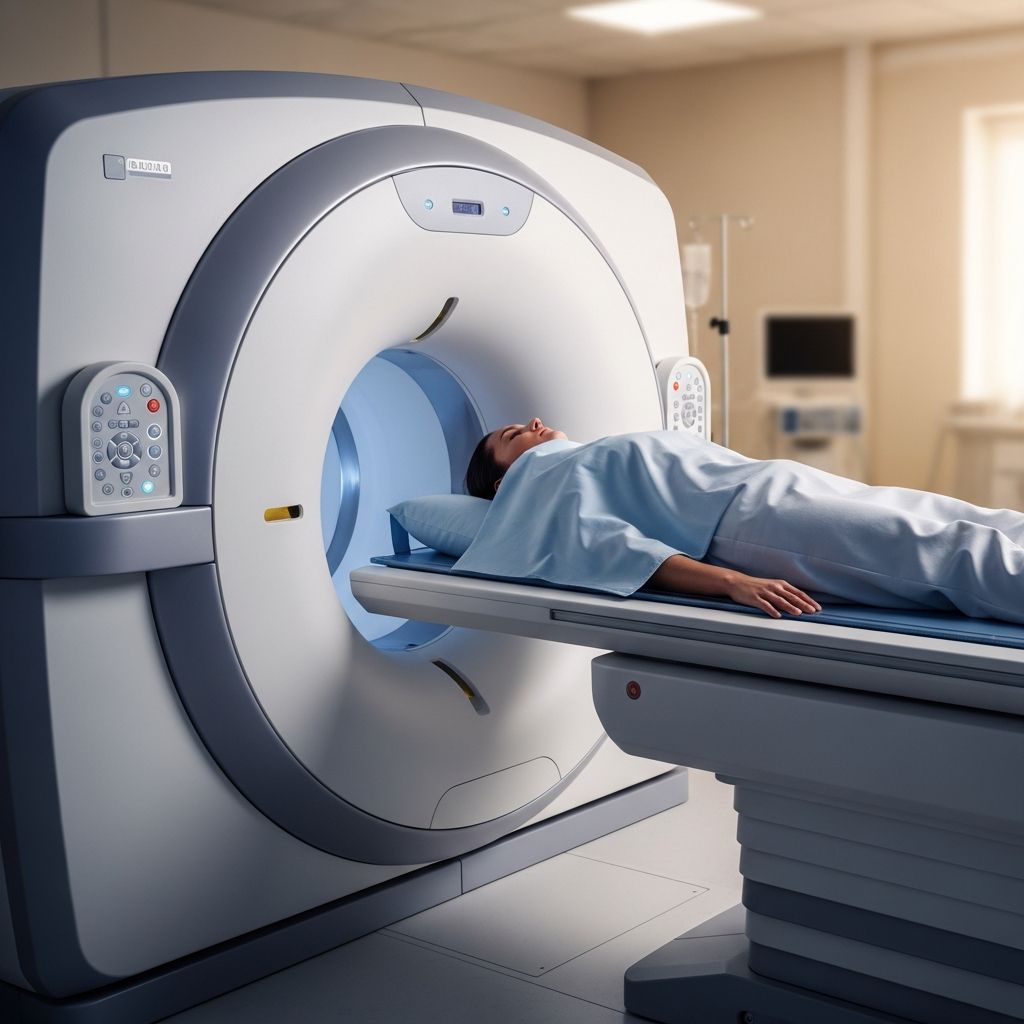
The PET scanner itself is a large, doughnut-shaped machine that detects the radiation emitted by the tracer. Modern healthcare facilities often combine PET scans with CT or MRI scans to create PET-CT or PET-MRI hybrid images, which provide three-dimensional views and more accurate diagnoses. Some hospitals now use PET/MRI technology, which creates extremely high-contrast images particularly useful for diagnosing and monitoring soft tissue cancers in the brain, head, neck, liver, and pelvis.
Why Doctors Order PET Scans
Healthcare providers use PET scans for a wide range of diagnostic and monitoring purposes. The most common applications include:
Cancer Detection and Monitoring
PET scans are most frequently used to help diagnose cancer and assess cancer treatment. If your healthcare provider suspects you have cancer, they’ll likely recommend a PET scan, which can detect the disease and support a diagnosis. For patients already diagnosed with cancer, providers may recommend multiple PET scans throughout treatment to:
- Determine how far the cancer has spread in your body
- Monitor how well your cancer is responding to treatment
- Check if cancer has returned after treatment completion
- Help select the best treatment approach
Heart Disease Evaluation
If you’re experiencing heart issues, your provider may recommend a PET scan to show areas where there is poor blood flow to the heart and assess cardiac function. PET scans can measure vital functions including blood flow, oxygen use, and blood sugar metabolism.
Brain and Neurological Disorders
PET scans are valuable for evaluating brain function, particularly in people with symptoms of cognitive problems. Healthcare providers use them to:
- Check brain function in patients with memory loss or dementia
- Identify the source of epilepsy in the brain
- Assess various neurological conditions
Other Applications
PET scans can also determine whether a mass in your lung is cancerous or harmless. A key advantage of PET scans is their ability to focus on processes and molecular activity within your body, giving them the potential to find disease in its earliest stages, often before other imaging techniques can detect abnormalities.
Related Stories



How to Prepare for Your PET Scan
Proper preparation is essential for obtaining clear, accurate images. Before your appointment, inform your healthcare professional about:
- Any previous allergic reactions, especially to medications
- Recent illnesses or existing medical conditions such as diabetes
- All medicines, vitamins, or herbal supplements you’re taking
- If you’re pregnant or think you might be pregnant
- If you’re breastfeeding
- Any fear of enclosed spaces (claustrophobia)
Your healthcare provider will give you detailed preparation instructions. General guidelines include:
- Avoid strenuous exercise for a couple of days before the study
- Stop eating four hours before the scan
- Wear comfortable, loose-fitting clothing without metal objects
- Arrive early to complete necessary paperwork and consent forms
The PET Scan Procedure: Step-by-Step
Understanding what happens during your PET scan can help reduce anxiety and ensure you’re prepared. The entire process typically takes about two hours.
Upon Arrival
When you arrive for your scan, you may be asked to change into a hospital gown and empty your bladder. A member of your healthcare team will explain the procedure and answer any questions you may have.
Tracer Injection
A healthcare professional injects the radioactive tracer into a vein in your arm or hand. You may briefly feel a cold sensation moving up your arm. The injection itself is painless, though you might notice a slight coolness as the tracer travels through your bloodstream.
Waiting and Absorption Period
After injection, you rest and remain silent in a reclining chair for 30 to 60 minutes while the tracer is absorbed by your body. During this time, the radioactive substance concentrates in areas with higher metabolic activity. It can take up to 60 minutes for your body to fully absorb the injected radiotracer. Limiting your movements during this period is crucial for optimal image quality.
The Scan
When ready, you lie on a narrow, padded table that slides into the part of the scanner that looks like a doughnut hole. During the scan, you must remain very still so that the images aren’t blurred. The actual PET scan takes about 30 minutes, while a PET-MRI scan takes approximately 45 minutes. The machine makes buzzing and clicking sounds, which is normal.
The test is painless. If you’re afraid of enclosed spaces, you may feel some anxiety while in the scanner. Be sure to tell the nurse or technologist about any anxiety causing you discomfort, as you may be given medicine to help you relax.
After the Scan
After the test, you’ll need to wait briefly while the technologist reviews the scans to ensure the images are clear. You can then carry on with your day as usual, unless your health professional tells you otherwise. You’ll need to drink plenty of fluids to help flush the tracer from your body. Drinking lots of water after a PET scan is important to help eliminate the radioactive drug.
Understanding Your PET Scan Results
After your scan, a specialist trained to interpret scan images, called a radiologist, will review the images, write a report, and send it to your healthcare provider. This process usually takes 24 hours. The radiologist may compare your PET images with images from other tests you’ve undergone recently, such as an MRI or CT, or the PET images may be combined to provide more detail about your condition.
The results will indicate areas of abnormal metabolic activity. “Hot spots” showing high radiotracer uptake may indicate disease, while areas with normal uptake suggest healthy tissue. Your healthcare provider will interpret these findings in context with your symptoms, medical history, and other diagnostic tests to make an accurate diagnosis and develop an appropriate treatment plan.
Safety and Risks of PET Scans
In general, PET scans are safe and rarely cause problems. The amount of radiation in the radioactive tracer is very low and doesn’t stay in your body for long. The radiation exposure from a PET scan is minimal and comparable to or less than many other medical imaging procedures.
PET scans generally only pose risks in the following situations:
- If you’re pregnant, as radiation exposure may affect fetal development
- If you’re breastfeeding, though it’s typically recommended to wait 24 hours before resuming breastfeeding
- If you have severe claustrophobia that cannot be managed with medication
- If you have certain implanted medical devices that may be affected by the scanner
Side effects from the radiotracer are extremely rare. Most people experience no adverse reactions whatsoever. Always inform your healthcare provider of any medical conditions or concerns before your procedure.
PET Scan vs. Other Imaging Tests
Several imaging techniques are available for different diagnostic purposes. Here’s how PET scans compare to other common imaging methods:
| Imaging Type | How It Works | What It Shows | Best For |
|---|---|---|---|
| PET Scan | Uses radioactive tracer to detect metabolic activity | Cellular function and molecular activity | Cancer, early disease detection, brain disorders |
| CT Scan | Uses X-rays from multiple angles | Detailed organ and tissue structure | Structural abnormalities, injuries, infections |
| MRI Scan | Uses magnets and radio waves | Detailed soft tissue images | Brain, spinal cord, soft tissue conditions |
A key advantage of PET scans is that they can detect cellular changes in organs and tissues earlier than CT and MRI scans. Your healthcare provider may perform a PET scan and CT scan at the same time (PET-CT). This combination test produces 3D images that allow for a more accurate diagnosis.
Frequently Asked Questions About PET Scans
Q: Is a PET scan radioactive? Is it dangerous?
A: Yes, a PET scan uses a radioactive tracer, but the amount of radiation is very low and doesn’t stay in your body for long. The procedure is considered safe with minimal risks for most people. The benefits of accurate diagnosis typically outweigh the minimal radiation exposure.
Q: How long does a PET scan take?
A: From start to finish, the procedure takes about two hours. However, the actual scanning time is only about 30 minutes for PET-CT scans and 45 minutes for PET-MRI scans. The rest of the time involves preparation, tracer absorption, and post-scan review.
Q: Will I be uncomfortable during the PET scan?
A: The test is painless. You’ll need to remain still during the scan, and you may hear buzzing and clicking sounds from the machine. If you’re afraid of enclosed spaces, inform your healthcare team, as medication can help you relax.
Q: When will I get my results?
A: A radiologist will review your images, write a report, and send it to your healthcare provider. This process usually takes 24 hours. Your doctor will then discuss the findings with you and explain what they mean for your diagnosis and treatment plan.
Q: Can I drive after my PET scan?
A: Yes, after your test you can carry on with your day as usual, unless your healthcare professional tells you otherwise. You don’t need to arrange special transportation or take time off work, though you should drink plenty of fluids afterward.
Q: Is PET scan covered by insurance?
A: Most insurance plans cover PET scans when they’re medically necessary and ordered by a healthcare provider. Coverage varies depending on your specific insurance plan and the reason for the scan. Contact your insurance company before your appointment to understand your coverage and any out-of-pocket costs.
Conclusion
A PET scan is a very useful and generally safe imaging test that healthcare providers use to assess cancer, heart issues, and brain conditions. By measuring metabolic activity at the cellular level, PET scans can detect disease earlier than many other imaging techniques, leading to more timely diagnoses and treatment decisions. If you need a PET scan and are worried about the exam or have questions about it, don’t hesitate to ask your healthcare provider. They’re available to help and support you through the process, ensuring you understand what to expect and feel confident about your diagnostic imaging experience.
References
- PET Scan: What It Is, Types, Purpose, Procedure & Results — Cleveland Clinic. 2022-10-19. https://my.clevelandclinic.org/health/diagnostics/10123-pet-scan
- Positron Emission Tomography Scan — Mayo Clinic. 2025-04-16. https://www.mayoclinic.org/tests-procedures/pet-scan/about/pac-20385078
- PET Scan: MedlinePlus Medical Encyclopedia — MedlinePlus, National Library of Medicine. https://medlineplus.gov/ency/article/003827.htm
- PET/CT — RadiologyInfo.org, Radiological Society of North America. https://www.radiologyinfo.org/en/info/pet
- PET Scanning — StatPearls, National Center for Biotechnology Information (NCBI). https://www.ncbi.nlm.nih.gov/books/NBK559089/
Similar Articles








Read full bio of Sneha Tete