Petechiae: Causes, Symptoms, Diagnosis & Treatment
Understanding petechiae: Red spots on skin, causes, symptoms, and when to seek medical care.
Understanding Petechiae: A Complete Guide
Petechiae are small, flat spots that appear on the skin as a result of bleeding from tiny blood vessels called capillaries. These distinctive red, purple, or brown marks can appear suddenly and are often mistaken for a rash, though they represent bleeding beneath the skin rather than an inflammatory response. Understanding what petechiae are, what causes them, and when they require medical attention is essential for recognizing potentially serious health conditions.
What Are Petechiae?
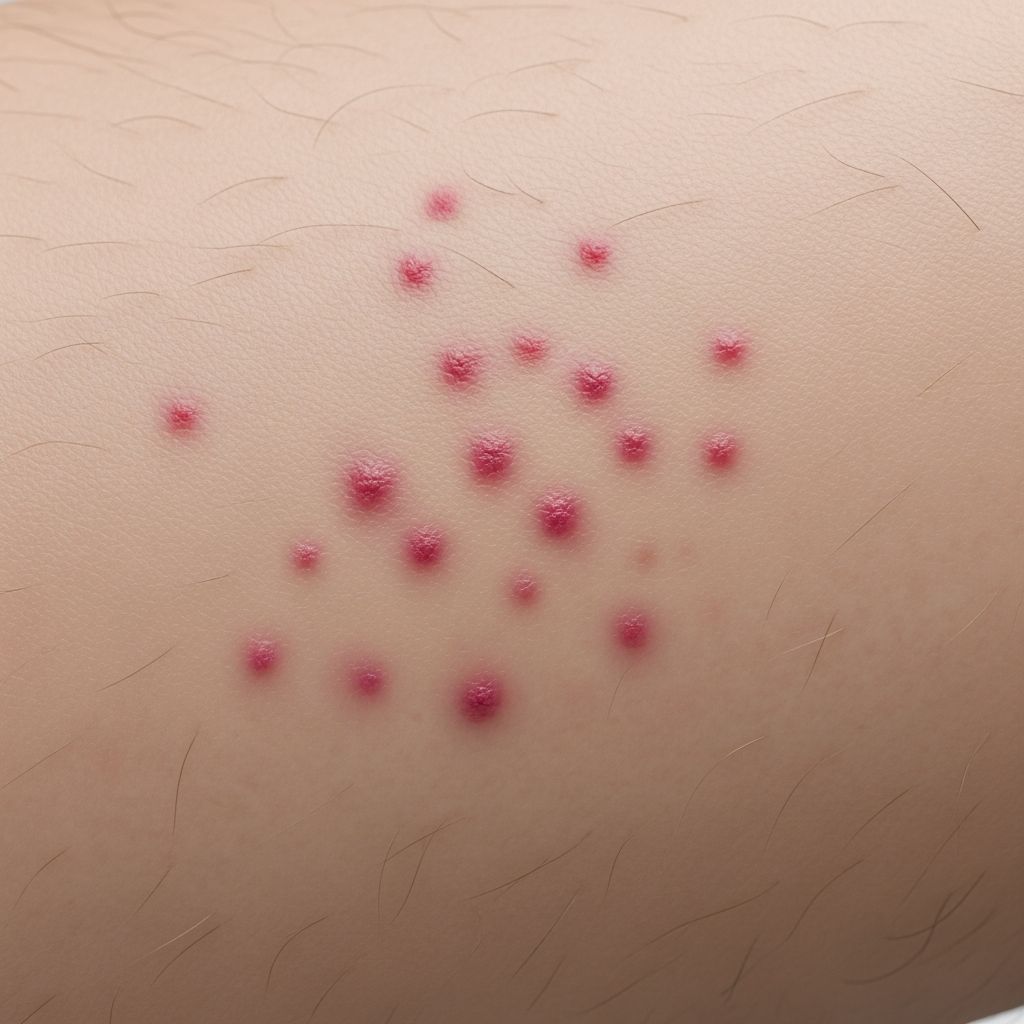
Petechiae are pinpoint hemorrhages that occur when capillaries—the smallest blood vessels in your body—leak blood into the surrounding tissue. When these tiny vessels rupture or become damaged, red blood cells escape into the dermis and epidermis layers of your skin, creating the characteristic spots associated with this condition. The condition is named from the Latin word “petechiae,” which refers to these small spots or marks.
These spots are incredibly small, typically measuring less than 2 millimeters in diameter, about the size of the point of a new crayon. Unlike other skin conditions, petechiae do not blanch or fade when you press your finger on them and then release the pressure. This non-blanching quality is a key diagnostic feature that helps healthcare providers distinguish petechiae from other types of rashes or skin irritations that do blanch when pressure is applied.
Recognizing the Symptoms of Petechiae
Petechiae present with several distinctive characteristics that make them relatively easy to identify, though they should always be evaluated by a healthcare professional.
Visual Characteristics
The spots associated with petechiae display several defining features:
- Measure less than 2 millimeters in width
- Appear in red, purple, or brown colors
- Present as flat, non-raised marks on the skin
- Maintain consistent color when pressure is applied and released
- Do not cause itching or discomfort
- May appear individually or in clusters resembling a rash
- Develop suddenly without warning
The appearance of petechiae can vary depending on their cause and location on the body. Some cases involve scattered spots on the face following intense coughing, while others present as clusters on the legs and trunk, which typically warrant more concern.
Common Causes of Petechiae
Petechiae can develop for numerous reasons, ranging from minor and benign to serious and life-threatening. Understanding these causes helps determine the appropriate level of medical evaluation needed.
Minor Causes
Many cases of petechiae result from relatively harmless activities or minor trauma, including excessive coughing, vomiting, severe sneezing, straining during bowel movements, or the Valsalva maneuver. Prolonged pressure on the skin can also trigger petechiae formation. These minor causes typically resolve on their own once the triggering activity ceases.
Infection-Related Causes
Bacterial and viral infections frequently cause petechiae and represent some of the more concerning etiologies. Serious infections capable of causing petechiae include:
Related Stories



- Meningitis and meningococcemia—potentially life-threatening infections of the brain and spinal cord
- Endocarditis—infection of the heart valve and inner lining
- Sepsis—a systemic inflammatory response to infection
- Various viral infections
In one notable clinical case, conjunctival petechiae (spots in the eye) helped diagnose infective endocarditis caused by Streptococcus mitis, an oral bacterium, highlighting how petechiae can be diagnostic clues to serious infections.
Blood Disorders and Clotting Issues
Conditions affecting platelet count or blood clotting ability frequently present with petechiae. Acute immune thrombocytopenic purpura (ITP) can drop platelet counts dramatically, leading to petechiae alongside mucosal bleeding. Other coagulation disorders and bleeding conditions can similarly manifest with these characteristic spots.
Medication and Trauma
Certain medications that affect blood clotting or platelet function may contribute to petechiae development. Additionally, blunt trauma, pressure injuries, or accidents can cause capillary damage resulting in petechiae formation.
When to Call Your Doctor
While some causes of petechiae are minor, medical evaluation is crucial in most cases, particularly for children. The distinction between petechiae requiring urgent care and those that are less concerning depends on accompanying symptoms and the rate at which spots spread.
Non-Urgent Evaluation
Contact your doctor during regular business hours if petechiae appear without other symptoms, especially if you can identify a clear cause such as minor coughing or sneezing.
Same-Day Medical Evaluation Needed
Call your healthcare provider the same day if:
- Petechiae spots are non-blanching and spreading
- Fever accompanies the spots
- The rash appears in clusters on legs and trunk rather than isolated facial spots
- Severe headache is present
- Spots double in number within six hours
Emergency Warning Signs Requiring Immediate Care
Certain symptoms accompanying petechiae indicate a medical emergency and require immediate evaluation at an emergency department:
- Fever of 100.4°F (38°C) or higher, particularly temperatures above 38.5°C
- Spots that spread rapidly across the body
- Difficulty breathing or shortness of breath
- Severe headache or stiff neck
- Confusion, disorientation, or altered mental status
- Dizziness or fainting
- Loss of consciousness
- Drowsiness that seems unusual or difficult to reverse
- Blood in urine or vomit
- Light sensitivity or photophobia
- Signs of severe bleeding or bruising
These warning signs may indicate serious conditions such as meningitis, sepsis, endocarditis, or severe bleeding disorders that require urgent medical intervention.
Diagnosis of Petechiae
Diagnosing the underlying cause of petechiae involves a systematic approach combining history, physical examination, and targeted testing.
Initial Assessment
Your healthcare provider will begin by taking a detailed medical history, asking about recent illnesses, medications, trauma, or activities that preceded the petechiae appearance. The clinician will perform a thorough physical examination, noting the location, distribution, size, and characteristics of the spots.
Laboratory Testing
Depending on the clinical presentation, various laboratory tests may be ordered, including:
- Complete blood count to assess platelet levels
- Blood cultures if infection is suspected
- Coagulation studies to evaluate clotting function
- Inflammatory markers such as C-reactive protein and erythrocyte sedimentation rate
- Rheumatoid factor and antinuclear antibodies if autoimmune conditions are considered
Advanced Imaging
Echocardiography may be performed if endocarditis is suspected, as occurred in the case of the 75-year-old patient with conjunctival petechiae who was ultimately diagnosed with infective endocarditis caused by poor oral hygiene and subsequent bacteremia. MRI imaging can identify complications such as mycotic aneurysms or cerebral microhemorrhages in severe cases.
Treatment Options for Petechiae
Treatment of petechiae is directed at addressing the underlying cause rather than the petechiae themselves, as the spots are a symptom rather than a primary disease.
Self-Resolving Cases
Many petechiae cases resolve spontaneously without specific treatment, particularly those resulting from minor trauma or benign causes like intense coughing. In these instances, the spots typically fade as the underlying cause resolves and capillaries repair naturally.
Infection-Driven Treatment
When petechiae result from infection, appropriate antimicrobial therapy is essential. For example, the endocarditis patient mentioned in clinical literature required treatment with intravenous penicillin G along with dental extractions to eliminate the source of infection, successfully resolving the rashes and petechial hemorrhage.
Blood Disorder Management
Conditions like ITP may require platelet transfusions, immunosuppressive therapy, or other interventions to restore normal platelet counts and prevent bleeding complications.
Supportive Care
In all cases, monitoring for additional symptoms, maintaining good hygiene to prevent secondary infection, and avoiding trauma to affected areas constitute important supportive measures.
Frequently Asked Questions About Petechiae
Q: Is petechiae contagious?
A: Petechiae themselves are not contagious, though the underlying infections causing them may be. If petechiae result from a communicable infection like meningococcemia, the infectious agent may spread to others, but the skin spots are not directly transmissible.
Q: How long do petechiae typically last?
A: Petechiae from minor causes may resolve within days to weeks as the skin naturally reabsorbs the blood. In cases requiring treatment for underlying conditions, resolution depends on the success of that treatment. Petechiae from serious infections may persist until the infection is adequately controlled.
Q: Can petechiae be prevented?
A: While petechiae from trauma or coughing cannot always be prevented, maintaining good oral hygiene to reduce infection risk, keeping vaccinations current (particularly for meningococcal disease), and avoiding unnecessary straining may help reduce occurrence of certain types of petechiae.
Q: Are petechiae dangerous in children?
A: Children with petechiae should always be evaluated by a healthcare provider, as petechiae can indicate serious conditions that progress rapidly in pediatric patients. Any fever accompanying petechiae in children warrants immediate medical assessment.
Q: What distinguishes petechiae from other rashes?
A: The key distinguishing feature is that petechiae do not blanch when pressure is applied, whereas many other rashes fade temporarily under pressure. Additionally, petechiae are flat and do not itch, helping differentiate them from other skin conditions.
When Petechiae Indicate Serious Conditions
Understanding that petechiae should not be ignored is critical. They may indicate serious medical conditions requiring urgent intervention. The combination of petechiae with other symptoms dramatically increases the likelihood of serious underlying disease.
In clinical practice, rapid spread of petechiae—particularly doubling in number within six hours—raises strong suspicion for meningococcemia until proven otherwise. Similarly, fever above 38.5°C combined with petechiae suggests invasive bacterial infection requiring immediate evaluation. While only approximately 5% of febrile petechiae cases involve meningitis, missing this diagnosis can be fatal.
Endocarditis represents another serious condition frequently associated with petechiae, particularly conjunctival petechiae affecting the eye’s surface. The presence of petechiae alongside difficulty breathing should raise concern for this serious cardiac infection affecting the heart’s inner lining and valves.
Conclusion
Petechiae are small but potentially significant skin findings that warrant medical evaluation in most cases. While many causes are benign and self-limited, petechiae can represent serious infections, blood disorders, or other life-threatening conditions. Understanding the appearance of petechiae, recognizing accompanying warning signs, and knowing when to seek immediate medical care enables early detection and treatment of potentially serious underlying conditions. When petechiae appear, particularly in children or accompanied by fever or other systemic symptoms, prompt professional medical evaluation provides the best opportunity for appropriate diagnosis and treatment.
References
- Petechiae: Causes, Symptoms, Diagnosis, Treatment, and When to Seek Care — MedicineNet. Accessed December 2025. https://www.medicinenet.com/about_petechiae/article.htm
- What Causes Petechiae? Related Conditions and Treatments — SingleCare. Accessed December 2025. https://www.singlecare.com/conditions/petechiae-causes
- The Clinical Picture: Conjunctival Petechiae in Infective Endocarditis — Cleveland Clinic Journal of Medicine. 2024. https://hcn.health/hcn-trends-story/the-clinical-picture-conjunctival-petechiae-in-infective-endocarditis/
- Petechiae: Causes, Symptoms, Diagnosis, & Treatment — WebMD. Accessed December 2025. https://www.webmd.com/skin-problems-and-treatments/what-are-petechiae
- Petechiae Rash on a Child: When Should a Parent Worry? — Eureka Health. 2025. https://www.eurekahealth.com/resources/petechiae-rash-when-to-worry-en
- Conjunctival Petechiae in Infective Endocarditis — Cleveland Clinic Journal of Medicine, 91(1):20-24. 2024. https://www.ccjm.org/content/91/1/20
Similar Articles








Read full bio of medha deb