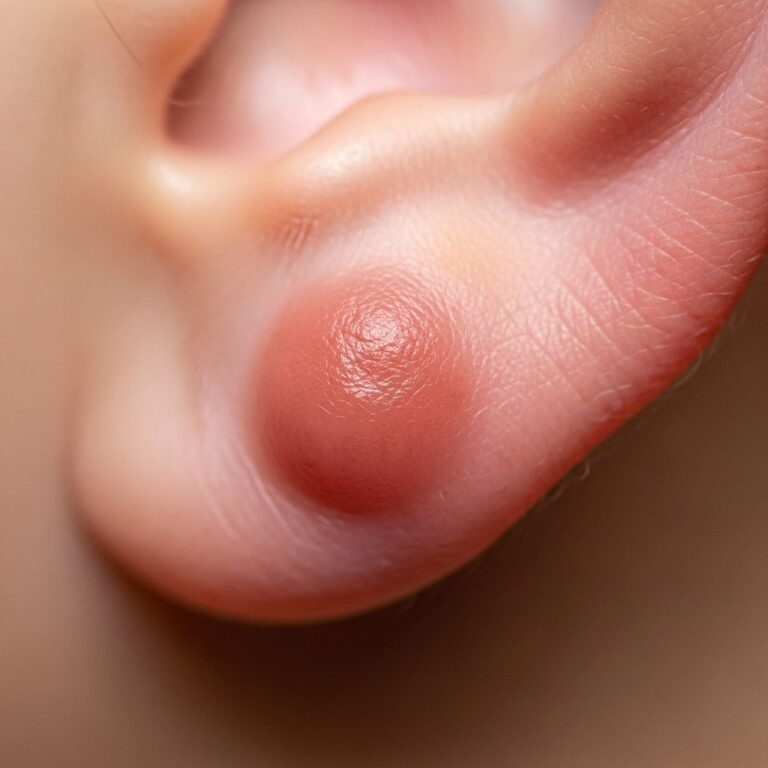
Petechiae: Symptoms, Causes, Diagnosis, Treatment
Understand petechiae: tiny red spots signaling potential serious conditions like infections or blood disorders—learn symptoms, causes, and care.
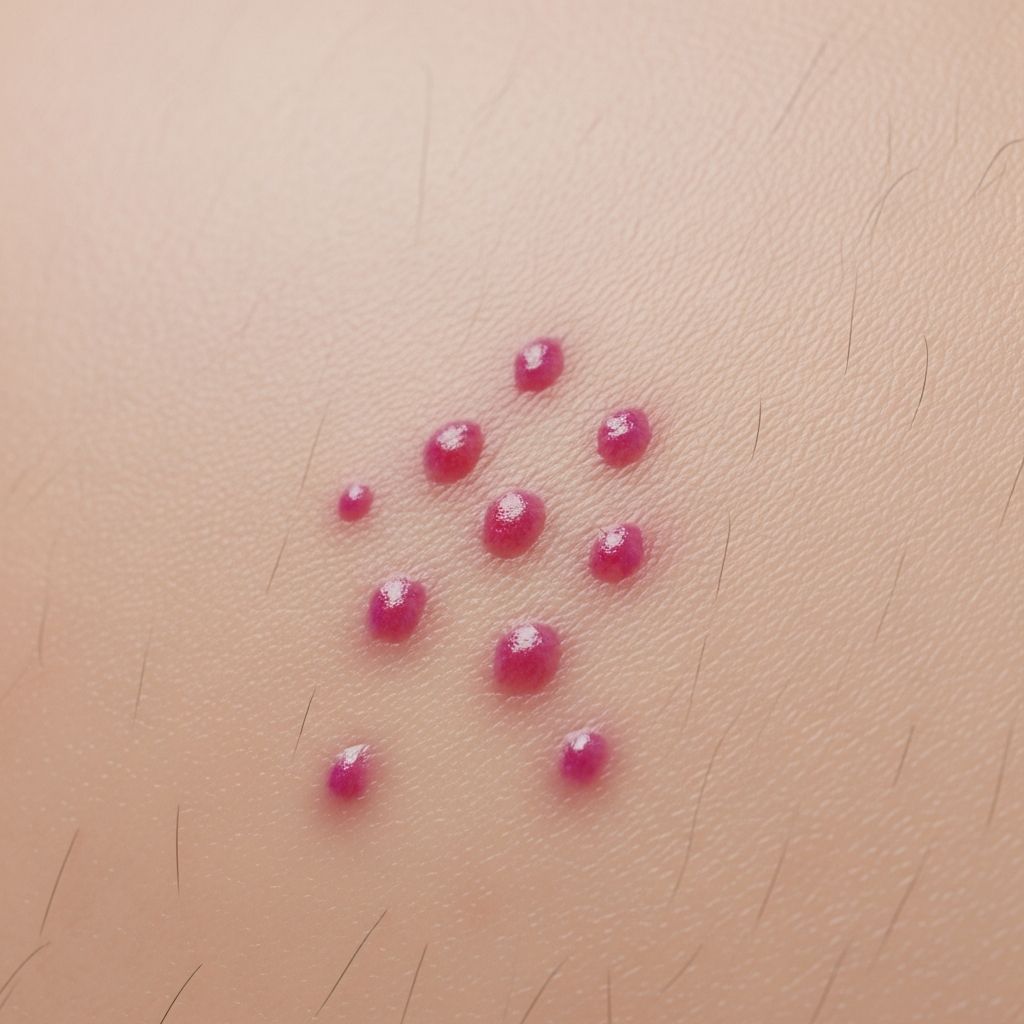
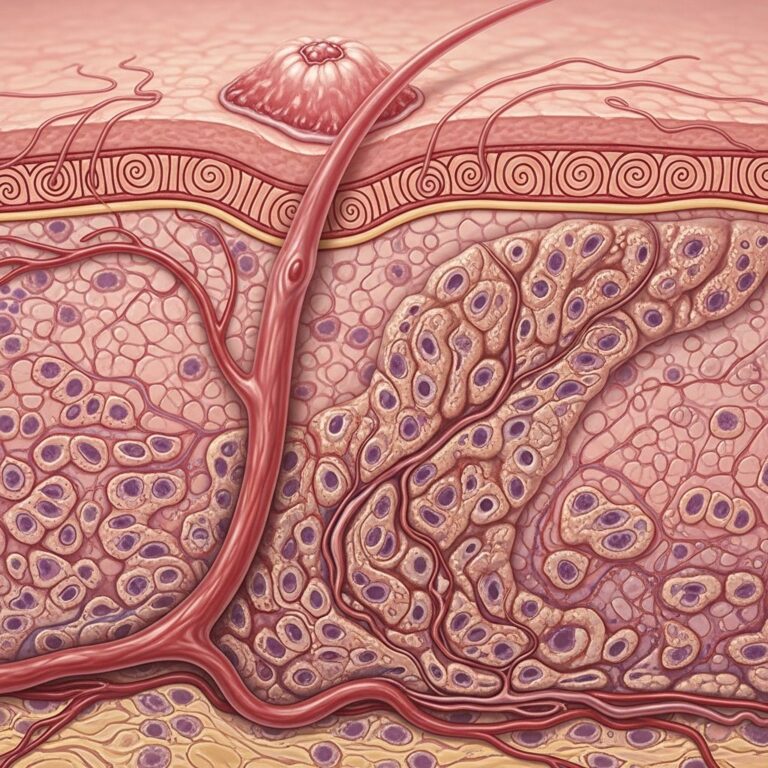
Petechiae are small, flat, pinpoint-sized red, purple, or brown spots on the skin caused by minor bleeding from broken capillary blood vessels in the dermis. These spots do not blanch (turn white) when pressed and measure less than 3 mm in diameter, distinguishing them from larger purpura or bruises. While often benign, petechiae can signal serious underlying conditions like infections, blood disorders, or vascular issues, requiring prompt medical evaluation.
What Are Petechiae?
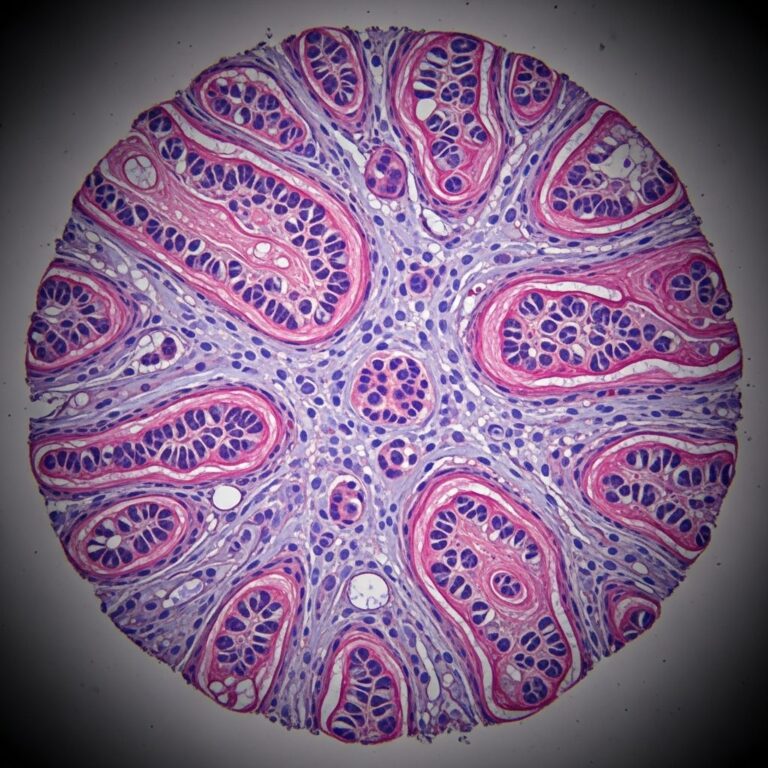
Petechiae result from hemorrhage into the dermis due to increased intravascular pressure, reduced platelet count or function, coagulation disorders, or vascular integrity loss. Unlike larger ecchymoses, they are tiny (1-2 mm) and flat, appearing suddenly on the skin, mucous membranes, or conjunctiva. Common sites include legs, arms, trunk, and mouth. They do not itch or cause pain but may cluster in areas of trauma or pressure.
Pathophysiologically, primary causes include thrombocytopenia (low platelets), platelet dysfunction, coagulation disorders, and vessel wall fragility. In children, a fever with petechiae raises concern for invasive meningococcal disease (IMD), though studies show IMD in only 1.4% of such cases.
Symptoms of Petechiae
The hallmark symptom is the appearance of non-blanching red, purple, or brown spots. Additional symptoms depend on the cause:
- Sudden onset rash, often on lower legs, ankles, or arms.
- Fever, especially with rapidly spreading rash—urgent IMD concern.
- Bruising, pallor, fatigue, or bleeding (gums, nose, stool) suggesting blood disorders.
- Joint pain, abdominal pain, or swelling in vasculitis like Henoch-Schönlein purpura (HSP).
- Coughing/vomiting-induced spots above nipple line (benign).
Petechiae alone are not dangerous but indicate potential issues like low platelets or sepsis. Seek care if accompanied by fever, lethargy, rapid rash spread, or breathing issues.
Petechiae Causes and Risk Factors
Petechiae arise from three main mechanisms: platelet issues, vessel damage, or clotting problems. Here’s a breakdown:
Blood Disorders (Thrombocytopenia or Dysfunction)
- Immune thrombocytopenia (ITP): Autoimmune platelet destruction, often post-viral.
- Leukemia: Cancer reduces platelets; petechiae with fatigue, bruising.
- Hemolytic uremic syndrome (HUS), disseminated intravascular coagulation (DIC).
Infections
- Meningococcal disease (IMD): Neisseria meningitidis causes fever, rapid petechial rash.
- Viral (enterovirus, EBV, CMV), bacterial (endocarditis, Rocky Mountain spotted fever).
Vasculitis and Inflammation
- Henoch-Schönlein purpura (HSP): IgA vasculitis with purpura on legs/buttocks.
- Systemic lupus erythematosus (SLE), other autoimmune diseases inflaming vessels.
Medications and Trauma
- Aspirin, anticoagulants, penicillin, heparin (risk of thrombosis).
- Straining (coughing, vomiting), tight clothing, or child abuse (non-accidental injury).
Other Causes
- Splenomegaly, vitamin K deficiency, renal/liver disease.
| Category | Examples | Risk Factors |
|---|---|---|
| Blood Disorders | ITP, Leukemia, DIC | Recent infection, cancer therapy |
| Infections | Meningococcus, Endocarditis | Fever, unwell child |
| Vasculitis | HSP, SLE | Autoimmune history |
| Trauma/Meds | Coughing, Anticoagulants | Recent strain, new drugs |
Children with fever + petechiae need urgent assessment; adults may relate to meds or chronic illness.
Petechiae Diagnosis
Diagnosis starts with history (onset, fever, meds, trauma) and physical exam (rash distribution, vital signs, bruising). Key findings:
Related Stories



- Rapid spread + fever: IMD suspicion.
- Pallor + lymphadenopathy: Malignancy.
- Hypertension: HUS/HSP.
Labs include CBC (platelets, WBC, hemoglobin), CRP, blood culture, coagulation profile (PT/PTT), renal/liver function. Low platelets (<150,000/μL) confirm thrombocytopenia. Lumbar puncture or imaging if infection/malignancy suspected.
Observation suffices for benign cases (e.g., coughing-induced). Differentiate from purpura (larger >3mm) or ecchymosis.
Petechiae Treatment
Treatment targets the cause; petechiae resolve in 2-3 days to 2 weeks once addressed. No specific therapy for spots themselves.
- Benign/self-limited: Observation, avoid trauma/aspirin.
- Infections: Antibiotics (e.g., ceftriaxone for IMD), antivirals.
- ITP: IVIG, steroids; severe cases—platelet transfusion.
- Vasculitis: Steroids, immunosuppressants.
- Leukemia/DIC: Chemotherapy, specialist care.
Hospitalize if unstable. Most ED petechiae cases discharge after normal labs/observation.
When to See a Doctor for Petechiae
Consult immediately if:
- Fever + rash spread (IMD risk).
- Accompanied by bruising, bleeding, fatigue, weight loss.
- New spots without trauma/meds.
- In mouth/eyes or on infant/child.
Benign if post-coughing/vomiting, isolated, resolving.
Petechiae Prevention
Prevent by managing risks:
- Vaccinate against meningococcus, pneumococcus.
- Avoid unnecessary NSAIDs/aspirin.
- Monitor platelet counts in at-risk patients (cancer therapy).
- Promptly treat infections.
Frequently Asked Questions (FAQs)
What causes petechiae on legs?
Leg petechiae often stem from thrombocytopenia, vasculitis (HSP), or dependency (gravity on low platelets).
Are petechiae from stress?
No direct link; stress may exacerbate via straining/coughing, but not a primary cause.
How long do petechiae last?
Typically 2-3 days to 2 weeks; longer if underlying issue untreated.
Can petechiae be cancer?
Yes, leukemia causes via low platelets; evaluate with CBC.
Do petechiae blanch?
No, they do not fade under pressure, unlike viral rashes.
This comprehensive guide underscores petechiae’s role as a vital clinical sign. Early evaluation prevents complications from serious etiologies.
References
- Petechiae – StatPearls — David J. C. McCreary, et al. National Center for Biotechnology Information (NCBI). 2023-07-17. https://www.ncbi.nlm.nih.gov/books/NBK482331/
- CE Activity | Petechiae | NPs – StatPearls — StatPearls Publishing. 2024. https://www.statpearls.com/nursepractitioner/ce/activity/96673
- Petechiae: A Guide to Causes and Treatment — GoodRx Health. 2024-05-15. https://www.goodrx.com/health-topic/hematology/petechiae
- Is petechiae a symptom of leukemia? — Roswell Park Comprehensive Cancer Center. 2021-09-01. https://www.roswellpark.org/cancertalk/202109/petechiae-symptom-leukemia
- Petechiae (Bleeding into the Skin): Causes, Treatments — Healthgrades. 2023. https://resources.healthgrades.com/right-care/skin-hair-and-nails/petechiae
Similar Articles








Read full bio of medha deb