Pethidine: Uses, Side Effects, Dosage Guide For Acute Pain
Comprehensive guide to pethidine (meperidine): uses, dosage, side effects, and safety for moderate to severe pain relief.
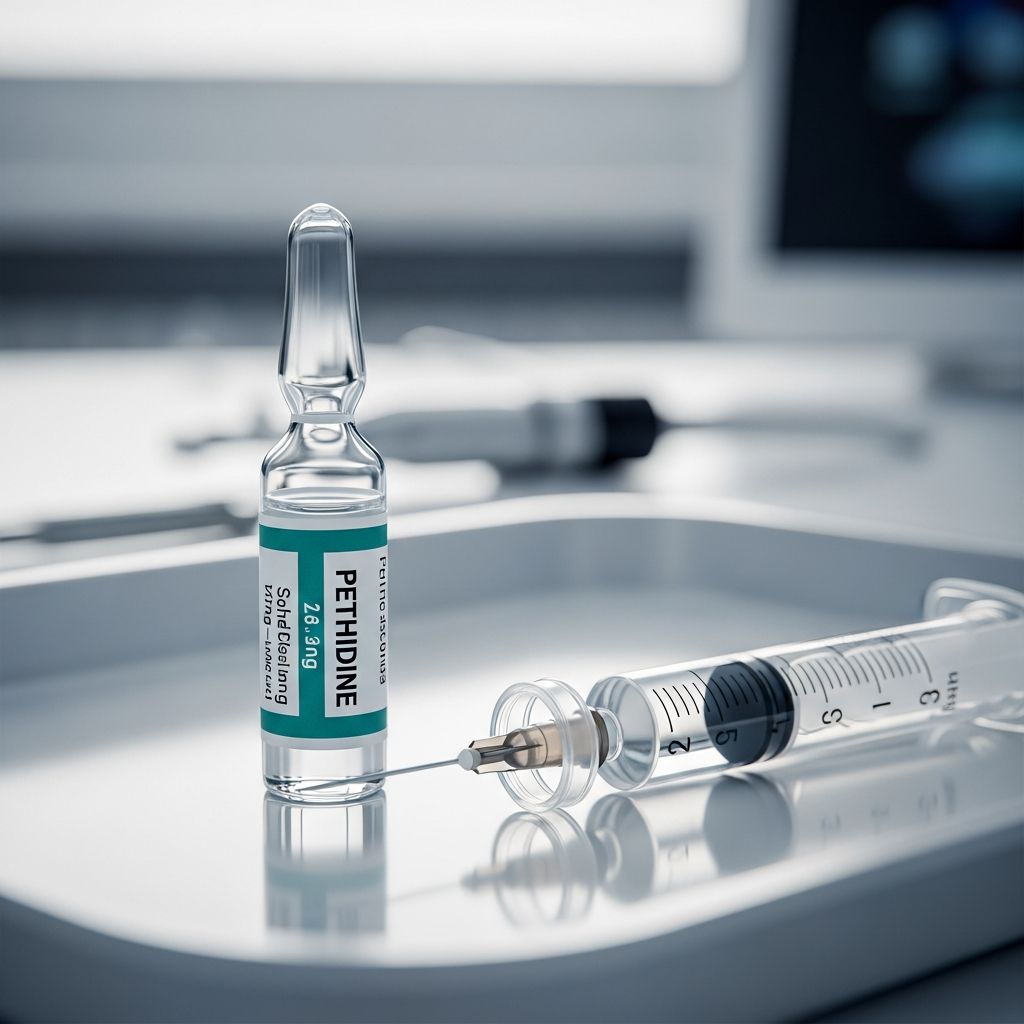
Pethidine, also known as meperidine or by the brand name Demerol, is a synthetic opioid analgesic primarily used to treat moderate to severe pain. It acts as an agonist at mu-opioid receptors in the central nervous system, interrupting pain signals between the body and brain.
About pethidine
Pethidine belongs to the phenylpiperidine class of opioids and was first synthesized in 1937 by Otto Eisleb, with analgesic properties identified soon after. Patented in 1937 and approved for medical use in 1943, it became a popular choice throughout the 20th century, prescribed by 60% of doctors for acute pain in 1975. It is available as tablets, syrup, or injections (intramuscular, subcutaneous, or intravenous).
Historically favored over morphine due to its perceived lower addiction risk and anticholinergic effects beneficial for biliary or renal colic pain, pethidine reduces intestinal pressure in conditions like diverticulitis. It also effectively manages postanesthetic shivering by lowering the shivering threshold, possibly via kappa-opioid receptor stimulation.
However, its use has declined significantly. Newer opioids provide safer, longer-lasting relief with fewer side effects. Pethidine is now rarely prescribed for ongoing or chronic pain due to high addiction potential and risks like seizures from repeated dosing, especially in those with kidney impairment.
Key facts about pethidine
- Opioid class: Synthetic phenylpiperidine opioid, more lipid-soluble than morphine for faster onset (duration 2-2.5 hours).
- Common uses: Moderate-severe acute pain, labor pain, postoperative shivering.
- Declining use: Safer alternatives preferred; not for chronic pain or repeated doses.
- Addiction risk: High; shorter withdrawal than morphine but rapid onset.
- Forms: 50mg/5mL syrup, 50-100mg tablets, injections (50mg/mL).
How does pethidine work?
Pethidine binds to mu-opioid receptors (primary) and kappa-opioid receptors in the brain and spinal cord, altering pain perception and producing sedation. Its local anesthetic-like structure contributes to antispasmodic effects in vitro, though less so in vivo. It also inhibits dopamine and norepinephrine transporters, mimicking some stimulant effects.
Onset is rapid due to high lipid solubility, peaking in 1 hour for oral forms and faster for injections. Effects last 120-150 minutes, requiring dosing every 4-6 hours. It is less potent than morphine or hydromorphone for severe pain, especially with movement.
When is pethidine used?
Pethidine treats moderate to severe acute pain, including postoperative, labor, renal/biliary colic, acute pancreatitis, and shivering during therapeutic hypothermia. It was once the opioid of choice but is now second-line.
- Childbirth: Reduces labor pain, though less favored now due to shorter duration and newborn effects.
- Surgery: Adjunct for pre/post-operative pain and shivering.
- Other: Diverticulitis (lowers gut pressure), amphotericin B-induced chills.
Not recommended for chronic pain, as metabolite normeperidine accumulates, causing neurotoxicity (tremors, seizures).
Who can and cannot take pethidine
Who can take pethidine
Adults and children over 12 months for short-term acute pain under medical supervision. Suitable for those without contraindications.
Who cannot take it
- Acute asthma or respiratory depression.
- Paralytic ileus (bowel obstruction).
- Recent MAOI use (within 14 days) due to serotonin syndrome risk.
- Phenylketonuria (PKU) for oral syrup (contains aspartame).
- Severe liver/kidney disease (normeperidine buildup).
- Head injury, increased intracranial pressure.
- Alcohol intoxication or sedative use.
How and when to take pethidine
Dosage
Always follow healthcare provider instructions. Typical doses:
| Form | Adult Dose | Child Dose (over 1 year) |
|---|---|---|
| Injection | 25-100mg every 4 hours | 0.5-2mg/kg (max 100mg) |
| Oral Tablet/Syrup | 50-150mg every 4 hours | 0.5-2mg/kg (max 100mg) |
Related Stories



Start low in elderly/renally impaired. Max 400mg/day oral, 600mg/day parenteral.
Administration
- Injection: IM preferred; IV slow over 4-5 min to avoid respiratory depression.
- Oral: With water; syrup measure accurately.
- Take as prescribed; do not exceed dose or frequency.
Missed dose
For scheduled pain relief, take soon as remembered unless near next dose. Never double up.
Common questions about pethidine
Is pethidine safe in pregnancy?
Use in labor crosses placenta; monitor newborn for sedation/respiratory issues. Short-term only.
Can I drive on pethidine?
No; causes drowsiness. Avoid until effects wear off (24+ hours).
Does it cause constipation?
Yes, like other opioids. Increase fiber/fluids; laxatives if needed.
Alternatives to pethidine?
Morphine, fentanyl, oxycodone: longer-acting, fewer metabolites.
Side effects of pethidine
Common (10%+): nausea, vomiting, constipation, dizziness, sedation.
Serious: respiratory depression, hypotension, seizures (normeperidine), serotonin syndrome with serotonergics.
- Allergic: Rash, swelling—seek emergency help.
- Overdose: Slow breathing, pinpoint pupils—call emergency (000/911).
Risk increases with alcohol, benzodiazepines, other opioids.
How to cope with side effects
- Nausea: Take with food; antiemetics if prescribed.
- Drowsiness: Avoid activities; lie down.
- Constipation: Laxatives, hydration.
- Dry mouth: Sugar-free gum.
Report persistent/severe effects to doctor.
Pregnancy and breastfeeding
Pregnancy: Category C; use if benefits outweigh risks (e.g., labor). May cause fetal distress.
Breastfeeding: Avoid; passes into milk, risks infant sedation.
Other medicines, alcohol and pethidine
Caution with:
- CNS depressants (alcohol, benzodiazepines)—respiratory risk.
- MAOIs/serotonergics—serotonin syndrome.
- Muscle relaxants, antipsychotics, antidepressants.
Inform doctor of all medications.
Common side effects
- Drowsiness, dizziness.
- Nausea/vomiting.
- Constipation.
- Sweating, dry mouth.
- Low blood pressure.
Serious side effects
Seek immediate help for: breathing problems, confusion, tremors, seizures, severe allergy.
Frequently Asked Questions (FAQs)
What is pethidine used for?
Primarily moderate-severe acute pain, labor, shivering.
Is pethidine addictive?
Yes, high potential; not for long-term use.
How long does pethidine last?
2-2.5 hours clinically; redose every 4-6 hours.
Can pethidine cause seizures?
Yes, from normeperidine in repeated/renal patients.
Why is pethidine less used now?
Safer opioids available; toxicity risks.
Pethidine remains a targeted tool for specific acute scenarios but requires careful monitoring due to its profile. Consult healthcare professionals for personalized advice.
References
- Pethidine – Wikipedia — Wikipedia. 2023-10-01. https://en.wikipedia.org/wiki/Pethidine
- Pethidine – about, usage, side effects and alternatives — Healthdirect (Australian Government). 2023-05-15. https://www.healthdirect.gov.au/pethidine
- Pethidine Tablets (Noumed) — Medsafe (New Zealand Government). 2022-11-20. https://www.medsafe.govt.nz/consumers/cmi/p/Pethidine.pdf
- Pethidine Injection BP 50mg/ml – Patient Information Leaflet — Medicines.org.uk (MHRA UK). 2024-01-10. https://www.medicines.org.uk/emc/product/6596/pil
- Meperidine – StatPearls — NCBI Bookshelf (NIH). 2023-07-17. https://www.ncbi.nlm.nih.gov/books/NBK470362/
- Meperidine: Uses, Interactions, Mechanism of Action — DrugBank. 2024-02-05. https://go.drugbank.com/drugs/DB00454
- Meperidine (Demerol) – Uses, Side Effects — WebMD. 2023-12-01. https://www.webmd.com/drugs/2/drug-4334/demerol-oral/details
Similar Articles








Read full bio of Sneha Tete