Peyronie’s Disease A to Z: Complete Guide
Comprehensive overview of Peyronie's disease: causes, symptoms, diagnosis, and treatment options.
Peyronie’s Disease: A Comprehensive A-to-Z Guide
Peyronie’s disease is a medical condition characterized by the development of fibrous scar tissue, or plaque, within the tissue of the penis. This abnormal accumulation of scar tissue causes the penis to develop a noticeable curve or bend, particularly during erection. The condition can range from mild to severe, and its impact on quality of life varies significantly among affected men. Understanding this condition is essential for recognizing symptoms early and seeking appropriate treatment.
What Is Peyronie’s Disease?
Peyronie’s disease is an abnormal bend of the penis occurring during an erection. The bend develops by plaque accumulating in an area of tissue on the penis. This plaque formation typically occurs beneath the skin and can cause the penis to curve, shorten, or lose girth. The condition affects men of all ages but is most common in middle-aged men. While the exact mechanism causing plaque formation remains unclear, researchers believe it involves a combination of genetic, vascular, and traumatic factors.
The condition has two distinct phases: the acute phase, which occurs shortly after plaque development begins, and the chronic phase, which represents the stable long-term state of the disease. Understanding these phases is crucial for determining the most appropriate treatment strategy.
Causes and Risk Factors
The precise cause of Peyronie’s disease remains incompletely understood, though several factors have been identified as contributing to its development. These include genetic predisposition, penile trauma during sexual activity or injury, vascular disease, connective tissue disorders, certain medications, and psychological stress. Some men develop the condition following surgery or medical procedures affecting the penile region.
Research suggests that inflammatory and fibrotic responses to micro-trauma of the penile tissue play a significant role in plaque formation. Autoimmune disorders associated with Peyronie’s disease include systemic lupus erythematosus, Sjögren’s syndrome, and Behçet’s disease. Additionally, plantar fasciitis and scleroderma have been linked to the condition, suggesting a possible systemic component to its pathophysiology.
Symptoms and Clinical Presentation
Men with Peyronie’s disease may experience various symptoms, with the most obvious being a visible curvature of the penis during erection. The bend can be directional—downward, upward, or sideways—depending on where the plaque forms on the penile tissue. Some men develop more than one plaque, resulting in complex, irregular curves.[10]
Beyond curvature, symptoms may include:
- Pain during erection or sexual intercourse, particularly in the acute phase
- Shortening of the penis
- Loss of penile girth or diameter
- Erectile dysfunction or difficulty maintaining erections
- Psychological distress, including anxiety and depression related to sexual function and body image
- Palpable plaques or hard areas on the penile shaft
The severity of symptoms varies considerably among individuals. Some men experience mild curvature with minimal functional impairment, while others develop severe bending that makes intercourse difficult or impossible. Pain typically decreases over time as the disease progresses into the chronic phase.
Natural Course and Prognosis
An important aspect of Peyronie’s disease management is understanding its natural course. Research indicates that many cases remain stable or improve without intervention. In fact, 20 to 50 percent of patients with Peyronie’s disease experience spontaneous resolution, where symptoms gradually diminish without active treatment. However, Peyronie’s disease rarely goes away on its own in most people. In those cases, it typically remains unchanged or may gradually worsen early in the disease course.
Related Stories



This potential for natural improvement underscores the importance of delaying surgical correction for at least six to 12 months after diagnosis, unless the plaque is severely calcified or the patient experiences complete inability to engage in sexual activity. Early treatment soon after symptom onset may prevent progression and potentially improve outcomes.
Diagnosis and Evaluation
Diagnosis of Peyronie’s disease typically begins with a detailed medical history and physical examination. A urologist will assess the degree of curvature, identify plaque location and hardness, and evaluate erectile function. For initial evaluation, physical examination alone is often sufficient.
In some cases, physicians may order additional diagnostic imaging to better understand plaque characteristics and location. Ultrasound imaging can provide detailed visualization of plaque composition, calcification, and vascularity. Some patients may be asked to bring photographs of their erection or may be asked to demonstrate the curvature during examination, though this is not always necessary for diagnosis.
Psychological assessment may also be valuable, as depression, anxiety, and relationship difficulties frequently accompany Peyronie’s disease. A comprehensive evaluation should address both the physical and emotional dimensions of the condition.
Treatment Options Overview
Treatment for Peyronie’s disease depends on the disease phase, severity of symptoms, and individual patient factors. Despite numerous treatment options available, there is no universally accepted standard nonsurgical treatment, though evidence supports specific approaches for each disease phase.
Acute Phase Treatment
During the acute phase, treatments focus on preventing disease progression and managing pain. Treatment options include traction therapy, medications, and injections:
Traction Therapy: Penile traction therapy is recommended in the early phase of Peyronie disease and is the only treatment shown to improve penis length. When used early in the process, a device that holds the penis in a cradle and applies tension can be helpful. This treatment prevents length loss and limits curving. Traction devices are designed to be worn discreetly under clothing and require consistent daily use over several months to achieve optimal results.
Oral Medications: Various oral medications have been tried to treat Peyronie’s disease, though research has shown that many don’t work consistently. Oral medicines are not recommended in the chronic phase, as they haven’t been shown to be effective at that stage. Medical therapies tested include antioxidants such as vitamin E and potassium aminobenzoate, though efficacy remains limited.
Injections: Injecting medicine directly into the scar tissue on the penis, called intralesional injections, can be performed during the acute phase. The injection site is often numbed before the shot, and these treatments can be done in the doctor’s office. Several injectable medications show promise:
- Collagenase: This medication has been shown to improve curving and bothersome symptoms linked with Peyronie’s disease by breaking down the buildup of collagen protein in the scar tissue that causes the penis to curve. Collagenase seems to work better when used along with traction therapy or modeling.
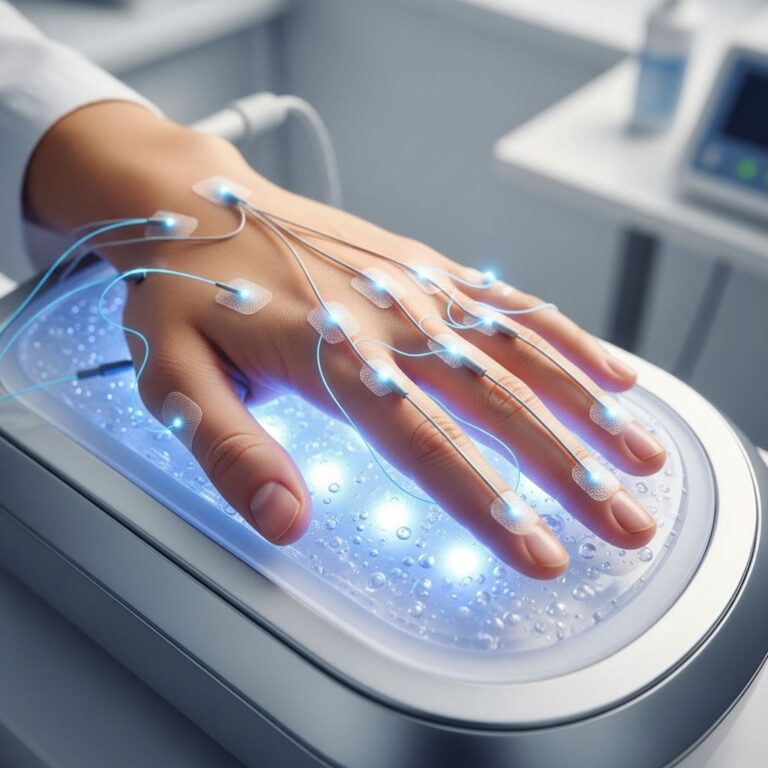
- Verapamil: This medicine appears to work by disrupting the scar tissue and preventing further scar tissue from forming. It may help improve pain too and is sometimes delivered through iontophoresis using electrical current.
- Interferon: This medicine seems to disrupt fibrous tissue formation and help break down existing fibrous tissue. Interferon has also been shown to ease penile pain in people with Peyronie’s disease.
- Steroid Injections: These are probably most effective during the initial formation of Peyronie’s plaque. Success is limited with mature plaques, and patients receiving this treatment are advised to abstain from sexual activity during treatment to minimize further trauma to the penis.
Chronic Phase Treatment
For the chronic phase of the disease, treatment choices include watchful waiting, in which your health care team watches your condition closely and gives treatment if symptoms become worse, injections or shots into the scar tissue, stretching devices or traction therapy, and surgery to straighten the penis. These treatments may be done alone or combined with one another.
Watchful Waiting: Many patients with stable, mild-to-moderate disease may benefit from observation without active intervention, particularly if symptoms are not significantly affecting quality of life or sexual function.
Surgical Correction: Surgery to straighten the penis is typically considered only after the disease has stabilized in the chronic phase and when nonsurgical treatments have proven insufficient. It’s important to note that surgical straightening may not restore the penis to its pre-disease appearance and function. Various surgical approaches exist, including plication procedures that fold excess tissue on the convex side of the curve and grafting techniques that replace diseased tissue.
Emerging and Experimental Treatments
Researchers continue to explore innovative treatments for Peyronie’s disease. Current experimental approaches include intense sound waves (extracorporeal shock wave therapy) to break up scar tissue, stem cell therapy, platelet-rich plasma injections, and radiation therapy. These therapies show promise in early studies but remain investigational with limited evidence on efficacy and safety profiles. Patients interested in experimental treatments should discuss risks and benefits thoroughly with their urologist.
Treatment Effectiveness and Outcomes
Treatment success varies among individuals and depends on disease phase, plaque characteristics, and treatment type. Early intervention generally produces better outcomes than delayed treatment. In studies of steroid injections, one investigation reported an 81 percent benefit to a moderate or greater degree, with 42 percent of patients achieving marked improvement. Another study of triamcinolone found that 33 percent of patients had complete recovery or marked improvement in symptoms during treatment.
It’s crucial to remember that your body is unique, and how it responds to Peyronie’s disease may differ from others. In mild cases, symptoms may improve without treatment. In more severe cases, symptoms may stay the same or gradually get worse. Importantly, even without treatment, symptoms may not be permanent, and the condition won’t physically affect other body systems or fertility.
Psychological Impact and Management
The psychological consequences of Peyronie’s disease often equal or exceed the physical impact. Men frequently experience depression, anxiety, reduced self-esteem, and relationship difficulties following diagnosis. The condition can significantly affect sexual confidence and intimate relationships. Professional psychological support, including counseling or therapy, can help men address these emotional challenges and develop coping strategies. Open communication with sexual partners about the condition and its management is also beneficial for maintaining intimate relationships.
Frequently Asked Questions
Q: Can Peyronie’s disease be prevented?
A: While complete prevention is not possible, minimizing penile trauma during sexual activity, maintaining overall cardiovascular health, and managing underlying connective tissue disorders may reduce risk. If you have a family history of the condition, discussing preventive strategies with your healthcare provider is advisable.
Q: Will Peyronie’s disease affect my ability to father children?
A: No, Peyronie’s disease does not affect fertility or the ability to have biological children. While sexual function may be temporarily impaired, once treated or stabilized, reproductive capability remains unchanged.
Q: How long does treatment typically take?
A: Treatment duration varies depending on the approach used. Traction therapy typically requires several months of consistent daily use. Injectable treatments may require multiple sessions over several months. Surgical outcomes are typically evident after the healing period, which can take 4-6 weeks.
Q: Can I have sexual intercourse while undergoing treatment?
A: This depends on the specific treatment. Men receiving steroid injections are typically advised to abstain from sexual activity for 24 hours after treatment. Patients undergoing other treatments should discuss sexual activity guidelines with their healthcare provider.
Q: Is Peyronie’s disease covered by insurance?
A: Most insurance plans cover diagnostic evaluation and established medical treatments for Peyronie’s disease when deemed medically necessary. Coverage of experimental or elective treatments may vary. Patients should verify coverage with their specific insurance provider.
When to Seek Medical Attention
Men should consult a urologist if they notice penile curvature, pain during erection, difficulty achieving or maintaining erections, or visible plaques on the penis. Early consultation allows for timely diagnosis and treatment initiation, which generally produces better outcomes. Additionally, men experiencing psychological distress related to penile symptoms should seek professional support promptly.
Living with Peyronie’s Disease
Many men successfully manage Peyronie’s disease through appropriate medical or surgical intervention combined with psychological support. Open communication with healthcare providers, sexual partners, and mental health professionals facilitates comprehensive care addressing both physical and emotional dimensions of the condition. While diagnosis of Peyronie’s disease can be distressing, numerous effective treatment options exist, and many men achieve significant symptom improvement and restored quality of life.
References
- Peyronie’s Disease — Diagnosis and Treatment — Mayo Clinic. 2024. https://www.mayoclinic.org/diseases-conditions/peyronies-disease/diagnosis-treatment/drc-20353473
- Peyronie’s Disease: Current Management — American Academy of Family Physicians. 1999. https://www.aafp.org/pubs/afp/issues/1999/0801/p549.html
- Penile Curvature (Peyronie’s Disease) — National Institute of Diabetes and Digestive and Kidney Diseases (NIDDK). 2024. https://www.niddk.nih.gov/health-information/urologic-diseases/penile-curvature-peyronies-disease
- Peyronie’s Disease — Symptoms and Causes — Mayo Clinic. 2024. https://www.mayoclinic.org/diseases-conditions/peyronies-disease/symptoms-causes/syc-20353468
- What is Peyronie’s Disease? Symptoms, Treatment, Diagnosis — UCLA Health. 2024. https://www.uclahealth.org/medical-services/urology/mens-clinic-ucla/peyronies-disease
- Peyronie’s Disease: Causes, Symptoms, Diagnosis & Treatment — Cleveland Clinic. 2024. https://my.clevelandclinic.org/health/diseases/10044-peyronies-disease
Similar Articles








Read full bio of medha deb