PFAPA Syndrome: Expert Guide To Symptoms, Diagnosis & Treatment
Understanding periodic fever, aphthous stomatitis, pharyngitis, and adenitis in children: symptoms, diagnosis, and management.
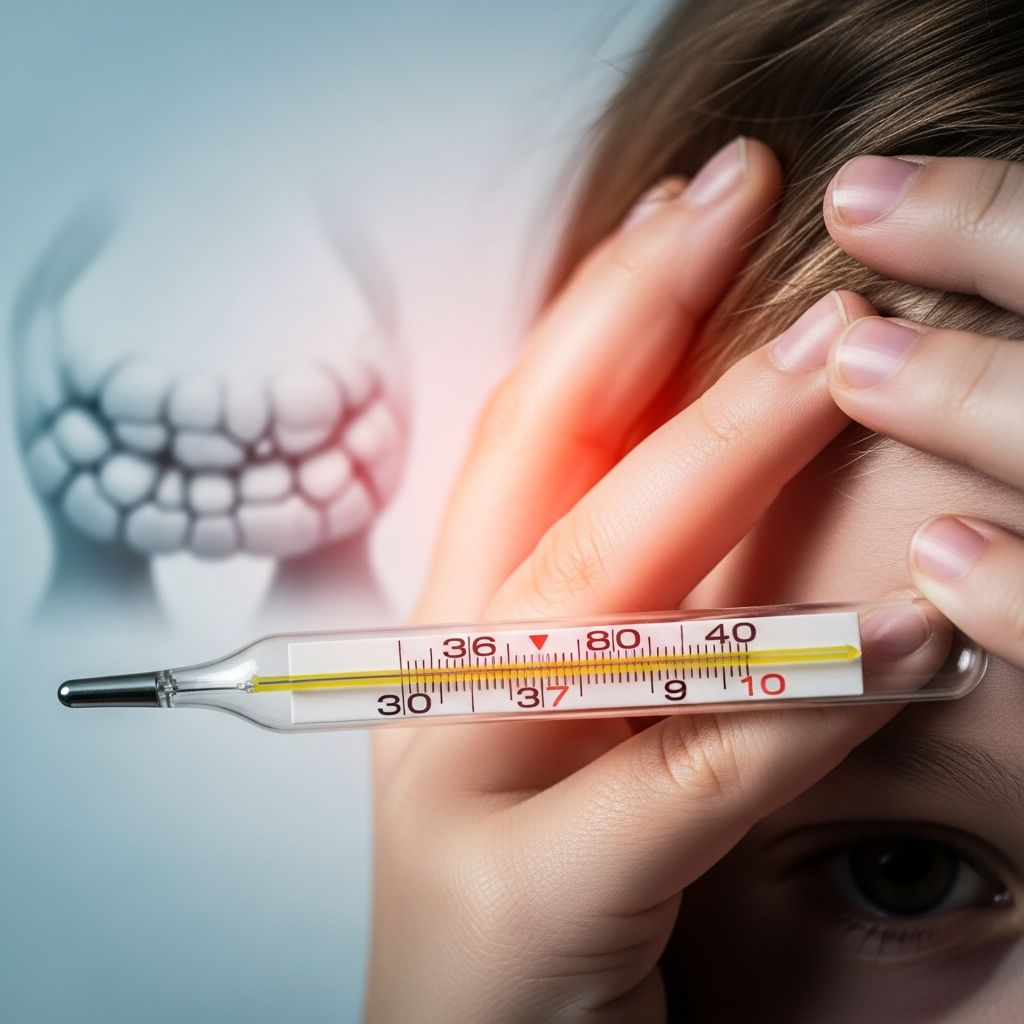
PFAPA syndrome is an autoinflammatory disorder characterised by recurrent episodes of periodic fever, aphthous stomatitis, pharyngitis, and cervical adenitis (PFAPA).
What is the summary of PFAPA syndrome?
PFAPA syndrome, standing for periodic fever, aphthous stomatitis, pharyngitis, and adenitis, represents the most common periodic fever syndrome in childhood, typically onset between ages 2 and 5 years. Episodes recur every 3–8 weeks, lasting 3–6 days, with high fevers (38.5–41°C) accompanied by at least one cardinal feature: painful mouth ulcers (aphthous stomatitis), sore throat (pharyngitis), or enlarged neck lymph nodes (adenitis). Children are well between flares, with normal growth and development. The condition often resolves spontaneously by school age or adolescence in most cases.
Who gets PFAPA syndrome (Epidemiology)?
PFAPA syndrome predominantly affects young children, with 90% of cases manifesting by age 5, usually starting between 2–5 years. It occurs equally in boys and girls and shows strong familial clustering, suggesting genetic predisposition. No ethnic predominance is noted, though HLA alleles and variants in genes like IL12A, CCR1-3, NLRP3, MEFV, and CARD8 are implicated in polygenic inheritance. Prevalence is estimated at 1–3 per 10,000 children, making it the leading cause of periodic fevers in pediatrics.
What causes PFAPA syndrome (Aetiology)?
The exact aetiology remains undefined, but evidence points to multifactorial origins involving dysregulated innate immunity and genetic factors. Key mechanisms include:
- Overactivation of the NLRP3 inflammasome, leading to excess IL-1β production during flares.
- Heightened CD4+ Th1 and Th17 lymphocyte responses, with elevated IL-12, IFNγ, and Th1 chemokines in blood and tonsils.
- Genetic variants reducing monocyte migration (e.g., CCR1), potentially weakening mucosal barriers and promoting ulcers.
- No single causative mutation; polygenic/oligogenic inheritance with familial aggregation.
Infections may trigger flares, but the periodic nature and response to non-infectious treatments suggest primary immune dysregulation.
What are the clinical features of PFAPA syndrome?
Episodes are stereotypical, starting abruptly with high fever and associated symptoms resolving completely between attacks.
Fever
The hallmark is high spiking fever (38.5–41°C) lasting 3–6 days, recurring every 21–28 days. Fever responds dramatically to a single dose of corticosteroids.
Aphthous stomatitis
Painful, shallow, round ulcers (3–10 mm) on oral mucosa, non-scarring, appearing in 65–85% of flares. Unlike herpetic lesions, no vesicles precede them.
Pharyngitis
Exudative tonsillitis or pharyngeal erythema in most episodes, with white patches on tonsils but negative throat swabs for bacteria.
Adenitis
Tender cervical lymphadenopathy, often anterior, in 65–85% of cases.
Skin involvement
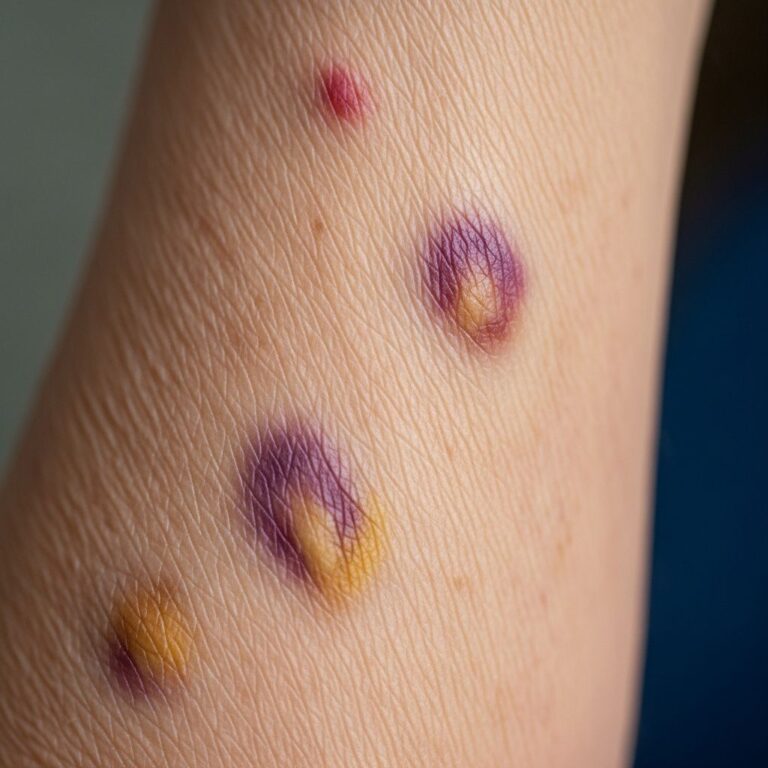
Rare, but occasional erythematous rash or urticaria may occur.
Other features
Common: fatigue, chills, headache, arthralgia. Less common: abdominal pain, nausea, vomiting, diarrhea, joint swelling. No chronic organ damage; normal growth.
How is PFAPA syndrome diagnosed?
Diagnosis is clinical, based on recurrent fevers plus aphthous stomatitis, pharyngitis, and/or adenitis, excluding cyclic neutropenia and other periodic fevers. Key criteria (Thomas et al.):
- Regular fevers with onset <5 years.
- Symptoms in ≥1 of: aphthous ulcers, pharyngitis, cervical adenitis.
- Exclusively symptomatic intervals <3 weeks.
- Normal growth, no immunodeficiency.
Laboratory: During flares – neutrophilia, elevated CRP/ESR, normal procalcitonin (distinguishes from bacterial infection); between flares – normal. Throat swabs negative. Bone marrow to exclude neutropenia if intervals irregular.
Related Stories



Differential diagnosis
| Condition | Distinguishing Features |
|---|---|
| Behçet’s disease | Genital ulcers, uveitis, skin lesions; adult onset. |
| FMF | Abdominal/chest pain, erysipelas-like rash, Mediterranean ancestry. |
| MKD/TRAPS | Longer episodes, rash, myalgia; genetic mutations. |
| Cyclic neutropenia | Mouth ulcers without fever/pharyngitis, neutropenia on blood count. |
| Herpangina/HSV | Vesicles, positive viral swabs. |
Treatment of PFAPA syndrome
Treatment is symptomatic or prophylactic; no cure, but most resolve spontaneously.
Single-dose corticosteroids
Prednisolone 1–2 mg/kg defervesces within hours; repeated use may increase frequency.
Prophylaxis
- Colchicine (0.5–1 mg/day): Reduces flare frequency by 50–90% via neutrophil inhibition.
- Cimetidine (H2-blocker): Immunomodulatory; variable efficacy.
Tonsillectomy ± adenoidectomy
Highly effective (80–90% resolution), especially with adenitis. Considered after failed medical therapy.
NSAIDs
Ibuprofen for mild symptoms.
Supportive care
Hydration, pain relief, monitor growth.
Complications of PFAPA syndrome
No long-term sequelae; impacts quality of life via school absences. Steroid overuse risks growth suppression, weight gain.
Prevention of PFAPA syndrome
Not preventable; genetic counselling if familial.
Prognosis and outcome of PFAPA syndrome
Excellent; 50–80% remit by age 10–12, 30% after 4–8 years. Persistent cases mild; no increased adult autoinflammatory risk.
Frequently Asked Questions (FAQs)
Q: Is PFAPA syndrome contagious?
A: No, it’s an autoinflammatory disorder, not infectious, despite pharyngitis-like features.
Q: Does PFAPA cause permanent damage?
A: No, children grow normally with no organ involvement.
Q: When should tonsillectomy be considered?
A: After failed prophylaxis, frequent flares impacting life.
Q: Can adults get PFAPA?
A: Very rare; typically childhood-onset.
Q: Is genetic testing needed?
A: Not routinely; for differentials like FMF.
References
- PFAPA syndrome — DermNet NZ. 2023. https://dermnetnz.org/topics/pfapa-syndrome
- Periodic fever, aphthous stomatitis, pharyngitis, and adenitis (PFAPA) syndrome — PMC (StatPearls). 2021-07-31. https://pmc.ncbi.nlm.nih.gov/articles/PMC8356195/
- PFAPA Syndrome — Merck Manual Professional Edition. 2024. https://www.merckmanuals.com/professional/pediatrics/hereditary-periodic-fever-syndromes/pfapa-syndrome
- PFAPA Syndrome — MSD Manual Professional Edition. 2024. https://www.msdmanuals.com/professional/pediatrics/hereditary-periodic-fever-syndromes/pfapa-syndrome
- PFAPA Syndrome — Nationwide Children’s Hospital. 2023. https://www.nationwidechildrens.org/conditions/health-library/pfapa-syndrome
- PFAPA syndrome: a review on treatment and outcome — PMC. 2016. https://pmc.ncbi.nlm.nih.gov/articles/PMC4924332/
- PFAPA syndrome: A practical review — MedCrave Online. 2018. https://medcraveonline.com/JOENTR/pfapa-syndrome-a-practical-review.html
Similar Articles








Read full bio of Sneha Tete