Phalen’s Test: Diagnosing Carpal Tunnel Syndrome
Learn how Phalen's test helps diagnose carpal tunnel syndrome through simple physical examination.

Phalen’s test, also known as Phalen’s maneuver or Phalen’s sign, is a noninvasive physical examination used to help diagnose carpal tunnel syndrome (CTS). This simple diagnostic procedure increases pressure within the carpal tunnel to determine whether the median nerve is being compressed. If you’re experiencing symptoms like tingling, numbness, or pain in your hand and fingers, your healthcare provider may recommend Phalen’s test as an initial step in the diagnostic process.
What Is Phalen’s Test?
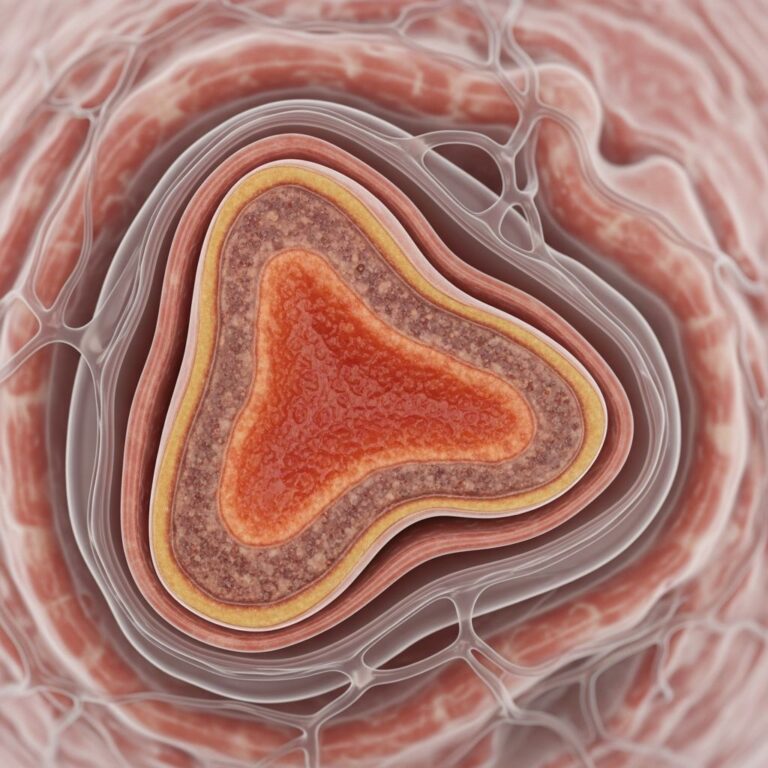
Phalen’s test is a straightforward physical examination that helps healthcare providers assess whether you have carpal tunnel syndrome. During the test, you’ll be asked to position your wrists in a specific way that temporarily increases pressure on the median nerve inside your carpal tunnel. The median nerve is responsible for providing sensation to your thumb, index finger, middle finger, and part of your ring finger.
The test is named after Dr. George S. Phalen, who developed this diagnostic technique decades ago. It remains one of the most commonly used screening tools for suspected carpal tunnel syndrome because it requires no special equipment and can be performed in any clinical setting.
Who Needs Phalen’s Test?
Your healthcare provider may recommend Phalen’s test if they suspect you have carpal tunnel syndrome based on your symptoms and medical history. You might be a candidate for this test if you experience:
- Tingling or numbness in your hand and fingers, particularly the thumb, index, and middle fingers
- Burning sensations in your wrist or hand
- Pain in or around your wrist that may extend into your arm
- Symptoms that worsen at night or with certain activities
- Weakness in your grip strength or difficulty holding objects
Carpal tunnel syndrome develops when there’s excessive pressure on the median nerve inside your wrist. This compression can occur due to various factors, including repetitive hand movements, wrist injuries, pregnancy, thyroid conditions, or rheumatoid arthritis. Since symptoms of carpal tunnel syndrome can resemble those of other conditions such as arthritis or nerve damage, Phalen’s test helps your healthcare provider differentiate between these conditions and confirm a CTS diagnosis.
How Phalen’s Test Is Performed
Phalen’s test is a simple procedure that takes only a few minutes to complete. Your healthcare provider will guide you through the following steps:
- Initial positioning: First, hold both of your wrists into forced flexion. This means bending your wrists downward as far as comfortably possible.
- Hand placement: Place the backs of your hands together in front of you. Your fingers should point downward toward the floor, creating an inverted “praying hands” position.
- Hold position: Maintain this position for approximately 30 to 60 seconds. Some providers may ask you to raise your elbows to chest level while holding your hands in this position.
- Monitor symptoms: During the test, pay attention to any symptoms you experience. Your healthcare provider may ask you every 15 seconds what sensations you’re feeling.
- Report results: After the test period ends, tell your provider about any symptoms you experienced, including tingling, numbness, burning, or pain.
Related Stories



This position significantly increases pressure within the carpal tunnel, which compresses the median nerve and may reproduce the symptoms you typically experience. The increased pressure helps your healthcare provider determine whether your symptoms are indeed caused by median nerve compression.
Understanding Phalen’s Test Results
Your healthcare provider will interpret your Phalen’s test results as either positive or negative based on whether the test reproduces your typical carpal tunnel symptoms.
Positive Phalen’s Test
A positive Phalen’s test means you experienced classic symptoms of carpal tunnel syndrome during the maneuver. Typical symptoms include:
- Tingling or numbness that extends through your index finger, middle finger, and thumb
- Burning sensations in the affected hand
- Paresthesia (abnormal sensations like “pins and needles”)
- Pain in your wrist or hand
- Symptoms that match those you normally experience
A positive result suggests that median nerve compression may be responsible for your symptoms and supports the diagnosis of carpal tunnel syndrome. However, it’s important to note that Phalen’s test alone isn’t definitive, and your healthcare provider will consider other factors and test results before confirming a diagnosis.
Negative Phalen’s Test
A negative Phalen’s test occurs when you experience no pain, tingling, numbness, or other symptoms during the entire test period, even if it’s maintained for several minutes. A negative result suggests that carpal tunnel syndrome may not be the cause of your symptoms, though other diagnostic tests might still be warranted.
Accuracy and Limitations of Phalen’s Test
While Phalen’s test is widely used as a screening tool, it’s important to understand its limitations. Research shows that the test has variable sensitivity and specificity levels across different studies. Studies have reported sensitivity ranging from 51% to 91% and specificity ranging from 33% to 88%. Some research indicates sensitivity around 77% with specificity around 40%, while other studies report different ranges.
These variations occur because not all individuals will draw their lumbricals (small hand muscles) into the carpal tunnel with this maneuver, which can affect test accuracy. Additionally, the pressure increase during standard Phalen’s test is relatively modest, averaging only about 4 millimeters of mercury compared to much higher pressure increases with alternative testing methods.
Because of these limitations, healthcare providers typically don’t rely solely on Phalen’s test for diagnosis. Instead, they use it as an adjunctive tool alongside other diagnostic methods to confirm carpal tunnel syndrome.
Reverse Phalen’s Test
The reverse Phalen’s test is an alternative version that may provide more accurate results in some cases. During this test, you maintain full wrist and finger extension for approximately two minutes instead of wrist flexion.
The reverse Phalen’s test significantly increases pressure in the carpal tunnel more dramatically than the standard version. Research shows pressure changes of approximately 34 millimeters of mercury at one minute and 42 millimeters of mercury at two minutes, compared to just 4 millimeters of mercury with the standard test. This substantially greater pressure change may make the reverse Phalen’s test more effective at reproducing symptoms and identifying carpal tunnel syndrome in some patients.
Alternative Diagnostic Tests for Carpal Tunnel Syndrome
If Phalen’s test results are inconclusive or if your healthcare provider wants to confirm the diagnosis, additional testing methods may be recommended:
Tinel’s Sign (Tinel’s Test)
During this test, your healthcare provider gently taps on the median nerve at your wrist. If you feel tingling in your fingers, the test is considered positive. Phalen’s maneuver is actually more sensitive than Tinel’s sign for detecting carpal tunnel syndrome.
Carpal Compression Test (Durkan’s Test)
Your doctor applies gentle pressure directly to your median nerve while your wrist is flexed. The purpose is to see whether symptoms develop after several seconds of pressure.
Nerve Conduction Study
This test uses electrical signals to measure whether nerve signals are slowed or blocked by a swollen carpal tunnel. It provides objective evidence of median nerve dysfunction and can help confirm carpal tunnel syndrome diagnosis.
Electromyography (EMG)
During electromyography, a healthcare provider uses a series of electrical signals to determine the presence of neuromuscular problems. This test can detect muscle damage caused by carpal tunnel syndrome.
Blood Tests
Your doctor may order blood tests to rule out other conditions that could cause similar symptoms, such as rheumatoid arthritis, diabetic neuropathy, or other autoimmune conditions that can damage nerves.
Imaging Studies
Ultrasound or MRI imaging may be used to visualize the carpal tunnel and median nerve, though these aren’t typically needed for standard carpal tunnel syndrome diagnosis.
What to Expect During Your Appointment
When you visit your healthcare provider for suspected carpal tunnel syndrome, they’ll typically begin with a thorough history and physical examination. During your appointment, your provider will:
- Ask about your symptoms and when they began
- Inquire about activities that worsen or improve your symptoms
- Perform a physical examination of your hands, wrists, and arms
- Test your grip strength and sensation
- Perform Phalen’s test and possibly other diagnostic maneuvers
- Discuss results and recommend next steps if needed
Wear comfortable, loose-fitting clothing to your appointment to allow easy access to your wrists and hands. If you’ve been experiencing symptoms primarily at night, mention this to your provider, as nighttime symptoms are common in carpal tunnel syndrome.
Frequently Asked Questions
How long does Phalen’s test take?
The actual test takes only 30 to 60 seconds to perform. Including the time your healthcare provider spends explaining the procedure and discussing your results, the entire process typically takes just a few minutes.
Is Phalen’s test painful?
Phalen’s test itself shouldn’t cause pain, though it may reproduce your existing carpal tunnel symptoms like tingling or numbness. If you experience pain during the test, inform your healthcare provider immediately.
Can Phalen’s test be done at home?
While you can perform the wrist positioning at home, an official Phalen’s test should be performed by a healthcare professional who can properly interpret your symptoms and results in context with your other clinical findings.
What if my Phalen’s test is negative but I still have symptoms?
A negative Phalen’s test doesn’t completely rule out carpal tunnel syndrome. Your healthcare provider may recommend additional tests like nerve conduction studies or electromyography to confirm or refute the diagnosis.
How accurate is Phalen’s test for diagnosing carpal tunnel syndrome?
Phalen’s test has variable accuracy, with sensitivity ranging from 51% to 91% and specificity from 33% to 88% across different studies. It’s most useful as one component of a comprehensive diagnostic evaluation rather than as a standalone test.
Is Phalen’s test suitable for everyone?
Phalen’s test is generally safe for most people, but you should inform your healthcare provider if you have recent wrist injuries, severe arthritis, or other conditions affecting your wrists that might make the test uncomfortable or impossible to perform.
What causes carpal tunnel syndrome?
Carpal tunnel syndrome can develop from various causes including repetitive wrist movements, wrist injuries, pregnancy, hypothyroidism, rheumatoid arthritis, diabetes, and other inflammatory conditions that cause swelling around the median nerve.
References
- Phalen’s Maneuver for Diagnosing Carpal Tunnel Syndrome — Healthline. 2024. https://www.healthline.com/health/phalens-maneuver
- Phalen Maneuver — Wikipedia. https://en.wikipedia.org/wiki/Phalen_maneuver
- Phalen Sign — LITFL (Life in the Fast Lane). https://litfl.com/phalen-sign/
- Phalen’s Test — Physiopedia. https://www.physio-pedia.com/Phalen%E2%80%99s_Test
- Positive Phalen Test (Concept Id: C0576714) — National Center for Biotechnology Information (NCBI). https://www.ncbi.nlm.nih.gov/medgen/660310
- Phalen’s Test: What to Expect and How It Works — Thomson Medical. 2024. https://www.thomsonmedical.com/blog/phalens-test-singapore
Similar Articles








Read full bio of Sneha Tete