Pharyngitis and Tonsillitis: Causes, Symptoms & Treatment
Complete guide to understanding pharyngitis and tonsillitis: symptoms, causes, diagnosis, and effective treatment options.
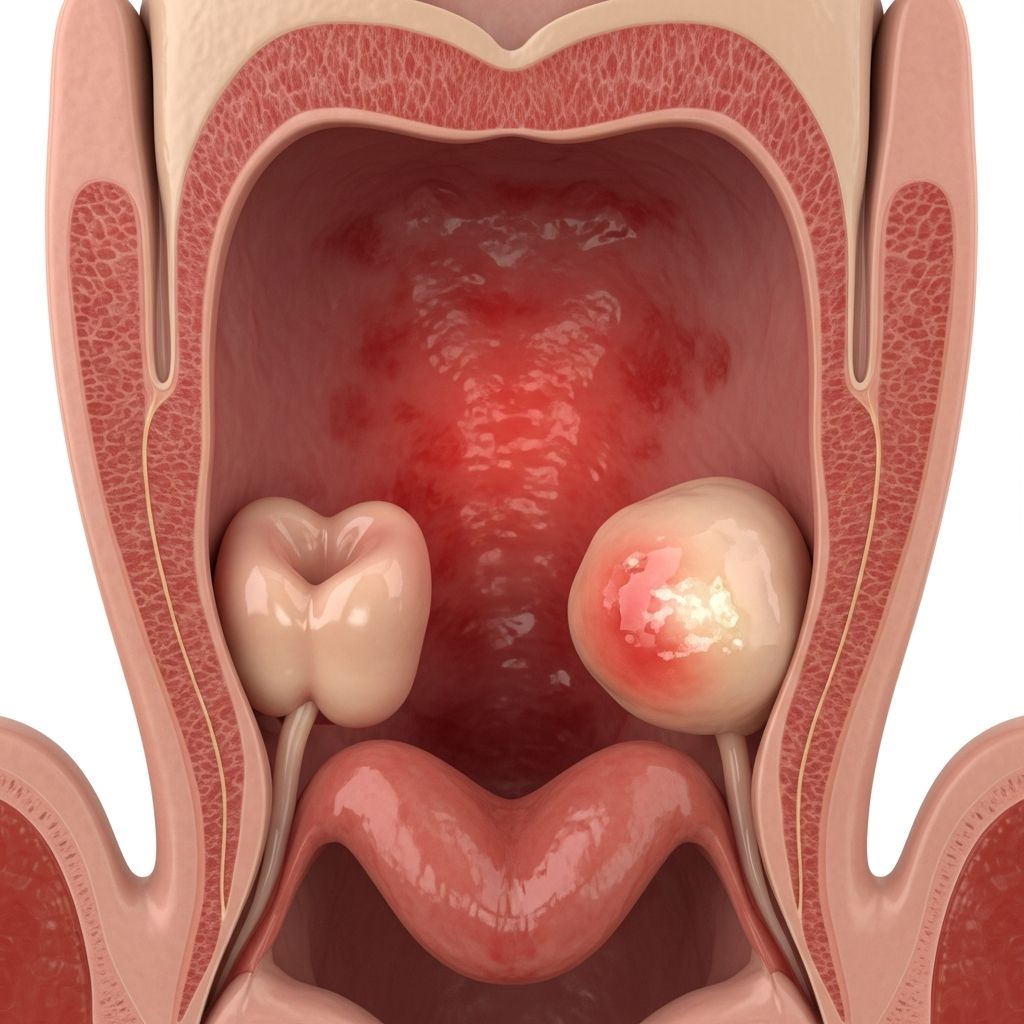
Understanding Pharyngitis and Tonsillitis
Pharyngitis and tonsillitis are common throat conditions that affect people of all ages, though they are particularly prevalent in children and young adults. Pharyngitis refers to inflammation of the pharynx—the back of the throat—while tonsillitis specifically involves inflammation of the palatine tonsils, which are lymphoid tissues located on either side of the throat. These conditions often occur together in a presentation known as pharyngotonsillitis, creating overlapping symptoms and requiring similar management approaches.
The pharynx and tonsils contain lymphoid tissue composed of white blood cells that form a crucial part of the body’s defense mechanism against viruses and bacteria entering through the nose or mouth. When these tissues become inflamed in response to infection or other irritants, the result is the characteristic discomfort and dysfunction associated with these conditions.
Symptoms of Pharyngitis and Tonsillitis
The symptoms of pharyngitis and tonsillitis can vary significantly depending on whether the infection is viral or bacterial, as well as the severity of the inflammation. Understanding these symptoms is essential for determining when medical attention is necessary.
Common Symptoms of Pharyngitis
Acute pharyngitis typically presents with milder symptoms compared to tonsillitis, though discomfort can still significantly impact daily functioning. The primary symptoms include:
– Sore throat or throat pain- Mild to moderate discomfort when swallowing- Possible low-grade fever- General malaise or mild fatigue
Symptoms of Tonsillitis
Tonsillitis tends to produce more severe symptoms, particularly when bacterial infection is involved. Patients with tonsillitis commonly experience:
– Severe sore throat with intense pain- Difficulty swallowing or odynophagia (painful swallowing)- High fever and chills- Referred pain to the ears- Voice changes due to inflammation of the larynx- Headache and body aches- Tender and enlarged lymph glands in the neck (cervical lymphadenopathy)- Red and swollen tonsils, often with white or yellow patches or exudates- Nausea and loss of appetite
In young children, symptoms may present differently. Infants and toddlers may refuse to eat or drink, which can be the first noticeable sign of tonsillitis. Additionally, some children may experience only fatigue or general malaise without prominent throat pain.
Causes and Risk Factors
Viral Causes
The majority of pharyngitis and tonsillitis cases are caused by viral infections. Viral causes account for approximately 70% of all cases and include:
– Common cold viruses (rhinovirus, coronavirus)- Influenza viruses- Adenovirus- Respiratory syncytial virus (RSV)- Parainfluenza virus- Epstein-Barr virus (causes infectious mononucleosis or “kissing disease”)- Herpes simplex virus- Cytomegalovirus
Viral infections are typically self-limiting and resolve within 7-10 days without specific antiviral treatment. Infectious mononucleosis, caused by the Epstein-Barr virus, deserves special mention as it commonly affects adolescents and young adults and is transmitted through saliva. It presents with severe sore throat, fever, enlarged cervical lymph nodes, fatigue, and potentially hepatomegaly (enlarged liver), splenomegaly (enlarged spleen), and hepatitis.
Related Stories



Bacterial Causes
Bacterial infections account for approximately 30% of pharyngitis and tonsillitis cases. The most common bacterial pathogens include:
– Group A beta-hemolytic streptococcus (GABHS) – the most frequent bacterial cause- Streptococcus pneumoniae- Staphylococcus aureus- Mycoplasma pneumoniae- Chlamydia pneumoniae- Rare causes: Fusobacterium, diphtheria, pertussis, syphilis, and gonorrhea
Streptococcal pharyngitis, commonly known as “strep throat,” is the most clinically significant bacterial cause. This infection typically presents with sudden onset of severe pain, tender lymph glands, and high spiking fever, but notably lacks upper respiratory symptoms like runny nose or nasal congestion—features that often distinguish it from viral infections.
Other Causes and Risk Factors
Beyond infectious causes, pharyngitis can develop from non-infectious sources:
– Allergic reactions (hay fever, allergies affecting the nasal passages)- Sinus infections causing postnasal drip- Environmental irritants (cigarette smoke, air pollution, chemical exposure)- Gastroesophageal reflux disease (GERD) causing stomach acids to irritate the throat- Fungal infections, such as oral candidiasis (yeast infection)- Traumatic injury to the throat- In rare cases, malignant conditions
School-age children face particular vulnerability to pharyngitis and tonsillitis due to close contact with peers in educational and childcare settings, where viruses and bacteria spread readily through respiratory droplets.
Diagnosis of Pharyngitis and Tonsillitis
Accurate diagnosis is crucial for determining appropriate treatment, particularly to distinguish between viral and bacterial infections. Healthcare providers employ several diagnostic methods:
Clinical Examination
The initial diagnostic step involves a thorough physical examination where the provider:
– Examines the ears, nose, and throat- Assesses the appearance and condition of the tonsils- Palpates the neck to evaluate lymph node size and tenderness- Takes the patient’s temperature- Evaluates for systemic symptoms
Laboratory Tests
To confirm bacterial infection and guide treatment decisions, several laboratory tests may be performed:
–
Rapid Strep Test
: This quick antigen detection test provides results within minutes and helps identify Group A Streptococcus infection. A positive result indicates strep throat requiring antibiotic treatment.-Throat Culture
: When a rapid strep test is negative but clinical suspicion remains high, a throat culture can be sent to the laboratory for growth and identification of bacteria over 24-48 hours.-Blood Tests
: Complete blood count (CBC) may be performed, particularly to evaluate for infectious mononucleosis, which typically shows atypical lymphocytes and may reveal thrombocytopenia (low platelet count).Treatment Approaches
Treatment for Viral Infections
Since most cases of pharyngitis and tonsillitis are viral in origin, treatment focuses on symptomatic relief and supportive care while the immune system clears the infection. Management strategies include:
–
Analgesics and Antipyretics
: Over-the-counter pain relievers such as acetaminophen or ibuprofen (NSAIDs) effectively manage pain and reduce fever. NSAIDs are particularly effective as systemic analgesics.-Hydration
: Maintaining adequate fluid intake is essential. Patients should drink water, warm tea, broth, or other soothing liquids.-Throat Lozenges and Hard Candies
: For older children and adults, throat lozenges or hard candies can provide temporary pain relief by increasing saliva production.-Cold Foods and Ice
: Consuming smooth, cool foods and ice-based treats can numb the throat and reduce inflammation.-Salt Water Gargles
: Gargling with warm salt water multiple times daily can soothe throat irritation.-Rest
: Adequate sleep supports immune function and accelerates recovery.-Topical Analgesics
: Throat sprays or topical anesthetics may provide additional relief.Treatment for Bacterial Infections
When bacterial infection, particularly streptococcal pharyngitis, is confirmed through rapid testing or culture, antibiotic therapy becomes essential. Antibiotics:
– Eliminate the bacterial infection- Reduce symptom duration- Prevent serious complications such as acute rheumatic fever, post-streptococcal glomerulonephritis, and abscess formation- Reduce transmission to others
Completing the full course of antibiotics as prescribed is critical, even if symptoms improve, to ensure complete eradication of the bacteria and prevent relapse or development of resistant strains.
Adjunctive Treatments
In some cases, healthcare providers may recommend additional interventions to accelerate symptom resolution:
–
Corticosteroids
: A single dose of corticosteroid (such as dexamethasone 10 mg intramuscularly) may help shorten symptom duration and reduce pain, allowing patients to resume normal eating and drinking.-Combined Approach
: For severe cases, combining antibiotics, supportive care, and corticosteroids may provide optimal outcomes.When to Seek Medical Attention
While many cases of pharyngitis resolve without medical intervention, certain situations warrant professional evaluation:
– Symptoms persist for more than 3-5 days- Severe throat pain interferes with swallowing or breathing- Difficulty opening the mouth- High fever (above 103°F or 39.4°C)- Signs of severe dehydration- Recurrent episodes affecting daily activities or quality of life- Symptoms suggesting complications such as airway obstruction or abscess formation- In immunocompromised individuals
Prevention and Management Tips
While it’s impossible to completely prevent pharyngitis and tonsillitis, several strategies can reduce transmission and support recovery:
– Practice good hand hygiene by washing hands frequently with soap and water- Avoid close contact with infected individuals- Do not share eating utensils, drinking glasses, or personal items- Cover mouth and nose when coughing or sneezing- Maintain adequate nutrition and hydration to support immune function- Avoid environmental irritants such as smoke and pollution- Get vaccinated against influenza and other preventable infections
Frequently Asked Questions
Q: How long does pharyngitis typically last?
A: Viral pharyngitis usually resolves within 7-10 days with supportive care. Bacterial infections treated with antibiotics typically improve within 24-48 hours of starting medication, though complete resolution may take several days.
Q: Is it necessary to take antibiotics for all sore throats?
A: No. Antibiotics are only necessary for bacterial infections, particularly strep throat. Viral sore throats require only supportive care. Taking unnecessary antibiotics can lead to antibiotic resistance.
Q: Can pharyngitis or tonsillitis be contagious?
A: Yes, both conditions are contagious, particularly during the first 24-48 hours of illness. Viral infections spread through respiratory droplets and remain contagious for several days. Strep throat remains contagious until 24 hours after starting antibiotics.
Q: When might tonsil removal be considered?
A: Tonsillectomy may be recommended for recurrent episodes of tonsillitis (typically 7 or more episodes per year) that significantly impact daily life and functioning, or for complications such as sleep apnea or airway obstruction.
Q: Are there home remedies that can help?
A: Yes. Supportive measures like throat lozenges, salt water gargles, adequate hydration, rest, and over-the-counter pain relievers provide symptom relief. However, these do not treat underlying bacterial infections.
Q: Can a child attend school with pharyngitis or tonsillitis?
A: Children with viral pharyngitis may return to school once fever resolves and they feel well enough to participate in activities. Children with strep throat should stay home until they have received 24 hours of antibiotic therapy.
References
- Acute Pharyngitis and Tonsillitis – Symptoms, Causes & Treatment — SingHealth. 2024. https://www.singhealth.com.sg/symptoms-treatments/acute-pharyngitis-tonsillitis
- Pharyngitis and Tonsillitis — Children’s National Hospital. 2024. https://www.childrensnational.org/get-care/health-library/pharyngitis-and-tonsillitis
- Tonsillopharyngitis (Tonsillitis; Pharyngitis) — Merck Manuals Professional Edition. 2024. https://www.merckmanuals.com/professional/ear-nose-and-throat-disorders/oral-and-pharyngeal-disorders/tonsillopharyngitis
- Tonsillitis: Symptoms, Causes & Treatment — Cleveland Clinic. 2024. https://my.clevelandclinic.org/health/diseases/21146-tonsillitis
- Tonsillitis – Symptoms & Causes — Mayo Clinic. 2024. https://www.mayoclinic.org/diseases-conditions/tonsillitis/symptoms-causes/syc-20378479
Similar Articles








Read full bio of Sneha Tete