Pharyngitis: Causes, Symptoms, and Treatment
Comprehensive guide to pharyngitis: understanding causes, symptoms, and effective treatment options.
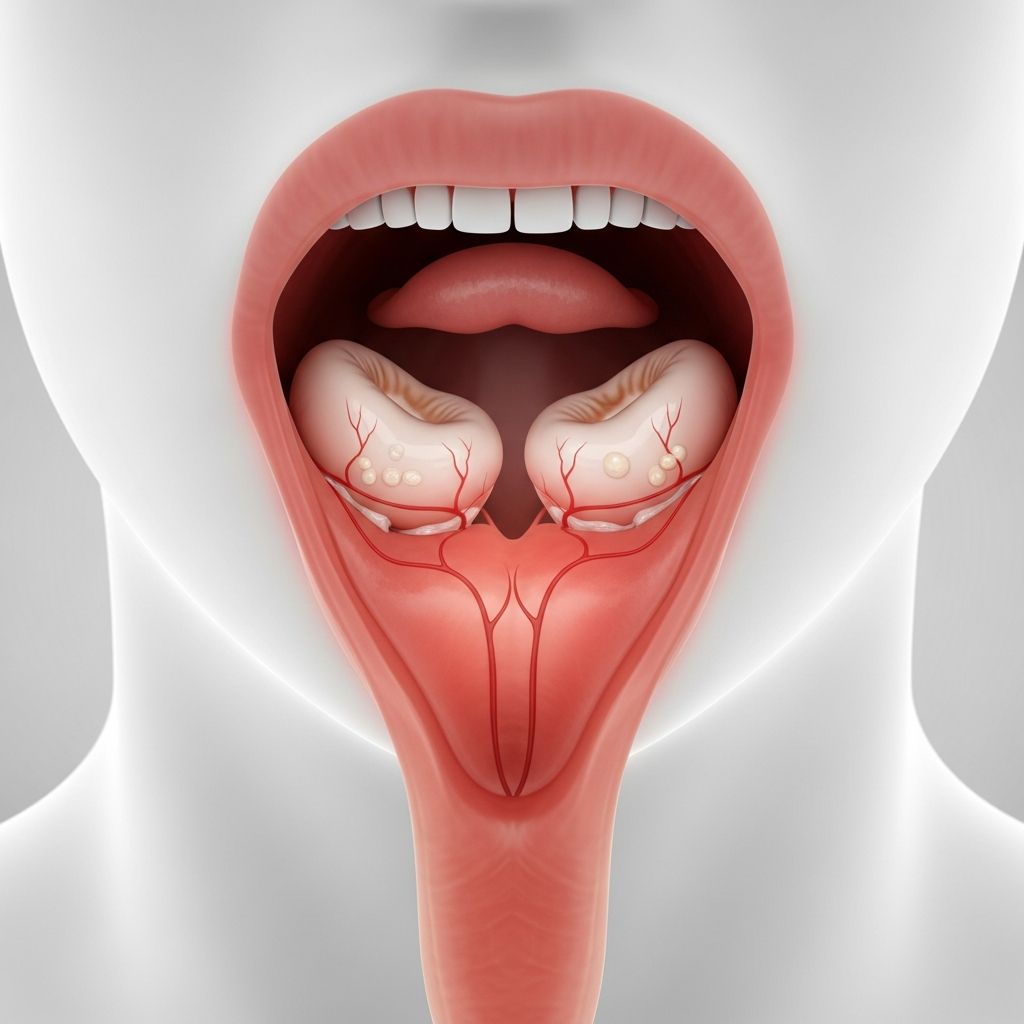
Understanding Pharyngitis: A Complete Guide
Pharyngitis, commonly known as a sore throat, is the inflammation of the mucous membranes that line the pharynx—the back of your throat. This condition is one of the most prevalent health complaints, affecting millions of people annually. While often uncomfortable, most cases of pharyngitis resolve without serious complications when managed appropriately. Understanding the causes, symptoms, and treatment options can help you manage this condition effectively and know when to seek medical attention.
What is Pharyngitis?
Pharyngitis refers to inflammation of the pharyngeal mucosa, the soft tissue lining the back of the throat. This inflammation can result from various causes, including infections, irritants, and environmental factors. The condition manifests as throat discomfort, scratchiness, pain, or difficulty swallowing. While many cases resolve independently, some require medical intervention to prevent complications and ensure proper recovery.
Causes of Pharyngitis
Viral Infections
Viral infections are responsible for approximately 50 to 80 percent of pharyngitis cases. Viral pharyngitis typically develops gradually and is often accompanied by cold-like symptoms. The most common viral pathogens include rhinoviruses, influenza viruses, adenoviruses, coronaviruses, and parainfluenza viruses. These viruses cause direct invasion of the pharyngeal mucosa, leading to inflammation and fluid secretion.
Common viral illnesses that cause sore throats include:
– Common cold viruses (rhinoviruses and adenoviruses)- Influenza (flu) virus- Epstein-Barr virus, which causes mononucleosis (mono)- Herpes simplex virus- Human immunodeficiency virus (HIV)- Coxsackievirus
Viral pharyngitis due to the common cold is the most frequent cause of sore throat and typically resolves without specific treatment. Most viral infections don’t respond to antibiotics, and treatment focuses on symptom relief while the immune system clears the infection.
Bacterial Infections
While less common than viral infections, bacterial pharyngitis requires prompt medical attention and antibiotic treatment. The most prevalent bacterial cause is group A streptococcus, which causes strep throat (streptococcal pharyngitis). More severe cases of pharyngitis tend to be bacterial in nature and may develop after an initial viral infection.
Less common bacterial causes include:
– Gonorrhea- Chlamydia- Corynebacterium
Bacterial infections can cause tonsillitis, especially in children, and require antibiotics to prevent serious complications such as rheumatic fever and acute kidney disease.
Other Causes
Beyond infections, pharyngitis can result from allergies, trauma to the throat, gastroesophageal reflux disease (GERD), exposure to irritants or toxins, dry air, and in rare cases, cancer. Environmental factors such as smoking, pollution, or prolonged voice use can also trigger inflammation of the pharyngeal mucosa.
Symptoms of Pharyngitis
Common Symptoms
The primary symptom of pharyngitis is throat discomfort, which may present as pain, scratchiness, or dryness, typically worsened by swallowing. Additional symptoms commonly associated with pharyngitis include:
Related Stories



– Difficulty or pain when swallowing- Sore throat- Runny nose- Cough- Sneezing- Headache- Fatigue- Body aches- Chills- Low-grade fever
Symptoms of Viral Pharyngitis
Viral pharyngitis often presents with additional upper respiratory symptoms. Patients may experience swelling and redness at the back of the throat, along with a cough, runny nose, tiredness, diarrhea, and conjunctivitis (red, sticky or watery eyes). These symptoms typically develop gradually and may persist for several days to a week.
Symptoms of Bacterial Pharyngitis
Bacterial pharyngitis, particularly strep throat, often presents with more severe symptoms. These include:
– Significant pain when swallowing- Difficulty swallowing- Red throat with white or gray patches- Visible white patches or pus on the back of the throat- Swollen and red tonsils- Tender, swollen neck lymph nodes- Fever- Chills- Severe headache- Abdominal pain- Nausea and vomiting- Loss of appetite- Unusual taste in the mouth- General malaise- Muscle pain or joint pain- Rash, which may indicate scarlet fever (scarlatina)
Symptoms Associated with Mononucleosis
Pharyngitis caused by the Epstein-Barr virus (infectious mononucleosis) presents distinct symptoms beyond typical sore throat complaints. These include:
– Swollen lymph nodes in the neck- Severe fatigue and overwhelming exhaustion- Fever- Muscle aches (myalgia)- General malaise- Loss of appetite- Rash- Abdominal pain, especially on the upper left side (due to spleen enlargement)- Tonsillar hypertrophy- Both anterior and posterior cervical lymphadenopathy
Infectious mononucleosis requires special attention regarding physical activity, as contact sports should be avoided for 6 to 8 weeks due to the risk of splenic rupture.
Diagnosis of Pharyngitis
Proper diagnosis is essential to determine whether pharyngitis is viral or bacterial, as this distinction guides treatment decisions. Healthcare providers typically perform a physical examination and may order diagnostic tests. A rapid antigen detection test (rapid strep test) or throat culture can confirm group A streptococcal infection. Blood tests may be ordered if mononucleosis is suspected. The healthcare provider will examine the throat for redness, swelling, and the presence of white patches or exudate.
When evaluating pharyngitis, providers consider symptom severity, fever patterns, the presence of lymph node swelling, and associated signs such as rashes. Clinical scoring systems help determine the likelihood of bacterial infection and guide treatment recommendations.
Treatment Options
Treatment for Viral Pharyngitis
Viral pharyngitis does not respond to antibiotics and typically clears on its own as the immune system eliminates the virus. Treatment focuses on symptom management and supportive care. Patients should be instructed that antibiotics are unnecessary, which helps reduce antibiotic resistance.
Over-the-counter medications can help manage symptoms:
– Acetaminophen or ibuprofen for pain and fever relief- Throat lozenges to soothe the throat- Ice or cold foods- Hard candy
Supportive home remedies that may accelerate recovery include:
– Getting plenty of rest- Staying hydrated to prevent dehydration- Using a humidifier to add moisture to the air- Gargling with salt water- Drinking warm beverages such as tea, lemon water, or broth- Changing toothbrushes to prevent reinfection
Treatment for Bacterial Pharyngitis
Bacterial pharyngitis, particularly strep throat, requires antibiotic treatment to eliminate the infection, reduce symptom severity, and prevent serious complications such as rheumatic fever and acute kidney disease. According to the Centers for Disease Control and Prevention (CDC), the most commonly prescribed antibiotics for strep throat are amoxicillin and penicillin.
Additional treatment options for Group A beta-hemolytic streptococcal pharyngitis include:
– Oral penicillin V- Cephalosporins- Macrolides- Clindamycin- Intramuscular penicillin
It is critical to complete the entire course of antibiotics, which typically lasts 7 to 10 days, even if symptoms improve earlier. Incomplete antibiotic courses increase the risk of infection recurrence or worsening, leading to complications.
Azithromycin and clarithromycin are not considered first-line antibiotics for strep throat due to potential resistance development during treatment.
Adjunctive Treatment
In addition to primary treatment approaches, single-dose corticosteroids such as dexamethasone may be administered to reduce symptom severity, although evidence supporting this approach remains limited. Symptomatic treatment with salt water gargles and acetaminophen or nonsteroidal anti-inflammatory drugs should be recommended for comfort. Healthcare providers should use caution in patients with severe dehydration.
When to See a Doctor
While many cases of pharyngitis resolve independently, certain symptoms warrant professional medical evaluation. You should contact your healthcare provider if you experience:
– Sore throat lasting more than one week- Sore throat persisting beyond 10 days- Fever greater than 100.4°F (38°C)- Swollen lymph nodes- Development of a new rash- Severe difficulty or pain when swallowing- Difficulty breathing- Inability to drink fluids- Inability to swallow secretions- Difficulty opening the mouth- Voice changes- Symptoms that do not improve after completing a full course of antibiotics- Symptoms that return after completing an antibiotic course
Immediate medical attention is necessary if you experience severe symptoms such as difficulty breathing, extreme difficulty swallowing, or inability to manage fluid intake.
Prevention of Pharyngitis
Reducing your chances of developing pharyngitis involves protecting yourself against common viral infections through preventive measures such as frequent handwashing, avoiding close contact with individuals who are ill, maintaining good hygiene practices, and staying up-to-date with vaccinations. During cold and flu season, additional precautions may be warranted. For individuals with strep throat, maintaining good personal hygiene and avoiding sharing personal items can help prevent transmission to others.
Prognosis and Outlook
Most cases of pharyngitis can be successfully treated at home with supportive care and, when necessary, antibiotics. The prognosis depends on the underlying cause and the timeliness of treatment. Viral pharyngitis typically resolves within one to two weeks, while bacterial pharyngitis responds well to appropriate antibiotic therapy. With proper treatment and management, complications are rare. However, untreated bacterial pharyngitis can lead to serious sequelae, making appropriate diagnosis and treatment essential.
Frequently Asked Questions
Q: How long does pharyngitis typically last?
A: Viral pharyngitis usually resolves within one to two weeks without specific treatment. Bacterial pharyngitis responds to antibiotics, with symptoms typically improving within three to five days of starting treatment.
Q: Is pharyngitis contagious?
A: Yes, both viral and bacterial pharyngitis are contagious. Viral pharyngitis spreads through respiratory droplets, while bacterial pharyngitis (strep throat) is also transmitted through direct contact or respiratory secretions. Individuals are typically contagious for several days.
Q: Can I prevent pharyngitis?
A: While you cannot prevent all cases, you can reduce your risk by practicing good hygiene, washing hands frequently, avoiding close contact with sick individuals, and maintaining overall health through proper nutrition and sleep.
Q: Should I take antibiotics for a sore throat?
A: Antibiotics should only be taken if you have bacterial pharyngitis, typically confirmed by a rapid strep test or throat culture. Viral pharyngitis does not respond to antibiotics, and unnecessary antibiotic use contributes to antibiotic resistance.
Q: What home remedies help soothe a sore throat?
A: Effective home remedies include resting, staying hydrated, using a humidifier, gargling with salt water, sucking on throat lozenges, consuming warm beverages, and taking over-the-counter pain relievers like acetaminophen or ibuprofen.
Q: Can pharyngitis lead to serious complications?
A: Untreated bacterial pharyngitis can lead to complications such as rheumatic fever, acute kidney disease, and abscess formation. This is why proper diagnosis and antibiotic treatment are essential for bacterial infections.
References
- Pharyngitis: Causes, Symptoms, and Diagnosis — Healthline. 2024. https://www.healthline.com/health/pharyngitis
- Pharyngitis: Causes, symptoms, and treatment — Medical News Today. 2024. https://www.medicalnewstoday.com/articles/324144
- Pharyngitis — StatPearls, NCBI Bookshelf, National Institutes of Health. 2024. https://www.ncbi.nlm.nih.gov/books/NBK519550/
- Sore throat (pharyngitis) – symptoms, treatments and causes — Healthdirect Australia. 2024. https://www.healthdirect.gov.au/sore-throat
- Sore Throat (Pharyngitis): Symptoms & Causes — NewYork-Presbyterian. 2024. https://www.nyp.org/primary-care/sore-throat-pharyngitis
- Centers for Disease Control and Prevention (CDC) – Strep Throat Information — CDC. 2024. https://www.cdc.gov/
- Sore Throat (Pharyngitis): Causes & Treatment — Cleveland Clinic. 2024. https://my.clevelandclinic.org/health/diseases/8274-sore-throat-pharyngitis
Similar Articles








Read full bio of Sneha Tete