Pharynx: A Guide To Anatomy, Function, And Health
Understand your pharynx: The vital passageway connecting breathing and digestion.
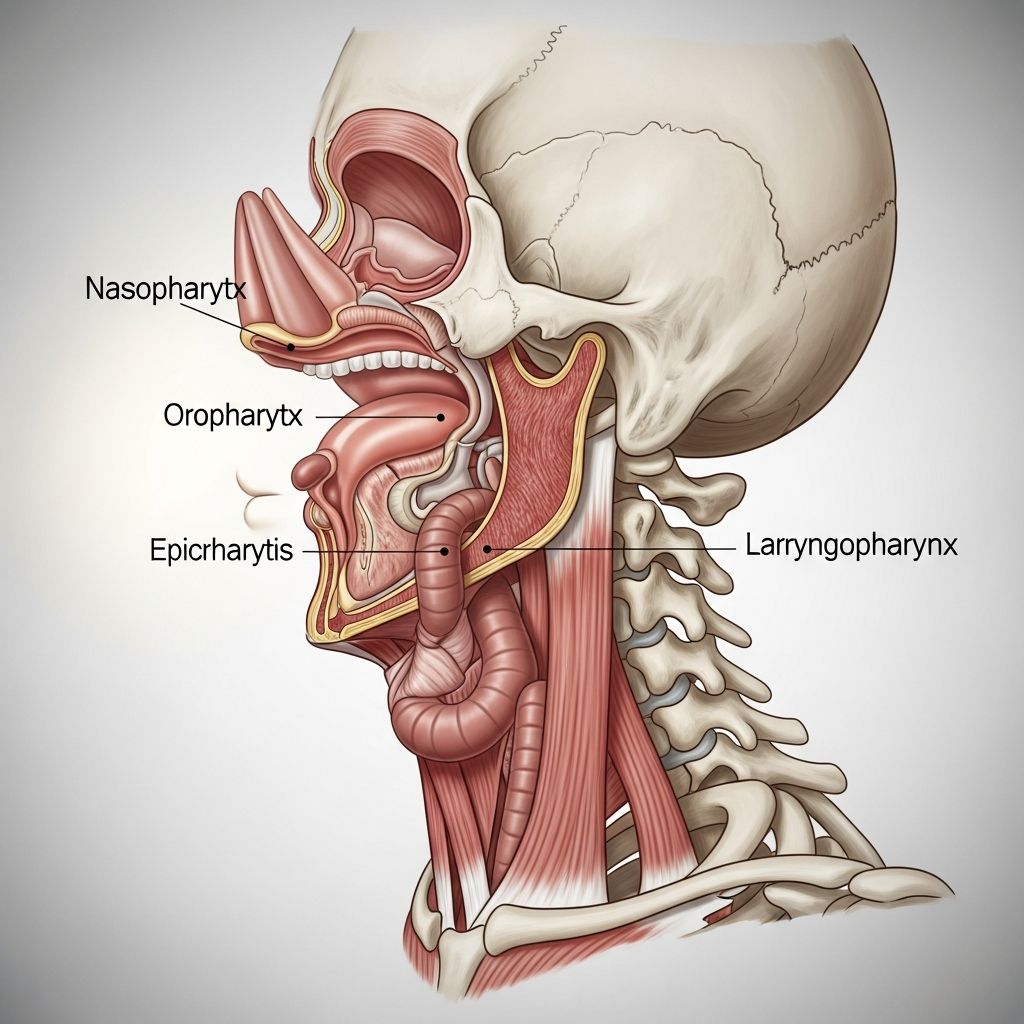
The pharynx, commonly referred to as the throat, is a crucial muscular passageway that serves as a vital connection point between your respiratory and digestive systems. This cone-shaped structure extends from the back of your nasal cavity down through your neck, eventually connecting to both the esophagus (food tube) and the larynx (voice box). Understanding the pharynx is essential for recognizing how your body processes both air and food, and for identifying potential health issues that may arise.
What Is the Pharynx?
The pharynx is a muscular tunnel approximately 5 inches long that plays a dual role in your body’s daily functions. It begins in the skull, positioned above the mouth, and stretches downward to the esophagus and trachea (windpipe). This structure is composed of thick fibers of muscle and connective tissue that attach firmly to the base of the skull and surrounding anatomical structures.
The walls of the pharynx contain both circular and longitudinal muscles, each serving distinct purposes. The circular muscles create constrictions that help propel food toward the esophagus while simultaneously preventing air from being accidentally swallowed. The longitudinal fibers work to lift the pharynx walls during the swallowing process, coordinating a complex series of muscular actions that occur multiple times daily.
The Three Regions of the Pharynx
The pharynx is divided into three distinct anatomical regions, each with specialized functions and characteristics:
Nasopharynx (Upper Pharynx)
The nasopharynx is the uppermost segment of the pharynx, located at the back of your nasal cavity and stretching down to the roof of your mouth. This region connects the nose directly to the rest of your respiratory system, creating the first major junction where air enters your airway. The nasopharynx contains adenoids, which are lymphatic tissues that help your immune system fight infection. Additionally, the eustachian tubes (auditory tubes) connect here, allowing equalization of air pressure between the middle ear and the atmosphere. When head colds inflame these tubes, they can cause earaches and hearing difficulties.
Oropharynx (Middle Pharynx)
The oropharynx is the middle segment that begins at the back of your mouth cavity and extends down to the epiglottis. This region serves as an important passageway between the nasopharynx, mouth, and laryngopharynx, allowing air, food, and fluids to pass through in controlled ways. The oropharynx contains the muscles necessary for swallowing and houses mechanisms that prevent food from entering the nasal cavity during eating. Triangular-shaped recesses in the walls of this region contain the palatine tonsils, two masses of lymphatic tissue prone to infection. The oropharynx also contains the base of the tongue and plays a crucial role in taste and speech production.
Related Stories



Laryngopharynx (Lower Pharynx)
The laryngopharynx, also called the hypopharynx, is the lowest segment of the pharynx, beginning at the epiglottis and extending down to the esophagus. This region’s primary function is to regulate the passage of air to the lungs while simultaneously channeling food and drink to the esophagus. The epiglottis, a flap of connective tissue, plays a critical role here by preventing food and water from entering the trachea during swallowing. The soft palate of the mouth rises to block the nasopharynx, ensuring that material stays out of the nose during this process.
Key Anatomical Structures
Several important structures are integrated within or connected to the pharynx:
Eustachian Tubes
The eustachian tubes, also known as auditory tubes, are small passages that connect your middle ear to the pharynx. These tubes allow air pressure on the eardrum to be equalized, maintaining comfortable hearing. During illness or congestion, these tubes can become inflamed, leading to ear discomfort and temporary hearing issues.
Tonsils and Adenoids
The pharynx contains multiple sets of lymphatic tissues designed to protect against infection. The palatine tonsils are located in the oropharynx, while the adenoids reside in the nasopharynx. These tissues act as part of your immune system, filtering out pathogens and helping your body fight infections. However, they can become enlarged or infected, causing health complications.
The Epiglottis
The epiglottis is a specialized flap of tissue that acts as a valve, directing air into the larynx and trachea while directing food into the esophagus. This structure is essential for safe swallowing and prevents aspiration, a condition where food or liquid enters the airway.
Primary Functions of the Pharynx
The pharynx serves multiple critical functions that are essential to daily survival and quality of life:
Respiratory Function
The pharynx is a key component of your upper airway, facilitating the passage of air from your nose or mouth to your lungs. Air enters through the nasopharynx after being filtered by nasal hairs and mucus, then travels through the laryngopharynx and into the trachea, eventually reaching your lungs where gas exchange occurs. This process occurs thousands of times daily without conscious effort.
Digestive Function
Beyond breathing, the pharynx plays an essential role in digestion by facilitating swallowing. Food and liquids pass from the mouth into the oropharynx and eventually down the esophagus through coordinated muscular contractions. The swallowing process begins as a voluntary action but continues involuntarily until the food bolus enters the esophagus.
Vocal Production
The pharynx contributes to sound production by serving as a resonating chamber for vocal vibrations created by the larynx. This resonance helps shape the quality and tone of your voice, allowing for clear speech and communication.
Immune Defense
With its lymphatic tissues including adenoids, tonsils, and other immune structures, the pharynx serves as an important barrier against infection. These tissues help filter out debris, dust, and germs from the air you breathe in, protecting your respiratory system from pathogenic invaders.
Pressure Equalization
The eustachian tubes connected to the nasopharynx allow for equalization of air pressure between your inner ear and the external environment. This function is crucial for comfortable hearing and maintaining balance.
Unique Anatomical Advantage
An important anatomical feature of the pharynx is the isthmus, the passage connecting the oral and nasal regions of the pharynx. This connection provides significant benefits to humans, allowing breathing through either the nose or the mouth. When medically necessary, this anatomical feature also allows food to be passed to the esophagus through nasal tubes, providing an alternative feeding route in certain medical situations.
Common Health Conditions Affecting the Pharynx
Various medical conditions can affect the pharynx and impact your health and quality of life:
Pharyngitis (Sore Throat)
Inflammation of the pharynx, commonly called a sore throat, is one of the most frequent pharyngeal conditions. This can result from viral or bacterial infections and typically presents with pain, difficulty swallowing, and sometimes fever.
Tonsillitis
When the palatine tonsils become infected or inflamed, the condition is known as tonsillitis. This can cause severe throat pain, swollen tonsils that may appear red or white, fever, and difficulty swallowing. Recurring cases may lead to surgical removal of the tonsils.
Pharyngeal Cancer
Cancer can develop in the pharyngeal tissues, ranging in severity depending on the location and stage at diagnosis. Risk factors include tobacco use, alcohol consumption, and certain viral infections. Early detection and treatment are crucial for improving outcomes.
Throat Paralyses
Various conditions can cause paralysis of the pharyngeal muscles, including complications from polio, diphtheria, rabies, or nervous-system injuries. These conditions affect the ability to swallow safely and breathe normally, potentially requiring medical intervention.
Enlarged Adenoids
Adenoid enlargement is common in children and can obstruct the nasopharynx, causing breathing difficulties, sleep problems, and recurrent ear infections. In severe cases, surgical removal may be recommended.
Eustachian Tube Dysfunction
When the eustachian tubes fail to open and close properly, it can lead to fluid accumulation in the middle ear, hearing loss, and ear discomfort. This is particularly common during or after upper respiratory infections.
When to Seek Medical Attention
Consult a healthcare provider if you experience persistent sore throat lasting more than a week, difficulty swallowing, chronic hoarseness, recurrent ear infections, or any breathing difficulties. These symptoms may indicate conditions requiring professional evaluation and treatment.
Frequently Asked Questions About the Pharynx
Q: What is the difference between the pharynx and the larynx?
A: The pharynx is the muscular tube connecting your mouth and nose to your esophagus and larynx, serving both respiratory and digestive functions. The larynx (voice box) is a specific structure within the lower pharynx that produces vocal sounds and prevents food from entering the windpipe.
Q: Can the pharynx heal on its own?
A: Many pharyngeal conditions, such as viral pharyngitis, resolve naturally as your immune system fights the infection. However, bacterial infections and other serious conditions typically require medical treatment. Rest, hydration, and throat lozenges can support healing for minor conditions.
Q: How does the pharynx prevent food from entering the lungs?
A: During swallowing, the epiglottis flap covers the entrance to the larynx and trachea, directing food down the esophagus instead. Simultaneously, the soft palate rises to block the nasopharynx, ensuring food doesn’t go up into the nose. This coordinated action is essential for safe swallowing.
Q: Why do ear infections sometimes occur with sore throats?
A: The eustachian tubes connect the middle ear to the nasopharynx. When a throat infection causes swelling and inflammation, it can obstruct these tubes, preventing proper drainage of fluid from the ear, leading to ear infections and discomfort.
Q: Is the pharynx part of the immune system?
A: While not technically part of the immune system, the pharynx contains important immune structures like tonsils and adenoids that help fight infection. These lymphatic tissues act as a first line of defense against pathogens entering through the respiratory and digestive tracts.
Q: Can breathing through your mouth instead of your nose damage the pharynx?
A: Chronic mouth breathing can potentially affect the pharynx and overall respiratory health. The nose naturally filters, warms, and humidifies air, while mouth breathing bypasses these protective mechanisms. However, the isthmus allows for flexibility in breathing routes when necessary.
Maintaining Pharyngeal Health
To maintain a healthy pharynx, practice good hygiene by washing your hands frequently to prevent infections. Stay hydrated to keep your throat tissues moist and functioning optimally. Avoid smoking and secondhand smoke exposure, as these can damage pharyngeal tissues and increase disease risk. If you experience persistent symptoms affecting your pharynx, consult a healthcare professional for proper evaluation and treatment.
Understanding your pharynx—this remarkable structure that quietly manages both your breathing and eating—helps you appreciate the complexity of your body and recognize when something might need medical attention. By maintaining awareness of pharyngeal health and seeking timely medical care when needed, you can support optimal functioning of this vital anatomical structure.
References
- Pharynx | Definition, Location, Function, Structure, & Facts — Britannica. 2024. https://www.britannica.com/science/pharynx
- Pharynx: Function, Location, Health Problems, and More — WebMD. 2024. https://www.webmd.com/oral-health/pharynx-what-to-know
- Pharynx | Research Starters – EBSCO — EBSCO. 2024. https://www.ebsco.com/research-starters/anatomy-and-physiology/pharynx
- Nasopharynx: What Is It, Function & Anatomy — Cleveland Clinic. 2024. https://my.clevelandclinic.org/health/body/22376-nasopharynx
- Larynx (Voice Box): Anatomy & Function — Cleveland Clinic. 2024. https://my.clevelandclinic.org/health/body/21872-larynx
Similar Articles








Read full bio of medha deb