Phenindione Essential Guide: Uses, Dosage, And Side Effects
Comprehensive guide to Phenindione, a vitamin K antagonist used for preventing and treating blood clots like DVT, PE, and stroke risk.
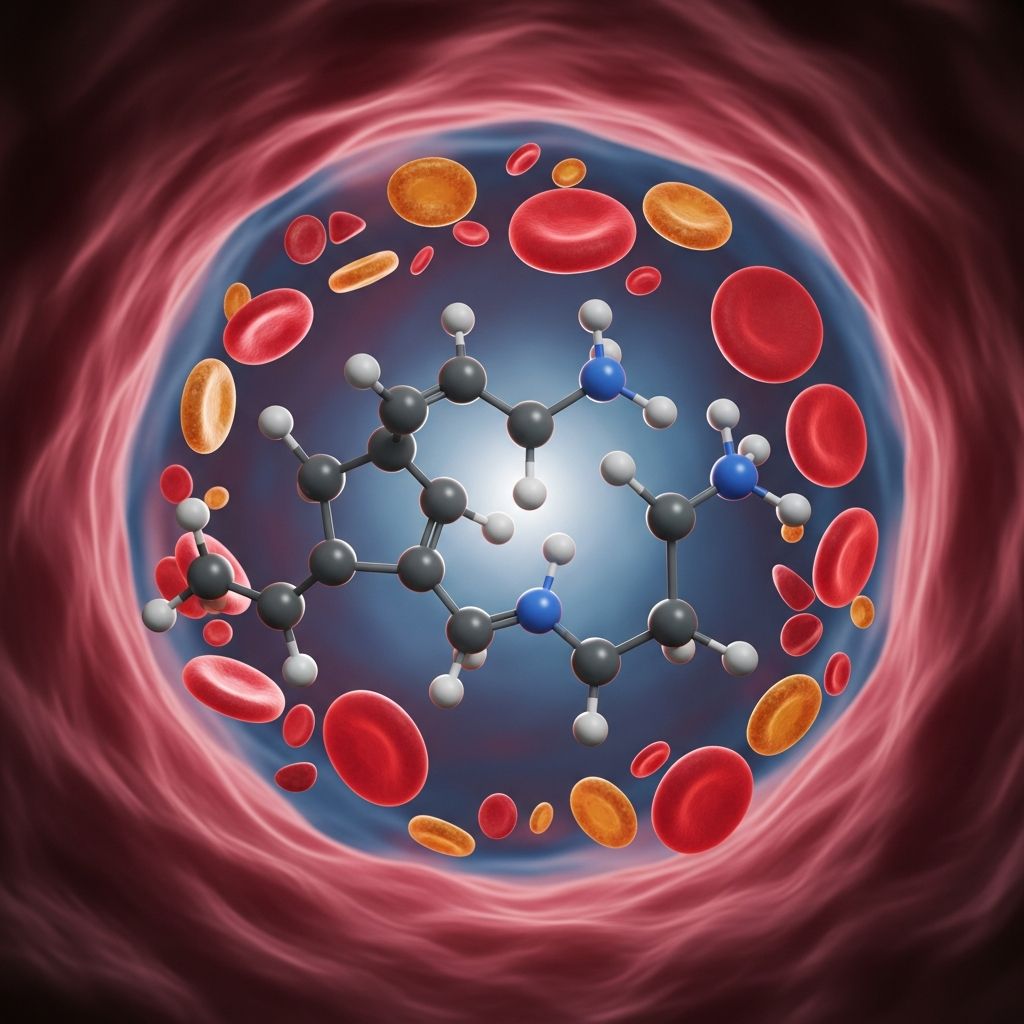
Phenindione is a vitamin K antagonist anticoagulant used to prevent and treat blood clots in conditions such as deep vein thrombosis (DVT), pulmonary embolism (PE), and stroke prevention in atrial fibrillation patients. It inhibits the synthesis of clotting factors II, VII, IX, and X in the liver, reducing the blood’s ability to clot and preventing harmful thrombus formation.
About phenindione tablets
Phenindione tablets, available in strengths like 10 mg and 25 mg, belong to the class of oral anticoagulants known as vitamin K antagonists. Similar to warfarin, phenindione is prescribed when blood thinning is essential to avert complications like stroke or DVT, particularly in patients who cannot tolerate other therapies. It requires strict medical supervision due to its narrow therapeutic index, necessitating regular blood tests to monitor International Normalized Ratio (INR) levels.
Though less commonly used today with the advent of direct oral anticoagulants (DOACs), phenindione remains relevant for specific cases, such as warfarin allergy or resistance. It is taken orally, typically once daily, with onset of action within 36-48 hours and duration up to 48-72 hours.
Key facts about phenindione
- Drug group: Vitamin K antagonist anticoagulant.
- Common brands: Dindevan (India and international), Phenindione tablets (10 mg, 25 mg).
- Available as: Oral tablets.
- Onset: 36-48 hours.
- Half-life: Approximately 48-72 hours.
- Is it a steroid? No, it is an anticoagulant.
- Can you overdose? Yes; overdose increases bleeding risk, requiring immediate medical attention.
When is phenindione prescribed?
Phenindione is indicated for prophylaxis and treatment of thromboembolic disorders. Key uses include:
- Prevention and treatment of deep vein thrombosis (DVT).
- Prophylaxis and treatment of pulmonary embolism (PE).
- Prevention of stroke in patients with atrial fibrillation or rheumatic heart disease.
- Prophylaxis after prosthetic heart valve insertion.
- Treatment of thromboembolism post-myocardial infarction, cerebral embolism, mural thrombosis, cardiomyopathy, and thrombophilia.
It is particularly useful for long-term anticoagulation when newer agents are unsuitable.
Dosage for phenindione
The dosage must be individualized based on INR monitoring, targeting a therapeutic range typically of 2.0-3.5 depending on the condition. General guidelines for adults:
| Day | Dosage |
|---|---|
| Day 1 | 200 mg (in 2 equal doses) |
| Day 2 | 100 mg |
| Day 3 onwards | Adjust based on INR; maintenance 50-150 mg daily (up to 200 mg in resistant patients, <50 mg in sensitive ones) |
Elderly patients may require dosage reduction. Initiate with heparin if urgent anticoagulation is needed. Monitor INR daily initially, then at longer intervals once stable. More frequent checks for high-risk patients (e.g., liver/renal impairment, hypertension).
How and when to take phenindione
Take phenindione exactly as prescribed, usually once daily at the same time. Swallow tablets whole with water, with or without food. Do not crush or chew. Consistent timing aids steady blood levels.
- Missed dose: Take as soon as remembered unless near next dose; do not double up.
- Overdose: Seek emergency help; symptoms include excessive bleeding, bruising.
Related Stories



Regular INR testing is crucial—often weekly initially, then monthly. Follow dietary instructions, as vitamin K-rich foods affect efficacy.
Common questions about phenindione
How long does phenindione take to work?
Onset is 36-48 hours; full effect may take days. Heparin bridges initial therapy for rapid action.
How long do I take phenindione for?
Duration varies: short-term (e.g., post-surgery DVT: 3-6 months) or lifelong (e.g., mechanical valves, recurrent clots). Follow doctor’s advice.
Does phenindione weaken bones?
No direct evidence like some anticoagulants; monitor bone health long-term.
Does phenindione affect blood pressure?
No; uncontrolled hypertension is a contraindication due to bleeding risk.
Can I take paracetamol while on phenindione?
Yes, in standard doses; avoid high doses or other NSAIDs without advice.
Using phenindione with other medicines and herbal supplements
Phenindione interacts widely via CYP enzymes and vitamin K antagonism:
- Increases bleeding risk: Aspirin, NSAIDs (ibuprofen), other anticoagulants, SSRIs, clopidogrel.
- Potentiates effect: Amiodarone, metronidazole, fluconazole, cranberry juice.
- Reduces effect: Rifampicin, carbamazepine, vitamin K supplements, high vitamin K foods (kale, spinach).
- Herbals: Avoid St. John’s wort, ginkgo, garlic, ginger in high doses.
Inform your doctor of all medications. Regular INR checks essential with changes.
Common side effects of phenindione
Most common is bleeding, ranging from minor (bruising, nosebleeds) to severe (gastrointestinal, intracranial). Other effects:
| Side Effect | Frequency | Management |
|---|---|---|
| Bleeding/bruising | Common | Monitor INR; vitamin K reversal if severe |
| Nausea, diarrhea | Common | Take with food |
| Skin necrosis (rare, protein C/S deficiency) | Rare | Stop drug; urgent review |
| Agranulocytosis (fever, sore throat) | Rare | Discontinue; blood tests |
| Hair loss | Uncommon | Usually reversible |
Report unusual bruising, blood in urine/stool, severe headaches.[10]
Serious side effects and allergic reactions
Seek immediate help for:
- Severe bleeding (vomiting blood, black stools, hematuria).
- Stroke signs (weakness, speech issues).
- Painful rash (necrosis).
- Fever, infections (agranulocytosis).
- Anaphylaxis (rash, swelling, breathing difficulty).
Phenindione carries agranulocytosis risk (label warning).[10]
Pregnancy, breastfeeding, and fertility while taking phenindione
Pregnancy: Contraindicated (teratogenic, fetal bleeding risk). Use effective contraception; alternatives preferred.
Breastfeeding: Avoid; passes into milk, potential infant anticoagulation.
Fertility: No known impact; discuss family planning.
Other medicines, food, and phenindione
Maintain consistent vitamin K intake. Limit alcohol. Avoid cranberry products. INR fluctuations demand dietary stability.
Alcohol and phenindione
Moderate alcohol ok; excess increases bleeding risk and affects liver metabolism. Limit to 1-2 units/day.
Driving and phenindione
No direct effect, but bleeding risks from injuries caution against hazardous activities. Inform DVLA if relevant.
Phenindione and operations, tests, and exams
Inform surgeons/anesthetists. Stop 3-5 days pre-surgery if INR <2.5 safe; bridge with heparin if high risk. Resume post-op when hemostasis achieved.
id=’diet-and-phenindione’>Diet and phenindione
Consistent vitamin K foods: moderate greens. Sudden changes alter INR.
Stopping phenindione
Never stop abruptly; risk rebound clotting. Taper under supervision.
Side effects of phenindione tablets – NHS
(Adapted: Bleeding primary; seek help for severe symptoms.)
How to cope with side effects of phenindione
- Bruising: Soft toothbrush, electric razor.
- Nausea: Small meals.
- Monitor for warnings.
Frequently Asked Questions (FAQs)
Q: What is Phenindione used for?
A: Prevention/treatment of DVT, PE, stroke in AF, post-valve prophylaxis.
Q: Is Phenindione safe long-term?
A: Yes, with monitoring; bleeding risk managed via INR.
Q: Alternatives to Phenindione?
A: Warfarin, DOACs (apixaban, rivaroxaban).
Q: Does Phenindione cause cancer?
A: No evidence.
Q: Phenindione vs Warfarin?
A: Similar mechanism; Phenindione for warfarin-intolerant.
References
- Phenindione – Uses, Benefits, Side Effects — Zeelab Pharmacy. 2023. https://zeelabpharmacy.com/generic-salt/phenindione
- Phenindione: Indications, Uses, Dosage — Medical Dialogues. 2024. https://medicaldialogues.in/generics/phenindione-2722219
- Phenindione – Indications, Dosage, Side Effects — Medindia. 2024. https://www.medindia.net/doctors/drug_information/phenindione.htm
- Phenindione: Uses, Interactions — DrugBank. 2024. https://go.drugbank.com/drugs/DB00498
- Pheninidone 10mg & 25mg tablets — Amco Limited (MHRA-approved PIL). 2023. https://media.mycme.com/documents/68/phenindione_prescribing_inform_16768.pdf
- Oral anticoagulant therapy — Cambridge University Hospitals NHS. 2024. https://www.cuh.nhs.uk/patient-information/oral-anticoagulant-therapy-with-warfarin-phenindione-or-acencoumarol/
Similar Articles








Read full bio of Sneha Tete