Phenylalanine: Benefits, Side Effects, Dosage
Discover phenylalanine's role in protein synthesis, neurotransmitter production, and mood regulation, plus risks for PKU patients.
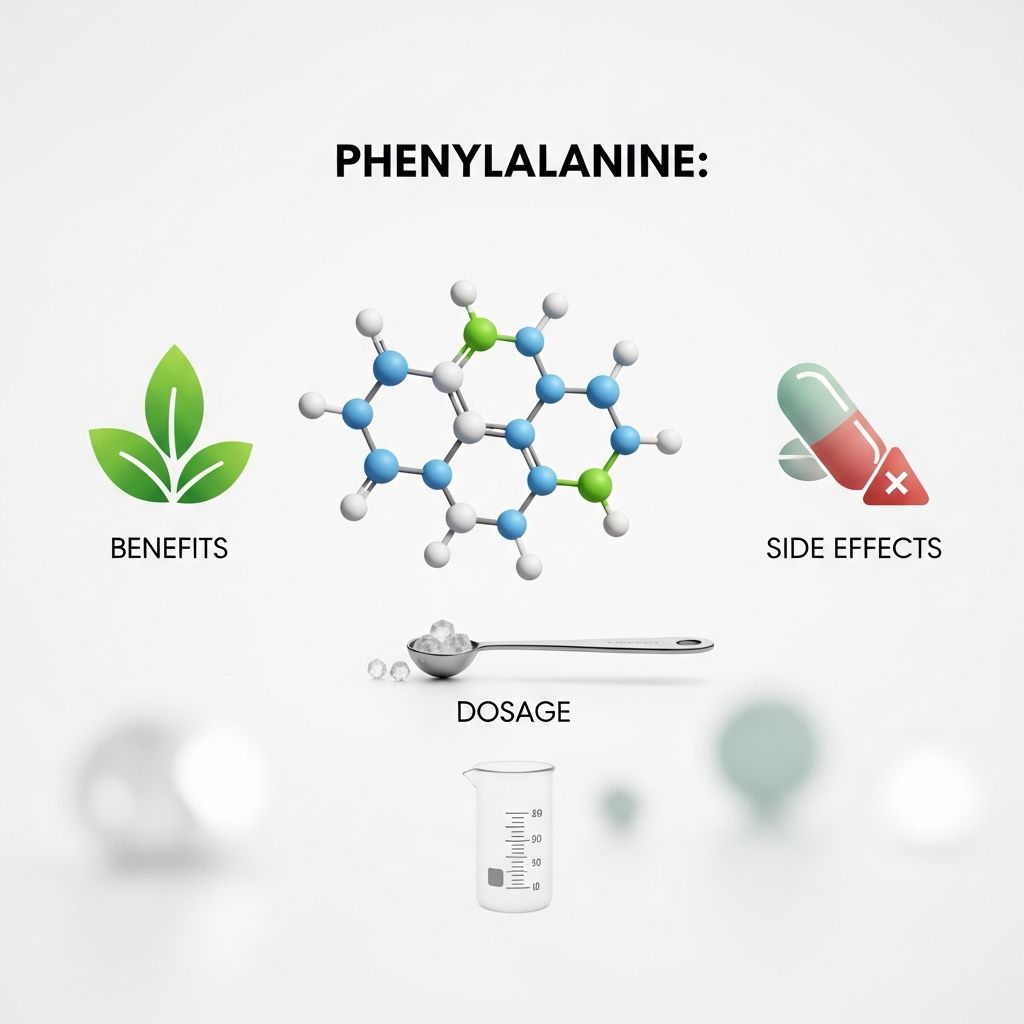
Phenylalanine is an
essential amino acid
that plays a critical role in protein synthesis, neurotransmitter production, and overall metabolic health. Found in high-protein foods and aspartame, it converts to tyrosine, supporting dopamine, norepinephrine, and thyroid hormones. While beneficial for most, it’s dangerous for those with phenylketonuria (PKU).What Is Phenylalanine?
Phenylalanine is one of nine essential amino acids the body cannot produce, requiring dietary intake. It exists in L-phenylalanine (natural form in proteins) and D-phenylalanine (synthetic, used in supplements). L-phenylalanine converts to tyrosine via phenylalanine hydroxylase, aiding synthesis of catecholamines like dopamine and norepinephrine, plus melanin and thyroid hormones.
Amino acids form proteins essential for muscles, enzymes, and hormones. Phenylalanine’s daily requirement is about 30-40 mg/kg body weight, met easily through diet. Deficiency is rare except in malnutrition.
Phenylalanine Benefits
Phenylalanine supports multiple functions:
- Neurotransmitter Production: Converts to tyrosine, then dopamine (mood, motivation), norepinephrine (alertness, memory), and epinephrine (stress response).
- Protein Synthesis: Building block for body proteins in muscles, organs, and blood.
- Mood Regulation: May alleviate depression via norepinephrine; studies show psychiatric symptom reduction with supplementation.
- Immune Support: Stimulates innate immunity, reduces inflammation, inhibits biofilms.
- Skin Health: Precursor to melanin; combined with UV therapy, treats vitiligo.
- Pain Management: D-phenylalanine may inhibit enkephalinase, prolonging pain relief.
Research links it to longevity via low-protein diet responses, though elevated plasma levels correlate with higher mortality risk.
Phenylalanine Side Effects
For healthy adults, phenylalanine from food is safe. Excess supplementation may cause:
- Gastrointestinal distress
- Headaches
- Anxiety or insomnia
High serum levels (>360 µmol/L) risk birth defects. In chronic kidney disease, elevated phenylalanine worsens progression. Low levels indicate malnutrition or kidney issues.
Who Should Not Take Phenylalanine?
**Phenylketonuria (PKU)** patients must strictly limit phenylalanine. PKU is a genetic disorder lacking phenylalanine hydroxylase, causing toxic buildup leading to intellectual disability, seizures, brain damage, and skin issues.
PKU newborns are screened; untreated, phenylalanine accumulates, harming the brain. Lifelong low-phenylalanine diet is essential, using special formulas.
Others cautious: pregnant women (high levels risk fetal defects), those with tardive dyskinesia.
Phenylalanine Foods and Dosage
Dietary Sources: High in protein foods.
| Food | Phenylalanine (mg/100g) |
|---|---|
| Chicken breast | 1,200 |
| Eggs | 600 |
| Soybeans | 2,000 |
| Beef | 1,100 |
| Salmon | 900 |
| Almonds | 1,000 |
Aspartame breaks down to phenylalanine; products warn “Contains Phenylalanine” for PKU.
Dosage: No RDA; 30-40 mg/kg/day sufficient. Supplements: 500-1,000 mg/day for mood/pain, but consult doctor. PKU patients: medical supervision.
Phenylalanine and PKU
PKU management: phenylalanine-restricted diet from infancy. Foods to avoid: high-protein (meat, dairy, nuts). Use low-phenylalanine formula, fruits, veggies, starches.
Monitored blood levels prevent complications. Adults may relax slightly but maintain control.
Frequently Asked Questions (FAQs)
What is phenylalanine?
An essential amino acid for proteins and neurotransmitters like dopamine.
Is phenylalanine safe?
Yes for most; dangerous for PKU.
What foods contain phenylalanine?
Meat, eggs, fish, soy, dairy, nuts.
Can phenylalanine help depression?
Possible via norepinephrine; limited evidence.
How do PKU patients manage phenylalanine?
Low-phenylalanine diet, formulas, monitoring.
Testing Phenylalanine Levels
Blood tests measure phenylalanine for PKU screening, monitoring. High: PKU, kidney disease. Low: malnutrition.
Urine tests detect amino acid imbalances.
References
- Phenylalanine | Rupa Health — Rupa Health. 2023. https://www.rupahealth.com/biomarkers/phenylalanine
- Phenylalanine: What it is, sources, benefits, and risks — Medical News Today. 2023-05-26. https://www.medicalnewstoday.com/articles/phenylalanine
- Phenylalanine: Benefits, Side Effects, and Food Sources — Healthline. 2023. https://www.healthline.com/nutrition/phenylalanine
- Phenylketonuria diet: Foods to include and avoid — Medical News Today. 2023. https://www.medicalnewstoday.com/articles/phenylketonuria-diet
- The role of phenylalanine and tyrosine in longevity — Aging-US. 2023. https://www.aging-us.com/article/206326/text
- Phenylalanine in diet soda: Is it harmful? — Mayo Clinic. 2023. https://www.mayoclinic.org/healthy-lifestyle/nutrition-and-healthy-eating/expert-answers/phenylalanine/faq-20058361
- Recommendations for the nutrition management of phenylalanine hydroxylase deficiency — PMC (NIH). 2014. https://pmc.ncbi.nlm.nih.gov/articles/PMC3918542/
Similar Articles








Read full bio of medha deb