Phenylketonuria (PKU): Symptoms, Causes & Treatment
Understanding phenylketonuria: causes, symptoms, diagnosis, and lifelong management strategies.
What Is Phenylketonuria (PKU)?
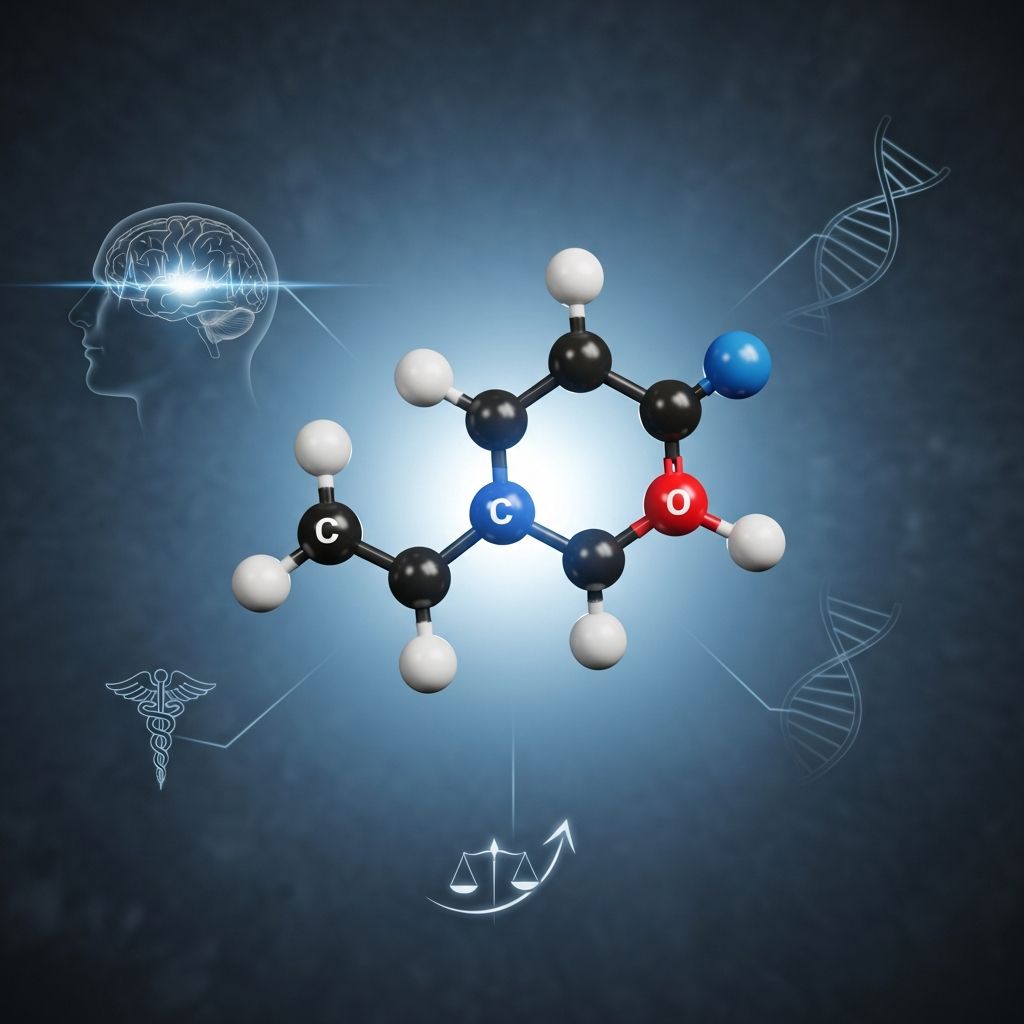
Phenylketonuria (PKU) is a rare genetic disorder that affects how the body processes the amino acid phenylalanine. Babies with PKU are born without the enzyme phenylalanine hydroxylase (PAH), which is needed to break down phenylalanine. Without this enzyme, phenylalanine builds up in the blood and can cause serious health problems, including brain damage and developmental delays.
Causes of Phenylketonuria
PKU is caused by a mutation in the PAH gene, which is responsible for producing the enzyme that breaks down phenylalanine. This mutation is inherited in an autosomal recessive pattern, meaning a child must inherit two copies of the mutated gene—one from each parent—to develop PKU. If both parents are carriers, there is a 25% chance with each pregnancy that their child will have PKU.
Types and Severity of PKU
The severity of PKU depends on the amount of functional PAH enzyme present:
- Classic PKU: The most severe form, where the enzyme is missing or severely reduced. This leads to very high levels of phenylalanine and a high risk of brain damage if untreated.
- Mild or Moderate PKU: Some enzyme activity remains, so phenylalanine levels are elevated but not as high. The risk of brain damage is lower, but dietary management is still necessary.
Symptoms of Phenylketonuria
Babies with PKU appear healthy at birth. Symptoms typically develop slowly over the first few months of life if the condition is not diagnosed and treated early. Common signs and symptoms include:
- Developmental delays
- Intellectual disability
- Seizures
- Behavioral problems (such as hyperactivity)
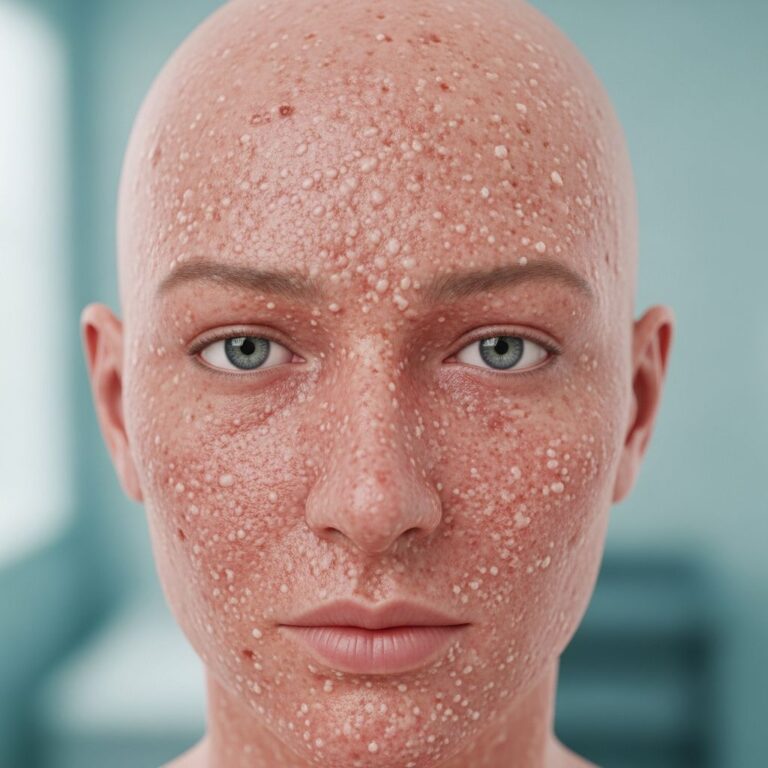
- Skin rashes
- Musty odor in breath, skin, or urine
- Microcephaly (small head size)
- Neurological problems due to myelin destruction
Diagnosis of Phenylketonuria
PKU is usually diagnosed through newborn screening, which is performed in hospitals shortly after birth. The test involves collecting a few drops of blood from the baby’s heel. This blood sample is tested for high levels of phenylalanine.
Newborn Screening Process
- The PKU test is part of routine newborn screening in the U.S. and many other countries.
- The test is typically done 24 to 72 hours after birth.
- If the initial test shows high phenylalanine levels, further confirmatory tests are performed.
- Normal phenylalanine levels are below 2 mg/dL. Abnormal levels are above 4 mg/dL.
Prenatal Diagnosis
Prenatal genetic testing can determine if a baby is at risk for PKU, especially if there is a family history of the condition. Genetic counseling is recommended for parents who are carriers or have a child with PKU.
Treatment of Phenylketonuria
There is no cure for PKU, but early diagnosis and lifelong treatment can prevent symptoms and complications. Treatment focuses on maintaining phenylalanine levels within a safe range.
Related Stories



Dietary Management
The cornerstone of PKU treatment is a strict, low-protein diet that limits phenylalanine intake. This diet must be followed for life to prevent symptoms from returning.
- Patients must avoid high-protein foods such as meat, dairy, eggs, and nuts.
- Low-protein foods, including most fruits, vegetables, and specially formulated low-protein products, are allowed.
- Phenylalanine-free medical formulas are essential for infants and children with PKU.
- Regular monitoring of phenylalanine levels is necessary to adjust the diet as needed.
- Supplements may be needed to prevent vitamin deficiencies, but they should be chosen carefully to avoid phenylalanine, aspartame, or milk powder.
Medications
In addition to dietary management, some patients may benefit from medication:
- Sapropterin (Kuvan): An FDA-approved drug that can help lower phenylalanine levels in some people with PKU. It does not work for everyone and is used in conjunction with the PKU diet.
- Pegvaliase (Palynziq): An injectable medication for adults with PKU that helps break down phenylalanine. It is used when dietary management alone is not sufficient.
Monitoring and Follow-Up
Regular monitoring of phenylalanine levels is crucial for effective PKU management. Blood tests are performed frequently, especially during infancy and childhood, to ensure levels remain within the target range. Adjustments to the diet or medication may be needed based on test results.
Pregnancy and PKU
Women with PKU must follow a strict PKU diet before and during pregnancy to prevent high phenylalanine levels from harming the developing baby. High phenylalanine levels during pregnancy can cause birth defects, developmental delays, and other complications in the child.
Lifestyle and Support
Living with PKU can be challenging, but support is available:
- Working with a dietitian who specializes in metabolic disorders can help plan meals and manage the diet.
- Joining a support group can provide emotional support and practical advice from others living with PKU.
- Staying informed about new treatments and research can help patients and families make informed decisions.
FAQs About Phenylketonuria
Q: Can PKU be cured?
A: There is no cure for PKU, but early diagnosis and lifelong treatment can prevent symptoms and complications.
Q: What foods should be avoided with PKU?
A: High-protein foods such as meat, dairy, eggs, and nuts should be avoided. Low-protein foods and specially formulated products are recommended.
Q: Is PKU inherited?
A: Yes, PKU is inherited in an autosomal recessive pattern. Both parents must be carriers for a child to have PKU.
Q: Can adults with PKU stop following the diet?
A: No, the PKU diet must be followed for life to prevent symptoms from returning.
Q: What are the risks of high phenylalanine levels during pregnancy?
A: High phenylalanine levels during pregnancy can cause birth defects, developmental delays, and other complications in the child.
References
- Phenylketonuria: Symptoms, Treatment, Diagnosis and Genetics — Medicover Genetics. 2023. https://medicover-genetics.com/phenylketonuria-symptoms-treatment-diagnosis-and-genetics/
- Phenylketonuria (PKU) Symptoms, Causes & Treatment — Cleveland Clinic. 2023. https://my.clevelandclinic.org/health/diseases/17816-phenylketonuria
- Phenylketonuria (PKU) – Symptoms and causes — Mayo Clinic. 2023. https://www.mayoclinic.org/diseases-conditions/phenylketonuria/symptoms-causes/syc-20376302
- Updated, web-based nutrition management guideline for PKU — PubMed. 2016. https://pubmed.ncbi.nlm.nih.gov/27211276/
- PKU Test/Screening: What To Expect — Cleveland Clinic. 2023. https://my.clevelandclinic.org/health/diagnostics/pku-test-screening
Similar Articles








Read full bio of medha deb