Phenytoin (Epanutin) For Epilepsy: Uses, Dosage & Side Effects
Comprehensive guide to Phenytoin (Epanutin) for epilepsy treatment, including uses, dosage, side effects, and patient advice.
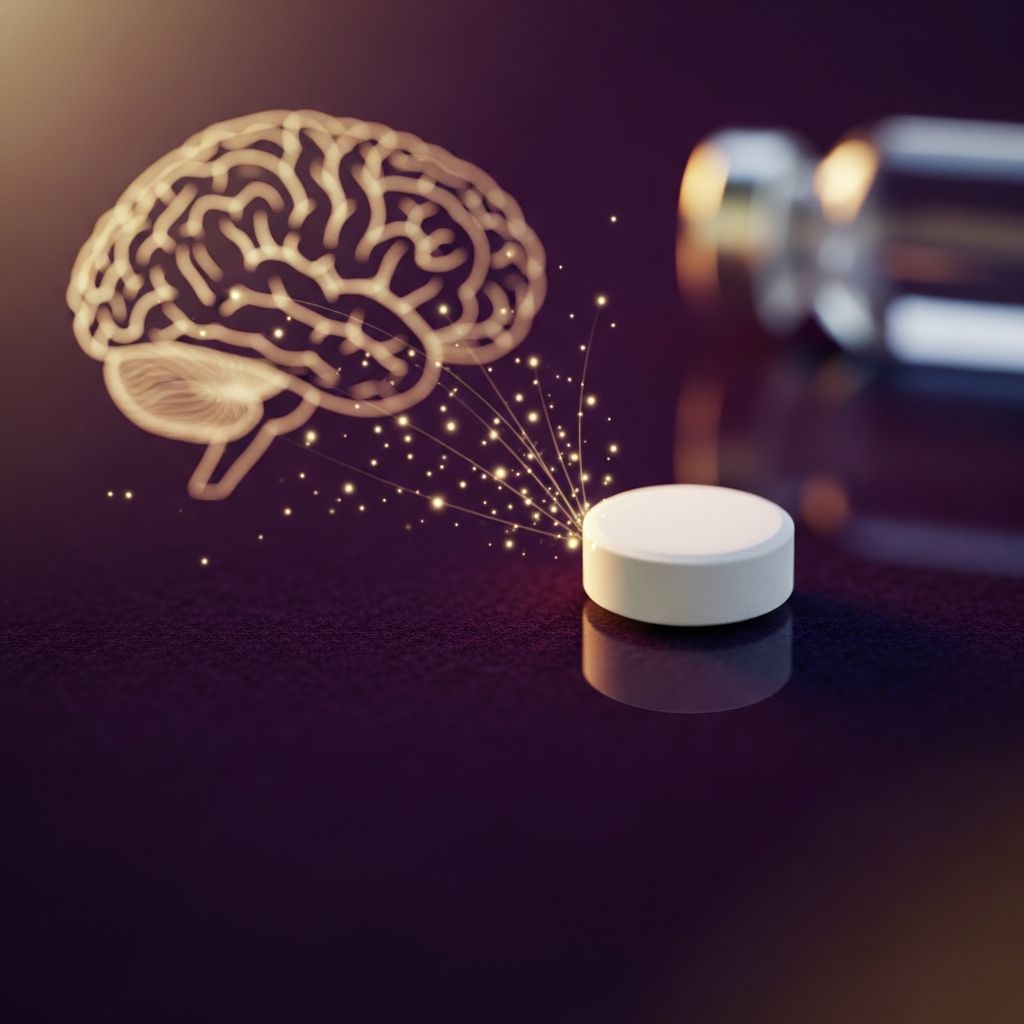
Phenytoin, also known by the brand name Epanutin, is an anticonvulsant medication primarily used to control certain types of seizures in people with epilepsy. It is particularly effective for generalized tonic-clonic (grand mal) seizures and complex partial (psychomotor or temporal lobe) seizures.
About phenytoin tablets/capsules
Phenytoin is available in several oral formulations, including chewable tablets, extended-release capsules, and oral suspension, allowing flexibility for different patient needs. The extended-release capsules, such as Epanutin, are commonly prescribed for once-daily dosing to maintain steady blood levels. This medication works by stabilizing neuronal membranes through blockade of voltage-dependent sodium channels, preventing the spread of seizure activity from its focal point in the brain.
Approved by the FDA in 1939, phenytoin remains a cornerstone in epilepsy management despite its narrow therapeutic index, which requires careful monitoring of blood levels to avoid toxicity. It is also indicated for preventing and treating seizures during or after neurosurgery.
Key facts about phenytoin
- Phenytoin is used to treat tonic-clonic (grand mal) and partial seizures.
- It typically takes 7-10 days to reach steady-state levels in healthy adults, though this varies by age and health conditions.
- Doses are usually taken once or twice daily with food to minimize stomach upset.
- Blood tests are essential to monitor levels, aiming for 10-20 mcg/mL for efficacy without toxicity.
- Sudden discontinuation can provoke status epilepticus, a life-threatening condition.
About epilepsy
Epilepsy is a chronic neurological disorder characterized by recurrent, unprovoked seizures due to abnormal electrical activity in the brain. It affects people of all ages, with tonic-clonic seizures involving loss of consciousness and convulsions, and partial seizures originating in one brain area, potentially spreading. Phenytoin targets the motor cortex to inhibit seizure spread, making it suitable for these seizure types but less effective for absence or myoclonic seizures.
Effective treatment reduces seizure frequency and improves quality of life. Studies show phenytoin is comparable to other first-line antiseizure drugs in newly diagnosed epilepsy, though individual responses vary.
How do I take phenytoin?
Follow your doctor’s instructions precisely. Swallow capsules whole with water, preferably with or after food to reduce nausea. Chewable tablets must be chewed thoroughly. Shake oral suspension well before measuring with a provided syringe or spoon.
Dosage: Initial adult dose is often 100 mg three times daily or 300 mg extended-release once daily, adjusted based on blood levels and response. Children and elderly may require lower doses due to slower metabolism. In emergencies like status epilepticus, intravenous loading is used under medical supervision.
| Patient Group | Initial Dose | Maintenance Dose |
|---|---|---|
| Adults | 100 mg 3x/day or 300 mg ER once daily | 300-400 mg/day, adjusted by levels |
| Children (6+ years) | 5 mg/kg/day | 4-8 mg/kg/day |
| Elderly | Lower initial dose, e.g., 3 mg/kg/day | Titrate slowly |
Never adjust doses yourself or stop abruptly. Missed doses should be taken as soon as remembered unless near the next dose.
When to take regular medicines for epilepsy
Consistency is crucial. Take phenytoin at the same time daily to maintain therapeutic levels. Use reminders like alarms or pill organizers. If traveling across time zones, consult your doctor for adjustments.
Essential seizure diaries
Keep a seizure diary noting date, time, duration, triggers, and witnesses. This helps track treatment efficacy and share with your healthcare provider for dose optimization. Apps or simple notebooks work well.
- Record aura or warning signs.
- Note post-seizure recovery time.
- Track medication adherence and side effects.
Related Stories



Common questions about phenytoin
How long does it take to work?
Steady-state effects occur in 7-10 days, but seizure control may take weeks. Blood tests guide adjustments.
Can I drive?
Regulations vary; in many places, you cannot drive until seizure-free for 6-12 months. Check local laws and inform your insurer.
Does it affect contraception?
Phenytoin induces liver enzymes, reducing efficacy of hormonal contraceptives. Use barrier methods or alternatives.
How does phenytoin work?
Phenytoin inhibits voltage-gated sodium channels in neurons, prolonging the inactive state and limiting repetitive firing that sustains seizures. It primarily acts on the motor cortex without significant sedation.
When will my epilepsy improve?
Improvement varies; some achieve control within weeks, others need combination therapy. Regular monitoring optimizes outcomes. If ineffective, alternatives like carbamazepine may be considered.
How much to take
Dosage is individualized via blood tests (therapeutic range: 10-20 mg/L). Overdose risks nystagmus, ataxia, and coma.
Who can and cannot take phenytoin
Can take: Most adults and children with tonic-clonic or partial seizures.
Cannot take:
- Allergic to phenytoin or hydantoins.
- History of phenytoin-induced liver issues.
- Acute intermittent porphyria.
- Sinus bradycardia or severe conduction defects (for IV use).
Pregnancy and breastfeeding
Phenytoin is Category D; it poses risks like fetal hydantoin syndrome (facial dysmorphism, growth issues). Use only if benefits outweigh risks, with folate supplementation. It passes into breast milk; monitor infant for sedation. Consult specialists.
Phenytoin and fertility
No direct impact on fertility, but control seizures for conception planning. Menstrual irregularities possible from enzyme induction.
Taking phenytoin with other medicines and herbal supplements
Phenytoin interacts widely via CYP450 induction, lowering levels of warfarin, oral contraceptives, carbamazepine, valproate, lamotrigine, etc.. Inform your doctor of all medications. Avoid St. John’s wort.
| Drug Class | Effect |
|---|---|
| Anticoagulants (e.g., warfarin) | Decreased efficacy |
| Hormonal contraceptives | Reduced effectiveness |
| Other AEDs (e.g., valproate) | Levels altered |
| Calcium channel blockers | Increased phenytoin levels |
Common side effects of phenytoin
Most are dose-related and reversible. Monitor blood levels.
- Gingival hyperplasia (30-40% long-term users; improve oral hygiene).
- Hirsutism, coarsened facies.
- Nystagmus, ataxia, dizziness at high doses.
- Nausea, rash.
Serious side effects of phenytoin
Seek immediate help for:
- Stevens-Johnson syndrome (severe rash).
- Liver toxicity (jaundice).
- Blood dyscrasias (bruising, infection).
- Lymphadenopathy.
What to do if you take too much
Overdose causes nystagmus, dysarthria, tremor, lethargy, coma. Call emergency services; treatment is supportive with activated charcoal or hemodialysis.
Frequently Asked Questions (FAQs)
Q: Can phenytoin cure epilepsy?
A: No, it controls seizures but does not cure epilepsy. Lifelong management may be needed.
Q: Is phenytoin safe for long-term use?
A: Yes, for most, with monitoring for side effects like gingival overgrowth.
Q: What if I forget a dose?
A: Take it as soon as possible unless near next dose; do not double up.
Q: Does alcohol interact with phenytoin?
A: Limit alcohol; it may increase side effects and lower seizure threshold.
Q: Can children take phenytoin?
A: Yes, dosed by weight; not for absence seizures.
References
- Phenytoin – Uses and Side Effects – Epilepsy Medication — Cure Epilepsy. 2023. https://www.cureepilepsy.org/understanding-epilepsy/treatments/epilepsy-medications/phenytoin/
- Phenytoin – StatPearls — NCBI Bookshelf / NIH. 2023-10-01. https://www.ncbi.nlm.nih.gov/books/NBK551520/
- Phenytoin Capsules IP – DILANTIN — Pfizer. 2023. https://labeling.pfizer.com/ShowLabeling.aspx?id=14823
- Phenytoin drug information — Cambridge University Hospitals NHS. 2023. https://www.cuh.nhs.uk/patient-information/phenytoin-drug-information/
- Phenytoin (oral route) — Mayo Clinic. 2023-11-01. https://www.mayoclinic.org/drugs-supplements/phenytoin-oral-route/description/drg-20072875
- Phenytoin — Epilepsy Foundation. 2023. https://www.epilepsy.com/tools-resources/seizure-medication-list/phenytoin
- Phenytoin Capsules: Uses, Interactions & Side Effects — Cleveland Clinic. 2023. https://my.clevelandclinic.org/health/drugs/20270-phenytoin-capsules
Similar Articles








Read full bio of Sneha Tete