Phenytoin Medication Guide: Uses, Dosing, Risks In 2025
Comprehensive overview of phenytoin for seizure control, including uses, dosing, risks, and patient guidance.
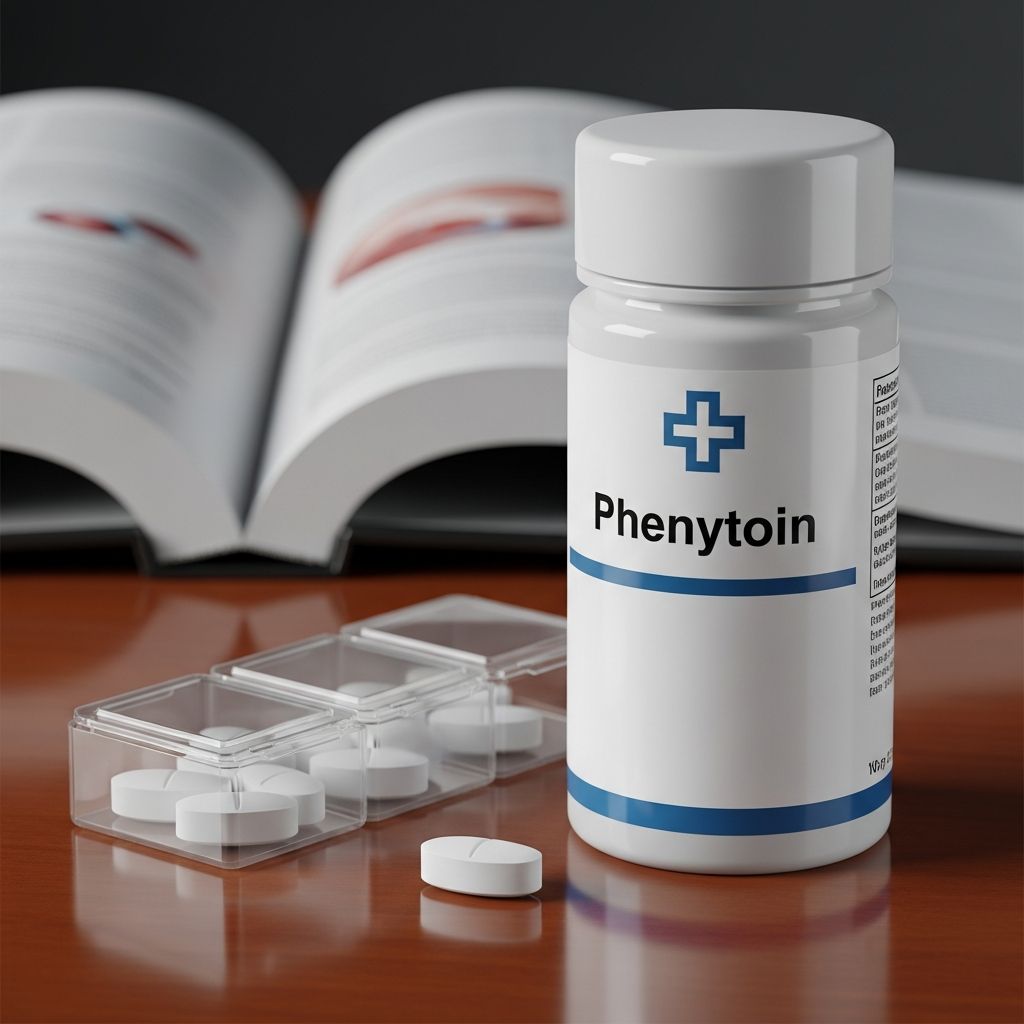
Phenytoin stands as a cornerstone in epilepsy management, primarily targeting tonic-clonic and partial seizures through its unique action on neuronal sodium channels. This guide delves into its therapeutic applications, pharmacological profile, administration strategies, potential risks, and essential patient considerations for effective and safe use.
Therapeutic Applications and Clinical Indications
Phenytoin is FDA-approved for controlling generalized tonic-clonic (grand mal) seizures and complex partial seizures, conditions where uncontrolled electrical activity in the brain leads to convulsions or altered consciousness. It also serves to prevent and manage seizures during or after neurosurgical procedures, including tonic-clonic status epilepticus when administered intravenously.
Beyond epilepsy, historical uses included antiarrhythmic effects and treatment of digoxin or tricyclic antidepressant toxicity, though these are now obsolete due to superior alternatives. In modern practice, its role remains focused on seizure disorders, particularly in acute settings via injectable forms like fosphenytoin, a prodrug that enhances solubility and reduces infusion-related cardiovascular risks.
Pharmacological Mechanism and Action
As a hydantoin derivative and first-generation anticonvulsant, phenytoin stabilizes neuronal membranes by blocking voltage-gated sodium channels. This inhibition limits the sustained high-frequency firing that propagates seizure activity, effectively containing focal epileptic discharges without broadly impairing normal neurological function.
Its narrow therapeutic index demands precise dosing, as levels fluctuate non-linearly with dose increases due to saturable metabolism. Therapeutic serum concentrations typically range from 10-20 mcg/mL, with toxicity emerging above 20 mcg/mL, manifesting as nystagmus, ataxia, or more severe neurotoxicity.
Available Formulations and Administration Methods
- Oral forms: Chewable tablets, extended-release capsules, and oral suspension for chronic management.
- Parenteral forms: Intravenous phenytoin or fosphenytoin for status epilepticus or perioperative seizure prophylaxis.
Infusion rates must not exceed 50 mg/min for IV phenytoin to avoid hypotension, bradycardia, or asystole, exacerbated by the propylene glycol vehicle acting as a cardiac depressant. Fosphenytoin allows faster administration up to 150 mg/min phenytoin equivalents.
| Formulation | Typical Use | Dosing Considerations |
|---|---|---|
| Extended-Release Capsules | Daily maintenance | 100-300 mg/day, adjust based on levels |
| Chewable Tablets/Suspension | Pediatric or initiation | 4-8 mg/kg/day divided doses |
| IV Phenytoin | Status epilepticus | 15-20 mg/kg load at ≤50 mg/min |
| IV Fosphenytoin | Acute settings | 15-20 mg PE/kg at 100-150 mg/min |
Dosing requires therapeutic drug monitoring due to zero-order kinetics, protein binding variations (especially in hypoalbuminemia), and genetic differences in CYP2C9/2C19 metabolism.
Common Adverse Effects and Management
Phenytoin commonly causes dose-related central nervous system effects like nystagmus, dizziness, drowsiness, ataxia, slurred speech, and confusion, often resolving with dose reduction or serum level checks.
Less common but bothersome effects include gingival hyperplasia (manage with oral hygiene), hirsutism, coarsening of facial features, and vitamin D deficiency leading to osteomalacia. Peripheral neuropathy and folate deficiency may occur with long-term use, warranting supplementation.
- Sleep disturbances: Insomnia or uncontrolled eye movements.
- Gastrointestinal: Constipation, nausea.
- Dermatological: Rash, acne, excessive hair growth.
Related Stories



Serious Risks and Warnings
Severe cutaneous adverse reactions (SCARs) such as Stevens-Johnson syndrome (SJS), toxic epidermal necrolysis (TEN), and drug reaction with eosinophilia and systemic symptoms (DRESS) pose life-threatening risks, particularly in genetically susceptible individuals (e.g., HLA-B*1502 in certain Asian populations). Immediate discontinuation is critical upon rash onset.
Hematologic toxicities include leukopenia, thrombocytopenia, and agranulocytosis. Hepatic injury, ranging from elevated enzymes to fulminant failure, and lymphadenopathy necessitate prompt evaluation of fever, rash, jaundice, or bruising.
Cardiovascular depression from rapid IV administration includes hypotension and arrhythmias. Psychiatric effects and suicidal ideation/behavior occur in about 1 in 500 patients on antiepileptics like phenytoin.
Pregnancy risks feature fetal hydantoin syndrome (11% prevalence), with craniofacial dysmorphisms, growth retardation, hypoplasia of distal phalanges, and cognitive impairments.
Drug Interactions and Contraindications
Phenytoin induces CYP enzymes (3A4, 2C9/19), accelerating metabolism of warfarin, oral contraceptives, steroids, and antiretrovirals, often requiring dose adjustments. Inhibitors like fluoxetine or cimetidine elevate phenytoin levels.
Calcium channel blockers (e.g., nifedipine) and delavirdine are contraindicated due to reduced efficacy or toxicity. Avoid in sinus bradycardia, SA/AV block, or Adams-Stokes syndrome without pacemaker.
Special Populations: Pregnancy, Pediatrics, and Elderly
Pregnant women face teratogenic risks; use only if benefits outweigh harms, with folate supplementation. Pediatric dosing is weight-based (4-8 mg/kg/day), monitoring growth. Elderly patients require lower doses due to reduced clearance and higher ataxia risk.
Monitoring and Laboratory Considerations
Regular serum phenytoin levels (free fraction in renal/hepatic impairment), CBC, liver function tests, and bone density assessments are essential. Adjust for albumin <3.5 g/dL using: Corrected level = Measured level / [(0.2 × albumin) + 0.1].
Overdose Management and Toxicity
Acute overdose causes nystagmus (20-30 mcg/mL), ataxia (30-40 mcg/mL), lethargy/coma (>50 mcg/mL). Oral toxicity is primarily neurologic; IV adds cardiovascular collapse. Treatment involves supportive care, activated charcoal, multidose if recent ingestion, and hemodialysis for severe cases (though poorly dialyzable).
Patient Education and Lifestyle Advice
- Maintain consistent dosing schedules; do not abruptly stop without medical advice to avoid rebound seizures.
- Avoid alcohol, which lowers seizure threshold and alters levels.
- Report new rashes, fever, bleeding, yellowing skin, or worsening seizures immediately.
- Use contraception; discuss pregnancy planning.
- Regular dental care for gingival overgrowth.
Frequently Asked Questions (FAQs)
What if I miss a dose of phenytoin?
Take it as soon as remembered unless near next dose; do not double up. Consult prescriber for breakthrough seizures.
Can phenytoin cause birth defects?
Yes, fetal hydantoin syndrome risks include facial anomalies and developmental delays; use effective birth control.
Is phenytoin safe for long-term use?
With monitoring, yes, but watch for bone health, folate status, and cumulative toxicities.
How does phenytoin interact with other medications?
It induces many drugs’ metabolism; inform providers of all therapies for level checks.
What are signs of phenytoin toxicity?
Nystagmus, dizziness, ataxia, slurred speech; seek urgent care.
References
- Phenytoin: Uses, Interactions, Mechanism of Action — DrugBank Online. 2023. https://go.drugbank.com/drugs/DB00252
- Phenytoin (oral route) — Mayo Clinic. 2024-02-01. https://www.mayoclinic.org/drugs-supplements/phenytoin-oral-route/description/drg-20072875
- Phenytoin — StatPearls, NCBI Bookshelf. 2023-07-17. https://www.ncbi.nlm.nih.gov/books/NBK551520/
- Phenytoin – Uses and Side Effects — Epilepsy Foundation. 2023. https://www.cureepilepsy.org/understanding-epilepsy/treatments/epilepsy-medications/phenytoin/
- Phenytoin Capsules — Cleveland Clinic. 2024. https://my.clevelandclinic.org/health/drugs/20270-phenytoin-capsules
Similar Articles








Read full bio of Sneha Tete