Phlebitis: Causes, Symptoms, and Treatment Options
Understanding phlebitis: inflammation, risk factors, and effective treatment strategies explained.
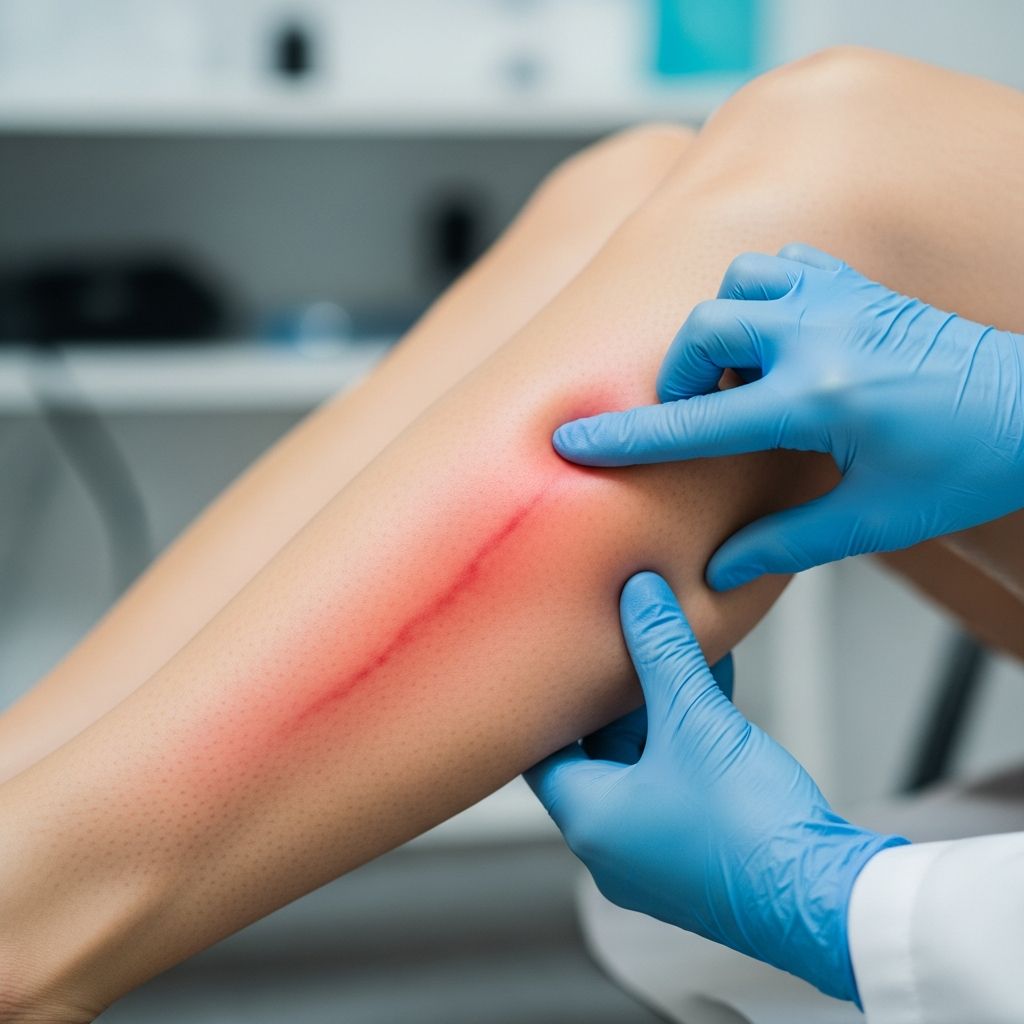
What Is Phlebitis?
Phlebitis is the inflammation of a vein that can occur when blood veins become inflamed due to a blood clot or damage to the vein walls. This common vascular condition often affects the lower leg but can also impact surface veins in the arms, penis, and breasts. The severity of phlebitis depends largely on whether it occurs in superficial veins near the skin or in deeper blood vessels within the body.
When phlebitis develops in veins near the skin surface, it is typically less serious and more treatable with conservative approaches. However, when inflammation occurs in deeper veins, the condition becomes more concerning and requires immediate medical attention. Understanding the distinction between these types is crucial for proper treatment and prevention of complications.
Types of Phlebitis
There are two primary classifications of phlebitis, each with different implications for patient care and outcomes:
Superficial Phlebitis
Superficial phlebitis occurs when inflammation develops in veins located near the surface of the skin, most commonly in the lower leg. This is the more prevalent form of phlebitis and typically presents with visible symptoms including lumps under the skin, swelling, and localized pain. The good news is that superficial phlebitis often resolves on its own once the blood clot dissipates, and healthcare professionals generally do not consider it a serious condition. Many cases respond well to at-home treatments and over-the-counter medications, allowing patients to manage symptoms without hospitalization.
Deep Vein Phlebitis (Deep Vein Thrombosis)
Deep vein phlebitis, also known as deep vein thrombosis (DVT), affects veins located deeper within the body. This form is considerably more serious because if a blood clot develops and breaks away, it can circulate through the bloodstream and cause a pulmonary embolism (PE) or other life-threatening complications. Deep vein phlebitis may sometimes occur without noticeable symptoms, making it particularly dangerous. When symptoms do appear, they require immediate medical evaluation and treatment, often involving prescription medications, anticoagulants, or hospitalization.
Symptoms of Phlebitis
Recognizing the symptoms of phlebitis is essential for early detection and treatment. While symptoms typically appear in the lower leg, they can manifest in various locations depending on which veins are affected.
Common Symptoms
The following symptoms may indicate phlebitis:
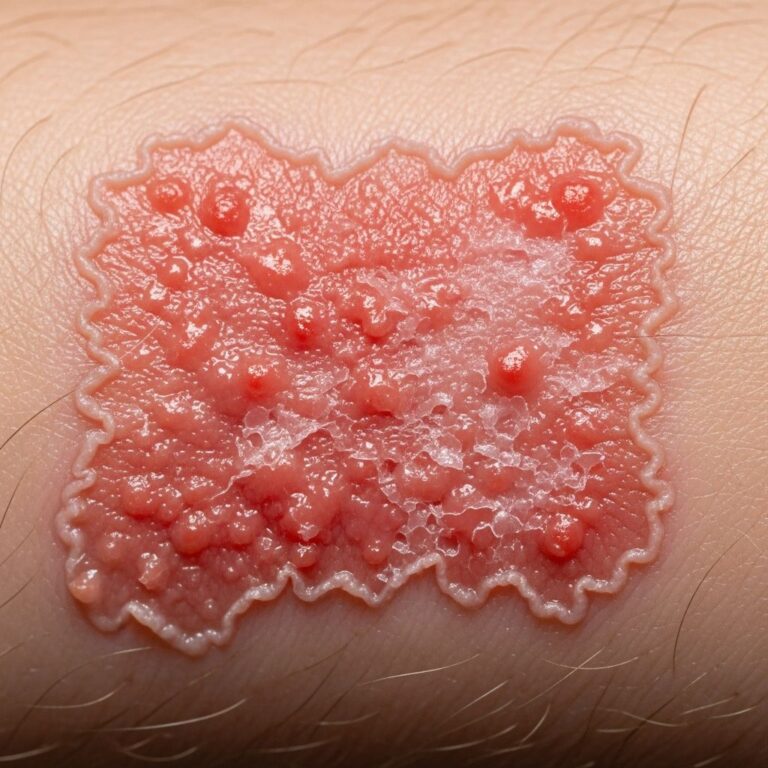
- Redness or flushed skin around the affected vein
- Swelling in the affected area
- Localized pain and tenderness
- Itchiness or burning sensations
- Hard lumps under the skin
- Warmth over the inflamed vein
- Skin discoloration or darkening
Deep Vein Phlebitis Symptoms
When phlebitis affects deeper veins, additional symptoms may emerge:
- Pain in the affected limb
- Swelling in the affected limb
- Warmth in the affected limb
- Discoloration of the skin
- Skin scaling
Causes and Risk Factors
Phlebitis develops through various mechanisms, with the two leading causes being blood clots inside veins and damage to vein walls. Understanding these risk factors helps individuals take preventive measures and recognize when medical consultation is necessary.
Related Stories



Common Causes
Several factors can trigger phlebitis development:
- Blood Clots: The presence of a blood clot within a vein is a primary cause of phlebitis.
- Vein Wall Damage: Any injury or damage to the vein’s inner walls can initiate inflammation.
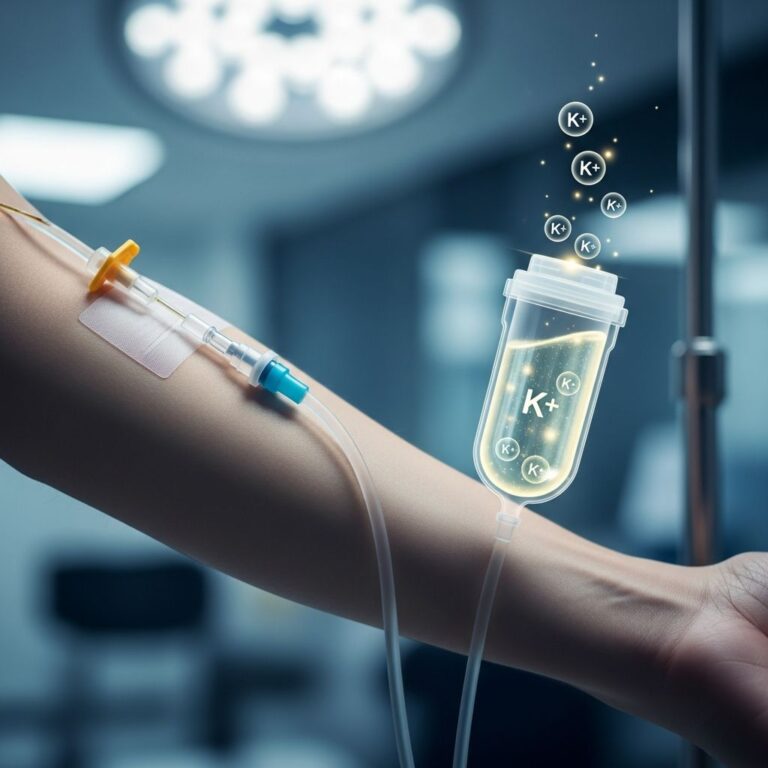
- Intravenous (IV) Catheters: Peripheral venous catheters commonly cause phlebitis, particularly when the catheter moves inside the vein, creating friction and irritation that damages the vessel wall.
- Chemical Irritation: Infusion of fluids or medications with extreme pH levels or high osmolarity can irritate vascular tissue.
- Infection: Poor aseptic technique during catheter insertion or maintenance can introduce bacteria, leading to infectious phlebitis.
- Post-Infusion Complications: Phlebitis can develop up to 48 hours after a catheter has been removed.
Risk Factors Associated with IV Therapy
Healthcare settings present specific risks for phlebitis development. Research indicates that phlebitis is a common complication associated with intravenous therapy, particularly with peripheral venous catheters. The longer a catheter remains in place, the higher the risk of developing phlebitis. Additionally, certain patient factors increase susceptibility, including comorbidities such as diabetes mellitus due to changes in the circulatory system caused by this disease.
Diagnosis and Evaluation
A healthcare professional can determine whether a person has superficial phlebitis or more severe deep vein phlebitis through clinical assessment and diagnostic testing. Medical professionals look for visible signs including warmth, tenderness, erythema (redness), and palpable venous cords during examination. In cases of suspected deep vein phlebitis, additional imaging studies may be necessary to confirm the diagnosis and assess the extent of the condition.
It is important to contact a doctor if any symptoms of phlebitis develop, as prompt evaluation can prevent progression to more serious conditions. Phlebitis sometimes displays similar symptoms to another condition called cellulitis; however, phlebitis results from blood clots or damaged veins, while cellulitis is due to a bacterial infection affecting deeper layers of the skin and underlying tissues.
Treatment Options
Treatment approaches for phlebitis vary depending on the type and severity of the condition. In many cases, phlebitis is treatable with at-home remedies and over-the-counter products or medications. However, deep vein phlebitis requires more aggressive medical intervention.
Superficial Phlebitis Treatment
For superficial phlebitis, conservative treatment approaches are often effective:
- Topical Treatments: Nonsteroidal anti-inflammatory drugs (NSAIDs) or heparinoid creams can reduce inflammation and swelling.
- Hot and Cold Therapy: Application of hot and/or wet compresses may provide relief.
- Elevation and Rest: Keeping the affected limb elevated and limiting activity can reduce symptoms.
- Over-the-Counter Medications: Pain relievers and anti-inflammatory medications may alleviate discomfort.
Deep Vein Phlebitis Treatment
More serious cases of phlebitis require medical intervention:
- Anticoagulants: Doctors may prescribe blood-thinning medications to prevent clot progression.
- Thrombectomy: In certain cases, a surgical procedure to remove a blood clot from a vein may be necessary.
- Hospitalization: Severe cases may require inpatient care and intensive monitoring.
- Catheter Removal: If phlebitis is detected early and related to IV therapy, removing the catheter and re-inserting it at a different site can be effective.
IV Catheter-Related Phlebitis Management
When phlebitis develops as a complication of intravenous therapy, specific interventions apply. Healthcare providers should remove peripheral venous catheters if the patient develops signs of phlebitis, including warmth, tenderness, erythema, or a palpable venous cord. Additional preventive and therapeutic approaches include dilution of chemotherapeutic agents, intermittent heparin washing, prophylactic antibiotics, transparent dressings, and topical application of anti-inflammatory or corticosteroid agents.
Prevention Strategies
Preventing phlebitis is far more preferable to treating it after it develops. Several evidence-based strategies can reduce the risk of phlebitis, particularly in healthcare settings:
- Assess the status of venous resources and choose straight, palpable, and well-filled vessels when inserting catheters.
- Keep the peripheral venous catheter (PVC) insertion site visible for regular monitoring.
- Develop an observation table to document the development of signs of phlebitis for early detection and decreased discomfort and pain.
- Guide patients and family members on signs and symptoms of phlebitis during infusion and post-infusion after catheter extraction.
- Educate patients that ensuring proper care of PVC helps reduce the risk of infection.
- Previously identify comorbidities such as diabetes mellitus due to circulatory system changes.
- Ask patients about pain, discomfort, heat, or burning at the insertion site during routine assessments.
Complications and Outlook
When properly treated, phlebitis often resolves without lasting effects. However, untreated or severe phlebitis can lead to serious complications. Phlebitis prolongs hospitalization and treatment, increases economic expenses, decreases patient satisfaction, and can lead to other complications such as sepsis, pain, discomfort, stress, possibility of clotting, thrombophlebitis, and embolism.
According to the Centers for Disease Control and Prevention (CDC), around one-third of people with DVT will experience a recurrence within 10 years. This statistic underscores the importance of appropriate treatment and ongoing monitoring for those who have experienced phlebitis.
Frequently Asked Questions
Q: Is superficial phlebitis serious?
A: Healthcare professionals do not consider superficial phlebitis to be serious in most cases. Superficial phlebitis often goes away without treatment or any lasting effects, though medical evaluation is still recommended to rule out more serious conditions.
Q: Can phlebitis develop after a catheter is removed?
A: Yes, phlebitis can develop up to 48 hours after a catheter has been removed. This is why healthcare providers educate patients on signs and symptoms of phlebitis during infusion and post-infusion periods.
Q: What is the difference between phlebitis and cellulitis?
A: Phlebitis results from blood clots or damaged veins and causes vein inflammation, while cellulitis is due to a bacterial infection that affects the deeper layers of the skin and the fat and soft tissue underneath.
Q: How long does phlebitis typically last?
A: Superficial phlebitis often resolves once the blood clot dissipates and may go away with or without treatment. Deep vein phlebitis requires medical treatment and may take longer to resolve depending on the severity and response to therapy.
Q: When should I seek medical attention for phlebitis?
A: If you experience any symptoms of phlebitis—including redness, swelling, pain, tenderness, itchiness, burning, or hard lumps under the skin—contact your doctor for evaluation. Prompt medical attention is particularly important if symptoms occur in the lower leg or if you develop signs of deep vein phlebitis.
Q: Can phlebitis be prevented in hospital settings?
A: Yes, several evidence-based prevention strategies can reduce phlebitis risk in healthcare settings, including proper catheter site selection, regular monitoring, patient education, and aseptic technique during insertion and maintenance.
References
- Phlebitis: Risk Factors, Symptoms, and More — Healthgrades. 2025. https://resources.healthgrades.com/right-care/heart-blood-and-circulation/phlebitis
- What is Phlebitis? — Health Line Medical Products. 2025. https://hlic.net/what-is-phlebitis/
- Phlebitis: Deep Vein, Thrombophlebitis, Inflammation — Britannica. 2025. https://www.britannica.com/science/phlebitis
- Prevention and Treatment of Phlebitis Secondary to the Insertion of Peripheral Venous Catheters — National Center for Biotechnology Information (NCBI). 2021. https://pmc.ncbi.nlm.nih.gov/articles/PMC8160666/
- Phlebitis: Definition, Symptoms, Treatment, and More — Medical News Today. 2025. https://www.medicalnewstoday.com/articles/phlebitis
Similar Articles








Read full bio of medha deb