Phobias: Understanding Fear, Causes & Treatments
Discover what phobias are, their causes, symptoms, and effective treatment options for managing intense fears.
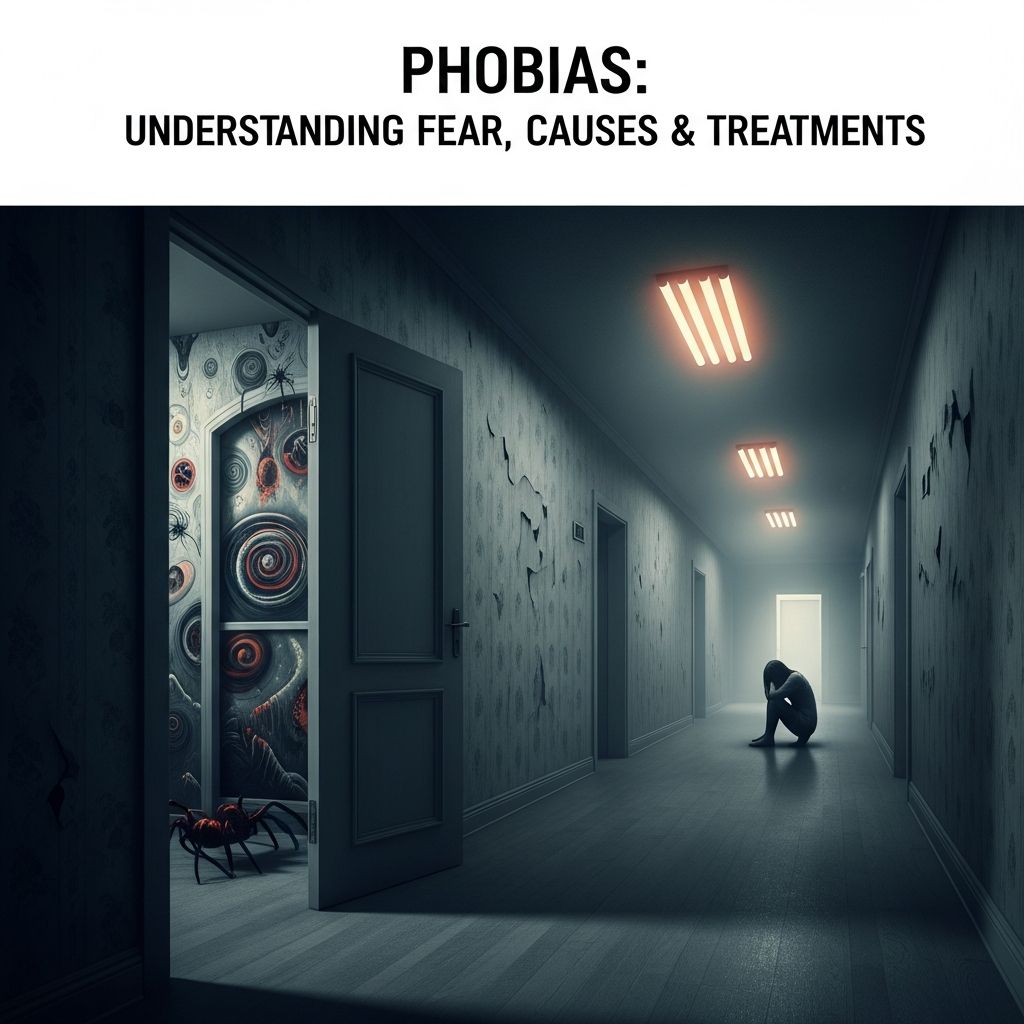
A phobia is when you have intense or even overpowering fear and anxiety in certain situations or when you encounter certain objects. Unlike general worry or nervousness, phobias represent a specific mental health condition characterized by excessive, irrational fear that can significantly interfere with your daily functioning and quality of life. Understanding phobias, their causes, symptoms, and available treatments is essential for anyone experiencing these debilitating fears or supporting someone who is.
What is a Phobia?
A phobia is far more than just being afraid of something. It’s a clinical anxiety disorder where an individual experiences persistent, intense fear of a specific object, situation, animal, or activity that poses little to no actual danger. The level of fear experienced is disproportionate to the actual threat, yet people with phobias cannot control their fear response, even when they intellectually understand that the danger isn’t real.
Phobias can develop at any age, though they often begin during childhood, adolescence, or early adulthood. They are among the most common mental health conditions, affecting millions of people worldwide. What distinguishes a phobia from normal fear is that the anxiety persists over time, causes significant distress, and often leads to avoidance behaviors that can limit a person’s opportunities and relationships.
Types of Phobias
Phobias are generally categorized into three main types, each with distinct characteristics and triggers:
Specific Phobias
Specific phobias involve intense fear of particular objects or situations. Common examples include:
- Acrophobia—fear of heights
- Arachnophobia—fear of spiders
- Nyctophobia—fear of the dark
- Trypophobia—fear of needles
- Claustrophobia—fear of confined or crowded spaces
- Aviophobia—fear of flying
These phobias can severely limit activities, preventing individuals from using stairs, climbing ladders, visiting certain locations, or seeking necessary medical care.
Agoraphobia
Agoraphobia is a mental health condition that causes excessive fear of becoming overwhelmed by anxiety or unable to get help if you need it. People with agoraphobia often fear situations where escape might be difficult or embarrassing, such as being in crowded places, public transportation, open spaces, or being outside the home alone. This phobia can severely restrict a person’s independence and mobility.
Social Phobia
Social phobia, or social anxiety disorder, involves an intense fear of social situations where one might be judged, embarrassed, or scrutinized by others. This can include fear of public speaking, attending social gatherings, or interacting with strangers.
Causes of Phobias
The development of phobias is multifactorial, involving a combination of genetic, environmental, and psychological factors:
Genetic Factors
Research suggests that phobias can run in families. If your parents or close relatives have anxiety disorders or specific phobias, you may be more genetically predisposed to developing a phobia yourself.
Traumatic Experiences
A single traumatic or frightening experience can trigger the development of a specific phobia. For instance, a person who experiences a frightening incident involving heights may develop acrophobia, or someone who encounters an aggressive dog might develop cynophobia.
Related Stories



Learned Behavior
Children can develop phobias by observing fear responses in parents or other influential figures. If a child sees a parent react with extreme fear to spiders, they may internalize that response and develop arachnophobia themselves.
Brain Chemistry and Neurobiology
Imbalances in neurotransmitters like serotonin and GABA, which regulate mood and anxiety, may contribute to phobia development. The amygdala, the brain’s fear center, may be overactive in people with phobias, triggering excessive fear responses.
Symptoms of Phobias
Phobias manifest through both psychological and physical symptoms that occur when a person encounters their feared object or situation, or even when thinking about it:
Psychological Symptoms
- Intense anxiety and panic
- Overwhelming dread or sense of impending doom
- Difficulty concentrating
- Intrusive thoughts about the feared object or situation
- Extreme worry anticipating encounters with the phobia trigger
Physical Symptoms
- Rapid heartbeat or heart palpitations
- Shortness of breath or difficulty breathing
- Excessive sweating
- Trembling or shaking
- Nausea or dizziness
- Chest tightness or pain
- Hot flashes or chills
- Muscle tension
Behavioral Symptoms
- Avoiding situations or places associated with the feared object
- Difficulty completing everyday tasks due to fear avoidance
- Dependence on others to manage feared situations
- Isolation from social or professional activities
Diagnosis of Phobias
A mental health provider, usually a psychologist or psychiatrist, can diagnose specific phobia or agoraphobia by talking to you and asking questions. Diagnosing these conditions doesn’t require lab, imaging, or diagnostic testing.
Diagnostic Criteria
Your healthcare provider will likely use the criteria in the Diagnostic and Statistical Manual of Mental Disorders (DSM-5), a publication by the American Psychiatric Association, to diagnose phobias. Your provider will also rule out any other physical or mental health conditions that could be causing your symptoms. Generally, phobias have at least four criteria for diagnosis:
- Persistent fear or anxiety triggered by a specific object or situation
- The feared object or situation is immediately avoided or endured with intense anxiety
- The fear response is disproportionate to the actual danger posed
- Symptoms have persisted for at least six months in the case of specific phobias
Questions Your Provider May Ask
During diagnosis, mental health professionals may ask questions following specific questionnaires designed to help diagnose a phobia. These questions typically explore:
- When your fear started and what triggered it
- How the fear affects your daily activities and relationships
- Physical symptoms you experience
- Situations you avoid because of your fear
- Your family history of anxiety disorders or phobias
- Any traumatic experiences related to your phobia
- Previous attempts to manage or overcome your fear
Comorbid Conditions Associated with Phobias
People with specific phobias or agoraphobia often experience other mental health and physical health conditions that may worsen or be complicated by phobia symptoms.
Mental Health Conditions
Mental health conditions more likely in people with specific phobia or agoraphobia include depression, generalized anxiety disorder, panic disorder, and other anxiety disorders. Individuals without treatment are two times more likely to develop a generalized anxiety disorder or depression unrelated to their specific phobia.
Physical Health Conditions
Physical health conditions that commonly occur along with phobias or that may worsen because of phobia symptoms include cardiovascular issues, gastrointestinal problems, and sleep disorders. The chronic stress associated with phobias can exacerbate existing physical health conditions.
Treatment Options for Phobias
One of the main ways to treat a phobia is by helping you adjust your thinking and behaviors surrounding your fear. Mental health therapy (psychotherapy) is one of the most useful ways to do this.
Cognitive Behavioral Therapy (CBT)
Cognitive behavioral therapy is a common type of therapy that helps with phobia treatment. Through talking and asking questions, your therapist or psychologist helps you gain a different perspective. As a result, you learn to respond better to and cope with the stress and anxiety you feel when you are exposed to things that cause you fear. CBT involves identifying negative thought patterns and replacing them with more realistic, rational thoughts. Over time, therapy can help you better cope with the fear and anxiety you experience.
Exposure Therapy
Exposure therapy is a common form of psychological treatment used to treat specific phobias. People with phobias usually avoid situations that involve the thing they are afraid of. Because of this, they aren’t able to learn that they can manage their fear when presented with their specific phobia or that their feared outcomes often do not happen.
Therapists and psychologists use exposure therapy for people who have a phobia to slowly encourage them to enter situations that cause them anxiety, and to try to stay in that situation so that they can learn to cope. The exposure can be gradual, starting with imagining the feared situation and eventually progressing to real-life encounters. This desensitization process helps reduce the fear response over time.
Virtual Reality Exposure Therapy (VRET)
Virtual reality exposure therapy is a type of psychological treatment that uses technology to show the person realistic—but fake—situations to help them cope with stressful and anxiety-inducing situations. If you have a specific phobia, you may use a virtual reality headset that will show you simulations of situations that trigger your fear. For example, someone with acrophobia might experience VR simulations of heights. This way, you can be exposed to your feared situation in a way that’s completely safe and feels real but isn’t. Research has shown that virtual reality exposure therapy is effective in treating various phobias.
Relaxation and Breathing Techniques
Mental healthcare providers often teach relaxation and desensitization techniques to help manage the physical symptoms of anxiety. These may include progressive muscle relaxation, deep breathing exercises, mindfulness meditation, and guided imagery. Learning to manage your body’s physiological response to fear can help reduce overall anxiety levels.
Medication
Sometimes people need medications that temporarily relieve symptoms of fear and anxiety to cope with fear while they are participating in therapy. Medications such as anti-anxiety drugs or antidepressants may be prescribed to help manage symptoms, though therapy remains the primary treatment approach. Your healthcare provider can determine if medication would be beneficial in conjunction with psychotherapy.
Success Rates and Prognosis
Research has shown that exposure therapy, especially virtual reality exposure therapy, is successful in treating phobias. Exposure therapy is considered the first-line treatment for specific phobias in general. There is currently no cure for phobias in the traditional sense, but psychological therapy is successful in treating and managing them effectively.
Only about 10% to 25% of people who have a specific phobia seek treatment for their condition because many can avoid the situation that they fear. However, avoiding situations can prevent you from completing everyday tasks and can lower your overall quality of life. Having a phobia can also be potentially dangerous if you experience a panic attack while in a triggering situation.
When to Seek Help
It’s important to talk to a mental health provider if you’re experiencing signs and symptoms of a phobia. If you have or think you might have a phobia, seek professional support. Talking about your mental health can be uncomfortable and scary, but your mental well-being is just as important as your physical well-being.
Consider reaching out to a mental health provider if your phobia:
- Significantly interferes with your daily activities
- Causes persistent anxiety or panic attacks
- Limits your career or educational opportunities
- Affects your relationships and social life
- Prevents you from seeking medical care when needed
- Has lasted for more than six months
Frequently Asked Questions (FAQs)
Q: What’s the difference between fear and a phobia?
A: Fear is a normal, adaptive response to genuine danger that typically subsides when the threat is gone. A phobia is an intense, irrational, persistent fear of something that poses little to no actual danger, and it causes significant distress and avoidance behaviors that interfere with daily life.
Q: Can phobias develop in adults?
A: Yes, phobias can develop at any age. While many phobias begin during childhood or adolescence, adults can develop phobias following traumatic experiences or through learned behaviors and other factors.
Q: How long does phobia treatment take?
A: The duration of treatment varies depending on the severity of the phobia, the individual’s responsiveness to therapy, and the specific treatment approach used. Some people may see improvement within weeks, while others may require several months of therapy for significant progress.
Q: Can I manage my phobia without professional help?
A: While self-help strategies like relaxation techniques and gradual exposure can provide some relief, professional treatment is typically more effective and faster. A mental health professional can provide personalized treatment plans and monitor your progress safely.
Q: Are phobias hereditary?
A: Phobias can run in families, suggesting a genetic component. However, they are not directly inherited like some genetic conditions. Instead, a genetic predisposition to anxiety disorders may increase your risk of developing a phobia, especially when combined with environmental factors.
Q: What should I do if I’m having a panic attack from my phobia?
A: During a panic attack, try deep breathing exercises, grounding techniques (focusing on your five senses), and remind yourself that the panic will pass. Practice the relaxation and breathing techniques your therapist has taught you. If panic attacks are frequent, consult your healthcare provider about treatment options.
References
- Phobias: What They Are, Causes, Symptoms & Treatments — Cleveland Clinic. 2024. https://my.clevelandclinic.org/health/diseases/24757-phobias
- Acrophobia (Fear of Heights): Symptoms & Treatment — Cleveland Clinic. 2024. https://my.clevelandclinic.org/health/diseases/21956-acrophobia-fear-of-heights
- Arachnophobia (Fear of Spiders): Overview & Treatment — Cleveland Clinic. 2024. https://my.clevelandclinic.org/health/diseases/21852-arachnophobia-fear-of-spiders
- Agoraphobia: What It Is, Causes, Symptoms & Treatment — Cleveland Clinic. 2024. https://my.clevelandclinic.org/health/diseases/15769-agoraphobia
- Diagnostic and Statistical Manual of Mental Disorders — American Psychiatric Association. 2013. Fifth Edition (DSM-5).
- Nyctophobia (Fear of the Dark): Symptoms & Causes — Cleveland Clinic. 2024. https://my.clevelandclinic.org/health/diseases/22785-nyctophobia-fear-of-the-dark
Similar Articles








Read full bio of medha deb