Photoaging: What You Need to Know About Sun Damage
Understand photoaging, its causes, effects, and proven strategies to prevent premature skin aging from UV damage.
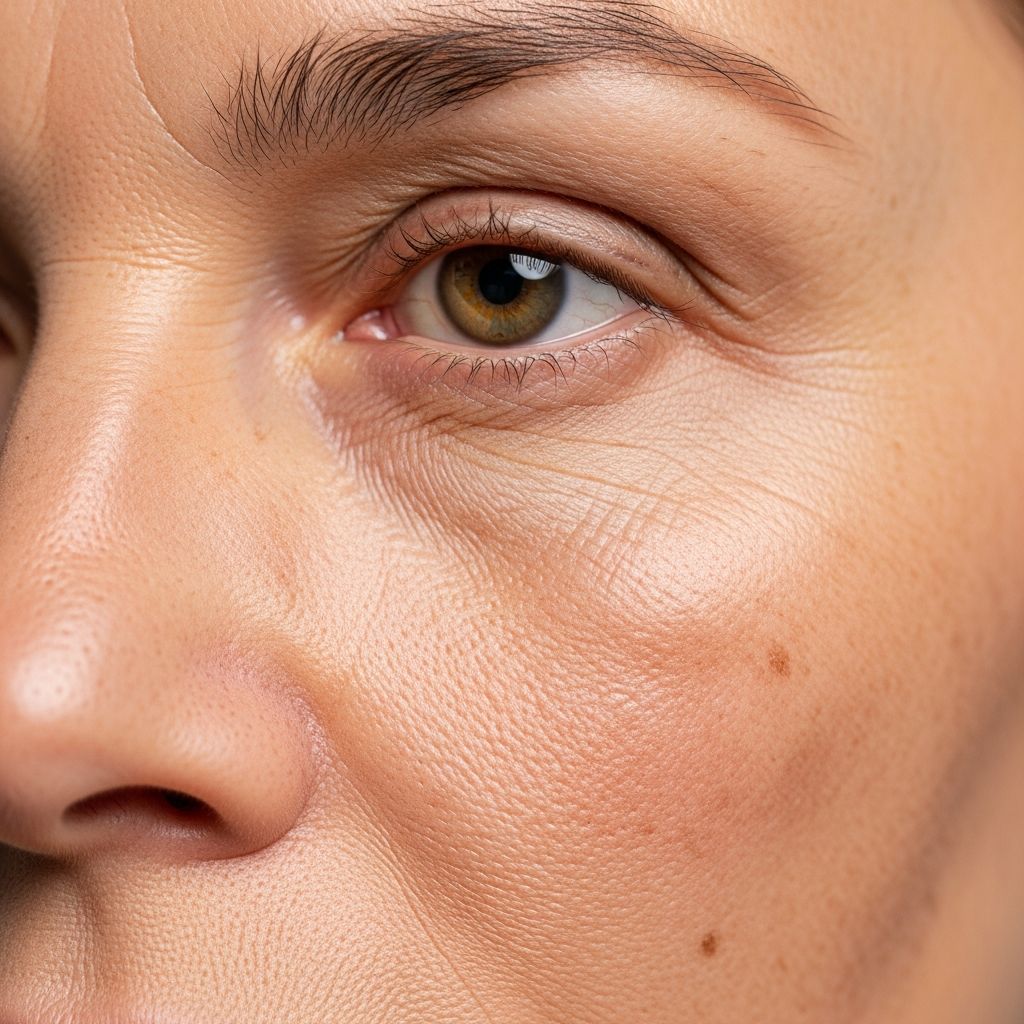
Photoaging is the medical term for premature skin aging caused by cumulative exposure to ultraviolet (UV) radiation from the sun. Unlike chronological aging, which is a natural process that occurs with time, photoaging results from repeated and prolonged sun exposure, leading to visible changes in skin texture, elasticity, and appearance. Understanding photoaging and its mechanisms is essential for protecting your skin and maintaining a youthful appearance throughout your life.
The effects of photoaging are not merely cosmetic concerns; they represent real damage to the skin’s structure and function. UV radiation penetrates the skin layers and triggers cellular changes that accumulate over time, potentially leading to both aesthetic concerns and serious health risks including skin cancer. By learning about photoaging, you can make informed decisions about sun protection and skincare practices.
Understanding UV Radiation and Its Effects on Skin
Ultraviolet radiation from the sun consists of two primary types that reach Earth’s surface: UVA and UVB rays. Each type affects the skin differently and contributes to photoaging through distinct mechanisms.
UVA radiation comprises approximately 95% of the UV radiation that reaches Earth’s surface and is highly penetrating. UVA rays travel deeper into the skin, affecting both the epidermis (outer layer) and the dermis (deeper layer where collagen and elastin reside). These rays damage skin cells and significantly impair the body’s ability to produce essential proteins, including collagen and elastin, which are crucial for maintaining skin firmness and elasticity. Additionally, UVA radiation harms capillaries and thins blood vessel walls, leading to the visible appearance of blood vessels on the skin, easy bruising, and increased bleeding.
UVB radiation makes up only 5% of incident UV light reaching Earth’s surface but displays significantly greater biological activity than UVA. UVB rays primarily affect the epidermis, the outermost layer of skin, causing direct damage to skin cells and genetic material. When the skin absorbs photons from UVB rays, they can cause direct damage to cellular DNA, leading to sunburn and contributing substantially to skin cancer risk. UVB radiation also plays a major role in inducing DNA damage, which is one of the most serious effects of excessive sun exposure and directly involves photoaging processes.
The Cellular Mechanisms of Photoaging
Photoaging occurs through several interconnected cellular and molecular mechanisms that damage skin structure and function:
DNA Damage and Cellular Injury
UV radiation causes significant DNA damage through mechanisms unique to each radiation type. UVB radiation directly damages DNA by creating thymine-thymine dimers and inducing loss of the tumor suppressor gene p53. UVA radiation causes direct damage to skin cells through inflammatory reactions and indirectly through oxidative stress. This oxidative stress initiates peroxidation of polyunsaturated fatty acids in the skin membrane and formation of 8-hydroxy-2′-deoxyguanosine (8-OHdG), a highly mutagenic marker of oxidative DNA damage.
Reactive Oxygen Species (ROS) Production
Overexposure to UV radiation increases the formation of reactive oxygen species (ROS), which at higher concentrations can damage the main proteins that compose the skin: collagen and elastin. ROS production is a primary mechanism through which UV radiation damages skin cells and contributes to the aging process. The inflammatory mediators released as a result of ROS production include plasma mediators, lipid mediators such as prostaglandins and leukotrienes, and inflammatory cytokines including interleukin-1 (IL-1), IL-6, and tumor necrosis factor (TNF)-α.
Collagen and Elastin Breakdown
One of the characteristic features of photoaged skin is the presence of solar elastosis in the dermis and significantly reduced dermal fiber expression. UV radiation increases the expression of matrix metalloproteinases (MMPs), enzymes responsible for degrading extracellular matrix (ECM) proteins such as collagen, fibronectin, elastin, and proteoglycans. Excessive degradation of these proteins caused by overproduction of MMP-1, MMP-3, and MMP-9 contributes directly to photoaging and the formation of thick wrinkles and sagging skin. The fragmentation of collagen and elastin fiber proteins results in visible loss of skin firmness and elasticity.
Inflammation and Immunosuppression
UV radiation induces pro-inflammatory genes and causes immunosuppression by depleting the number and activity of epidermal Langerhans cells, which are crucial immune cells in the skin. Multiple exposures to UVB radiation trigger a fail-safe process in the epidermis resulting in the formation of sunburn cells—keratinocytes undergoing apoptosis (programmed cell death). The damage to keratinocyte DNA leads to the release of signals that initiate inflammatory response mediators.
Visible Signs and Symptoms of Photoaging
Photoaging manifests through various visible changes in skin appearance and texture:
- Fine lines and wrinkles, particularly on the face, neck, and hands
- Loss of skin elasticity and firmness
- Uneven skin tone and pigmentation changes
- Age spots and sun spots (lentigines)
- Rough, leathery skin texture
- Visible blood vessels and telangiectasia (spider veins)
- Loss of skin volume and sagging
- Precancerous lesions such as actinic keratoses (AKs)
These signs typically develop gradually over years of cumulative sun exposure and become increasingly noticeable with advancing age. The severity of photoaging varies depending on individual factors such as skin type, genetic predisposition, total lifetime sun exposure, and geographic location.
Photoaging and Skin Cancer Risk
Beyond cosmetic concerns, photoaging significantly increases the risk of serious health complications. Actinic keratoses (AKs), or precancerous spots, directly correlate to chronic sun exposure and can increase your chance of developing skin cancer. These rough, scaly patches represent abnormal skin cell growth and serve as warning signs of cumulative UV damage.
UV radiation participates in all three stages of the carcinogenic process. During initiation, it produces genetic damage through direct effects on DNA. In the promotion stage, it favors the proliferation of malignant cells by inhibiting immune control mechanisms and promoting genomic instability. Finally, it boosts tumor progression and dissemination by promoting protease release and angiogenesis. The relationship between photoaging and photocarcinogenesis means that visible signs of photoaging often accompany increased cancer risk.
Prevention Strategies for Photoaging
Preventing photoaging requires consistent, comprehensive sun protection strategies:
Daily Sunscreen Use
Apply broad-spectrum sunscreen with a sun protection factor (SPF) of at least 30 daily, even on cloudy days and when spending limited time outdoors. Reapply every two hours or immediately after swimming or sweating. Broad-spectrum protection shields against both UVA and UVB radiation.
Protective Clothing and Accessories
Wear protective clothing including long-sleeved shirts, wide-brimmed hats, and UV-blocking sunglasses. Consider clothing with UPF (Ultraviolet Protection Factor) ratings designed specifically to block UV radiation. These physical barriers provide reliable protection without relying on topical products.
Limiting Sun Exposure
Avoid spending extended periods in direct sunlight, particularly between 10 a.m. and 4 p.m. when UV radiation is most intense. Seek shade whenever possible, especially during peak sun hours. Plan outdoor activities for early morning or late afternoon when UV intensity is lower.
Avoiding Tanning Beds
Evidence suggests that tanning greatly increases your risk of developing skin cancer, and contrary to popular belief, getting a tan will not protect your skin. Tanning beds emit concentrated UV radiation and pose significant health risks. If you desire a tanned appearance, consider safer alternatives such as self-tanning lotions or sprays.
Treatment Options for Photoaging
While prevention is paramount, several treatment options can address existing signs of photoaging:
Topical Treatments
Retinoids and retinol products increase cell turnover and stimulate collagen production, improving skin texture and reducing the appearance of fine lines. Vitamin C serums provide antioxidant protection and support collagen synthesis. Niacinamide improves skin barrier function and reduces inflammation. Alpha hydroxy acids (AHAs) and beta hydroxy acids (BHAs) exfoliate dead skin cells and promote skin renewal.
Professional Procedures
Laser treatments and chemical peels remove damaged outer layers of skin and stimulate collagen remodeling. Microdermabrasion mechanically exfoliates the skin surface. Microneedling creates controlled injury to promote collagen production. Injectable fillers restore lost volume and smooth wrinkles. Botulinum toxin injections relax muscles that create dynamic wrinkles.
Antioxidant and Anti-inflammatory Agents
Photoprotective strategies include oral or topical agents that act as sunscreens or counteract the effects of UV radiation on DNA, cellular antioxidant balance, signal transduction pathways, immunology, and the extracellular matrix. Phytochemicals with photoprotective properties can provide additional protection against UV-induced damage.
Factors Influencing Photoaging Susceptibility
Individual susceptibility to photoaging varies based on several factors:
| Factor | Impact on Photoaging |
|---|---|
| Skin Type | Lighter skin types are more susceptible to photoaging and skin cancer risk |
| Genetic Predisposition | Family history influences how quickly photoaging develops |
| Geographic Location | Proximity to equator and higher altitude increase UV exposure |
| Lifetime Sun Exposure | Cumulative exposure is the primary determinant of photoaging severity |
| Occupational Exposure | Outdoor workers experience greater photoaging risk |
| Age | Photoaging becomes increasingly visible with advancing age |
The Importance of Early Intervention
Starting sun protection early in life is crucial for preventing photoaging. Childhood and adolescent sun exposure significantly influences photoaging risk in adulthood. Every sunburn, particularly during youth, increases cumulative UV damage and accelerates the aging process. Establishing sun protection habits early provides the greatest benefit for maintaining youthful skin throughout life.
Even if photoaging has already begun, beginning protective measures now can prevent further damage and allow existing damage to heal partially through the skin’s natural repair mechanisms and available treatments. It is never too late to start protecting your skin from additional UV damage.
Frequently Asked Questions About Photoaging
Q: At what age does photoaging typically become visible?
A: Photoaging can begin in childhood with repeated sun exposure but typically becomes noticeably visible in the 30s to 40s, depending on cumulative sun exposure and individual factors such as skin type and genetics.
Q: Can photoaging be reversed?
A: While photoaging cannot be completely reversed, professional treatments and skincare products can significantly improve its appearance by stimulating collagen production, removing damaged skin layers, and providing antioxidant protection. Prevention is always more effective than treatment.
Q: How much sun exposure causes photoaging?
A: Photoaging results from cumulative UV exposure over time. There is no specific threshold, as individual susceptibility varies based on skin type, genetics, and geographic location. Even moderate regular sun exposure without protection accumulates and causes photoaging.
Q: Is sunscreen alone sufficient to prevent photoaging?
A: Sunscreen is an important component of photoaging prevention but is most effective when combined with other strategies including protective clothing, seeking shade, limiting midday sun exposure, and using antioxidant skincare products.
Q: Does all sun exposure cause photoaging?
A: While brief, incidental sun exposure causes minimal photoaging, repeated and prolonged unprotected sun exposure accumulates and contributes significantly to photoaging. Consistent sun protection throughout life provides the greatest benefit.
References
- The impact of ultraviolet radiation on skin photoaging — National Institutes of Health (NIH/PMC). 2022. https://pmc.ncbi.nlm.nih.gov/articles/PMC8597149/
- Mechanisms of Photoaging and Cutaneous Photocarcinogenesis — National Institutes of Health (NIH/PMC). 2015. https://pmc.ncbi.nlm.nih.gov/articles/PMC4665475/
- Photoaging (Sun Damage) – Dermatology Associates — My Dermatology Associates. https://www.mydermatologyassociates.com/photoaging/
- Photoaging: What You Need to Know About the Other Kind of Aging — American Academy of Dermatology (The Skin Cancer Foundation). https://www.skincancer.org/blog/photoaging-what-you-need-to-know/
- The Risks of Tanning — U.S. Food and Drug Administration (FDA). https://www.fda.gov/radiation-emitting-products/tanning/risks-tanning
Similar Articles



Read full bio of medha deb