Photocontact Dermatitis: Causes, Symptoms, Diagnosis, Treatment
Inflammatory skin reaction from light interacting with photoreactive substances on the skin.
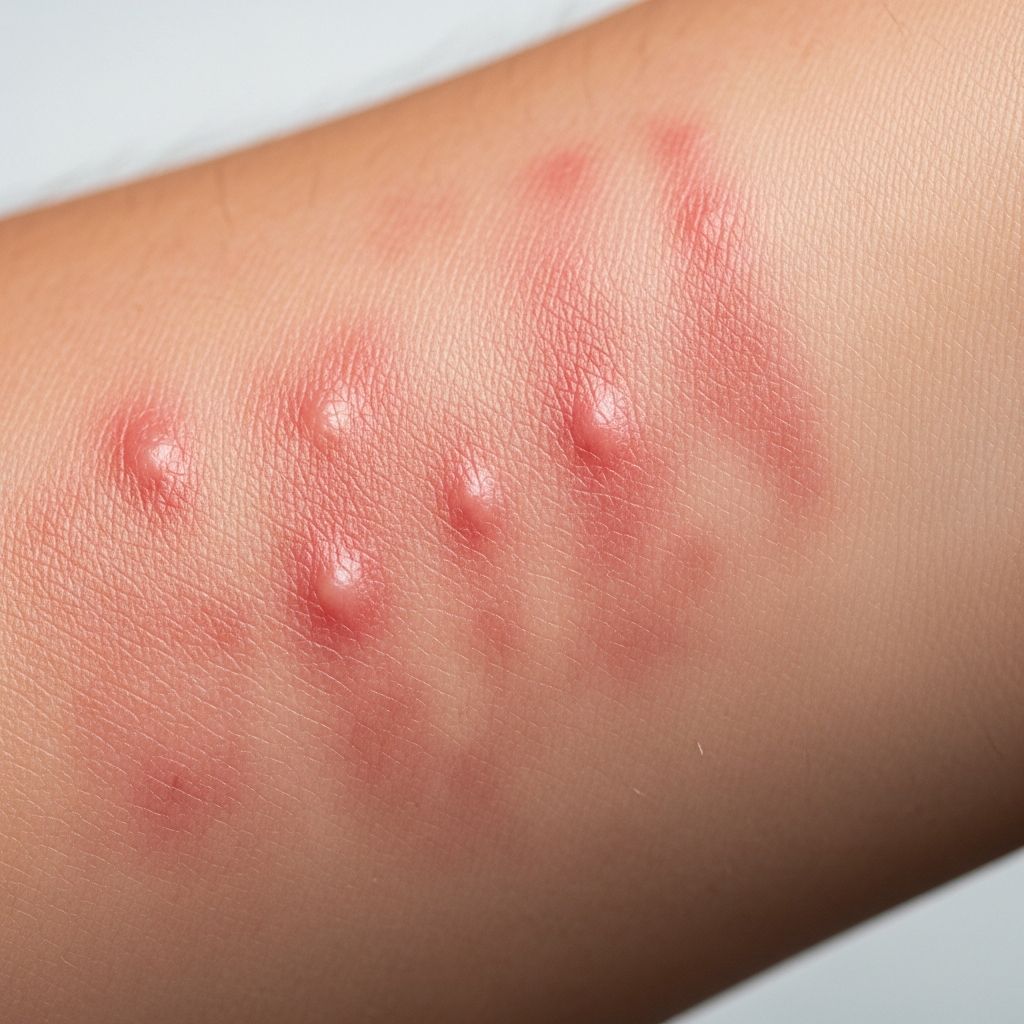
Photocontact dermatitis (PCD) is an inflammatory skin reaction that occurs when ultraviolet (UV) or visible light interacts with a topically applied or systemically administered photoreactive substance on or in the skin. This condition combines elements of contact dermatitis with photosensitivity, leading to rashes primarily on sun-exposed areas.
Introduction
Photocontact dermatitis arises from the interaction of light and specific chemicals known as photoactive agents. These agents can be found in everyday products such as sunscreens, fragrances, medications, cosmetics, plants, and certain drugs taken orally. The reaction is confined to areas exposed to both the substance and light, distinguishing it from standard contact dermatitis.
PCD is relatively uncommon but important to recognize, especially in patients with rashes that worsen with sun exposure. It impacts quality of life due to itchiness, pain, and cosmetic concerns like hyperpigmentation.
Demographics
Photocontact dermatitis affects individuals of all ages and skin types, though certain groups are more susceptible. People using topical sunscreens, NSAIDs, or fragrances frequently report cases. Those with outdoor occupations or hobbies increasing sun exposure are at higher risk. Darker skin types (Fitzpatrick types IV-VI) are prone to postinflammatory hyperpigmentation following resolution.
Women may be overrepresented due to higher use of cosmetics and sunscreens containing photoallergens like benzophenones and oxybenzone. No strong gender bias exists for phototoxic cases from plants.
Causes
PCD results from two essential factors: a photoactive substance (photoreactive agent) and light exposure of appropriate wavelength, typically UVA (320-400 nm) or visible light. Substances penetrate the skin or are absorbed systemically, then react upon irradiation.
Causes – Phototoxic Contact Dermatitis
Phototoxic contact dermatitis (PTCD) is a non-immunological, dose-dependent reaction resembling an exaggerated sunburn. It occurs in anyone exposed to sufficient phototoxin and light, producing free radicals that directly damage skin cells.
Common phototoxic agents include:
- Plants containing psoralens (furocoumarins): figs, limes, lemons, celery, parsnips, rue (phytophotodermatitis).
- Coal tar and derivatives (used in psoriasis treatments).
- Drugs: tetracyclines, fluoroquinolones, amiodarone, phenothiazines, retinoids.
- Sunscreen ingredients: bergamot oil.
- Dyes and disinfectants.
Phytophotodermatitis, a subset, follows contact with psoralen-rich plant sap followed by UVA exposure, causing linear streaks and blisters.
Causes – Photoallergic Contact Dermatitis
Photoallergic contact dermatitis (PACD) is an immunological delayed-type (type IV) hypersensitivity reaction. A photoallergen absorbs light, forming haptens that bind to skin proteins, creating antigens processed by Langerhans cells and presented to T-cells. Re-exposure triggers eczematous inflammation.
Mechanisms involve photochemical excitation leading to covalent binding or stable hapten formation, activating memory T-cells.
Common photoallergens include:
- Sunscreen UV filters: benzophenone-3 (oxybenzone), avobenzone, octocrylene.
- Topical NSAIDs: ketoprofen, ibuprofen, diclofenac.
- Fragrances: musk ambrette, sandalwood.
- Antibiotics: tetracyclines.
- Antifungals: clotrimazole.
- Cosmetics and plants.
Ketoprofen is notorious for contaminating clothing, causing persistent or ectopic dermatitis.
Clinical Features
Lesions appear 24-48 hours after exposure in PTCD (faster onset possible) and 1-3 days in PACD, confined to sun-exposed sites: face, neck, V of chest, dorsal hands/arms. Spared areas: upper eyelids, submental, retroauricular, hairline, skin folds.
Clinical Features – Phototoxic Contact Dermatitis
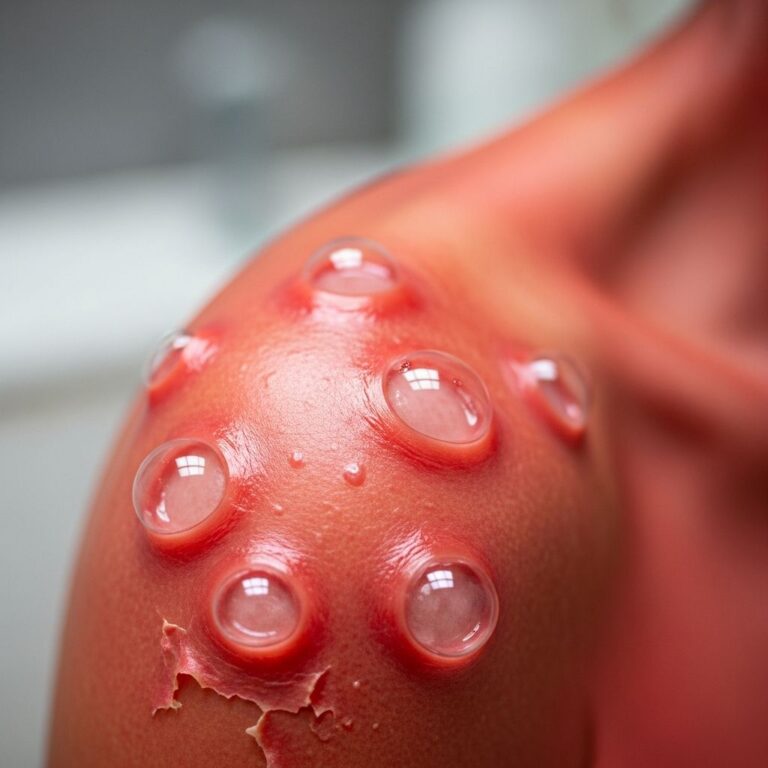
PTCD mimics sunburn: painful erythema, burning, edema, blisters in severe cases, distal onycholysis. It resolves in days to a week, often leaving hyperpigmentation, especially in darker skin.
Related Stories



Phytophotodermatitis presents as linear hyperpigmented streaks from plant sap drips.
Clinical Features – Photoallergic Contact Dermatitis
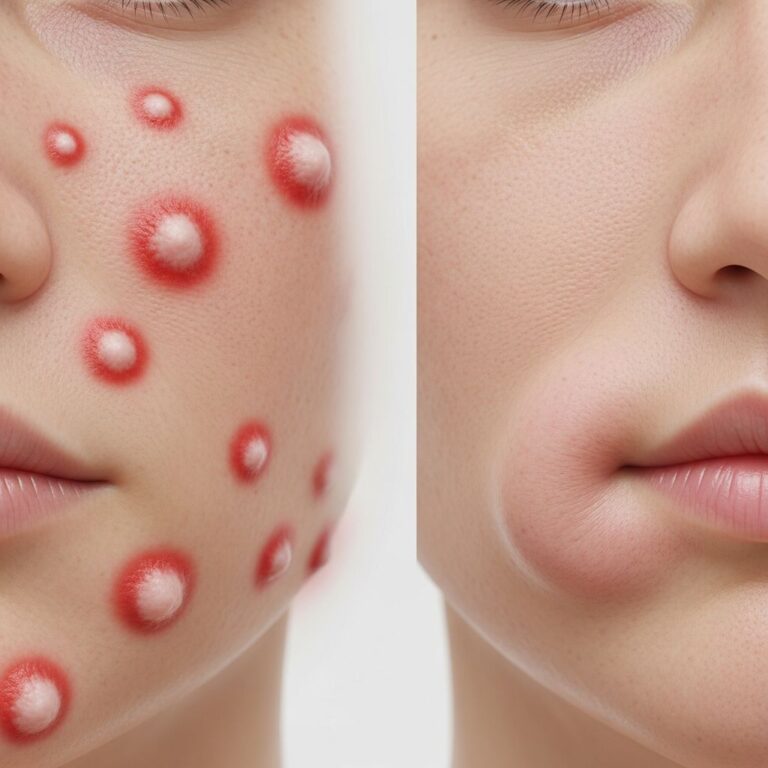
PACD resembles allergic contact dermatitis: pruritic eczematous rash with vesicles, papules, excoriations. Acute: weeping; subacute: scaling; chronic: lichenification. May spread ectopically via hand transfer or to covered areas.
Rare: systemic symptoms (fever, diarrhea), erythema multiforme-like, urticaria, purpura (e.g., ketoprofen).
Skin type variations: Lighter skin shows erythema; darker skin develops hyperpigmentation.
Complications
- Postinflammatory hyperpigmentation (common in PTCD, darker skin types).
- Chronic lichenification from repeated PACD exposure.
- Secondary bacterial infection from excoriations.
- Psychosocial impact: itch, appearance affecting quality of life.
Diagnosis
Diagnosis relies on history (recent product use, sun exposure), clinical pattern (sun-exposed distribution, sparing shadowed areas), and phototesting.
Photopatch testing: Gold standard for PACD. Duplicate patches of suspected allergens applied to back; one side irradiated with UVA (5 J/cm²). Read at 48-96 hours. Positive: >20% larger reaction in irradiated site.
MED testing: Assesses photosensitivity with incremental UV doses on buttock skin.
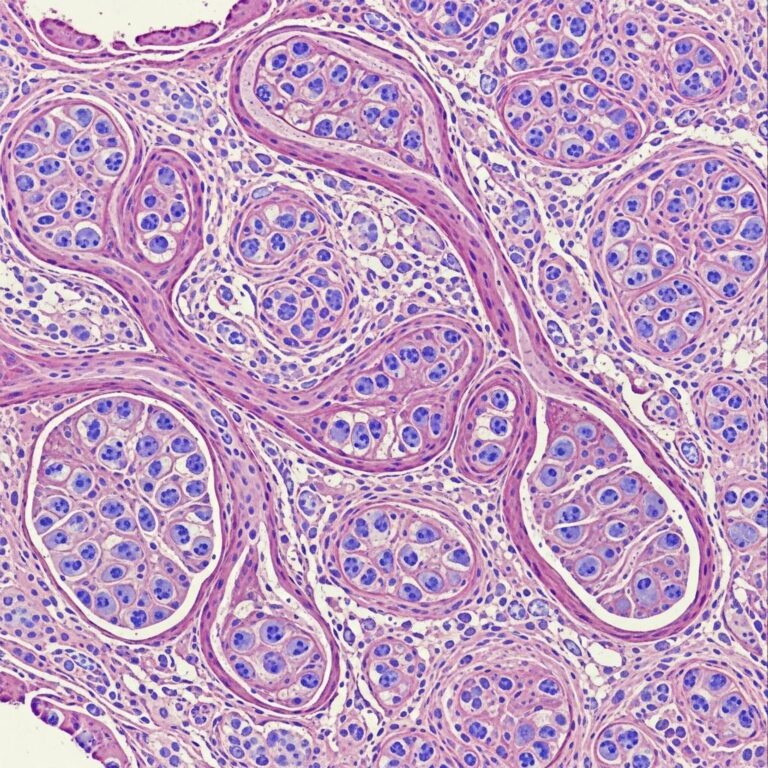
Biopsy: Rules out other conditions; shows spongiosis, lymphohistiocytic infiltrate, eosinophils (acute); hyperkeratosis, acanthosis (chronic).
Differential diagnoses:
| Condition | Key Distinctions |
|---|---|
| Phototoxic dermatitis | Painful sunburn-like, no itch, quicker onset. |
| Allergic contact dermatitis | No photo-distribution; affects covered areas. |
| Airborne ACD | Less sparing of shadowed face areas. |
| Polymorphous light eruption | Recurrent, no specific allergen. |
| Lupus erythematosus | Systemic symptoms, ANA positive. |
Treatment
Primary: Identify and avoid causative agent via patch/photopatch testing and “safe lists”.
- Topical: Mid-high potency corticosteroids (e.g., triamcinolone) for acute; calcineurin inhibitors (tacrolimus) for face/periorbital or steroid-sparing.
- Systemic: Prednisone 0.5-1 mg/kg taper for widespread/severe PACD; antihistamines for itch.
- Supportive: Emollients, cool compresses, photoprotection (broad-spectrum SPF 50+, clothing).
- Phototoxic cases: Self-limiting; treat as sunburn.
Prevention
- Avoid known photoallergens/phototoxins; read labels.
- Use mineral sunscreens (zinc oxide, titanium dioxide) less likely to cause PACD.
- Photoprotection: UPF clothing, hats, seek shade 10am-4pm.
- Pre-treatment testing for high-risk occupations/products.
Outcome
PTCD resolves in 1 week with avoidance; PACD up to 3 weeks. Hyperpigmentation fades months. Recurrence prevented by avoidance. Persistent cases need specialist follow-up.
Frequently Asked Questions
What is photocontact dermatitis?
A skin inflammation from light reacting with chemicals like sunscreens or plants on sun-exposed areas.
How do phototoxic and photoallergic differ?
Phototoxic: Non-immune, sunburn-like, anyone affected. Photoallergic: Immune, itchy eczema, sensitized individuals.
Can sunscreen cause it?
Yes, UV filters like oxybenzone trigger PACD.
How is it diagnosed?
History, exam, photopatch testing.
Does it go away?
Yes, with avoidance; PTCD in days, PACD weeks.
References
- Photoallergic Contact Dermatitis — HMP Global Learning Network. 2023. https://www.hmpgloballearningnetwork.com/site/thederm/allergen-focus/photoallergic-contact-dermatitis
- Contact Dermatitis — NCBI Bookshelf (StatPearls). 2023-10-23. https://www.ncbi.nlm.nih.gov/books/NBK459230/
- Photocontact Dermatitis — DermNet NZ. 2024. https://dermnetnz.org/topics/photocontact-dermatitis
- Diagnosis and Management of Contact Dermatitis — American Academy of Family Physicians (AAFP). 2010-08-01. https://www.aafp.org/pubs/afp/issues/2010/0801/p249.html
Similar Articles








Read full bio of Sneha Tete