Photodynamic Therapy CME: Complete Guide For Dermatology
Comprehensive guide to photodynamic therapy: principles, applications, protocols, and outcomes in dermatology.
Photodynamic Therapy CME
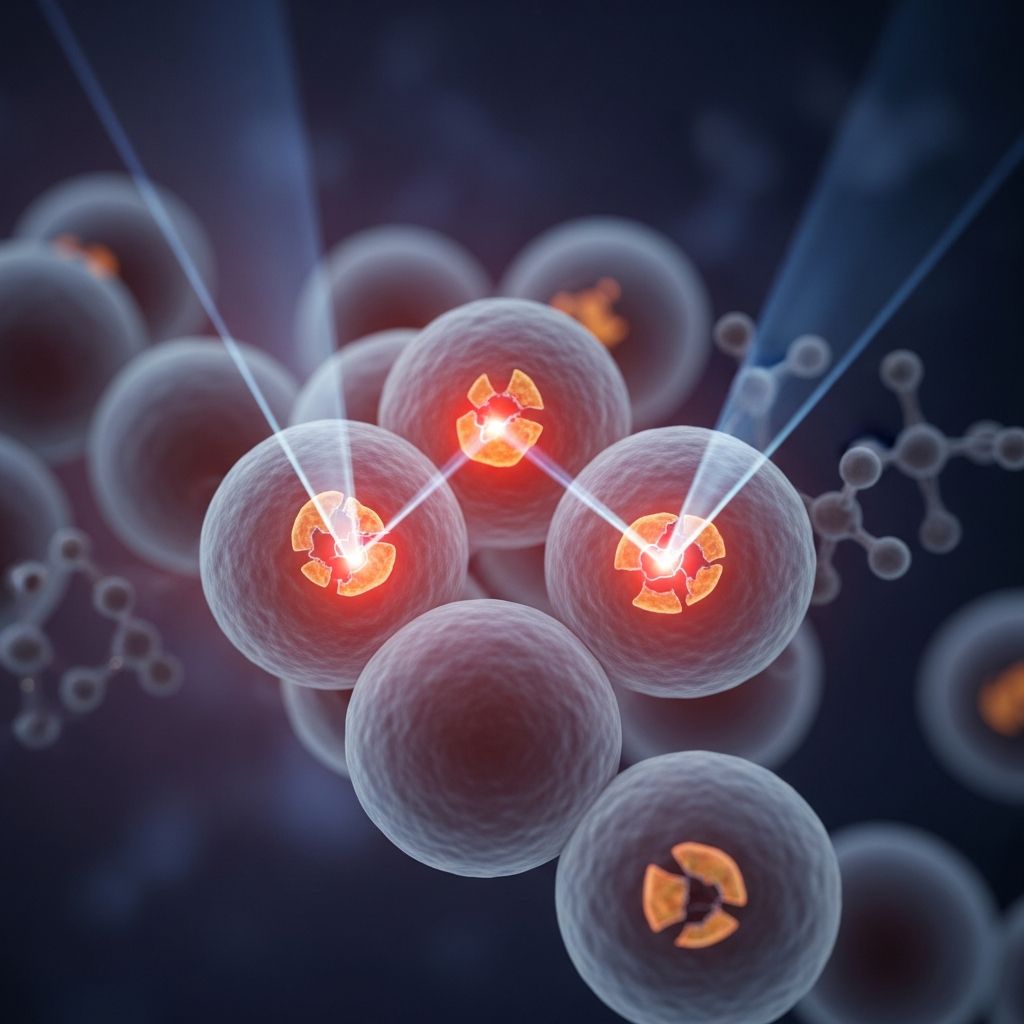
Photodynamic therapy (PDT) is a non-invasive treatment that uses a photosensitizing agent, light, and oxygen to destroy abnormal cells, primarily used for superficial skin cancers and precancerous lesions.
What is photodynamic therapy?
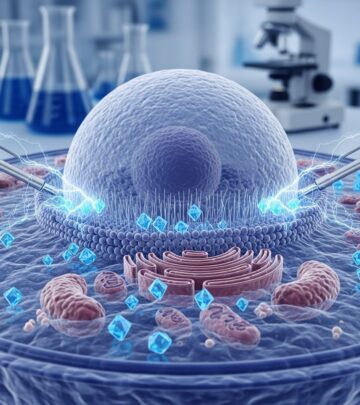
Photodynamic therapy (PDT) combines a topical photosensitizer, such as aminolevulinic acid (ALA) or methyl aminolevulinate (MAL), with specific wavelength light to target and eliminate diseased cells. The photosensitizer is absorbed preferentially by abnormal cells, which produce protoporphyrin IX (PpIX) upon light activation, generating reactive oxygen species that induce cell death.
PDT is FDA-approved for field treatment of actinic keratoses (AKs), precancerous lesions that can progress to squamous cell carcinoma. It is also effective for in situ squamous cell carcinoma (Bowen’s disease), superficial basal cell carcinomas (BCCs), and off-label uses like acne and photorejuvenation.
History of photodynamic therapy
PDT’s origins trace back to the early 20th century when Friedrich Meyer-Betz observed photosensitivity after injecting hematoporphyrin. Modern topical PDT for dermatology emerged in the 1990s with ALA, enabling selective treatment of superficial lesions without systemic photosensitivity.
Key advancements include nanoemulsion formulations like BF-200 ALA, improving efficacy for AKs, as shown in phase III trials with BF-RhodoLED lamps achieving superior clearance rates.
How does photodynamic therapy work?
PDT involves three elements: a pro-drug photosensitizer (e.g., ALA, MAL), light (red, blue, or daylight), and oxygen. The pro-drug is converted to PpIX in target cells. Light excitation (typically 630 nm red light) produces singlet oxygen, causing apoptosis or necrosis.
- Selective uptake: Abnormal cells accumulate more PpIX due to altered enzyme activity.
- Light activation: Penetrates skin to activate PpIX, sparing healthy tissue.
- ROS generation: Leads to vascular shutdown, inflammation, and cell death.
Daylight PDT (DL-PDT) uses natural sunlight, reducing pain compared to conventional PDT (c-PDT).
Indications for photodynamic therapy
PDT is indicated for:
- Actinic keratoses (field cancerization on face/scalp).
- Superficial BCCs and Bowen’s disease.
- Off-label: Acne vulgaris (targets sebaceous glands), photorejuvenation, warts, onychomycosis.
| Condition | Efficacy | Source |
|---|---|---|
| Actinic Keratosis | High clearance (70-90%) | |
| Superficial BCC | 80-90% response | |
| Acne | Moderate reduction in lesions |
Contraindications and precautions
Contraindications include porphyria, hypersensitivity to photosensitizers, and breastfeeding. Precautions for photosensitive conditions, recent isotretinoin use, or large treatment areas. Avoid in hyperkeratotic lesions without pretreatment.
Photosensitizers used in PDT
- ALA (Levulan, Ameluz): 10-20% solution, incubation 1-3 hours.
- MAL (Metvix): Similar to ALA, better skin penetration.
- BF-200 ALA: Nanoemulsion for enhanced stability and efficacy.
Light sources for PDT
- Red LED (630 nm, e.g., BF-RhodoLED): Deeper penetration.
- Blue light (417 nm): Superficial, FDA-approved for AKs.
- Daylight: Natural spectrum, less painful.
Conventional PDT protocol
- Preparation: Degrease skin with alcohol/saline, curette thick lesions.
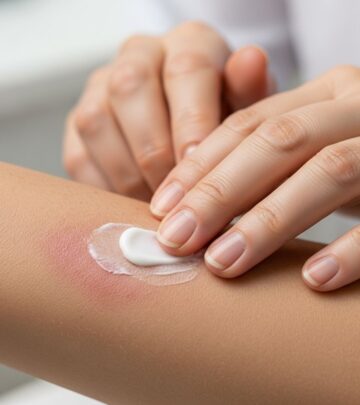
- Apply photosensitizer: ALA/MAL for 1-3 hours occluded.
- Illuminate: 10-30 min red/blue light.
- Post-care: Sun avoidance 48 hours, moisturize.
Daylight PDT protocol
DL-PDT: Apply ALA, expose to daylight after 30 min, 2 hours total. Ideal for thin AKs on face/scalp. Superior cosmesis, less pain.
Pretreatment for PDT
For thick/hyperkeratotic AKs: Salicylic acid plasters, curettage, or keratolytics 1-7 days prior to enhance penetration.
Pain management during PDT
Pain (burning/stinging) managed with cooling fans, local anesthetics (lidocaine), or shorter incubation. DL-PDT minimizes discomfort.
Side effects of PDT
Common: Erythema, edema, crusting (sunburn-like, resolves 5-7 days). Rare: Blistering, hyper/hypopigmentation, scarring. Less downtime than topicals like 5-FU.
Efficacy of PDT
For AKs: 75-90% clearance at 3 months, sustained with maintenance. Superior to placebo in trials; comparable or better than cryotherapy for cosmesis.
Comparison of PDT with other treatments
| Treatment | Pain | Downtime | Cosmesis | Efficacy (AKs) |
|---|---|---|---|---|
| PDT | Moderate | 5-7 days | Excellent | 80-90% |
| Cryotherapy | Low | Spot only | Good | 70-85% |
| 5-FU Cream | High | 4 weeks | Good | 70-80% |
PDT offers field treatment, better cosmesis.
Recurrence rates after PDT
AK recurrence 10-20% at 1 year; retreatment annually. Preventive in field cancerization.
Future directions in PDT
Advancements: Nanotechnology for better delivery, combination with lasers (e.g., Er:YAG), antimicrobial PDT, and expanded indications like extramammary Paget disease.
Frequently Asked Questions (FAQs)
What is photodynamic therapy used for?
PDT treats actinic keratoses, superficial skin cancers, acne, and improves photoaging.
Is PDT painful?
Mild to moderate burning during illumination, manageable with cooling.
How long is recovery?
Redness/scaling resolves in 5-7 days; avoid sun for 48 hours.
Does insurance cover PDT?
Yes, for actinic keratoses as FDA-approved.
How many sessions are needed?
1-2 sessions, 4-6 weeks apart, with annual maintenance.
References
- Photodynamic Therapy | Clear Dermatology — Jennifer L. Mueller, MD. Accessed 2026. https://www.mycleardermatology.com/photodynamic-therapy
- Photodynamic Therapy (PDT) – Fairfield Dermatology — Fairfield Dermatology. Accessed 2026. https://www.fairfieldderm.com/procedures/photodynamic-therapy-pdt/
- Photodynamic therapy (PDT) – DermNet — DermNet NZ. Accessed 2026. https://dermnetnz.org/topics/photodynamic-therapy
- Photodynamic therapy: A hot topic in dermato-oncology — PMC – NIH. 2019-03-29. https://pmc.ncbi.nlm.nih.gov/articles/PMC6444307/
- Photodynamic therapy – Mayo Clinic — Mayo Clinic. Accessed 2026. https://www.mayoclinic.org/tests-procedures/photodynamic-therapy/about/pac-20385027
- Photodynamic Therapy for Dermatologic Conditions – StatPearls — NCBI Bookshelf. Accessed 2026. https://www.ncbi.nlm.nih.gov/books/NBK617062/
Similar Articles



Read full bio of medha deb