Photographic Skin Surveillance: Guide For High-Risk Patients
Essential screening for high-risk melanoma patients using digital imaging and mole mapping techniques.
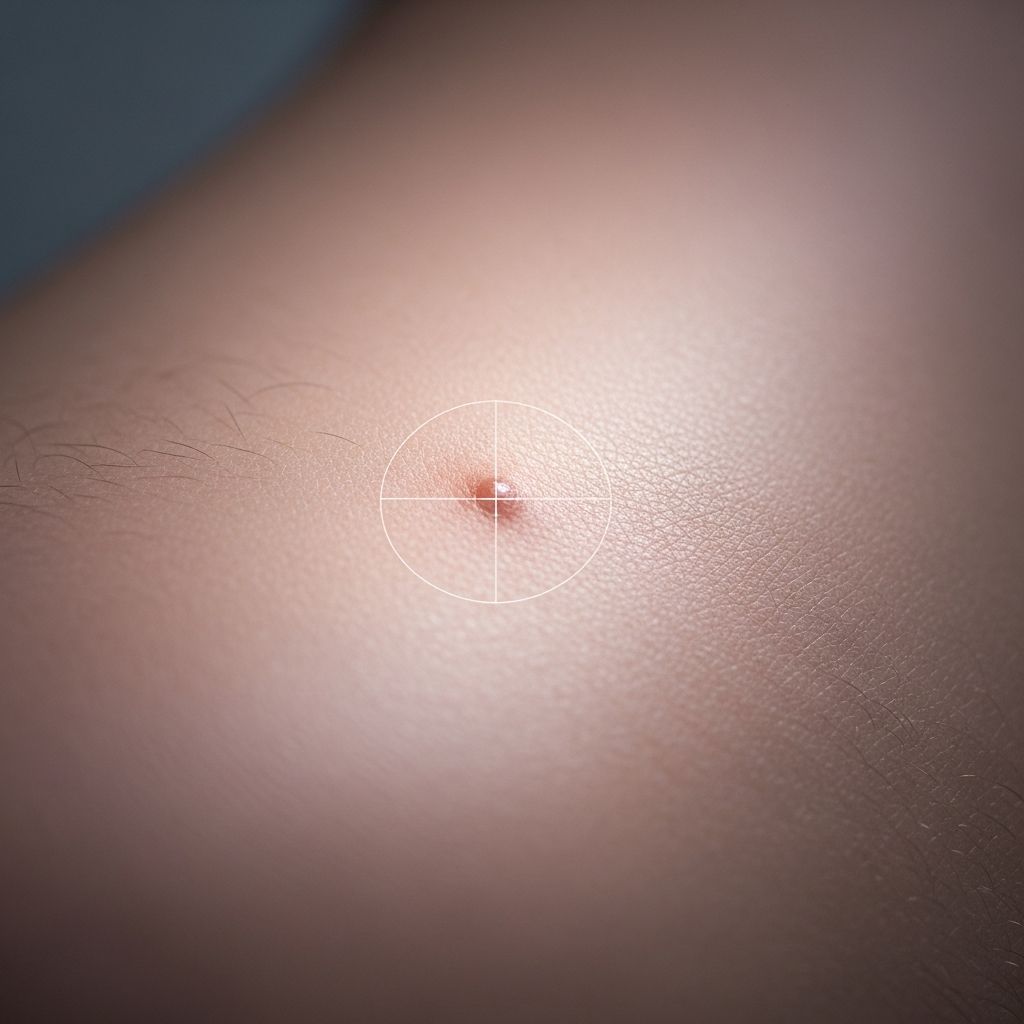
Photographic skin surveillance, often referred to as mole mapping or total body photography, is a specialized screening method primarily designed for individuals at high risk of developing malignant melanoma. This technique involves systematic digital imaging of the skin to monitor lesions over time, enabling early detection of changes that may indicate skin cancer.
Introduction
Photographic skin surveillance serves as a proactive tool in dermatology, particularly for melanoma prevention and early intervention. Unlike routine skin checks, it provides a baseline record of the skin’s appearance, allowing dermatologists to track subtle changes in moles or lesions that might evade detection through visual examination alone. Programs like MoleMap in New Zealand exemplify this approach, combining full-body photography with detailed lesion imaging to create a comprehensive dermatological map.
The process typically includes whole-body photographs, close-up images of individual lesions using dermoscopy, and sometimes regional overviews. This multi-layered imaging facilitates precise monitoring, especially in patients with numerous moles or a history of skin cancer. By establishing a visual archive, clinicians can compare current images against prior records, identifying new growths or alterations in size, shape, color, or structure that warrant further investigation.
Which Lesions Should Be Imaged?
Not all skin lesions require imaging; priority is given to those exhibiting suspicious features consistent with melanoma, basal cell carcinoma, or squamous cell carcinoma. Key characteristics include asymmetry, irregular borders, varied colors (e.g., shades of brown, black, red, white, or blue), diameter greater than 6 mm, and evolving appearance over weeks to years—the classic ABCDE criteria.
Lesions of particular concern are:
- New moles appearing in adulthood.
- Enlarging or changing pigmented lesions.
- Distinctive or unusual spots that differ from the patient’s typical skin pattern (the “ugly duckling” sign).
- Non-healing sores, pearly nodules, or scaly patches suggestive of other skin cancers.
If any lesion raises concern, consult a doctor promptly. They may recommend biopsy, follow-up, specialist referral, or inclusion in a surveillance program. Pigmented moles—light to dark brown—are best suited for imaging, as accurate assessment relies on evaluating pigment structure via dermatoscopy.
Who Should Undergo Photographic Skin Surveillance?
This surveillance is most beneficial for high-risk individuals. Ideal candidates include those with:
- Personal or family history of melanoma.
- Multiple dysplastic or atypical moles (more than 50 common moles or any atypical ones).
- Fair skin, numerous freckles, or a tendency to burn rather than tan.
- Previous skin cancer diagnoses or immunosuppression (e.g., organ transplant recipients).
- Genetic predispositions like familial atypical multiple mole melanoma (FAMMM) syndrome.
High-risk patients over age 50 or with a history of skin cancer see particular value, as studies indicate up to a 17% increase in melanoma detection rates with total body photography. It is less routine for low-risk individuals, where self-exams suffice.
Procedure for Photographic Skin Surveillance
Patients prepare by removing outer clothing, makeup, nail varnish, jewelry, and tying up long hair to ensure unobstructed views. The session, conducted in a controlled environment, captures:
Related Stories



- Full-body photographs: Standardized poses covering front, back, sides, and scalp (using a hair part if needed).
- Regional close-ups: Detailed images of areas like arms, legs, torso, and face.
- Dermoscopy of selected lesions: Magnified, polarized images revealing subsurface structures for enhanced diagnostic accuracy.
Advanced systems use software for mole mapping, tagging lesions with unique identifiers for serial comparison. Sessions last 20-45 minutes, with follow-ups every 3-12 months based on risk level.
| Imaging Type | Purpose | Equipment | Best For |
|---|---|---|---|
| Full-Body Photography | Baseline mapping | DSLR or high-res camera | High mole count |
| Dermoscopy | Lesion structure analysis | Dermatoscope attachment | Pigmented lesions |
| Regional Macros | Targeted monitoring | Macro lens/smartphone | Hard-to-see areas |
Advantages
Photographic surveillance offers distinct benefits over self-examination or general practitioner checks:
- Early Detection: Identifies new or changing lesions at in-situ stages, improving survival rates.
- Objective Tracking: Reduces subjectivity; prior images serve as a reference, minimizing unnecessary biopsies.
- Efficiency: Dermatologists focus on changes rather than rescanning stable skin, streamlining visits.
- Patient Reassurance: Stable moles provide peace of mind; high-risk patients benefit from structured monitoring.
- Teledermatology Integration: Images enable remote specialist review.
Evidence supports its efficacy, with DermNet NZ highlighting its role in high-risk screening.
Risks and Limitations
While valuable, no screening is flawless. Potential drawbacks include:
- False negatives: Early melanomas may lack overt changes initially.
- False positives: Benign changes (e.g., from sun exposure) may prompt biopsies.
- Radiation/privacy concerns: Minimal with digital methods, but data security is paramount.
- Cost: Out-of-pocket for private programs; not always covered by insurance.
- Access: Limited in some regions without specialized clinics.
Clients should discuss with their doctor to weigh benefits against personal risk. Apps like Miiskin address some gaps by aiding self-monitoring but lack diagnostic capability.
Self-Examination and App Integration
Complement surveillance with monthly self-skin exams using the ABCDE rule and photography. Smartphone apps enhance this:
- Miiskin: Maps moles via body part photos, tracks changes.
- Others: Reminders, AI-assisted marking (non-diagnostic).
Melanoma Institute Australia recommends periodic photos for comparison. Teledermatology shows promise when initiated by experts.
Frequently Asked Questions (FAQs)
Q: How often should high-risk patients have surveillance?
A: Every 3-6 months initially, then annually if stable, per dermatologist guidance.
Q: Is it painful or invasive?
A: Non-invasive; involves only photography, no needles or radiation.
Q: Can apps replace professional surveillance?
A: No; apps aid self-exams but require professional oversight for diagnosis.
Q: What if a change is detected between visits?
A: Contact your doctor immediately for biopsy or expedited review.
Q: Is it suitable for children?
A: Rarely; focus on high-risk adults. Pediatric cases per specialist advice.
Conclusion
Photographic skin surveillance empowers early melanoma detection, transforming management for high-risk patients. Combined with self-vigilance, it optimizes outcomes.
References
- Photographic Skin Surveillance — DermNet NZ. 2023-10-01. https://dermnetnz.org/topics/photographic-skin-surveillance
- Skin Cancer Surveillance Strategies — DermNet NZ. 2023-05-15. https://dermnetnz.org/topics/skin-cancer-and-self-exams
- Total Body Photography Software and Early Detection — DermEngine. 2024-02-20. https://www.dermengine.com/blog/dermatology-total-body-photography-artificial-intelligence
- Image Acquisition in Dermatology — DermNet NZ. 2023-08-12. https://dermnetnz.org/topics/image-acquisition-in-dermatology
- See Your Doctor for a Skin Check — DermNet NZ. 2024-01-10. https://dermnetnz.org/topics/see-your-doctor-for-a-skin-check
Similar Articles








Read full bio of Sneha Tete