Photophobia: Symptoms, Causes, Treatment
Understand photophobia: extreme light sensitivity affecting millions. Learn causes like migraines, treatments, and when to seek urgent care.
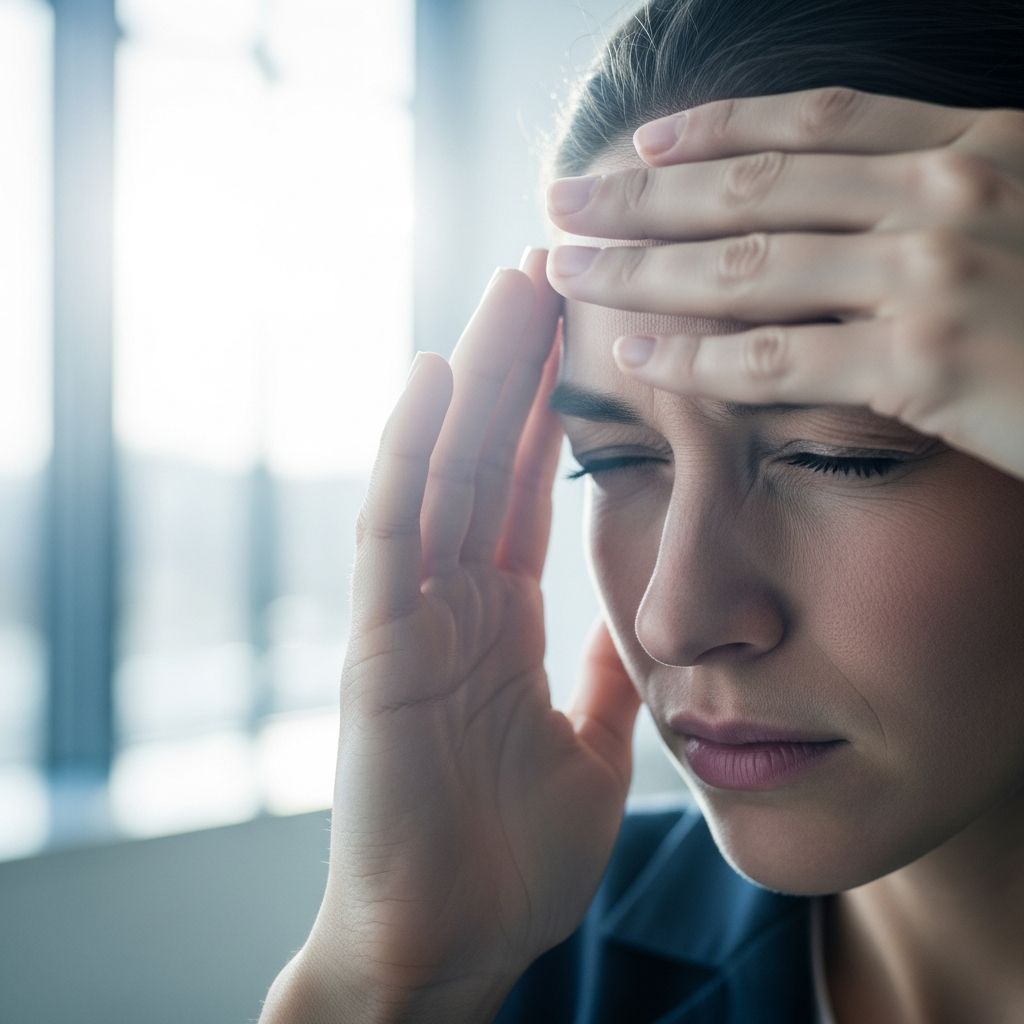
Photophobia, or extreme sensitivity to light, causes discomfort, pain, or an aversion to normal light levels, affecting daily activities for many. This condition often signals underlying eye, neurological, or systemic issues, with migraines as the most common trigger.
What Is Photophobia?
Photophobia refers to heightened light sensitivity where typical illumination feels overwhelmingly bright, leading to eye pain, squinting, or avoidance behaviors. Unlike normal adjustment to light changes, photophobia persists, disrupting vision and comfort.
It manifests as a sensory response involving discomfort in the eyes or head, sometimes triggering avoidance. The term derives from Greek roots meaning ‘light’ and ‘fear,’ though it involves pain more than fear.
Symptoms of Photophobia
Core symptoms include eye pain or aching upon light exposure, excessive tearing, blepharospasm (involuntary blinking), and headaches. Individuals may squint persistently, experience nausea, dizziness, or pressure behind the eyes in severe cases.
- Eye discomfort: Pain, burning, or strain from ambient light.
- Headaches: Often migraine-like, worsened by brightness.
- Visual disturbances: Blurred vision, halos, or photopsias (light flashes).
- Systemic signs: Nausea, fatigue, or neck stiffness if neurological.
Photophobia intensity varies; mild cases involve indoor fluorescent lights, while severe ones make sunlight debilitating.
Causes of Photophobia
Photophobia arises from ocular, neurological, or other disorders irritating light-sensitive pathways. Common causes span eye surface issues to brain conditions.
Ocular Causes
- Dry eyes: Most frequent, reducing tear film protection.
- Uveitis: Inflammation of the eye’s middle layer.
- Corneal abrasions or infections: Surface damage heightens sensitivity.
- Retinal disorders: Dystrophies, retinitis pigmentosa, cone dystrophies causing early photophobia.
- Post-surgical: LASIK or cataract surgery complications.
Neurological Causes
Migraine tops the list, affecting up to 80% during attacks and recognized in diagnostic criteria. It involves trigeminal nerve activation and melanopsin retinal cells.
- Migraine: Primary neurologic trigger.
- Traumatic brain injury (TBI): Persists post-injury, linked to pain-sensitive structures.
- Blepharospasm: Involuntary eyelid closure.
- Progressive supranuclear palsy (PSP): Rare neurodegenerative link.
Other Causes
- Infections: Meningitis (with fever, stiff neck).
- Medications: Certain drugs induce sensitivity.
- Psychological: Anxiety or depression exacerbates.
Studies show identifiable causes in most adults, like dry eyes or migraine, versus fewer in children.
When to See a Doctor for Photophobia
Sudden or severe photophobia demands prompt evaluation, especially with red flags. Seek emergency care for:
- Sudden vision loss or halos.
- Headache, nausea, vomiting (possible glaucoma or neurology).
- Fever, neck stiffness, confusion (meningitis).
- Eye redness, discharge, or trauma.
Chronic cases warrant ophthalmology or neurology consults for underlying diagnosis.
How Is Photophobia Diagnosed?
Diagnosis starts with history and exam, ruling out primaries. No single test exists; it’s symptom-based.
- Eye exam: Slit-lamp for cornea/uveitis, funduscopy for retina.
- Imaging: OCT for retina, neuroimaging if neurological.
- Neurologic tests: Reflexes, coordination for TBI/meningitis.
- fMRI studies: Show thalamic, cortical activation in research.
Screen for depression/anxiety, as they amplify symptoms.
Treatments for Photophobia
Treatment targets the cause while managing symptoms.
Addressing Underlying Conditions
Related Stories



- Treat dry eyes with artificial tears, anti-inflammatories.
- Migraine therapy: Triptans, preventives.
- Uveitis: Steroid drops.
Symptom Relief
- FL-41 tinted lenses: Block blue light.
- Reduce exposure: Dim screens, avoid fluorescents.
- Gradual desensitization: Increase light tolerance slowly.
| Strategy | Description | Evidence |
|---|---|---|
| Sunglasses/hat outdoors | Glare reduction | |
| Natural indoor light | Avoids stark fluorescents | |
| Screen brightness down | Lowers blue light | |
| Green light bulbs | Migraine-safe wavelength |
Avoid chronic darkness, as it worsens sensitivity.
Prevention Tips
- Wear UV-protective sunglasses.
- Maintain hydration, blink exercises for dry eyes.
- Manage migraine triggers: sleep, stress.
- Use matte screens, night modes.
Photophobia and Migraine: A Closer Look
Photophobia validates migraine diagnosis with high predictive value alongside nausea/disability. Melanopsin pathways link light to trigeminal pain. Chronic cases disable daily life.
Frequently Asked Questions (FAQs)
Is photophobia dangerous?
Not usually, but signals issues needing treatment; emergencies include sudden onset with neurological signs.
Can dry eyes cause photophobia?
Yes, the top ocular cause due to unprotected surface.
Does photophobia mean eye damage?
Often not; more sensory hypersensitivity, but requires evaluation.
How long does photophobia last?
Varies by cause: acute with infections, chronic with migraine/TBI.
Are there home remedies?
Dim lights, FL-41 glasses, hydration; treat cause professionally.
Impact on Quality of Life
Up to 25% report major life interference; half unemployed in severe cohorts. Addressing boosts function.
References
- Photophobia: Causes, symptoms, and treatment — Medical News Today. 2023-10-12. https://www.medicalnewstoday.com/articles/photophobia
- Shedding Light on Photophobia — PubMed Central (PMC). 2012-06-25. https://pmc.ncbi.nlm.nih.gov/articles/PMC3485070/
- What Is Photophobia & Can It Be Treated? — American Migraine Foundation. 2024-05-15. https://americanmigrainefoundation.org/resource-library/what-is-photophobia/
- Sudden Light Sensitivity: When Is It an Eye Emergency — Cheshire ReFocus Eye Doctors. 2023-08-20. https://cheshire.refocuseyedoctors.com/article/sudden-light-sensitivity-when-is-it-an-eye-emergency/
- Photophobia — MedlinePlus (NIH). 2024-01-10. https://medlineplus.gov/ency/article/003041.htm
Similar Articles








Read full bio of Sneha Tete