Photosensitivity Dermatitis: Diagnosis, Triggers, And Care
Understanding photosensitivity dermatitis: causes, symptoms, diagnosis, and effective management strategies for light-induced skin reactions.
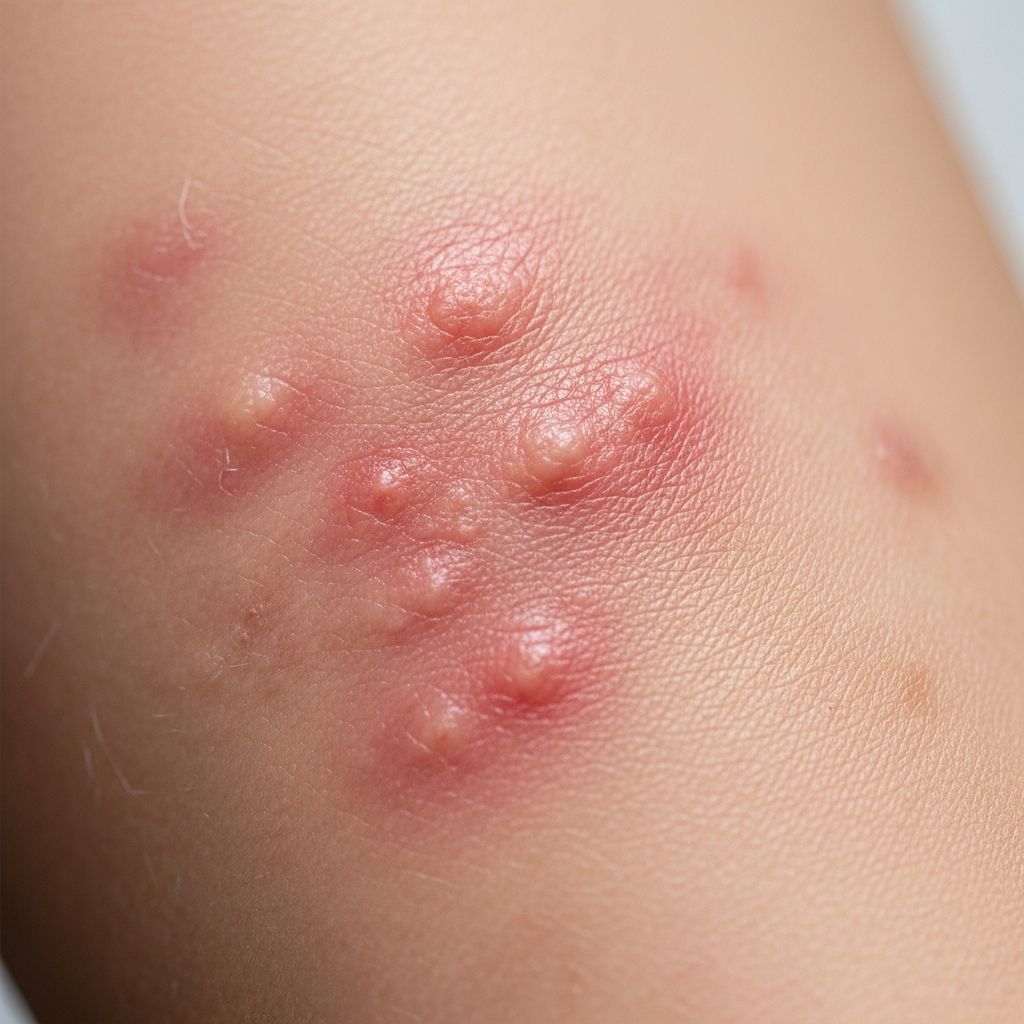
Photosensitivity dermatitis, also known as chronic photosensitivity dermatitis (CSD) or chronic actinic dermatitis (CAD), is a persistent eczematous skin condition triggered by exposure to ultraviolet (UV) radiation or visible light. It primarily affects middle-aged to older adults, particularly those with a history of atopic dermatitis or contact allergies, leading to severe inflammation on sun-exposed areas.
What is photosensitivity dermatitis?
Photosensitivity dermatitis represents an immunologically mediated reaction where the skin develops chronic eczema following minimal exposure to sunlight or artificial light sources. Unlike acute sunburn, this condition persists and worsens over time, often sparing shaded areas such as skin folds, submental regions, and upper eyelids. The term encompasses a spectrum of photodermatoses characterized by abnormal photosensitivity to UVA, UVB, and sometimes visible light.
Clinically, it manifests as a polymorphous eruption with erythematous, scaly plaques, vesicles, and lichenification predominantly on photo-exposed sites like the face, neck, dorsal hands, and V-neck area. The condition can significantly impair quality of life, necessitating strict photoprotection and long-term management.
Who gets photosensitivity dermatitis?
Photosensitivity dermatitis predominantly affects males over the age of 50 years, with a male-to-female ratio of approximately 2:1. It is more common in individuals with fair skin types (Fitzpatrick I-II) and a personal or family history of atopic dermatitis, allergic contact dermatitis, or other photodermatoses.
Key predisposing factors include:
- Previous exposure to photosensitizing agents such as plants (e.g., chrysanthemums containing Compositae allergens) or medications.
- History of photocontact dermatitis that persists beyond discontinuation of the allergen, termed persistent light reaction.
- Co-existing conditions like photoaggravated atopic dermatitis or actinic reticuloid, a severe variant with extreme photosensitivity.
Risk increases with cumulative UV exposure, and airborne contact dermatitis from plant oleoresins can precede onset in up to 50% of cases.
What causes photosensitivity dermatitis?
The pathogenesis involves a delayed-type hypersensitivity (type IV) reaction to photo-modified endogenous or exogenous antigens. UVA radiation (320-400 nm) is most commonly implicated, though UVB (290-320 nm) and visible light (400-700 nm) can also provoke reactions in severe cases.
Primary triggers include:
- Photoallergic contact dermatitis: Allergens like sesquiterpene lactones in Compositae plants (ragweed, chrysanthemum), fragrances (oakmoss), and sunscreen chemicals (benzophenones, oxybenzone).
- Drugs: Phototoxic reactions from NSAIDs, tetracyclines, thiazides, or photoallergic responses to phenothiazines and antimalarials.
- Idiopathic mechanisms: Autoimmune-like responses in chronic actinic dermatitis, where photoaltered skin proteins act as haptens.
In photoaggravated atopic dermatitis, inherent barrier dysfunction and immune dysregulation amplify light-induced flares, sometimes after brief exposures as short as 30 seconds.
Clinical features of photosensitivity dermatitis
The hallmark is a chronic, relapsing eczematous dermatitis confined to photo-exposed skin. Acute flares present with pruritic, erythematous papules, vesicles, and oedema, evolving into hyperkeratotic, lichenified plaques during chronic phases.
Related Stories



| Site | Typical Features |
|---|---|
| Face (especially malar areas) | Erythema, scaling, sparing nasolabial folds and upper eyelids |
| Neck (V-neck) | Poikiloderma, fine telangiectasia |
| Dorsal hands | Thickened skin, fissuring |
| Spared areas | Submental triangle, finger webs, retroauricular regions |
Severe cases may show generalized erythroderma or actinic reticuloid with exaggerated skin thickening mimicking lymphoma. Symptoms peak in spring/summer and improve in winter.
Diagnosis of photosensitivity dermatitis
Diagnosis relies on clinical history, morphology, and specialized phototesting. Key steps include:
- Phototesting: Monochromator phototesting identifies action spectrum (UVA/UVB/visible light). Abnormal minimal erythema dose (MED) confirms photosensitivity.
- Patch testing: To standard series, plants, photoallergens, and patient’s own products to detect contact allergies.
- Photopatch testing: Compares reactions with/without UV exposure to distinguish photoallergy.
- Histology: Lymphocytic infiltrate in dermis/epidermis, mimicking chronic eczema.
Differential diagnoses include polymorphous light eruption (PMLE), solar urticaria, lupus erythematosus, and cutaneous T-cell lymphoma. Blood tests rule out porphyria or connective tissue diseases.
Treatment of photosensitivity dermatitis
Management focuses on rigorous photoprotection, allergen avoidance, and anti-inflammatory therapies. No curative treatment exists; goals are symptom control and flare prevention.
Photoprotection
Essential cornerstone:
- Broad-spectrum sunscreens (SPF 50+ PA++++), reapplied every 2 hours; tinted formulations block visible light.
- Protective clothing: UPF 50+ garments, wide-brimmed hats, gloves.
- Behavioural: Avoid 10 AM-4 PM sun, seek shade, use UV-blocking window films.
Topical therapies
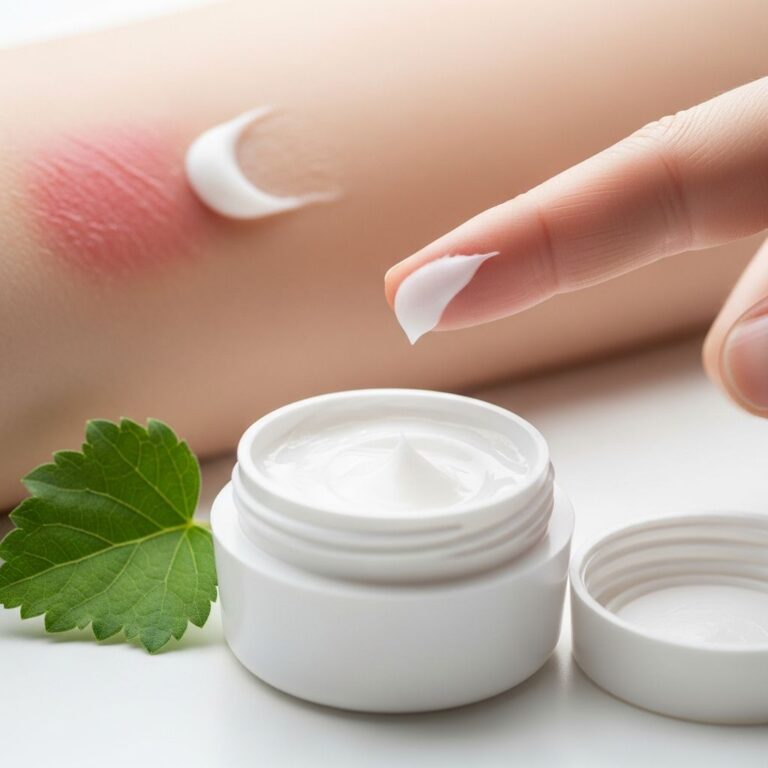
- Emollients to restore barrier function.
- Potent topical corticosteroids (e.g., clobetasol) for acute flares, tapered to mild agents.
- Calcineurin inhibitors (tacrolimus) for facial/periorbital use.
Systemic therapies
For moderate-severe disease:
- Corticosteroids: Prednisone 0.5-1 mg/kg tapered over 4-6 weeks.
- Immunosuppressants: Azathioprine (1.5-2.5 mg/kg), methotrexate, or mycophenolate mofetil.
- Antihistamines: For pruritus.
- Phototherapy: Narrowband UVB or PUVA for desensitization in select cases.
Refractory cases may require cyclosporine or biologics like dupilumab.
Chronic photosensitivity dermatitis
This severe subset requires lifelong immunosuppression. Azathioprine remains first-line, with monitoring for hepatotoxicity and lymphopenia. Patient education on photoprotection compliance is critical to prevent flares.
Photosensitivity eruptions due to drugs
Drugs induce photosensitivity via phototoxic (sunburn-like) or photoallergic (eczematous) mechanisms. Common culprits:
- Phototoxic: Amiodarone, tetracyclines, NSAIDs, fluoroquinolones, thiazides.
- Photoallergic: Phenothiazines, sulfonamides, quinine, voriconazole.
Discontinue offending agents promptly; symptoms resolve in weeks to months.
Photoaggravated atopic dermatitis
Atopics may develop profound photosensitivity, reacting to minimal daylight. Often linked to prior contact photoallergy. Treat with intensified emollients, topical steroids, and immunosuppressants if needed.
Frequently Asked Questions (FAQs)
Q: How can I prevent photosensitivity dermatitis flares?
A: Strict photoprotection with broad-spectrum sunscreens, protective clothing, and avoiding peak sun hours is essential. Identify and avoid personal triggers via patch testing.
Q: Is photosensitivity dermatitis curable?
A: No, it is chronic, but well-controlled with consistent management. Many achieve remission with photoprotection and therapy.
Q: Can medications cause this condition?
A: Yes, drugs like thiazides and tetracyclines commonly provoke reactions. Consult your doctor before changes.
Q: What does phototesting involve?
A: It measures skin response to specific UV wavelengths to confirm diagnosis and guide avoidance.
Q: Is visible light harmful in this condition?
A: In severe cases, yes; use tinted sunscreens and barriers.
References
- Photosensitivity Dermatitis — DermNet NZ. 2023-05-15. https://dermnetnz.org/cme/dermatitis/photosensitivity-dermatitis
- Photosensitivity Reactions — MSD Manual Professional Edition. 2024-08-01. https://www.msdmanuals.com/professional/dermatologic-disorders/reactions-to-sunlight/photosensitivity-reactions
- Photosensitivity — StatPearls, NCBI Bookshelf. 2023-10-20. https://www.ncbi.nlm.nih.gov/books/NBK431072/
- Photosensitive dermatitis: Causes, symptoms, and treatments — Medical News Today. 2024-02-12. https://www.medicalnewstoday.com/articles/photosensitive-dermatitis
- Polymorphous light eruption – Diagnosis & treatment — Mayo Clinic. 2024-06-10. https://www.mayoclinic.org/diseases-conditions/polymorphous-light-eruption/diagnosis-treatment/drc-20355872
- Photosensitivity — Cleveland Clinic. 2023-11-05. https://my.clevelandclinic.org/health/symptoms/photosensitivity
Similar Articles








Read full bio of medha deb