Photosensitivity: Symptoms, Causes & Treatment
Understanding photosensitivity: Learn about UV reactions, symptoms, causes, and effective management strategies.
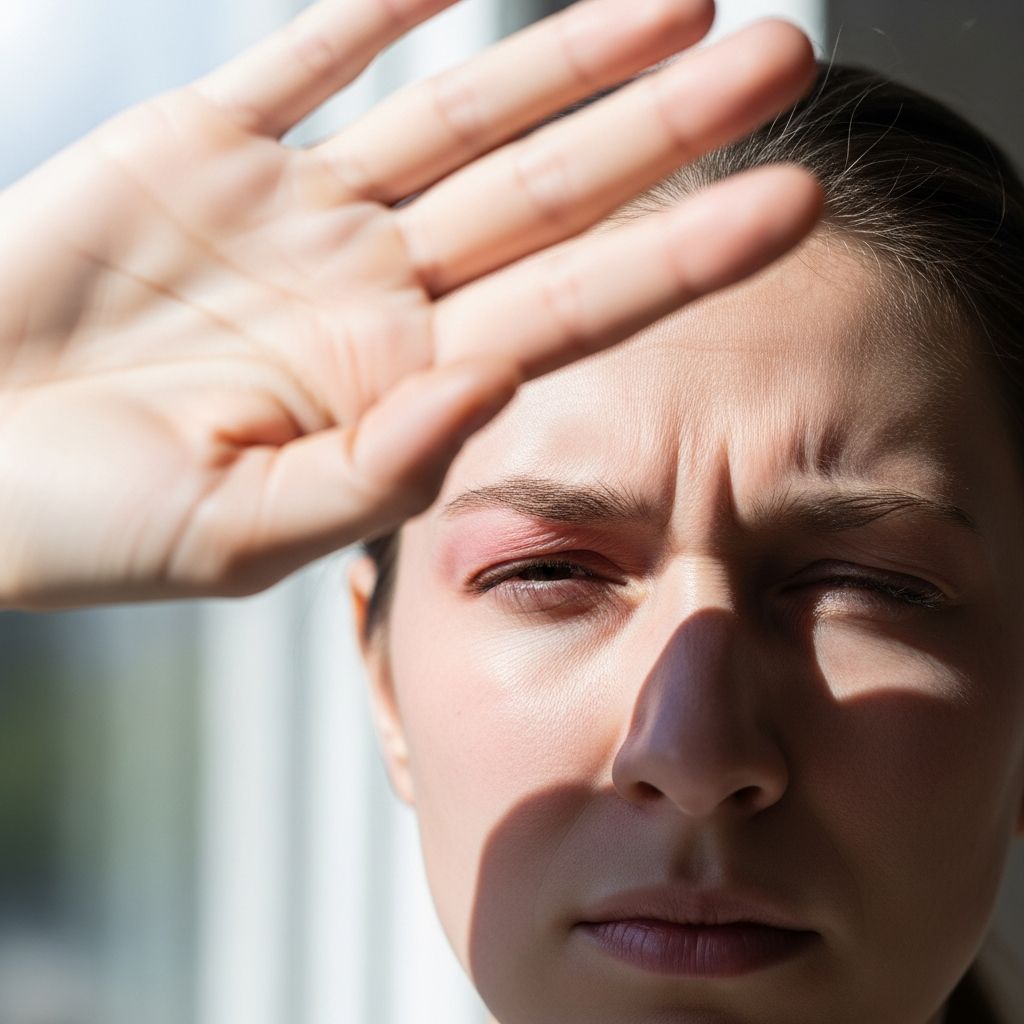
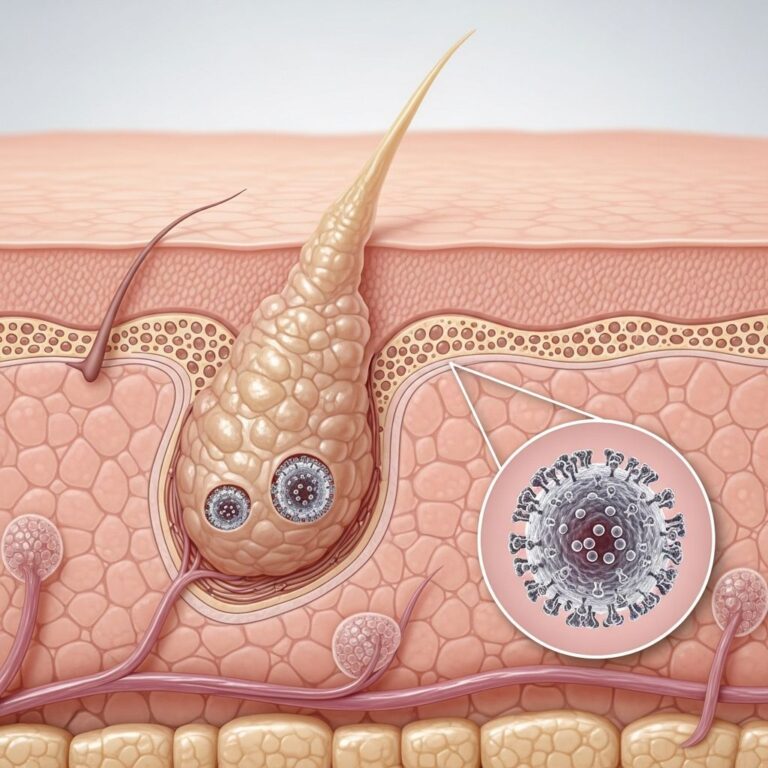
Photosensitivity is an extreme skin sensitivity to sunlight or other sources of ultraviolet (UV) radiation. It commonly appears as an itchy, painful rash that can develop within minutes of sun exposure, distinguishing it from typical sunburn. Unlike conventional sun damage that takes hours to develop, photosensitivity reactions can catch you off guard with rapid onset symptoms. If you notice a reaction after minimal sun exposure, speaking with a healthcare provider about treatment options is essential for managing this condition effectively.
Understanding Photosensitivity
Photosensitivity occurs when your skin reacts negatively to sunlight or other sources of ultraviolet (UV) radiation. The most common reaction is an itchy, painful and swollen rash that forms on areas of your skin that have direct sun exposure. In many cases, these patches are so well-defined that they follow the exact outline of sleeves, pant legs, or even your hair. This distinctive pattern makes photosensitivity reactions easily recognizable and often dramatically visible compared to standard sunburns.
The condition represents your body’s abnormal immune or chemical response to UV rays rather than simple sun damage. While everyone can get sunburned, individuals with photosensitivity experience disproportionately severe reactions to minimal UV exposure. This makes outdoor activities challenging and requires careful planning and protective strategies.
Symptoms of Photosensitivity
Localized Skin Reactions
When photosensitivity affects a small patch of skin, you may experience the following characteristics:
- Intense itching that may persist for hours or days
- Red, inflamed patches of skin
- Painful or tender areas to touch
- Swelling or puffiness in affected regions
- Blistering or fluid-filled bumps in severe cases
- Burning sensation when exposed to light
- Peeling or scaling of the skin as it heals
Widespread Reactions
If you have sun exposure on a large area of your skin, you might experience more systemic symptoms alongside the localized rash. These broader reactions can include flu-like symptoms, fever with chills, headache, nausea, weakness, and in severe cases, heat exhaustion or heatstroke. Widespread photosensitivity reactions warrant immediate medical attention as they indicate significant body-wide inflammation and potential dehydration.
Warning Signs Requiring Immediate Attention
Contact a healthcare provider right away if you notice any of these symptoms:
- Severe blistering or skin damage
- Signs of infection such as pus or warmth around the affected area
- Fever above 101°F (38.3°C)
- Confusion or difficulty concentrating
- Severe dehydration symptoms
- Difficulty breathing or chest pain
- Uncontrollable nausea or vomiting
- Fainting or loss of consciousness
You are most likely to see a photosensitivity reaction on your neck, back of hands, outside of arms, and lower legs. In severe cases, symptoms can spread to areas of the body not exposed to UV light and might appear within minutes of being in the sun or several days later.
Types of Photosensitivity Reactions
Phototoxic Reactions
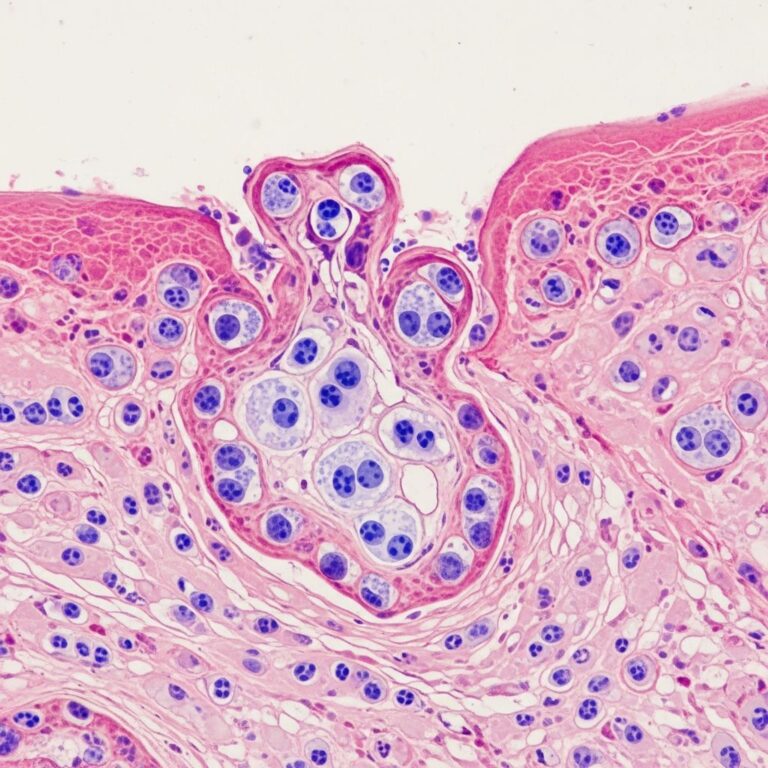
Phototoxic reactions are the more common type of photosensitivity response. These reactions look like an exaggerated sunburn characterized by redness, irritation, and possibly blistering. They can occur within minutes to hours of sun exposure. In phototoxic reactions, the drug or chemical in the skin absorbs UV light and becomes “activated,” injuring the skin cells directly. The combination of the drug and the ultraviolet light (both UVA and UVB) from the sun generates toxic and inflammatory reactions that are harmful for skin cells. Your skin may react shortly after sun exposure or it may take up to 24 hours for symptoms to fully manifest.
Related Stories



Photoallergic Reactions
Photoallergic reactions represent the less common type of photosensitivity. These reactions occur when the immune system becomes sensitized to a substance activated by UV light. Photoallergic responses typically appear as a rash similar to contact dermatitis and may involve itching and inflammation. These reactions can sometimes appear on areas of skin not directly exposed to the sun, making them less predictable than phototoxic responses. Photoallergic reactions often develop after repeated exposures to the triggering substance.
Common Causes of Photosensitivity
Medications
Certain medications significantly increase your risk of photosensitivity reactions. Common medications known to cause photosensitivity include:
- Antibiotics (particularly tetracyclines like doxycycline and sulfonamides)
- Nonsteroidal anti-inflammatory drugs (NSAIDs)
- Thiazide diuretics used for blood pressure management
- Certain antifungal medications
- Some antimalarial drugs
- Retinoids and vitamin A derivatives
- Photosensitizing skincare products containing high concentrations of active ingredients
Medical Conditions
Several underlying medical conditions predispose individuals to photosensitivity reactions, including lupus, porphyria, and certain other autoimmune or metabolic disorders. These conditions alter how your body processes UV radiation or trigger inappropriate immune responses to sun exposure.
Genetic Factors
Some individuals have inherited predispositions to photosensitivity. Genetic conditions affecting skin pigmentation or cellular UV protection mechanisms can significantly increase photosensitivity risk.
Environmental and Behavioral Factors
Certain substances and practices increase photosensitivity susceptibility. These include exposure to certain plants (like those containing psoralens), specific skincare ingredients, and cumulative UV exposure over time. Additionally, individuals with lighter skin tones generally have increased photosensitivity risk due to reduced protective melanin.
When to See a Healthcare Provider
No matter what’s causing your photosensitivity, make sure to talk to a healthcare provider if you notice any changes to your skin or experience reactions after sun exposure. A healthcare provider can help you figure out what’s causing the reaction. It could be as simple as changing your skin care routine or making an adjustment to your medications. Or they’ll help you create a long-term treatment plan so you can go outside with confidence.
If you ever have a severe reaction to UV radiation, you should see a provider right away. Early diagnosis and intervention can prevent complications and help you better manage your condition moving forward.
Managing Photosensitivity
Immediate Care for Reactions
If you experience a photosensitivity reaction, immediate action can minimize damage and discomfort. Move indoors or into shade immediately once you notice symptoms. Cool the affected skin with a cool, damp cloth to reduce inflammation and pain. Over-the-counter anti-itch lotions like calamine or 1% hydrocortisone cream may provide relief, though you should consult your medical team before applying any new products. Avoid further sun exposure until the reaction completely resolves.
Long-Term Management Strategies
Living with photosensitivity requires proactive planning and protective measures. Broad-spectrum sunscreen with SPF 30 or higher applied generously and reapplied every two hours provides essential protection. Wearing protective clothing including long sleeves, pants, wide-brimmed hats, and UV-blocking sunglasses significantly reduces exposure. Scheduling outdoor activities during early morning or late evening hours when UV rays are weakest helps minimize reaction risk. Staying hydrated supports your skin’s overall health and resilience.
Frequently Asked Questions
Q: How quickly can a photosensitivity reaction develop?
A: Photosensitivity reactions can appear within minutes of sun exposure, though some reactions may take several hours or even up to 24 hours to fully manifest. This rapid onset distinguishes photosensitivity from typical sunburn.
Q: Can photosensitivity reactions occur on areas not exposed to the sun?
A: Yes, in severe cases, particularly with photoallergic reactions, rashes can spread to areas not directly exposed to UV light. This makes photosensitivity reactions sometimes unpredictable in their distribution.
Q: Are photosensitivity reactions permanent?
A: Photosensitivity reactions themselves are temporary, though they can be severe and uncomfortable. However, the underlying condition causing photosensitivity may persist. Working with a healthcare provider to identify and address the cause is essential for long-term management.
Q: Can I prevent photosensitivity if I’m taking a medication known to cause it?
A: Yes. Strict sun protection measures including sunscreen, protective clothing, and limiting sun exposure can significantly reduce or prevent photosensitivity reactions even while taking photosensitizing medications. However, do not stop taking prescribed medications without consulting your healthcare provider.
Q: What should I do if I experience severe photosensitivity symptoms?
A: Seek immediate medical attention if you develop fever, severe blistering, signs of infection, confusion, or difficulty breathing following sun exposure. These symptoms indicate a serious reaction requiring professional medical care.
Moving Forward With Confidence
The world around you might feel a little too bright when you’re living with photosensitivity. It isn’t practical to always stay indoors, but you do risk a rash when you step outside. Fortunately, you don’t have to navigate these symptoms alone. A healthcare provider can help you figure out what’s causing the reaction and develop an effective management strategy tailored to your specific situation and lifestyle needs.
References
- Photosensitivity: What it is, Symptoms & Rash, Causes — Cleveland Clinic. 2024. https://my.clevelandclinic.org/health/symptoms/photosensitivity
- Some Medications Can Make Your Skin Sensitive to the Sun — Cleveland Clinic Health. 2024. https://health.clevelandclinic.org/medication-increasing-sun-sensitivity
- Sun Protection For Photosensitive Patients: A Caregiver’s Guide — Angel Hands Hospice. 2024. https://www.angelhandshospice.com/blogs-articles/sun-protection-photosensitive-patients/
- Sun Poisoning: Symptoms and Treatment — Cleveland Clinic Health. 2024. https://health.clevelandclinic.org/sun-poisoning
- What is a sun allergy? Learn about photosensitivity — SingleCare. 2024. https://www.singlecare.com/blog/photosensitivity-sun-allergy/
Similar Articles








Read full bio of medha deb