Photosensitivity: Symptoms, Causes & Expert Management Tips
Explore causes, symptoms, diagnosis, and management of photosensitivity reactions to sunlight and UV light.
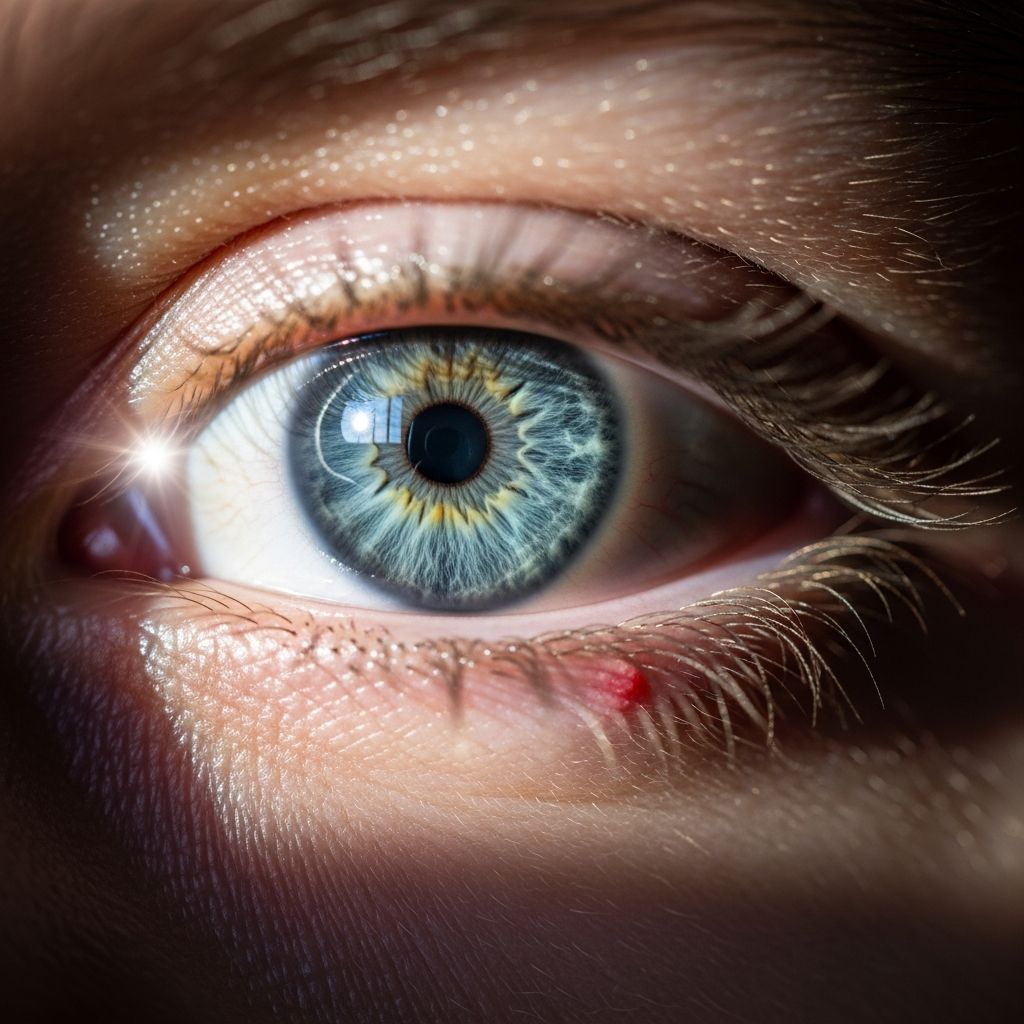
Photosensitivity refers to various symptoms, diseases, and conditions caused or aggravated by exposure to sunlight, encompassing a range of photodermatoses from mild rashes to severe eruptions.
What is photosensitivity?
Photosensitivity describes an abnormal response of the skin to light, occurring within minutes to weeks of exposure and lasting from minutes to months. It includes reactions to ultraviolet (UV) radiation, visible light, or both, often triggered by endogenous factors like genetic disorders or exogenous agents such as drugs and chemicals.
The histology typically shows “sunburn” cells (apoptotic keratinocytes), lymphocytic exocytosis, melanocyte vacuolisation, and endothelial swelling of blood vessels.
Who gets photosensitivity?
Photosensitivity affects individuals of all ages and skin types, but certain groups are more prone. Those with lighter skin types experience phototoxicity more frequently due to less protective melanin, though exceptions like diltiazem-induced hyperpigmentation occur in darker skin.
Risk increases with use of photosensitising drugs (e.g., thiazides, tetracyclines), topical agents (e.g., sunscreens, fragrances), or underlying conditions like lupus erythematosus or porphyrias. Young adult women are commonly affected by polymorphous light eruption (PMLE).
What causes photosensitivity?
Photosensitivity arises from interactions between light and skin chromophores, amplified by photosensitisers. Key causes include:
- Exogenous photosensitisers: Drugs (phototoxic/photoallergic), plants (e.g., chrysanthemum), cosmetics, sunscreens.
- Endogenous photosensitisers: Porphyrins in porphyrias, immune complexes in lupus.
- Idiopathic: PMLE, actinic prurigo, chronic actinic dermatitis.
Phototoxic reactions are non-immunologic, mimicking sunburn via free radicals; photoallergic are delayed hypersensitivity responses.
What are the clinical features of photosensitivity?
Symptoms vary by type but predominantly affect sun-exposed areas: face, neck, V of chest, dorsal hands/arms. Spared sites include upper eyelids, submental area, behind ears, skin folds.
| Reaction Type | Features | Onset | Skin Types Affected |
|---|---|---|---|
| Phototoxicity | Erythema, oedema, burning/stinging, vesicles/bullae; sunburn-like, may hyperpigment. | Immediate (hours) | Lighter skins more common. |
| Photoallergy | Eczematous, lichenoid; itchy, may spread beyond exposed areas. | Delayed (24-72 hrs) | All skin types equally. |
| PMLE | Polymorphous: papules, vesicles, plaques; pruritic. | Days after exposure | Young women. |
Severe cases provoke with 30 seconds daylight, reacting to UVB, UVA, visible light.
Diagnosis of photosensitivity
Diagnosis combines history, exam, and targeted tests:
- History: Drug/topical exposure, light sources, rash pattern.
- Examination: Photodistributed rash, sparing of shadowed areas.
- Patch/Photopatch testing: Duplicate allergens; one set UVA-exposed (5 J/cm²). Positive if photoexposed stronger.
- Phototests: Graduated UV doses to confirm sensitivity.
- Photoprovocation: Repeated UV doses to reproduce eruption.
- Labs/Biopsy: ANA, porphyrins, histology for sunburn cells.
Differential diagnosis
Photosensitivity dermatitis mimics:
- Airborne contact dermatitis (no crease sparing).
- Atopic/juvenile spring eruption.
- Photoaggravated dermatoses: lupus, rosacea, seborrhoeic dermatitis.
- Other photodermatoses: porphyria, solar urticaria.
Chronic photosensitivity dermatitis / actinic dermatitis
Chronic form (persistent light reaction) features persistent eczematous eruption to UVA/visible light, often post-drug or plant contact. Patch testing reveals allergies; requires systemic steroids/azathioprine.
Related Stories



Drug-induced photosensitivity
Common with thiazides, NSAIDs, antibiotics, showing photodistributed erythema/hyperpigmentation, sparing under chin/ears.
Photocontact dermatitis
Topical agents + light: PTCD (phototoxic, anyone); PACD (photoallergic, itchy eczema).
Common photoallergens: sesquiterpene lactones, fragrances, sunscreens.
Management of photosensitivity
Primary: sun avoidance, photoprotection; treat underlying cause.
Photoprotective measures
- Covering clothing, hats, gloves.
- Broad-spectrum sunscreens (SPF 50+, UVA protection), water-resistant.
- Avoid peak sun (10am-4pm), shade, window film.
- Oral antioxidants: Polypodium leucotomas, beta-carotene (select cases).
Treatment
- Mild: Emollients, topical steroids, cool dressings, NSAIDs.
- Severe: Oral corticosteroids, azathioprine, immunosuppressants.
- PMLE: Gradual exposure, phototherapy hardening.
- Discontinue photosensitisers.
For ongoing drugs, strict protection manages symptoms.
Photosensitivity in children
Juvenile spring eruption (boys, ear papules), actinic prurigo (lips/eyes), PMLE variants. Manage with protection, topical steroids; refer severe cases.
Complications
Postinflammatory hyperpigmentation (darker skins), scarring, secondary infection, psychosocial impact from chronicity.
Prevention
- Avoid known photosensitisers.
- Daily SPF 50+ sunscreen reapplication.
- UPF clothing, tinted windows.
- Pre-treatment test for high-risk drugs.
Frequently Asked Questions
What triggers photosensitivity?
Sunlight (UVA/UVB/visible), drugs (thiazides, tetracyclines), topicals (fragrances, sunscreens), plants.
How quickly do symptoms appear?
Phototoxic: hours; photoallergic: 24-72 hours; PMLE: days.
Can photosensitivity spread?
Photoallergic reactions may spread beyond exposed areas.
Is photosensitivity permanent?
Often resolves with avoidance, but chronic forms or hyperpigmentation may persist.
What sunscreen for photosensitivity?
Broad-spectrum, high SPF (50+), water-resistant; test for allergy.
Does it affect all skin types equally?
Phototoxicity more in lighter skins; photoallergy equal; hyperpigmentation in darker.
(Word count: 1678)
References
- Photosensitivity dermatitis — DermNet NZ. 2023. https://dermnetnz.org/cme/dermatitis/photosensitivity-dermatitis
- Drug-induced Photosensitivity — DermNet NZ. 2023. https://dermnetnz.org/topics/drug-induced-photosensitivity
- Phototherapy. Photosensitivity — DermNet NZ. 2023. https://dermnetnz.org/cme/phototherapy/photosensitivity-cme
- Photocontact Dermatitis — DermNet NZ. 2023. https://dermnetnz.org/topics/photocontact-dermatitis
- Photosensitive dermatitis: Causes, symptoms, and treatments — Medical News Today. 2023-05-26. https://www.medicalnewstoday.com/articles/photosensitive-dermatitis
- Photosensitivity (sun allergy) — DermNet NZ. 2023. https://dermnetnz.org/topics/photosensitivity
- Photosensitivity – StatPearls — NCBI Bookshelf, NIH. 2023-08-08. https://www.ncbi.nlm.nih.gov/books/NBK431072/
Similar Articles








Read full bio of Sneha Tete