Phototherapy: Light-Based Treatment for Skin Disorders
Comprehensive guide to phototherapy: how UV light treats psoriasis, eczema, and other skin conditions.
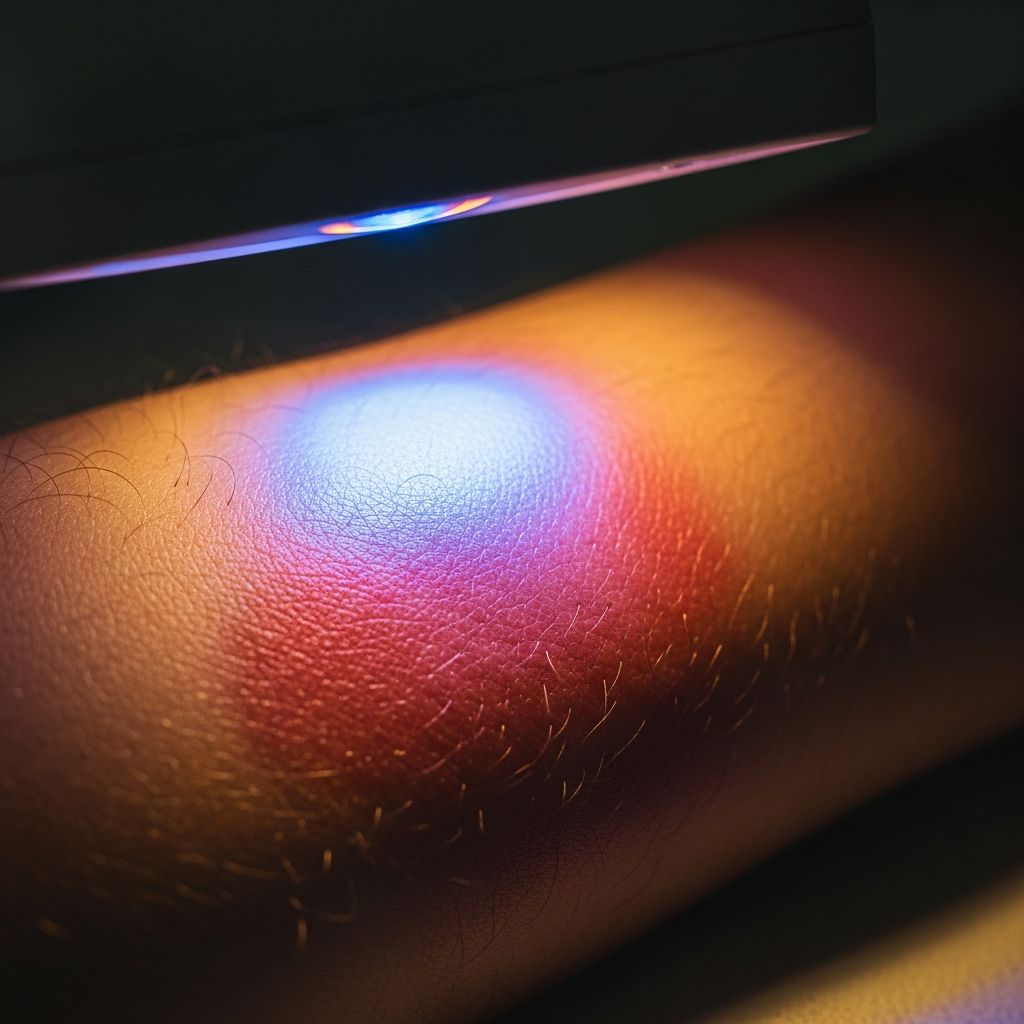
Introduction to Phototherapy
Phototherapy is the use of certain types of electromagnetic radiation to treat skin disorders. This non-pharmacological approach harnesses the therapeutic power of ultraviolet light to suppress DNA activity and manage various dermatological conditions. Phototherapy has become an increasingly popular treatment option due to its effectiveness, safety profile when properly administered, and the ability to deliver treatment in controlled clinical settings or home environments.
The primary mechanisms of phototherapy involve the interaction of ultraviolet radiation with skin cells, which leads to immunosuppressive and anti-inflammatory effects. This makes phototherapy particularly valuable for conditions such as psoriasis, vitiligo, eczema, and other inflammatory skin disorders. The treatment can be tailored to individual patient needs, considering factors such as skin type, extent of disease, and treatment goals.
Basic Photobiology and UV Spectrum
Understanding the electromagnetic spectrum is fundamental to comprehending how phototherapy works. The ultraviolet spectrum is divided into several ranges, each with distinct biological effects on the skin.
Ultraviolet Radiation Types
- UVB (Ultraviolet B): Shortwave radiation with a wavelength of 270–350 nm, with narrowband UVB (311–312 nm) being the most commonly used therapeutic wavelength in modern phototherapy
- UVA (Ultraviolet A): Longwave radiation with a wavelength of 320–400 nm that penetrates deeper into the dermis and contributes to erythema, skin aging, and skin cancer risk
- Visible light: Wavelengths of 400–760 nm that do not significantly damage skin
- Infrared radiation: Wavelengths of 760–1000 nm that primarily produce heat
The choice of UV wavelength significantly impacts treatment efficacy and safety. Narrowband UVB phototherapy has largely replaced broadband UVB due to shorter exposure times, more effective treatment outcomes, and longer periods of remission between courses.
UVB Phototherapy: Mechanisms and Applications
UVB phototherapy is one of the most widely used forms of light-based dermatological treatment. It delivers shortwave ultraviolet radiation through specially designed cabinets containing fluorescent light tubes positioned to target affected skin areas. The therapy works by suppressing immune responses in the skin, reducing inflammation, and promoting healing of various skin conditions.
Treatment Delivery and Setup
UVB phototherapy is administered in controlled clinical environments using specialized equipment. For full-body treatments, patients are positioned in a phototherapy cabinet with most clothing removed while genitalia and eyes are protected. Treatment can also be targeted to specific areas such as hands, feet, or other localized regions affected by skin disease.
Treatment Schedule and Duration
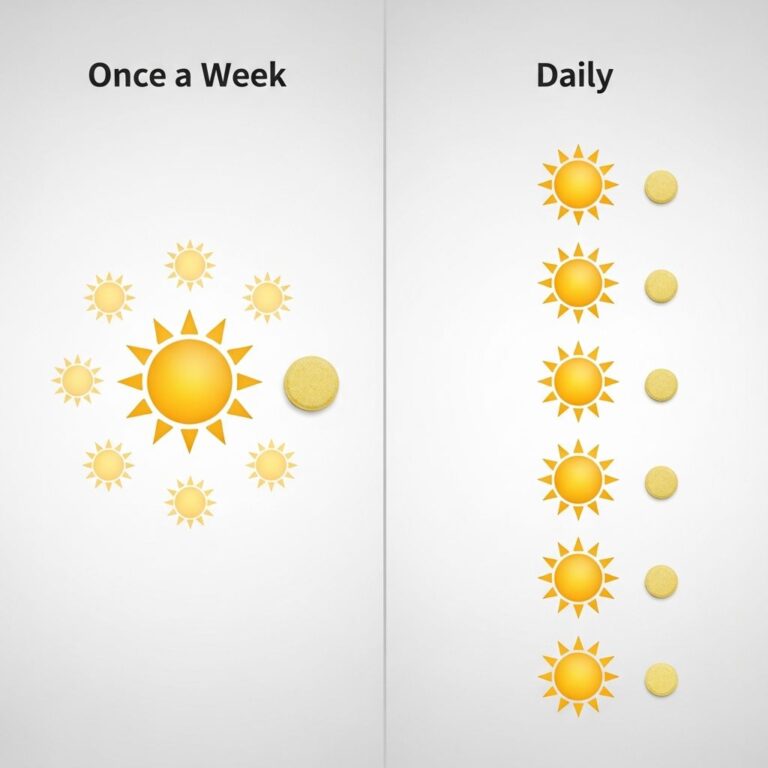
The treatment schedule is critical for optimal outcomes. Most patients receive treatment three times weekly, with sessions spaced at least 24 hours apart. Research demonstrates that twice-weekly treatment is less effective, while once-weekly treatment is essentially ineffective. For inpatient settings, five-times-weekly treatment may be used, though this is rarely practical or tolerated by outpatients.
Initial session duration is typically 5 minutes or less, gradually increasing to a maximum of 30 minutes per session depending on individual response, skin type, and disease characteristics. The total course length varies but typically ranges from 15 to 30 treatments for most skin conditions, though some cases may require up to 40 treatments for complete clearance.
Related Stories



Dosing Protocols for UVB Phototherapy
Appropriate dosing is essential for achieving therapeutic benefit while minimizing adverse effects. The initial dose and subsequent dose increments depend on skin phototype and measured minimal erythema dose (MED).
| Skin Type | Initial Dose (mJ/cm²) | Subsequent Increase |
|---|---|---|
| 1 | 21 | 10% |
| 2 | 35 | 10–15% |
| 3 | 49 | 15% |
| 4 | 63 | 15–20% |
| 5 | 84 | 20% |
| 6 | 105 | 20% |
Typically, the first treatment is initiated at 70% of the measured MED when this value is known. For patients without measured MED, a standard starting dose of 50–100 mJ/cm² is used with increments of 10–40% per treatment depending on skin phototype. The face and genitals are generally excluded from whole-body treatments.
Erythema Management During Treatment
Development of controlled erythema is often necessary for effective treatment, though significant erythema requires careful management. Localized erythema can be protected with clothing, allowing the rest of the body to continue receiving scheduled incremental doses. However, generalized erythema necessitates modifications to the treatment schedule. Suberythemal doses of narrowband UVB have been shown to be effective in clearing conditions like psoriasis, offering an alternative approach for sensitive patients.
Treatment Interruptions and Dose Adjustments
Interruptions to phototherapy are among the most common reasons for treatment failure. When treatment must be paused, dose adjustments follow specific protocols:
- One week interruption: Hold at previous dose
- Two weeks interruption: Reduce dose by 25%
- Three weeks interruption: Reduce dose by 50%
- Four weeks or more: Restart treatment schedule at initial dose
Treatment Completion and Outcomes
A course of UVB phototherapy is considered complete when skin disease has cleared more than 90% compared to baseline, or when a predetermined maximum number of treatments (commonly 40) has been reached. For psoriasis specifically, plaques should be noticeably thinning by 12 treatments, with 75% or greater improvement expected by 30 treatments. Maintenance therapy is generally not recommended following successful clearance, except in rare cases such as cutaneous T-cell lymphoma.
Treatment-Resistant Areas
Some areas of skin may prove more resistant to UVB therapy, often due to prior sun exposure or anatomical characteristics. In patients with psoriasis, additional UVB exposure is commonly delivered to lower limbs after whole-body treatment. The patient dresses to protect treated areas, and an extra 50% of the day’s dose is delivered to resistant sites.
UVA Photochemotherapy (PUVA)
PUVA therapy combines psoralen administration with UVA exposure. Psoralens are photosensitizing compounds that interact with ultraviolet radiation in the epidermis to form DNA photoadducts, with maximum activity occurring at a wavelength of 325 nm. This combination therapy is particularly effective for conditions like vitiligo, where extended treatment courses spanning two years may be necessary.
Psoralen Administration Routes
Psoralens can be administered through multiple routes to suit individual patient needs and treatment targets:
- Oral psoralens: Systemic administration for generalized skin conditions
- Topical psoralens: Applied as creams or lotions to localized areas
- Bath PUVA: Areas soaked in dilute psoralen solution (3 mg/L), which distributes the compound evenly and is particularly useful for hand and foot conditions
PUVA Treatment Protocol
PUVA treatment is typically administered twice weekly, with courses often spanning two years for conditions like vitiligo. The minimal phototoxic dose (MPD) must be established prior to treatment initiation. Patients receiving oral psoralens must wear protective sunglasses for 24 hours following tablet administration to prevent ocular exposure.
Home Phototherapy Options
Home phototherapy represents a relatively safe and effective non-drug option for self-treatment of skin disorders in the convenience and privacy of a patient’s home environment. This approach has expanded treatment accessibility and patient autonomy.
Home Phototherapy Equipment Types
Home phototherapy units vary in scope and application:
- Hand-held devices: Portable units for spot treatment of small affected areas
- Table-top devices: Compact units suitable for treating hands, feet, or other localized regions
- Cabinet or walk-in units: Larger systems for patients requiring full-body treatment
Treatment can be precisely targeted to affected areas to minimize exposure of uninvolved skin, or delivered to the entire body depending on the specific device and clinical indication.
Safety Considerations and Precautions
While phototherapy is generally well-tolerated, appropriate safety measures are essential to minimize adverse effects and optimize treatment outcomes.
Eye Protection
Eye protection is mandatory during phototherapy procedures. Providers verify that patients are wearing appropriate personal protective equipment, such as goggles or face masks, before activating ultraviolet light sources.
Skin Protection Outside Treatment
Between phototherapy sessions, patients should take precautions to protect their skin from excessive sun exposure:
- Cover as much skin as possible with densely woven, darkly colored clothing
- Apply broad-spectrum sunscreen liberally to all uncovered skin
- Reapply sunscreen 30 minutes after initial application to ensure even coverage
- Follow sunscreen container instructions for reapplication frequency (typically every 2 hours and after bathing)
Equipment Safety Features
Total-body phototherapy units must incorporate essential safety features including proper electrical grounding, accurate dosimetry devices, and protective shielding of lamps.
Patient Assessment and Monitoring
Comprehensive patient evaluation is required prior to initiating phototherapy and should be performed before each treatment session. Healthcare providers should assess erythema patterns, overall tolerance, and disease response. Phototherapy staff must inform the treating physician if significant symptomatic erythema develops during treatment.
Frequently Asked Questions About Phototherapy
Q: How long does phototherapy take to show results?
A: Results vary depending on the skin condition and individual factors. For psoriasis, plaques should show noticeable thinning by 12 treatments, with significant improvement (75% or better) expected by 30 treatments.
Q: Can phototherapy be used at home?
A: Yes, home phototherapy is a safe and effective option for many skin conditions. Home units range from portable hand-held devices for small areas to larger cabinet systems for full-body treatment. However, not all patients are suitable candidates for home therapy.
Q: How often should I receive phototherapy treatments?
A: Most patients receive treatment three times weekly at least 24 hours apart. Twice-weekly treatment is less effective, while once-weekly treatment is generally ineffective.
Q: What should I do if I miss phototherapy sessions?
A: Treatment interruptions are a common reason for phototherapy failure. Dose adjustments are necessary based on the duration of interruption: hold at previous dose for one week, reduce by 25% for two weeks, reduce by 50% for three weeks, or restart the full schedule after four weeks or more.
Q: Is phototherapy safe for all skin types?
A: Phototherapy can be adapted for different skin types through appropriate dosing protocols. However, certain skin conditions (like photodermatoses) may require more cautious initial dosing.
Q: Do I need maintenance therapy after phototherapy?
A: Maintenance therapy is generally not recommended after successful disease clearance, except in rare cases such as cutaneous T-cell lymphoma or patients who relapse rapidly.
Q: What should I wear during phototherapy treatment?
A: For full-body treatments, you will be undressed with genitalia covered. Eyes and face should be protected with goggles or a face mask. Sunscreen is typically applied to exposed areas before treatment.
Conclusion
Phototherapy represents an effective, evidence-based treatment approach for various skin disorders. Whether utilizing narrowband UVB, broadband UVB, or PUVA therapy, this modality offers patients a non-pharmacological option with demonstrable clinical benefits. Success depends on adherence to prescribed treatment schedules, appropriate dosing protocols tailored to individual skin types and disease severity, and careful monitoring by healthcare professionals. With proper patient education, equipment maintenance, and safety precautions, phototherapy continues to be a valuable tool in dermatological practice for achieving disease clearance and improving patient quality of life.
References
- UVB phototherapy – DermNet — DermNet New Zealand. Accessed January 28, 2026. https://dermnetnz.org/cme/phototherapy/uvb-phototherapy
- UVB Phototherapy (Ultraviolet Light Therapy) – DermNet — DermNet New Zealand. Accessed January 28, 2026. https://dermnetnz.org/topics/uvb-phototherapy
- Phototherapy. Basic photobiology – DermNet — DermNet New Zealand. Accessed January 28, 2026. https://dermnetnz.org/cme/phototherapy/basic-photobiology
- PHOTOTHERAPY – Skin Health Info — British Association of Dermatologists. July 2018. https://www.skinhealthinfo.org.uk/
- Home phototherapy – DermNet — DermNet New Zealand. Accessed January 28, 2026. https://dermnetnz.org/topics/home-phototherapy
- Phototherapy. UVA photo(chemo)therapy – DermNet — DermNet New Zealand. Accessed January 28, 2026. https://dermnetnz.org/cme/phototherapy/uva-photochemotherapy
- Phototherapy (Light Therapy): Uses, Benefits & Risks — Cleveland Clinic. Accessed January 28, 2026. https://my.clevelandclinic.org/health/treatments/24385-phototherapy-light-therapy
- PUVA (photochemotherapy) – DermNet — DermNet New Zealand. Accessed January 28, 2026. https://dermnetnz.org/topics/puva-photochemotherapy
Similar Articles








Read full bio of medha deb