Physical Activity: Why Movement Matters for Your Health
Discover how regular movement transforms your body, mind, and lifespan

Movement is fundamental to human health. Whether you call it exercise, physical activity, or simply staying active, the biological impact of regular movement shapes nearly every system in your body. Scientific evidence now demonstrates that consistent physical activity represents one of the most powerful tools available for preventing disease, managing chronic conditions, and extending both the quantity and quality of life. Understanding why movement matters so profoundly can motivate lasting lifestyle changes that benefit your health for decades to come.
The Cardiovascular Transformation Through Regular Activity
Your heart is a muscle, and like all muscles, it becomes stronger and more efficient with use. Regular physical activity strengthens your heart and improves circulation, which raises oxygen levels throughout your body. This physiological improvement directly reduces your risk of heart diseases such as coronary artery disease and heart attacks.
Beyond heart attack prevention, consistent exercise addresses multiple cardiovascular risk factors simultaneously. Research shows that routine activity lowers high blood pressure, reduces harmful cholesterol levels, and decreases triglyceride levels—all significant contributors to heart disease. The improvements happen at both the cellular and systemic levels. Changes to endothelial function, which is the health of blood vessel linings, represent particularly important adaptations to regular activity. These vascular improvements occur independent of other lifestyle changes, demonstrating exercise’s direct protective effect.
The benefits scale with effort. Adults who performed two to four times more than the recommended amount of moderate physical activity demonstrated a 28% to 38% lower risk of cardiovascular disease mortality. Those exceeding vigorous activity recommendations experienced a 27% to 33% reduction in cardiovascular death risk.
Weight Management and Metabolic Health
Maintaining a healthy weight involves complex metabolic processes that extend far beyond simple calorie counting. Physical activity improves body composition through multiple mechanisms, including reduced abdominal fat and improved weight control. Regular movement helps your body manage blood glucose levels and improves how your insulin functions.
For individuals managing or preventing metabolic syndrome and type 2 diabetes, exercise serves as a critical intervention. The improvements happen rapidly—even single exercise sessions can temporarily reduce triglyceride levels, increase beneficial HDL cholesterol, decrease blood pressure for 12 to 16 hours, reduce insulin resistance, and improve glucose control. These acute changes demonstrate that individual workout sessions provide immediate health benefits, while chronic adaptations from sustained training create long-term disease protection.
Cancer Risk Reduction Across Multiple Types
Regular physical activity associates with significantly reduced cancer incidence across multiple cancer types. The research evidence is particularly compelling for specific cancers: physically active individuals show 30% to 40% reduced colon cancer risk, while physically active women demonstrate 20% to 30% reduced breast cancer risk compared to sedentary counterparts.
Exercise contributes to cancer risk reduction through multiple pathways. Enhanced musculoskeletal fitness from regular activity associates with improved overall health status and reduced chronic disease risk. Additionally, routine physical activity reduces chronic inflammation by lowering circulating inflammatory markers like C-reactive protein, which strongly associates with most chronic diseases. This anti-inflammatory effect helps explain the protective benefits against various cancer types, including endometrial, esophageal, and stomach cancers.
Related Stories



Mental Health and Cognitive Function Benefits
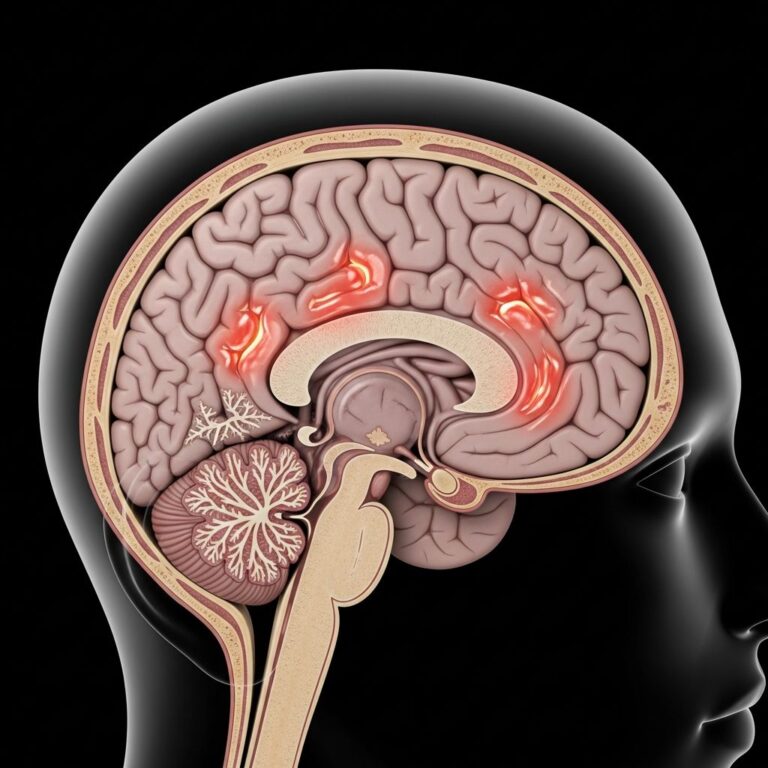
The mind-body connection is not merely metaphorical—physical activity produces measurable changes in brain structure and function. Regular exercise decreases the effects of stress on the body, improves mental health and mood, and enhances memory and cognition. Research in animal models shows that exercise increases blood supply to the brain and promotes the growth of new neurons in the hippocampus, the brain region essential for learning and memory.
The mental health benefits are substantial and well-documented. Physical activity helps manage feelings of anxiety and depression, with exercise demonstrating effectiveness comparable to pharmaceutical interventions for many individuals. The improvements in mood and reduced depression and anxiety symptoms contribute significantly to overall quality of life and psychological well-being. Enhanced cognition, including improvements in memory, attention, and processing speed, develops as a direct result of consistent physical activity.
Bone and Muscle Strength Across the Lifespan
Physical activity continues the development of healthy bones and muscles throughout life. Enhanced musculoskeletal fitness—the strength and endurance of the muscles and skeletal system—associates with improved functional independence, better mobility, improved bone health, and reduced risk of falls. These benefits prove particularly crucial for older adults, where strong muscles and bones directly determine independence and quality of life.
The improvements in musculoskeletal fitness also support glucose homeostasis and contribute to overall well-being across the lifespan. For frail elderly individuals with low musculoskeletal reserve, interventions that improve muscle and bone strength represent particularly important health investments, often determining whether someone can maintain independent living.
Energy Enhancement for Daily Living
Many people assume exercise depletes energy, but the opposite proves true. If you find yourself winded by grocery shopping or household chores, regular physical activity can transform your stamina. Regular physical activity improves muscle strength and boosts your endurance.
This energy enhancement occurs because exercise sends oxygen and nutrients to tissues while helping your cardiovascular system work more efficiently. When your heart and lung health improve, you gain more energy to tackle daily responsibilities. This increased vitality extends beyond physical tasks to mental tasks, as improved blood flow enhances cognitive energy and focus.
Immune System Strengthening
Exercise increases your body’s white blood cell production, making it more effective for immunity than common supplements. This immune enhancement provides protection against various infections and diseases. Regular exercise decreases your risk of becoming severely ill and helps your body recover more rapidly from illness.
Longevity and Extended Lifespan
Perhaps the most significant benefit of regular physical activity is its association with extended lifespan. Regular physical activity is linked to longer life expectancy regardless of weight, age, or existing health conditions. While researchers continue studying the exact mechanisms, regular exercise clearly helps people maintain physical function as they age, improves cardiorespiratory health, lowers cholesterol, and prevents many life-threatening diseases.
The dose-response relationship is important: people with the highest levels of physical activity and fitness experience the lowest risk of premature death from any cause. The greatest improvements in health status occur when people who are least fit become physically active, demonstrating that starting is never too late.
Recent research quantified the mortality benefits: participants performing two to four times above the recommended moderate physical activity amount had 26% to 31% lower all-cause mortality and 25% to 27% lower risk of non-cardiovascular disease mortality. Those exceeding vigorous activity recommendations experienced 21% to 23% lower all-cause mortality risk.
Additional Health Condition Management
Beyond prevention of major diseases, regular physical activity helps manage numerous chronic health conditions. Exercise helps prevent or manage stroke, metabolic syndrome, high blood pressure, arthritis, and falls. Regular activity helps improve cognitive function and lowers risk of death from all causes. For people with disabilities, physical activity supports daily living activities and may help them achieve greater independence.
Women experience specific benefits from regular exercise, including relief from premenstrual syndrome symptoms. Studies show that regular exercise combined with adequate rest relieves PMS symptoms including bloating and irritability. Sleep quality also improves, with physical activity addressing insomnia and obstructive sleep apnea.
Understanding the Dose: How Much Activity Do You Need?
The benefits of physical activity follow a dose-response relationship, meaning more activity generally produces greater health benefits. Current recommendations typically suggest moderate physical activity at levels equivalent to mowing the lawn, with moderate intensity providing greater protective effects than lower-intensity activities. The research consistently demonstrates that the greatest health improvements occur when previously sedentary individuals become active.
For maximum benefit, the evidence suggests exceeding minimum recommendations when possible. However, any increase in physical activity provides measurable health benefits compared to remaining sedentary. Starting wherever you are and progressively increasing your activity level produces cumulative health gains that compound over time.
The Mechanisms Behind the Benefits
Understanding why exercise works so powerfully helps explain its diverse benefits. Physical activity reduces chronic inflammation, improves vascular function, enhances insulin sensitivity, strengthens the immune system, and promotes neurogenesis. Routine activity improves lipid and lipoprotein profiles, reduces abdominal adiposity, and enhances overall body composition. Acute exercise sessions produce temporary improvements in multiple risk factors, while chronic exercise training creates lasting physiological adaptations that protect against disease and support longevity.
Getting Started With Physical Activity
The evidence overwhelmingly supports physical activity as fundamental to health. Whether your goal is preventing disease, managing an existing condition, enhancing mental health, improving energy, strengthening muscles and bones, or extending lifespan, regular movement addresses these needs. Starting with modest increases in daily activity and progressively building toward more consistent routines creates sustainable habits that deliver decades of health benefits. The most important step is beginning—the health transformation starts with the first movement.
Frequently Asked Questions
How much exercise do I need to see health benefits?
Research shows that exceeding minimum physical activity recommendations by two to four times produces significant mortality reduction and disease prevention benefits. However, any increase from a sedentary lifestyle produces measurable improvements. The greatest health gains occur when currently inactive people become active.
Can exercise help if I already have a chronic disease?
Yes. Regular physical activity helps prevent or manage numerous conditions including heart disease, diabetes, arthritis, depression, anxiety, and many others. Exercise can improve function and reduce symptoms in people with existing diseases.
Is it ever too late to start exercising?
No. Regular physical activity improves health status regardless of age or current fitness level. People who begin exercising later in life still experience significant health benefits and improved longevity.
How does exercise improve mental health?
Physical activity decreases stress effects on the body, improves mood, and enhances cognitive function through increased blood flow to the brain, improved neuron growth, and reduced inflammation. Exercise effectively manages anxiety and depression.
What types of exercise provide the most benefit?
Moderate-intensity aerobic activity and activities that challenge your musculoskeletal system both provide significant health benefits. The most effective exercise program is one you’ll do consistently.
References
- The Invisible Benefits of Exercise at Every Age — UT Health Austin. 2024. https://uthealthaustin.org/blog/the-invisible-benefits-of-exercise
- Exercise: 7 Benefits of Regular Physical Activity — Mayo Clinic. 2024. https://www.mayoclinic.org/healthy-lifestyle/fitness/in-depth/exercise/art-20048389
- Health Benefits of Physical Activity: The Evidence — PubMed Central, National Institutes of Health. 2006. https://pmc.ncbi.nlm.nih.gov/articles/PMC1402378/
- Massive Study Uncovers How Much Exercise Is Needed to Live Longer — American Medical Association. 2024. https://www.ama-assn.org/public-health/prevention-wellness/massive-study-uncovers-how-much-exercise-needed-live-longer
- Working Out Boosts Brain Health — American Psychological Association. 2024. https://www.apa.org/topics/exercise-fitness/stress
- Benefits of Exercise — MedlinePlus, National Library of Medicine. 2024. https://medlineplus.gov/benefitsofexercise.html
- American Heart Association Recommendations for Physical Activity in Adults — American Heart Association. 2024. https://www.heart.org/en/healthy-living/fitness/fitness-basics/aha-recs-for-physical-activity-in-adults
Similar Articles








Read full bio of Sneha Tete