Navigating Physical Connection During Eczema Flares
Strengthen relationships while managing eczema with practical strategies and compassionate communication.

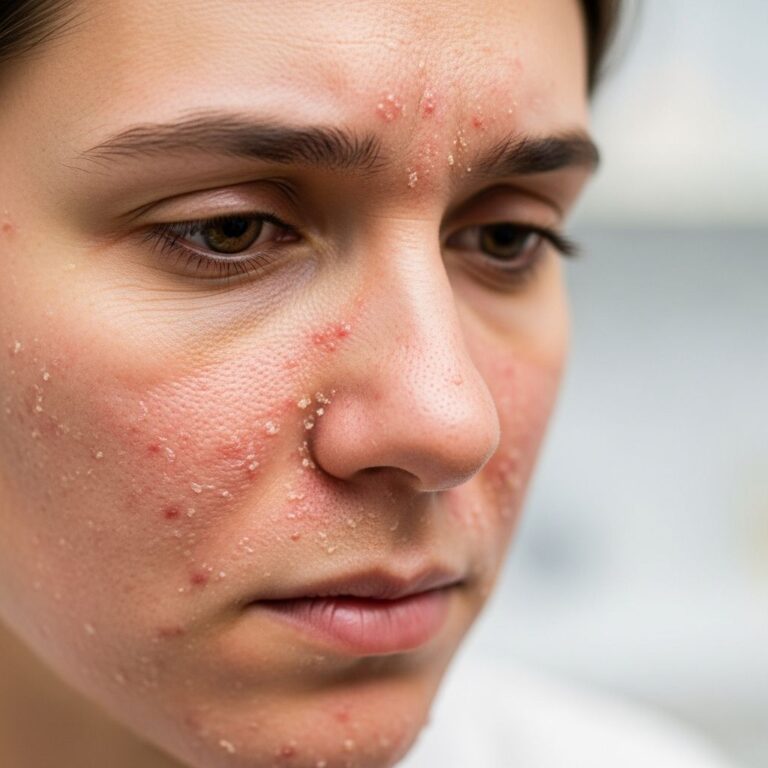
Atopic dermatitis and other forms of eczema create multifaceted challenges that extend far beyond the visible symptoms on the skin. While most discussions focus on managing the itching, inflammation, and barrier dysfunction characteristic of these conditions, a significant but often overlooked aspect of eczema management involves maintaining meaningful physical connection and intimacy with partners. Research indicates that approximately one in three adults with atopic dermatitis report that their condition has negatively affected their intimate relationships and sexual health. This reality underscores the importance of understanding how to navigate physical touch during periods when eczema symptoms are particularly active and severe.
The intersection of eczema and physical intimacy presents unique psychological and physiological challenges. Beyond the discomfort caused by inflamed, sensitive skin, individuals dealing with flare-ups often experience emotional distress, reduced self-confidence, and anxiety about being touched or observed by their partners. Simultaneously, partners may feel uncertain about how to provide comfort without causing additional pain or aggravating the condition. This article explores practical, evidence-based approaches to maintaining physical closeness and intimate connection during challenging periods, emphasizing communication, mutual understanding, and creative alternatives that honor both partners’ needs.
Understanding the Emotional and Physical Impact on Relationships
Eczema’s effects on relationships extend beyond the immediate physical discomfort during intercourse or intimate contact. Studies show that one-half of individuals with eczema may actively avoid social interactions altogether because of appearance-related concerns. During flare-ups, the emotional toll becomes particularly pronounced. The combination of intense itching, sleep disruption, and visible inflammation can trigger feelings of embarrassment, shame, and diminished attractiveness. These psychological responses create a cascade of relationship challenges that can include withdrawal, reduced communication, and avoidance of physical intimacy.
The fatigue and irritability accompanying severe flare-ups further complicate relationship dynamics. When someone is sleep-deprived due to nighttime itching and struggling with the physical discomfort of inflamed skin, their emotional capacity for intimate connection naturally diminishes. Partners, meanwhile, may interpret this withdrawal as rejection or lack of interest, when the reality reflects the physiological and psychological burden of managing a chronic skin condition. Understanding these underlying causes is essential for both parties to maintain empathy and connection during difficult periods.
The Neurobiological Benefits of Gentle Touch
Despite the challenges eczema presents to physical intimacy, emerging research reveals that gentle, affective touch can serve as a supportive therapeutic approach for individuals managing atopic dermatitis and similar conditions. This type of touch operates through distinct neurological pathways compared to conventional scratching or vigorous rubbing. Understanding this mechanism offers hope for maintaining physical connection even during flare-ups.
The human skin contains specialized sensory fibers called C-tactile fibers that respond optimally to gentle, low-force stroking delivered at skin temperature. Unlike nociceptors that transmit pain and itch signals, these fibers activate when receiving pleasant, affective touch. This activation triggers positive neurological responses that can counteract unpleasurable sensations including itching and pain. Research has demonstrated that gentle skin stroking can reduce itch signaling in the spinal cord through activation of specific sensory nerve pathways. This presents an intriguing alternative to scratching, which while temporarily relieving itch through activation of pain pathways, ultimately damages the skin barrier and perpetuates the itch-scratch cycle.
Related Stories



For individuals with eczema, this distinction carries significant implications. Rather than scratching, which can create further skin damage and barrier disruption that allows allergens to penetrate the epidermis and worsen inflammation, gentle stroking and affective touch may provide relief without the destructive consequences. When partners understand this distinction, they can shift their approach to physical contact in ways that become genuinely therapeutic rather than potentially harmful.
Establishing Clear Communication About Comfort and Boundaries
The foundation for maintaining physical intimacy during eczema flare-ups rests on establishing transparent, ongoing communication between partners. This dialogue must address multiple dimensions:
- Pain and discomfort levels: Discussing which areas of the body are most sensitive and which types of touch cause discomfort
- Activity preferences: Identifying which intimate activities remain comfortable or which should be modified
- Timing considerations: Determining optimal times for physical contact, particularly regarding recently applied topical treatments
- Emotional needs: Expressing desires for connection without necessarily progressing to sexual activity
- Partner concerns: Addressing fears partners may harbor about causing harm or hurt
Partners often experience anxiety about inadvertently causing pain, which can lead them to withdraw from touch altogether. This misguided caution, while well-intentioned, may reinforce feelings of unattractiveness and isolation in the person with eczema. By explicitly discussing what feels acceptable, partners gain confidence in their ability to provide physical affection safely. One practical approach involves applying moisturizing creams to each other’s bodies as a form of intimate bonding that simultaneously addresses skin care needs. This activity accomplishes multiple objectives: it provides therapeutic touch, allows partners to explore what feels comfortable, builds mutual understanding, and fulfills a necessary aspect of eczema management.
Communication should also acknowledge that comfort levels fluctuate. A touch that feels soothing during one period might feel irritating during a severe flare. Establishing ongoing, judgment-free dialogue about these changes ensures that intimacy adapts to current circumstances rather than creating expectation mismatches.
Identifying and Minimizing Personal Triggers
Effective management of physical intimacy during eczema flares requires understanding individual trigger patterns. While triggers vary significantly between individuals, common environmental and behavioral factors include dry air, certain cosmetic and body-care products (particularly those containing perfumes), and prolonged hot water exposure. During intimate encounters, specific considerations warrant attention:
| Trigger Category | Potential Impact on Intimacy | Management Strategy |
|---|---|---|
| Product-based triggers | Fragrances, lubricants, and cosmetics can initiate or worsen flares | Use hypoallergenic, fragrance-free personal care products and water-based lubricants |
| Temperature sensitivity | Elevated body heat during intimate activity may trigger or intensify flares | Maintain cooler room temperatures and allow skin to breathe |
| Textile irritation | Tight clothing or irritating fabrics create additional friction stress | Choose soft, breathable fabrics; remove clothing that creates friction |
| Genital-specific concerns | Eczema affecting genital areas creates particular intimacy challenges | Consult healthcare providers about appropriate treatments; use compatible lubricants |
For individuals managing genital eczema specifically, communication with healthcare providers becomes essential. Prescription topical steroids and soap substitutes can effectively manage symptoms like itching and irritation that interfere with sexual comfort. Additionally, over-the-counter personal lubricants can significantly improve comfort during intercourse by reducing friction in affected areas. Partners should understand that steroid creams require complete absorption before sexual activity to avoid potential exposure risks, making timing discussions particularly important.
Exploring Alternative Forms of Physical Closeness
When flare-ups make conventional intimate activities uncomfortable, numerous alternative approaches allow partners to maintain physical connection and emotional closeness without exacerbating eczema symptoms. These alternatives recognize that intimacy encompasses far more than sexual contact.
- Hand-holding and gentle hand massage: Simple but profoundly meaningful, hand contact requires no removal of clothing and remains comfortable even during moderate flares
- Forearm stroking: Research indicates that the forearm conveys emotional aspects of touch more effectively than palms or hands, making it an emotionally satisfying area for gentle affective touch
- Scalp massage: When other areas are affected, gentle scalp massage provides therapeutic touch with affective benefits
- Shared relaxation activities: Taking walks together, sitting close while enjoying a favorite activity, or simply being in proximity without demanding physical contact
- Verbal intimacy: Meaningful conversation, expressions of affection, and emotional vulnerability often deepen when physical options become limited
- Bathing together: When body temperature can be controlled and appropriate cleansers used, shared bathing can provide comfort and connection while supporting skin hydration needs
These alternatives shouldn’t be viewed as compromises or substitutes of lesser value. Rather, they represent opportunities to deepen other dimensions of intimacy that may receive less attention during periods when physical and sexual contact flows easily. Many couples report that exploring these alternatives during flare-ups enriches their overall relationship and provides perspectives they maintain even when eczema symptoms improve.
Managing Specific Considerations Around Sexual Activity
When couples wish to maintain sexual activity during eczema flare-ups, several specific considerations require attention. First, timing relative to topical treatments matters significantly. Steroid creams and other medications must be fully absorbed before sexual contact to prevent transfer to partners. Partners should discuss appropriate wait times with healthcare providers, as these vary based on the specific formulation and body location.
Second, contraceptive method selection may require adjustment. While condoms and diaphragms do not inherently irritate eczema unless latex allergy exists, medical moisturizers and topical steroids can compromise their effectiveness. Silicone or non-latex alternatives may be preferable for those with latex sensitivities. Open conversations with healthcare providers about which contraceptive methods remain compatible with eczema treatments ensure safe, effective protection.
Third, communication about what feels physically tolerable becomes paramount. Some individuals find that certain positions or durations of activity feel manageable during flares, while others require complete abstinence until symptoms improve. Neither partner should feel obligated to proceed with activities that cause physical distress, and both should feel empowered to suggest modifications or postponement without judgment or resentment.
Building Body Confidence and Reducing Shame
A significant but often underaddressed dimension of eczema’s impact on intimacy involves the shame, embarrassment, and reduced sense of attractiveness that accompany visible skin symptoms. Individuals with eczema frequently report fear of judgment and feeling less attractive, leading to avoidance of physical intimacy. Partners can play a crucial role in counteracting these feelings through consistent, explicit affirmation and acceptance.
This involves moving beyond tolerance toward genuine appreciation. Rather than partners merely refraining from judgment, they can actively communicate that they find the person attractive regardless of current skin condition. Small gestures—compliments unrelated to appearance, expressions of desire that include rather than exclude the affected areas, and physical affection during vulnerable moments—communicate that eczema has not diminished attractiveness or desirability.
Additionally, taking steps to control eczema symptoms not only reduces physical discomfort but also boosts well-being, promotes a more positive body view, and increases confidence in intimate situations. Partners can support this process by participating in trigger identification, encouraging consistent skincare routines, and responding supportively to medical treatment decisions. When both partners view eczema management as a collaborative rather than individual endeavor, the person with eczema experiences less isolation and greater motivation to maintain treatment adherence that ultimately benefits intimacy.
Frequently Asked Questions
Can physical touch actually help manage eczema symptoms?
Yes, gentle affective touch can reduce itch signaling and provide relief from uncomfortable sensations. However, vigorous rubbing or scratching causes skin damage and perpetuates the itch-scratch cycle. Partners should focus on slow, gentle stroking rather than vigorous contact.
Is it safe to have sex during an eczema flare-up?
Safety depends on symptom severity, location of affected areas, and individual tolerance levels. Couples should communicate about comfort, ensure appropriate timing relative to topical treatments, and consider modifications or postponement if necessary. Healthcare provider consultation helps address specific concerns.
What should partners know about applying creams and moisturizers?
Partners should understand that some topical treatments require complete absorption before intimate contact. Applying moisturizers together can become an intimate bonding activity while addressing skin care needs. Always verify with healthcare providers regarding timing and safety.
How can couples maintain intimacy when sexual activity becomes uncomfortable?
Many alternatives exist, including hand-holding, gentle massage, forearm stroking, and shared activities like walks or conversation. These alternatives often deepen other dimensions of intimacy and remain valuable even when physical symptoms improve.
What if a partner feels anxious about causing pain?
Clear communication about which areas and types of touch feel comfortable alleviates partner anxiety. Discussing preferences, establishing boundaries, and providing explicit permission for gentle contact help partners feel confident in their ability to provide affection safely.
Moving Forward: Maintaining Connection Through Eczema
Living with eczema while navigating intimate relationships requires patience, communication, flexibility, and mutual compassion. The condition presents real challenges that deserve acknowledgment rather than minimization. However, these challenges also present opportunities for couples to deepen understanding, strengthen emotional bonds, and explore dimensions of intimacy beyond conventional expressions.
Healthcare providers, mental health professionals, and partner support become valuable resources as couples navigate these complexities. By approaching eczema management as a partnership rather than an individual burden, couples can maintain meaningful physical connection even during the most challenging flare-ups while building relationships more resilient and emotionally intimate than might otherwise develop.
References
- The skin–brain connection and pleasant touch as supportive care for people with atopic dermatitis — National Center for Biotechnology Information. 2024. https://pmc.ncbi.nlm.nih.gov/articles/PMC10831560/
- Atopic Dermatitis: Sex and Intimacy — WebMD Medical Team. https://www.webmd.com/skin-problems-and-treatments/eczema/atopic-dermatitis-sex-intimacy
- What doctors wish patients knew about managing eczema — American Medical Association. https://www.ama-assn.org/public-health/prevention-wellness/what-doctors-wish-patients-knew-about-managing-eczema
- How to Reduce the Effects of Eczema on Body Image, Relationships, and Sex — Sidekick Therapeutics. https://sidekicktherapeutics.com/blog/how-to-reduce-the-effects-of-eczema-on-body-image-relationships-and-sex/
- Intimacy with eczema: Challenges and tips for individuals and partners — Medical News Today. https://www.medicalnewstoday.com/articles/intimacy-with-eczema
Similar Articles








Read full bio of Sneha Tete