Physical Effects Of Too Much Salt: 7 Clear Warning Signs
Discover how excessive salt intake impacts blood pressure, heart, kidneys, bones, and more—plus tips to cut back safely.
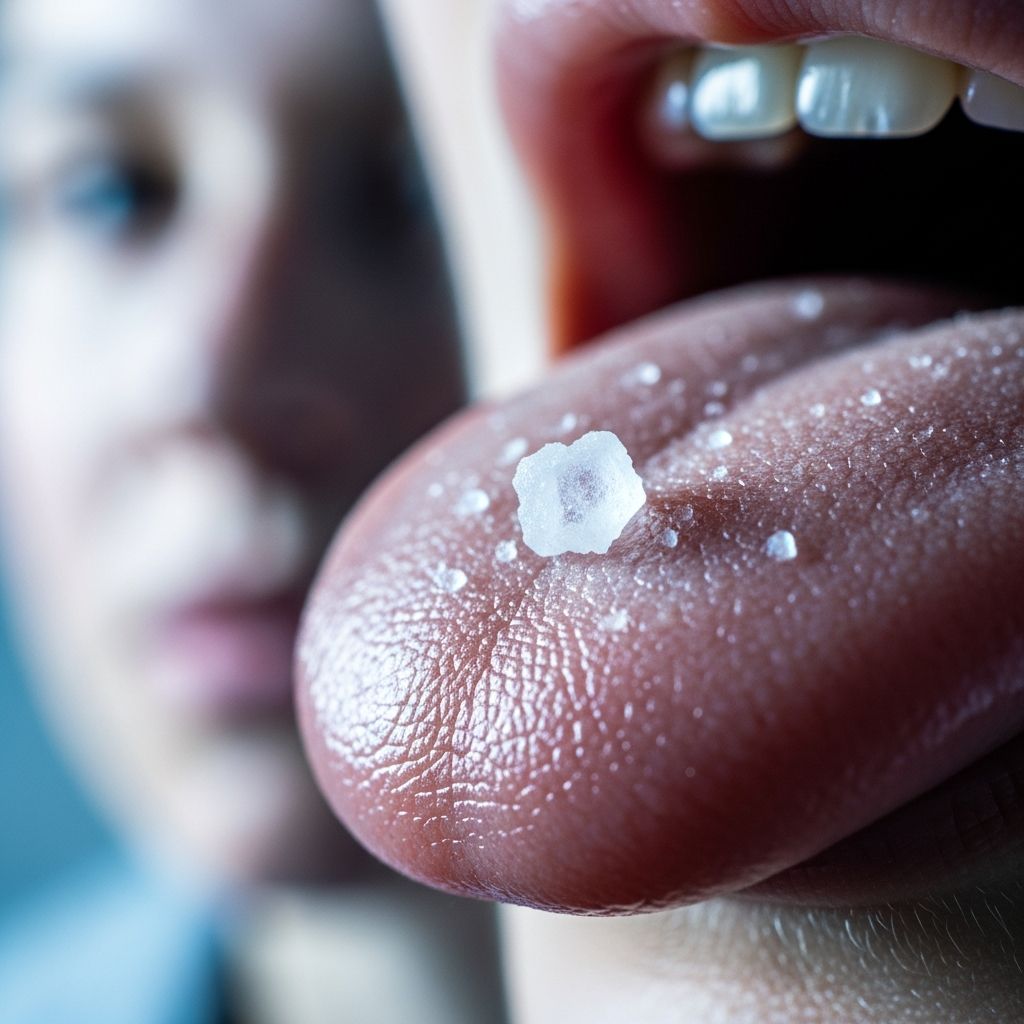
Excessive salt intake, primarily through sodium, disrupts multiple bodily systems, leading to elevated blood pressure, fluid retention, kidney strain, bone density loss, and heightened cardiovascular risks. While salt is essential for nerve function and hydration, most people consume far more than the recommended 2,300 mg of sodium daily—often exceeding 3,400 mg—primarily from processed foods.
What Happens If You Eat Too Much Salt?
When you consume too much salt, your body retains excess water to dilute the sodium, increasing blood volume and forcing the heart to pump harder. This elevates blood pressure within 30 minutes, impairing blood vessel dilation and setting the stage for long-term damage like hypertension, heart attacks, and strokes. High salt also triggers inflammation and oxidative stress, affecting the immune system, brain, kidneys, and vasculature. Over time, persistent high intake—common at 8-10 grams daily—leads to organ accumulation, even in those initially ‘salt-resistant’.
1. High Blood Pressure (Hypertension)
**The most direct and well-documented effect of excess salt is hypertension.** Sodium causes fluid retention, expanding plasma volume and raising cardiac output, which pressures arterial walls. Studies show blood pressure rises rapidly with salt loading, with salt-sensitive individuals experiencing sustained vascular resistance increases. The CDC confirms too much sodium boosts stroke and heart disease risk, killing more Americans than any other dietary factor.
- Within 30 minutes: Vessel dilation impairs, blood pressure spikes.
- Short-term: Analysis of 85 studies links any sodium reduction to lower BP.
- Long-term: Drives cardiovascular mortality; ~5 million global deaths yearly.
Salt sensitivity affects about 50% of people, where kidneys fail to excrete excess efficiently, worsening hypertension. Even ‘resistant’ individuals face risks from chronic exposure.
2. Heart Disease and Stroke
High salt narrows vessels, promotes atherosclerosis (plaque buildup), and stiffens arteries, directly fueling heart disease and stroke. Excess sodium strains the heart, leading to failure, while brain vessel damage raises stroke risk via brainstem dysregulation.
| Effect | Mechanism | Risk Increase |
|---|---|---|
| Heart Attack | Atherosclerosis, high BP | Linked to high-salt diets |
| Stroke | Vessel damage, inflammation | Major factor per CDC |
| Heart Failure | Fluid buildup around heart | Kidney retention exacerbates |
Reducing intake lowers BP in hours/days, preventing these outcomes.
3. Kidney Damage
Kidneys filter excess salt, but overload strains them, reducing waste filtration and fluid balance. In hypertension, kidneys retain sodium, causing ankle swelling to perilous fluid around lungs/heart. High intake disrupts pressure natriuresis, where elevated BP should prompt excretion but fails in salt-sensitive people. Chronic exposure risks kidney disease.
- Symptoms: Bloating, puffiness in extremities.
- Mechanism: Increased workload, sodium retention.
- Prevention: Potassium aids excretion.
4. Fluid Retention and Swelling
Sodium regulates cellular fluid movement, but excess causes retention, leading to edema—swollen hands, feet, face. Those with heart/kidney issues suffer most, as bodies hold water to balance sodium.
This bloating discomfort signals deeper imbalance; cutting salt restores equilibrium quickly.
Related Stories



5. Weakens Bones (Osteoporosis Risk)
Excess salt boosts urinary calcium excretion, leaching it from bones if dietary intake lags. Post-menopausal women studies link high 24-hour sodium to hip bone loss over two years, rivaling low calcium’s impact. High-salt diets thus promote osteoporosis indirectly.
6. Stomach Cancer Risk
High salt irritates stomach lining, promoting Helicobacter pylori growth and inflammation, elevating gastric cancer odds. Population studies correlate high-sodium regions with increased rates.
7. Affects Brain and Mental Health
Beyond stroke, salt damages brain vessels and may alter brainstem salt-BP regulation. Emerging links tie high intake to depression/anxiety via brain inflammation and neurotransmitter disruption.
How Much Sodium Is Too Much—and Where Does It Hide?
Ideal limit: <2,300 mg/day (1 tsp salt); hypertensives: 1,500 mg. 70-90% sneaks from processed foods like bread, pizza, soups—not the shaker.
| Food | Sodium (mg/serving) |
|---|---|
| Bread (2 slices) | 300-500 |
| Canned soup | 700-1,000 |
| Fast food meal | 2,000+ |
Who’s Most at Risk for Salt Sensitivity?
**About 50% are salt-sensitive**, with greater BP spikes. Risks: Older age, African ancestry, obesity, diabetes, kidney issues. Even youth benefit from caution.
7 Signs You’re Eating Too Much Salt
- Bloating/swelling: Puffy face/hands.
- Thirst: Constant despite drinking.
- High BP readings: >120/80.
- Frequent headaches: Vascular strain.
- Cravings: Body seeks balance.
- Fatigue: Heart works harder.
- Muscle cramps: Electrolyte imbalance.
Benefits of Cutting Back on Salt
Reductions drop BP rapidly—hours for some. Long-term: Less heart/kidney/brain risk, stronger bones. Circulation analysis: Any cut helps.
Simple Ways to Cut Back on Salt
- Read labels: Choose <140 mg/serving.
- Use herbs/spices: Replace salt.
- Avoid processed: Cook fresh.
- Rinse canned: Cuts 40% sodium.
- Pick low-sodium versions.
- Boost potassium: Bananas, spinach.
- Eat whole foods: Fruits/veggies.
Frequently Asked Questions (FAQs)
What are the immediate effects of too much salt?
Thirst, bloating, BP rise within 30 minutes; vessel dilation impairs.
Can reducing salt lower blood pressure quickly?
Yes, within hours/days; proven in studies.
Does salt cause weight gain?
Water retention mimics it; true fat gain indirect via cravings.
Is sea salt healthier than table salt?
No—both high sodium; minerals negligible.
How much salt is safe daily?
<2,300 mg sodium (1 tsp); 1,500 mg ideal.
Who should worry most about salt?
Salt-sensitive (50%), hypertensives, elderly.
References
- The Salty Truth: How Salt Consumption Affects Your Body — Shore Physicians Group. 2023. https://shorephysiciansgroup.com/the-salty-truth-how-salt-consumption-affects-your-body/
- How much harm can a little excess salt do? Plenty — American Heart Association. 2021-05-26. https://www.heart.org/en/news/2021/05/26/how-much-harm-can-a-little-excess-salt-do-plenty
- Salt Sensitivity: Causes, Consequences, and Recent Advances — American Heart Association Journals (Hypertension). 2023. https://www.ahajournals.org/doi/10.1161/HYPERTENSIONAHA.123.17959
- The impact of excessive salt intake on human health — PubMed (PubMed Central). 2022-01-25. https://pubmed.ncbi.nlm.nih.gov/35058650/
- Salt and Sodium — Harvard T.H. Chan School of Public Health Nutrition Source. Accessed 2026. https://nutritionsource.hsph.harvard.edu/salt-and-sodium/
- About Sodium and Health — Centers for Disease Control and Prevention (CDC). Accessed 2026. https://www.cdc.gov/salt/about/index.html
Similar Articles








Read full bio of medha deb