Physical Symptoms Of Anxiety: 12 Common Signs Explained
Discover the common physical manifestations of anxiety, from rapid heartbeat to digestive issues, and learn effective coping strategies.
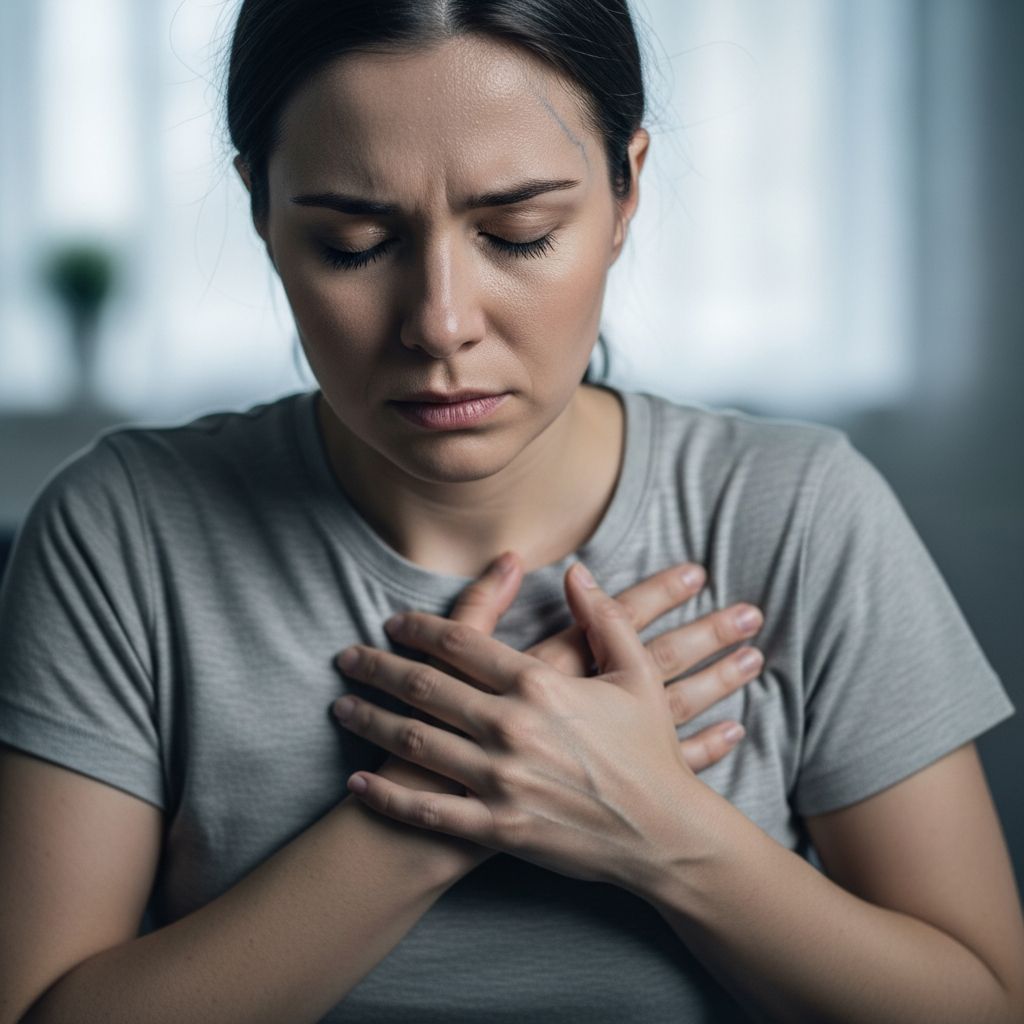
Anxiety often manifests physically, producing symptoms like rapid heartbeat, sweating, trembling, and gastrointestinal distress that can mimic serious medical conditions. These reactions stem from the body’s fight-or-flight response, which prepares for perceived threats even in non-life-threatening situations.
What Is Anxiety?
Anxiety is a natural response to stress, involving feelings of worry, nervousness, or unease, typically about something with an uncertain outcome. While occasional anxiety is normal, such as before a big presentation or exam, persistent or excessive anxiety can interfere with daily life and lead to diagnosable anxiety disorders. According to experts, anxiety activates the sympathetic nervous system, releasing hormones like adrenaline and cortisol, which trigger physical changes to mobilize the body for action.
In moderate levels, anxiety serves a survival purpose by heightening focus and energy. However, when chronic, it keeps the body in a constant state of high alert, potentially harming cardiovascular, digestive, immune, and respiratory systems over time.
Types of Anxiety Disorders
Anxiety disorders encompass several conditions, each with unique characteristics but overlapping physical symptoms. Common types include:
- Generalized Anxiety Disorder (GAD): Excessive worry about everyday issues, lasting at least six months.
- Panic Disorder: Recurrent, unexpected panic attacks involving intense fear peaking within minutes.
- Social Anxiety Disorder: Intense fear of social situations or scrutiny by others.
- Specific Phobias: Irrational fear of particular objects or situations, like heights or spiders.
- Obsessive-Compulsive Disorder (OCD): Intrusive thoughts (obsessions) leading to repetitive behaviors (compulsions).
- Post-Traumatic Stress Disorder (PTSD): Anxiety following trauma, with flashbacks, nightmares, and hypervigilance.
- Separation Anxiety Disorder: Excessive fear of being away from home or loved ones.
- Illness Anxiety Disorder: Preoccupation with having a serious illness despite minimal symptoms.
These disorders affect millions worldwide, with women twice as likely to be diagnosed as men. Early identification is crucial for effective management.
Physical Symptoms of Anxiety
Although classified as mental health conditions, anxiety disorders frequently produce tangible physical symptoms due to the body’s stress response. These can range from mild to debilitating and often prompt individuals to seek emergency care, mistaking them for heart attacks or other illnesses. Common physical symptoms include:
- Increased heart rate or palpitations: Feels like pounding or fluttering in the chest.
- Sweating: Clammy hands, excessive perspiration, or hot flashes/chills.
- Trembling or shaking: Especially in legs, hands, or the entire body.
- Shortness of breath or hyperventilation: Sensation of choking or inability to catch breath.
- Gastrointestinal issues: Nausea, diarrhea, constipation, indigestion, or stomach pain.
- Dizziness or lightheadedness: Feeling faint or unsteady.
- Muscle tension: Tightness in neck, shoulders, jaw, or back.
- Fatigue: Exhaustion despite adequate rest due to constant alertness.
- Headaches: Tension-type or migraines triggered by stress.
- Sleep disturbances: Insomnia, restless sleep, or nightmares.
- Dry mouth or tingling/numbness: In extremities or face.
- Changes in appetite: Loss of appetite or overeating.
These symptoms can vary in intensity and duration, often worsening during stressful periods or without an identifiable trigger.
Panic Attacks: A Severe Form of Anxiety
Panic attacks are sudden episodes of intense fear or discomfort that peak within 10 minutes and last 20-30 minutes. They can occur unexpectedly or in response to triggers and mimic life-threatening conditions. Physical symptoms during a panic attack may include:
| Symptom | Description |
|---|---|
| Chest pain or pressure | Sharp or tight sensation, often mistaken for a heart attack. |
| Racing heart | Heart rate exceeding 100 beats per minute. |
| Difficulty breathing | Feeling of suffocation or smothering. |
| Dizziness or faintness | Vertigo or feeling like the room is spinning. |
| Sweating and chills | Alternating hot and cold sensations. |
| Nausea or abdominal distress | Upset stomach or urge to vomit. |
| Trembling or shaking | Uncontrollable shudders. |
| Numbness or tingling | Pins-and-needles in hands, feet, or face (paresthesia). |
| Derealization or depersonalization | Feeling detached from reality or one’s body. |
| Fear of dying or losing control | Cognitive symptom amplifying physical distress. |
Related Stories



Panic attacks activate the full fight-or-flight cascade: adrenaline surges, blood redirects to muscles, digestion slows, and senses sharpen. Chronic panic can lead to agoraphobia, where individuals avoid places fearing attacks.
Why Does Anxiety Cause Physical Symptoms?
The physical symptoms arise from the autonomic nervous system’s response to perceived danger. The hypothalamus signals the release of stress hormones, prompting:
- Sympathetic activation (fight-or-flight): Increases heart rate, blood pressure, and respiration; dilates pupils; inhibits digestion.
- Adrenaline (epinephrine) rush: Boosts energy, causing shaking, sweating, and alertness.
- Cortisol release: Sustains the response, contributing to muscle tension and immune suppression.
In chronic anxiety, repeated activation leads to allostatic load, wearing down the body and increasing risks for hypertension, gastrointestinal disorders, and weakened immunity. Genetic factors, brain chemistry (e.g., low GABA), and environmental stressors influence susceptibility.
When to See a Doctor
Seek medical help if anxiety symptoms persist >6 months, interfere with work/school/relationships, or include suicidal thoughts, substance abuse, or symptoms suggesting other conditions like hyperthyroidism, heart disease, or anemia. A healthcare provider can rule out physical causes via blood tests, ECG, or imaging and refer to mental health specialists.
Emergency care is warranted for first-time panic attacks with chest pain, severe breathing difficulty, or fainting.
Treatment and Coping Strategies
Effective management combines lifestyle changes, therapy, and medication:
- Cognitive Behavioral Therapy (CBT): Gold standard; restructures negative thoughts and exposure reduces avoidance.
- Medications: SSRIs (e.g., sertraline), SNRIs, benzodiazepines (short-term), or beta-blockers for physical symptoms.
- Lifestyle Interventions: Regular exercise (30 min/day), mindfulness meditation, deep breathing (4-7-8 technique), limiting caffeine/alcohol, and balanced diet.
- Self-Help Techniques: Grounding (5-4-3-2-1 senses), progressive muscle relaxation, journaling worries.
Success rates are high: 60-80% improve with CBT alone. Long-term, building resilience through social support and stress management prevents recurrence.
Frequently Asked Questions (FAQs)
Can physical symptoms of anxiety feel like a heart attack?
Yes, symptoms like chest pain, rapid heartbeat, and shortness of breath overlap, but anxiety lacks ECG changes or enzyme elevation seen in cardiac events. Always get evaluated to differentiate.
How long do anxiety symptoms last?
Acute symptoms subside in minutes to hours; chronic anxiety requires weeks/months of treatment for relief.
Can anxiety cause long-term health problems?
Untreated, yes—increased risk of heart disease, IBS, chronic pain, and weakened immunity due to sustained stress hormones.
Are anxiety medications addictive?
Benzodiazepines can be with long-term use; SSRIs/SNRIs are not and are preferred for daily management.
Can exercise help physical anxiety symptoms?
Absolutely; aerobic activity reduces cortisol, boosts endorphins, and mimics fight-or-flight safely, alleviating tension and improving sleep.
References
- Anxiety Disorders — National Institute of Mental Health (NIMH). 2023-05-15. https://www.nimh.nih.gov/health/topics/anxiety-disorders
- Physical Symptoms of Anxiety — Medical News Today. 2024-02-20. https://www.medicalnewstoday.com/articles/physical-symptoms-of-anxiety
- Panic Disorder and Agoraphobia — Mayo Clinic. 2025-01-10. https://www.mayoclinic.org/diseases-conditions/panic-attacks/symptoms-causes/syc-20376021
- Effects of Chronic Stress on the Body — American Psychological Association (APA). 2024-08-01. https://www.apa.org/topics/stress/body
- Cognitive Behavioral Therapy for Anxiety Disorders — American Psychiatric Association. 2023-11-12. https://www.psychiatry.org/patients-families/anxiety-disorders/what-are-anxiety-disorders
Similar Articles








Read full bio of medha deb