Physical Therapy: 5 Benefits, Techniques, And Uses
Explore how physical therapy relieves pain, restores movement, and enhances quality of life for various conditions.
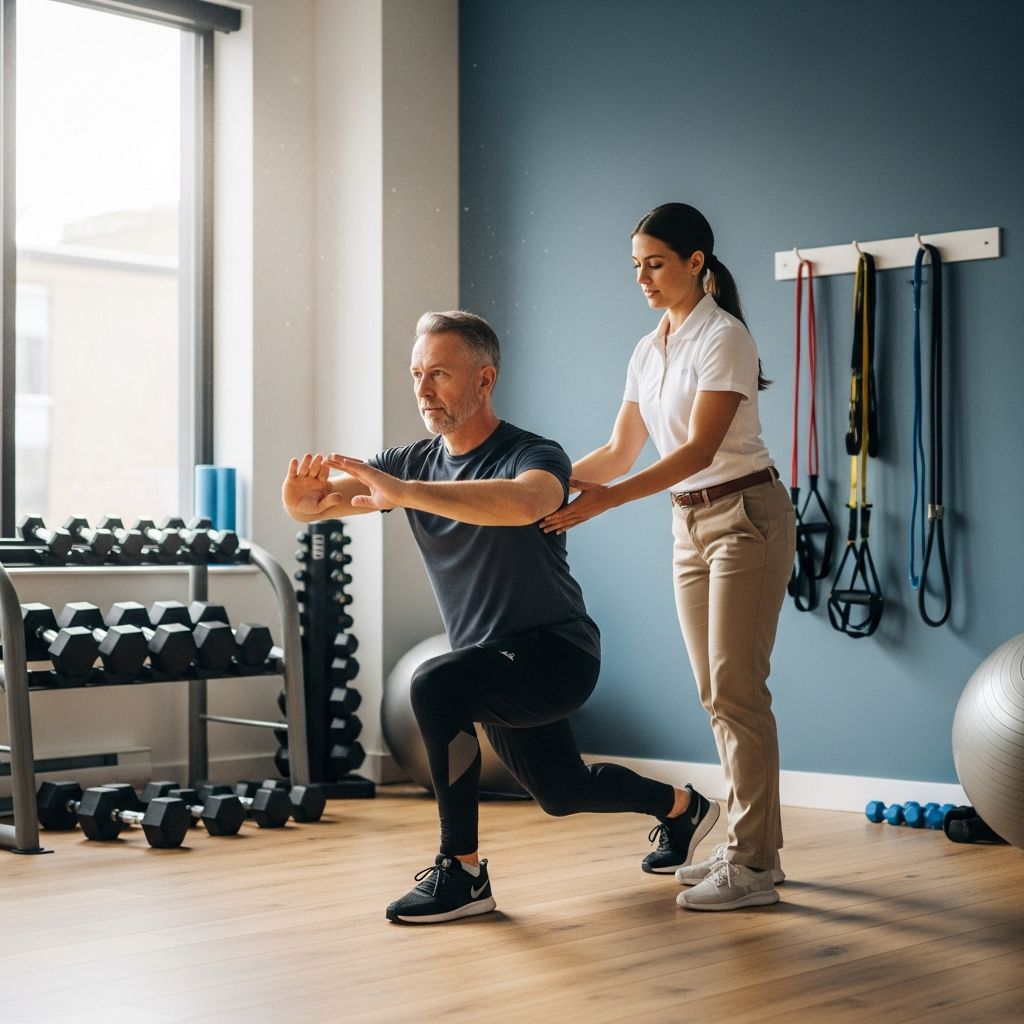
Physical therapy, also known as physiotherapy, is a healthcare profession focused on evaluating, diagnosing, and treating physical dysfunctions through targeted exercises, manual therapy, and physical agents to restore movement, reduce pain, and improve overall function.
What Is Physical Therapy?
Physical therapy involves a comprehensive approach to patient care, where licensed physical therapists assess movement patterns, strength, flexibility, and pain to develop personalized treatment plans. According to the American Physical Therapy Association (APTA), physical therapists are movement experts trained to diagnose and manage a wide range of conditions. Treatments include active exercises patients perform themselves, passive movements guided by the therapist, manual therapy like massage, and modalities such as heat, cold, electrical stimulation, or ultrasound.
The primary aim is not just symptom relief but empowering patients with self-management strategies to continue progress at home, increasing daily physical activity and preventing recurrence. Unlike general exercise, physical therapy is prescriptive and tailored—for instance, exercises for low back pain differ from those for knee issues, addressing specific weaknesses and imbalances.
What Does Physical Therapy Treat?
Physical therapy addresses acute and chronic conditions across body systems, helping patients avoid surgery, reduce medication reliance, and enhance quality of life.
- Musculoskeletal conditions: Back and neck pain, arthritis, sprains, strains, tendonitis, and post-surgical recovery like knee or hip replacements.
- Neurological disorders: Stroke, Parkinson’s disease, multiple sclerosis, improving limb responsiveness, movement patterns, strength, and balance.
- Cardiovascular and pulmonary issues: Rehabilitation after heart surgery or COPD, boosting endurance and stamina.
- Pediatric and geriatric conditions: Developmental delays in children, fall prevention and osteoporosis management in older adults.
- Other: Wound care for burns or ulcers, balance issues from inner ear problems, and sports injuries.
For example, in osteoarthritis or torn cartilage, PT can postpone surgery for years by strengthening joints and improving range of motion.
Benefits of Physical Therapy
Physical therapy offers evidence-based advantages, supported by clinical research, making it a first-line treatment for many issues. Key benefits include:
- Pain reduction: Retrains the pain system through movement, often decreasing the need for opioids or invasive procedures.
- Improved mobility and strength: Enhances range of motion, coordination, and muscle power for better daily function.
- Injury prevention and faster recovery: Builds balance to reduce fall risk and supports post-injury or surgical rehab.
- Mental health support: A meta-analysis in BMJ Sports Medicine found exercise therapy 1.5 times more effective than medication or CBT for mild depression, anxiety, and stress.
- Long-term outcomes: Prevents chronic problems, manages age-related decline like sarcopenia, and improves posture and life satisfaction.
Studies from APTA highlight economic value, showing PT reduces healthcare costs by averting surgeries and hospitalizations.
Physical Therapy Techniques and Exercises
Treatment is customized but commonly features:
- Active exercises: Patient-led movements to build strength, mobility, and coordination, such as leg lifts for knee pain or core stabilization for back issues. These form the core of sessions, with home programs essential for success.
- Manual therapy: Hands-on techniques like joint mobilization, soft tissue massage, and pressure to relieve tension and improve alignment.
- Modalities: Heat/cold packs for inflammation, ultrasound for deep tissue healing, electrical stimulation for muscle activation.
- Balance and functional training: Exercises targeting stability, gait, and daily activities like lifting or walking to prevent falls.
- Range-of-motion exercises: Stretching to maintain joint flexibility, vital for post-surgery or aging patients.
Related Stories



Physical therapists also educate on posture, ergonomics, and activity modifications.
What Happens in a Physical Therapy Session?
A typical session begins with evaluation: reviewing medical history, observing movement, testing strength/flexibility, and setting goals. The therapist then implements interventions, demonstrates home exercises, and tracks progress over 4-12 weeks, adjusting as needed. Patients actively participate, learning self-care to integrate into routines. Virtual options, like those from Hinge Health, allow home-based programs with 68% average pain reduction in 12 weeks.
Who Performs Physical Therapy?
Physical therapists (PTs) hold doctoral degrees, pass licensure exams, and specialize in areas like orthopedics or neurology. They collaborate with physicians, prescribing care plans independently in many states. Physical therapist assistants (PTAs) support under supervision.
Exercise Therapy in Physical Therapy
Exercise therapy, a cornerstone, tailors movements to individual needs for pain relief and function. Unlike generic workouts, it’s progressive: starting gentle, advancing to strength-building. Benefits include recalibrating pain sensitivity, improving circulation/metabolism, and compensating for disabilities like unilateral weakness.
| Technique | Purpose | Examples |
|---|---|---|
| Active Exercises | Build strength/mobility | Squats, planks |
| Manual Therapy | Relieve tension | Massage, mobilization |
| Modalities | Pain/inflammation control | Ultrasound, TENS |
| Balance Training | Fall prevention | Single-leg stands |
Frequently Asked Questions (FAQs)
What conditions does physical therapy treat?
PT treats musculoskeletal pain, neurological disorders, cardiovascular issues, wounds, and more, improving movement and reducing pain.
Is physical therapy painful?
Sessions may cause mild discomfort during exercises but aim to reduce overall pain; communicate with your therapist.
How many sessions are needed?
Varies by condition—typically 6-12 weeks, 2-3 times weekly, with home exercises key to progress.
Can physical therapy prevent surgery?
Yes, often delaying or avoiding it for joint issues by strengthening and improving function.
Is PT covered by insurance?
Most plans cover it; check with providers for details.
What if I have chronic pain?
PT excels here, retraining pain responses and boosting function without drugs.
Physical therapy empowers individuals to reclaim mobility and vitality. Consult a licensed PT for personalized care.
References
- Physical therapy – InformedHealth.org — NCBI Bookshelf. 2023. https://www.ncbi.nlm.nih.gov/books/NBK561514/
- What is exercise therapy? How it helps relieve pain — Hinge Health. 2024. https://www.hingehealth.com/resources/articles/exercise-therapy/
- Physical therapy: Who can benefit, and how can it help? — Medical News Today. 2023-10-12. https://www.medicalnewstoday.com/articles/160645
- Learn About the Basics of Physical Therapy — St. Mary’s Health Care System. 2024. https://www.stmaryshealthcaresystem.org/blog-articles/learn-about-basics-physical-therapy
- A Report From the American Physical Therapy Association — APTA. 2023. https://www.valueofpt.com/globalassets/value-of-pt/economic_value_pt_u.s._report_from_apta-report.pdf
- How Can a Physical Therapist Help Me? — National Council on Aging. 2024. https://www.ncoa.org/article/what-is-a-physical-therapist-and-how-can-physical-therapy-help-me/
- APTA: American Physical Therapy Association — APTA. 2026-01-01. https://www.apta.org
Similar Articles








Read full bio of medha deb