Phytonutrients: Paint Your Plate with Rainbow Colors
Unlock vibrant health by eating colorful fruits and vegetables rich in phytonutrients.
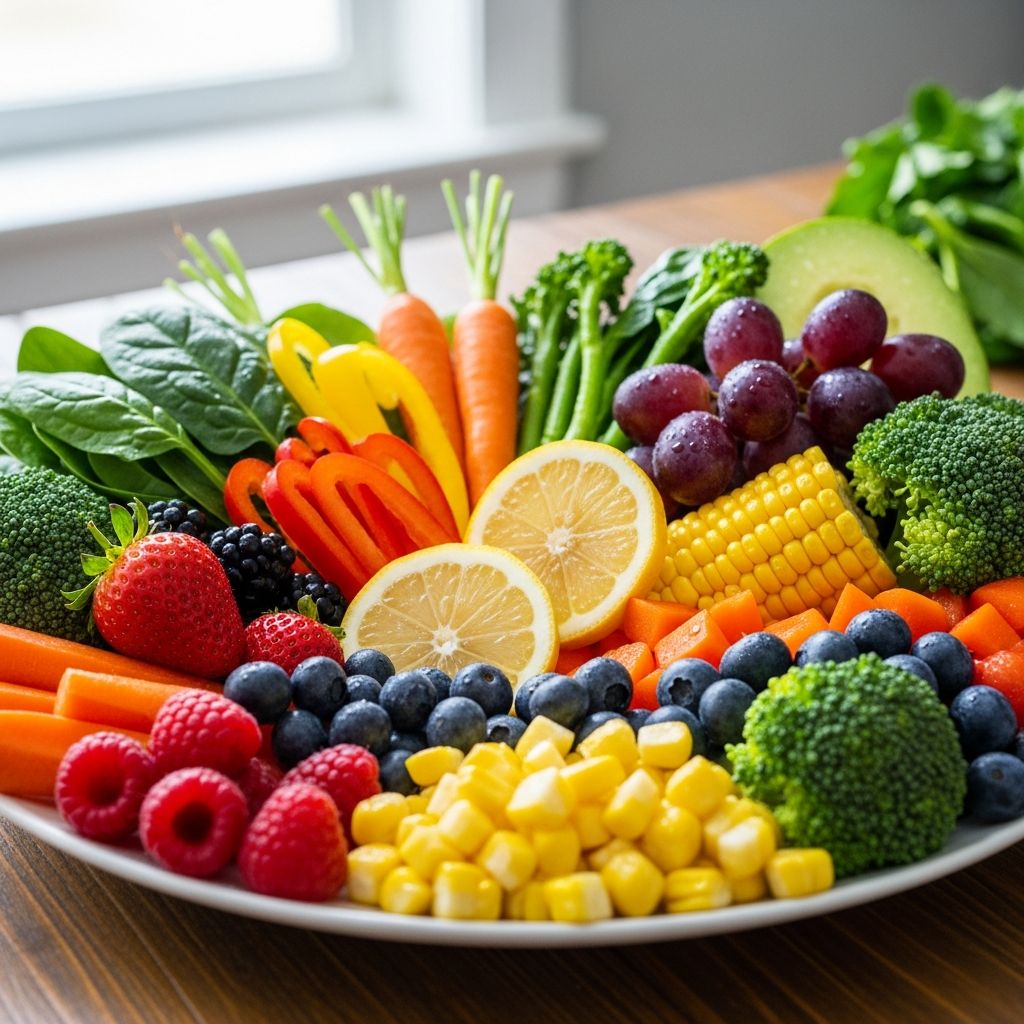
Phytonutrients: Paint Your Plate with the Colors of the Rainbow
Eating a rainbow of fruits and vegetables has become a popular health mantra, but there’s solid science behind this colorful advice. The vibrant hues of our favorite produce aren’t just visually appealing—they represent a diverse array of powerful plant compounds called phytonutrients that can transform your health. Understanding what these compounds are and how they work can help you make better dietary choices to support longevity, immunity, and overall wellness.
What Are Phytonutrients?
Phytonutrients, also known as phytochemicals, are naturally occurring compounds found exclusively in plant-based foods. The term literally means “plant chemicals,” derived from the Greek word “phyto” meaning plant. These compounds are responsible for giving fruits, vegetables, whole grains, legumes, nuts, seeds, tea, coffee, and red wine their distinctive colors, flavors, and aromas.
To date, scientists have identified approximately 10,000 different phytonutrients, with many more yet to be discovered. These compounds are concentrated throughout edible plants, particularly in the skin or peel where they serve an important function—protecting the plant itself from diseases, pests, and environmental stressors. When we consume plant foods, we benefit from these same protective properties that these compounds offer to plants.
The Health Benefits of Phytonutrients
The scientific evidence supporting phytonutrients continues to grow, revealing remarkable health-promoting mechanisms. These compounds work through multiple pathways to support human health:
Antioxidant Protection
Phytonutrients possess powerful antioxidant properties that combat harmful free radicals in the body. Free radicals are unstable molecules that can damage cells and contribute to aging and chronic disease. Antioxidants neutralize these harmful molecules, protecting your cells from oxidative stress and inflammation.
Anti-Inflammatory Action
Chronic inflammation is at the root of many diseases, including heart disease, diabetes, and certain cancers. Phytonutrients help reduce inflammation throughout the body, supporting cardiovascular health and reducing disease risk.
Immune System Support
By consuming phytonutrients, we essentially transfer the plant’s immune-boosting compounds to our own immune system. These compounds strengthen our body’s natural defenses against illness and infection.
Metabolic Regulation
Many phytonutrients help regulate crucial metabolic processes, including lowering blood pressure, improving blood lipid profiles, reducing blood sugar levels, and enhancing insulin sensitivity—all critical factors for disease prevention.
Cancer Prevention
Certain phytonutrients exhibit anti-proliferative properties, meaning they inhibit abnormal cell growth and can induce apoptosis (programmed cell death) in cancer cells, offering potential protection against various cancers.
The Color-Coded Nutrition System
Nature has conveniently provided a built-in color-coding system that makes it easy to identify which phytonutrients you’re consuming. Each color represents different bioactive pigments and their associated health benefits. Here’s your guide to eating the rainbow:
Red Fruits and Vegetables
Related Stories



Red produce includes strawberries, tomatoes, beets, radishes, cherries, red onions, and red peppers. Their vibrant red color comes from carotenoids, particularly lycopene. Lycopene is renowned for its potent antioxidant and anti-inflammatory properties. Research has demonstrated that lycopene intake supports heart health, promotes healthy skin, protects eye health, and supports brain function. Tomatoes, especially when cooked, are among the richest sources of lycopene and have been extensively studied for their cardiovascular benefits.
Orange and Yellow Fruits and Vegetables
The bright orange and yellow colors in carrots, winter squash, apricots, yellow peppers, sweet potatoes, bananas, pineapple, mangoes, pumpkins, peaches, and oranges come from carotenoids, with beta-carotene being the most common. Beta-carotene is converted to vitamin A in the body, making these foods essential for protecting the nervous system, promoting eye health, supporting heart health, and boosting immune function. The deeper the orange hue, the higher the carotenoid content.
Green Fruits and Vegetables
Green produce such as spinach, kale, broccoli, Brussels sprouts, green beans, and green peppers derive their color from chlorophyll and various flavonoids. Chlorophyll, the pigment responsible for photosynthesis in plants, offers detoxifying properties and may support healthy digestion. Green vegetables are nutritional powerhouses, rich in vitamins K and C, folate, and numerous phytonutrients that support bone health, cognitive function, and disease prevention.
Blue and Purple Fruits and Vegetables
The deep blue and purple colors in blueberries, blackberries, purple grapes, purple cabbage, purple cauliflower, and eggplant come from anthocyanins and other flavonoids. These compounds are among the most extensively researched phytonutrients due to their impressive health benefits. Anthocyanins have demonstrated significant anti-inflammatory and antioxidant properties, with research linking them to improved cardiovascular health, enhanced cognitive function, better blood sugar control, and reduced cancer risk. The darker the blue or purple, the higher the anthocyanin content.
White and Pale Yellow Fruits and Vegetables
White and cream-colored produce, including garlic, onions, cauliflower, mushrooms, white beans, and pale yellow foods contain allicin and flavones. These compounds, though less visually dramatic than their colorful counterparts, offer significant health benefits. They support cardiovascular health, promote healthy cholesterol levels, and contribute to immune system strength. Garlic and onions, in particular, have been studied for their antimicrobial and anti-inflammatory properties.
Addressing the Phytonutrient Gap
Despite overwhelming evidence of the health benefits of fruits and vegetables, a significant problem exists in modern nutrition: the phytonutrient gap. Research shows that 78% of adults worldwide do not consume the daily recommended servings of fruits and vegetables. Even more concerning, population-based data reveals that eight out of ten American adults have a phytonutrient gap, meaning they fall short in consuming phytonutrients from every color group.
This dietary deficiency has serious health implications, contributing to higher rates of chronic diseases. By deliberately eating a rainbow of produce, individuals can close this phytonutrient gap and significantly improve their health outcomes.
How to Eat the Rainbow Effectively
Simply knowing about phytonutrients isn’t enough—you need to put this knowledge into practice. Here are practical strategies for incorporating rainbow eating into your daily life:
Diversify Across the Rainbow
Make it a goal to include produce from different color groups at each meal. Instead of eating only red tomatoes, green lettuce, and white onions in your salad, add orange carrots, purple cabbage, and yellow bell peppers. This approach ensures you’re consuming a broader spectrum of phytonutrients.
Diversify Within Each Color
Don’t simply eat the same red food or the same blue food repeatedly. Different varieties within each color group contain different phytonutrient profiles. For example, red apples, red peppers, and red onions all offer different benefits. Similarly, blueberries, blackberries, and purple grapes each contribute unique compounds.
Choose Whole Foods
Whole fruits and vegetables contain the highest concentrations of phytonutrients, particularly in their skins and peels. Processed foods, juices, and supplements may have reduced phytonutrient content. Whenever possible, choose whole foods to maximize your intake.
Include All Edible Parts
Many phytonutrients are concentrated in the skin or peel, so eat broccoli stems, beet greens, and carrot skins when possible. Cooking methods like steaming or roasting can help preserve these valuable compounds.
Eat Seasonally
Seasonal produce is typically fresher and contains higher phytonutrient levels than out-of-season varieties. Shopping at farmers’ markets or joining a community-supported agriculture (CSA) program can help you access fresher, more nutrient-dense produce.
The Science Behind Color-Associated Health Benefits
Research synthesizing the evidence on color-associated bioactive pigments reveals compelling findings. A comprehensive umbrella review examining multiple studies found that 42% of health outcomes studied were improved by color-associated pigments. The research identified unique health effects associated with each color group:
| Color Group | Primary Pigments | Key Health Benefits |
|---|---|---|
| Red | Lycopene, Beta-cryptoxanthin | Heart health, skin health, eye health, brain support |
| Orange/Yellow | Beta-carotene, Alpha-carotene | Vision, immune function, nervous system support, heart health |
| Green | Chlorophyll, Flavonoids | Detoxification, bone health, digestive support, cognitive function |
| Blue/Purple | Anthocyanins, Flavonoids | Cognitive function, cardiovascular health, blood sugar control, anti-cancer properties |
| White/Pale | Allicin, Flavones | Cardiovascular health, cholesterol support, immune function |
Health outcomes associated with multiple color pigments include body weight management, improved lipid profiles, reduced inflammation, cardiovascular disease prevention, increased longevity, type 2 diabetes prevention, and cancer risk reduction.
Practical Tips for Getting Started
If you’re new to eating the rainbow, start with these practical steps:
- Begin by adding one new color to your diet each week
- Challenge yourself to try a fruit or vegetable you’ve never eaten before
- Shop with your family and let children select unfamiliar produce to increase buy-in
- Experiment with different cooking methods—roasting, steaming, sautéing—to discover preparation styles you enjoy
- Prep colorful vegetables in advance for easy snacking and meal assembly
- Use frozen or canned produce, which retains most phytonutrients and makes eating the rainbow more convenient and affordable
- Add colorful vegetables and fruits to familiar recipes to increase phytonutrient intake without overhauling your diet entirely
Frequently Asked Questions
Q: Is it better to eat raw or cooked vegetables for phytonutrient content?
A: Both raw and cooked vegetables offer benefits. Cooking can actually increase the bioavailability of certain phytonutrients like lycopene in tomatoes, making them easier for your body to absorb. Other phytonutrients are better preserved in raw produce. The best approach is to consume both raw and cooked vegetables throughout your day.
Q: Are frozen or canned fruits and vegetables as nutritious as fresh?
A: Frozen and canned produce can be excellent choices. They’re typically processed at peak ripeness when phytonutrient levels are highest, making them nutritionally comparable to fresh produce. Choose canned vegetables with low sodium and fruits canned in their own juice rather than syrup.
Q: How many servings of each color should I eat daily?
A: Aim for at least 2.5 cups of vegetables and 2 cups of fruit daily. Try to include multiple colors at each meal rather than concentrating all your produce consumption at one sitting. A practical approach is to fill half your plate with vegetables and fruits of varying colors.
Q: Can phytonutrient supplements replace eating whole fruits and vegetables?
A: No. While supplements may contain isolated phytonutrients, whole fruits and vegetables provide a complete matrix of compounds that work synergistically. Additionally, whole foods provide fiber, vitamins, and minerals that supplements cannot replicate. Food-first approach is always recommended.
Q: Will eating the rainbow help me lose weight?
A: Eating a rainbow of produce can support healthy weight management. Fruits and vegetables are nutrient-dense but relatively low in calories, and their high fiber content promotes satiety. Research has shown that increased fruit and vegetable consumption is associated with better body weight management.
Conclusion
The advice to “eat a rainbow” is more than just catchy marketing—it’s grounded in solid nutritional science. By consuming a variety of colorful fruits and vegetables, you’re accessing thousands of phytonutrients that work together to support your immune system, protect your heart, reduce inflammation, and promote longevity. The color-coding system nature provides makes it simple to understand which foods offer which benefits, removing the guesswork from healthy eating.
Start today by assessing your current diet’s color diversity. If you’re like most Americans, you likely have a phytonutrient gap to close. By deliberately incorporating more colors into your plate at each meal, you can transform your health from the inside out. Paint your plate with the colors of the rainbow, and let the powerful phytonutrients in colorful produce nourish your body and support your lifelong health journey.
References
- Should We ‘Eat a Rainbow’? An Umbrella Review of the Health Effects of Color-Associated Phytonutrients — National Center for Biotechnology Information (NCBI). 2022. https://pmc.ncbi.nlm.nih.gov/articles/PMC9268388/
- Phytochemicals: Why You Should Eat the Rainbow — Harvard Medical School. 2019. https://www.health.harvard.edu
- The Benefits of Eating a Rainbow of Colorful Fruits and Vegetables — Columbia University Teachers College. 2023. https://www.tc.columbia.edu/tisch/tisch-dish/
- Phytonutrients and Plant-Based Nutrition — Teladoc Health. https://www.teladochealth.com/library/
- Farmers Market Finds: The Benefits of Eating the Rainbow — Community Regional Medical Center (CRMC). https://www.cuyunamed.org/knowledge-hub/
Similar Articles








Read full bio of Sneha Tete