Phytophotodermatitis: Plant-Induced Skin Reaction
Understanding phytophotodermatitis: causes, symptoms, and effective treatment strategies.
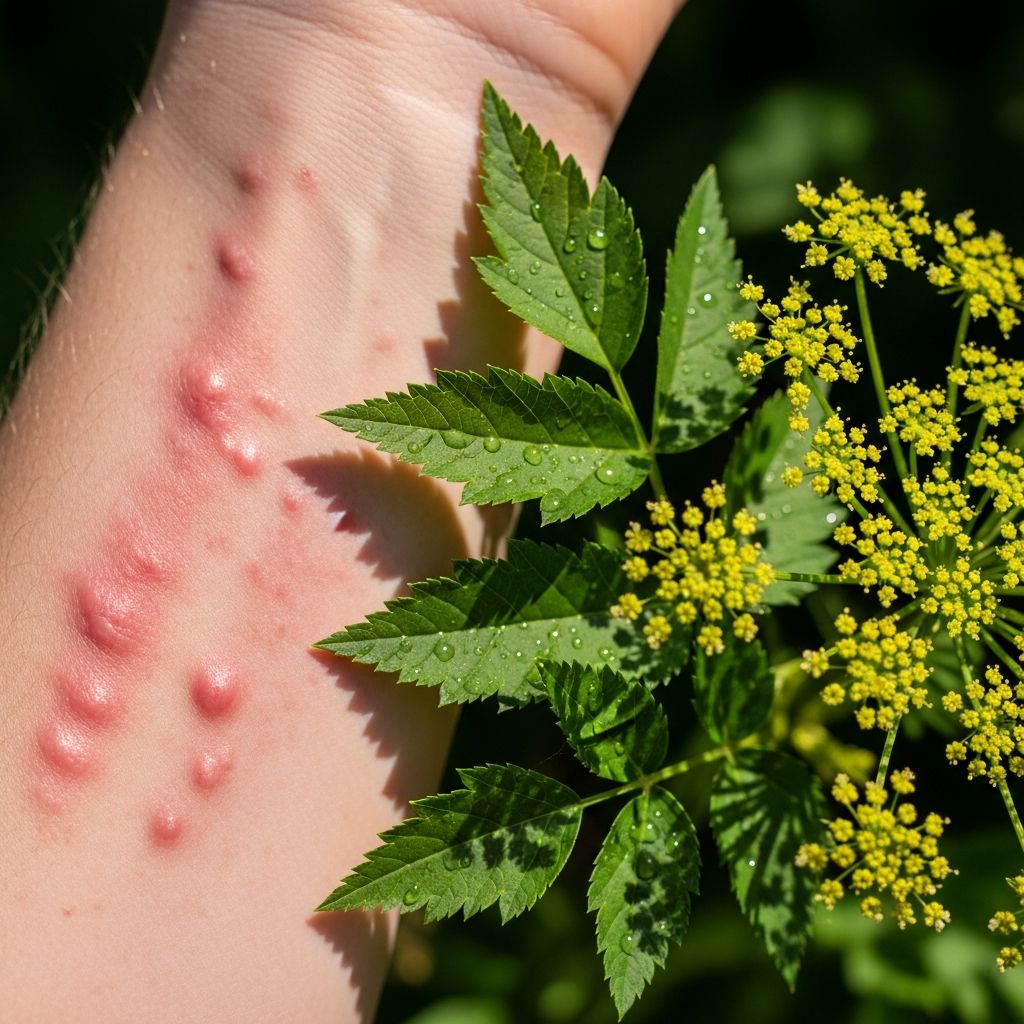
What Is Phytophotodermatitis?
Phytophotodermatitis is a toxic skin reaction that occurs when the skin comes into contact with certain plant chemicals and is subsequently exposed to sunlight, particularly ultraviolet A (UVA) radiation. The term itself derives from Greek origins: “phyto” meaning plant, “photo” meaning light, and “dermatitis” referring to skin inflammation. This condition is sometimes colloquially known as “lime disease,” though it should not be confused with Lyme disease, the tick-borne illness caused by Borrelia burgdorferi bacteria.
Unlike allergic contact dermatitis, which involves an immune response, phytophotodermatitis is a direct chemical reaction that does not require prior sensitization. When psoralen—a chemical compound found in certain plants—comes into contact with the skin and is subsequently exposed to UVA light, a photochemical reaction occurs that damages skin cells and causes cell death, resulting in the characteristic inflammatory response.
Understanding the Mechanism
The development of phytophotodermatitis involves a specific sequence of events. First, the skin comes into contact with furanocoumarins, a class of chemicals found in many plants and plant-based products. The active substance within furanocoumarins is psoralen, which gets absorbed into the skin. When the affected area is then exposed to UVA light from sunlight, the psoralen reacts with the ultraviolet radiation, triggering an intense cutaneous reaction.
At the histologic level, cell damage becomes detectable approximately 24 hours after the initial plant exposure, with clinical signs typically appearing 48 hours after UVA exposure. This delayed presentation is why individuals may not immediately connect their skin reaction to a previous plant exposure.
Common Causes and Triggering Plants
Citrus fruits are among the most common causes of phytophotodermatitis, particularly lemons and limes. The condition earned its colloquial name “lime disease” due to the frequency of lime-related cases. Beyond citrus, numerous other plants contain furanocoumarins and can trigger the condition:
- Parsnips
- Parsley
- Celery
- Figs
- Bergamot oil and other plant-derived fragrances
- Various essential oils derived from plants
Activities that increase exposure risk include canning fruits or vegetables, working with produce in grocery stores, cooking with fresh vegetables, and outdoor recreational activities such as fishing, gardening, hiking, and camping. Psoralen may also be present in certain fragrances and plant oils, such as oil of bergamot, expanding the potential sources of exposure beyond fresh produce.
Risk Factors and Susceptibility
While phytophotodermatitis can affect anyone, several factors increase the risk of developing the condition:
- Direct exposure to certain plants and plant-based products
- Use of perfumes or oils containing particular plant chemicals
- Geographic location or seasonal factors involving sunny weather
- Engagement in activities that combine plant contact with sun exposure
- Occupational exposure, such as in food preparation or agricultural work
Environmental factors such as wet skin, sweat, and heat can exacerbate the initial symptoms, while prolonged sun exposure can darken skin pigmentation and worsen the hyperpigmentation characteristic of the condition.
Symptoms and Clinical Presentation
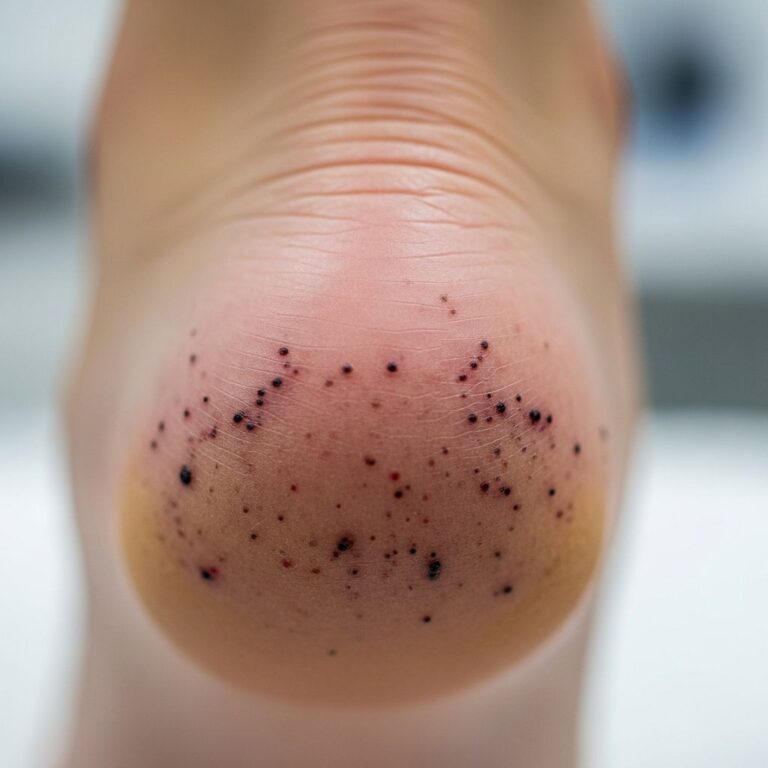
Phytophotodermatitis presents with a variety of symptoms that typically develop within 24 to 48 hours following sun exposure. The condition is characterized by:
Related Stories



- Irregular or bizarrely shaped rashes, often asymmetrically distributed
- Large areas of blistering
- Intense itching and redness
- Skin discoloration and inflammation
- Pain and tenderness in affected areas
- A burning sensation
- Crusted patches of skin once blisters have burst
One distinctive characteristic of phytophotodermatitis is that it is often nonpruritic (non-itching), which can help differentiate it from other dermatologic conditions. Some individuals who experience only a mild inflammatory reaction may not be aware they have developed the condition initially; the hyperpigmentation may be the first noticeable sign. The intensity of the rash is directly related to the intensity of sun exposure, with more severe blistering occurring in areas that received the most intense UV radiation.
Diagnosis and Differential Diagnosis
Phytophotodermatitis is primarily a clinical diagnosis, made when patients present with an irregularly shaped rash and a history of exposure to both sunlight and a psoralen-containing substance. The diagnosis should be suspected when the rash exhibits a bizarre appearance with irregular borders and does not follow typical patterns of other skin conditions.
Several conditions must be considered in the differential diagnosis:
- Contact dermatitis
- Severe burns
- Cellulitis
- Fungal skin infections
- Polymorphic light eruption
- Drug-related photosensitivity (from medications such as doxycycline, antifungal agents, phenothiazines, and certain nonsteroidal anti-inflammatory drugs)
If a doctor is unsure of the diagnosis or wishes to rule out other conditions, they may perform additional investigations. A detailed history of recent plant exposures and sun exposure patterns is crucial for accurate diagnosis.
Treatment Options
There is no cure for phytophotodermatitis; the condition must run its course as the chemical reaction gradually resolves. However, multiple treatment options are available to manage symptoms and accelerate healing:
Symptom Management Approaches
- Cold compresses: Applying a cool washcloth or cold compress to affected areas provides immediate relief
- Topical creams and ointments: Soothing lotions and creams reduce swelling and itching
- Over-the-counter cortisone cream: Effective for mild cases to reduce inflammation
- Prescription topical steroid creams: More potent corticosteroids reduce inflammation and itching in moderate to severe cases
- Oral corticosteroids: Prescribed for severe symptoms affecting large body areas
- Antihistamines: May be recommended for itching relief
- Over-the-counter NSAIDs: Medications such as ibuprofen and aspirin help reduce pain and swelling
Wound Care and Prevention
- Standard wound care for blistered skin to prevent secondary infection
- Avoiding other skin irritants by wearing cotton clothing and using gentle, fragrance-free soaps and detergents
- Reducing sun exposure, particularly when UV rays are strongest (typically 10 AM to 4 PM)
- Applying broad-spectrum sunscreen with SPF 30 or higher when sun exposure cannot be avoided
Evidence for many treatment options is based on expert opinion rather than extensive clinical trials. In many cases, reassurance that the condition is self-limiting and will resolve is often all that is needed. Most cases clear up with minimal intervention within several weeks.
Duration and Recovery
The rash and blistering typically resolve within a period of weeks. However, persistent hyperpigmentation—darkening of the affected skin—is expected and can last for weeks to months following the acute reaction. This pigmentary change is often the most bothersome aspect for patients after the acute inflammatory phase has resolved. The hyperpigmentation will gradually fade over time as the skin completes its healing process.
Prevention Strategies
Preventing phytophotodermatitis is more effective than treating it. Key prevention measures include:
- Wear protective gloves when gardening, cooking, slicing fruits or vegetables, or handling plant materials known to contain furanocoumarins
- Apply sunscreen with adequate sun protection factor (SPF) before exposing skin to sunlight
- Avoid contact with known trigger plants and fruits
- Limit sun exposure during times of peak UV intensity
- Wash hands thoroughly after handling citrus fruits or other high-risk plants
- Be cautious with fragrances and oils that may contain plant-derived psoralen compounds
For individuals who engage in regular occupational exposure to plants or produce, such as grocery store workers or chefs, consistent use of protective equipment is essential for prevention.
Complications and When to Seek Medical Attention
Phytophotodermatitis is usually not serious and resolves quickly with minimal complications. However, certain situations warrant medical evaluation:
- Symptoms that are severe or extensive
- Recurrent cases of phytophotodermatitis, which may indicate repeated contact with a trigger substance
- Symptoms that are not improving or are worsening over time
- Signs of secondary infection (increased warmth, pus, or spreading redness)
- Significant pain that is not controlled with over-the-counter medications
A doctor can help identify the specific plant causing the reaction and provide guidance on avoiding future exposures. Recurrent cases may indicate occupational or lifestyle patterns that require modification.
Frequently Asked Questions
Q: Is phytophotodermatitis contagious?
A: No, phytophotodermatitis is not contagious. It is a direct chemical reaction between plant compounds and sunlight exposure and cannot be transmitted from person to person.
Q: How long does phytophotodermatitis last?
A: The acute rash and blistering typically resolve within several weeks. However, hyperpigmentation can persist for weeks to months. The condition must run its course, as there is no cure.
Q: Can phytophotodermatitis be prevented?
A: Yes, phytophotodermatitis can be prevented by wearing protective gloves when handling high-risk plants, applying sunscreen before sun exposure, and avoiding contact with known trigger substances.
Q: What is the difference between phytophotodermatitis and Lyme disease?
A: Despite sharing the colloquial name “lime disease,” phytophotodermatitis is a chemical skin reaction caused by plant compounds and sunlight. Lyme disease is a bacterial infection transmitted by tick bites. They are completely unrelated conditions.
Q: Should I see a dermatologist for phytophotodermatitis?
A: Most cases can be managed at home with self-care. However, you should consult a healthcare provider if symptoms are severe, recurrent, not improving, or worsening, or if you need help identifying the trigger substance.
Q: Can medications make phytophotodermatitis worse?
A: Some medications can increase photosensitivity and worsen reactions to sunlight. Discuss any new medications with your doctor if you are at risk for phytophotodermatitis.
References
- Phytophotodermatitis: Symptoms, treatment, and causes — Medical News Today. 2023. https://www.medicalnewstoday.com/articles/319001
- What You Should Know About Phytophotodermatitis — WebMD. https://www.webmd.com/skin-problems-and-treatments/phytophotodermatitis
- Phytophotodermatitis: Rash with many faces — National Center for Biotechnology Information (NCBI). https://pmc.ncbi.nlm.nih.gov/articles/PMC5729142/
- Phytophotodermatitis symptoms and treatment — MD Anderson Cancer Center. https://www.mdanderson.org/cancerwise/what-i-learned-about-phytophotodermatitis.h00-159464001.html
Similar Articles








Read full bio of medha deb