Pica: What It Is, Causes, Symptoms & Treatment
Understand pica, an eating disorder involving non-food cravings, its risks, causes, diagnosis, and effective treatments for all ages.
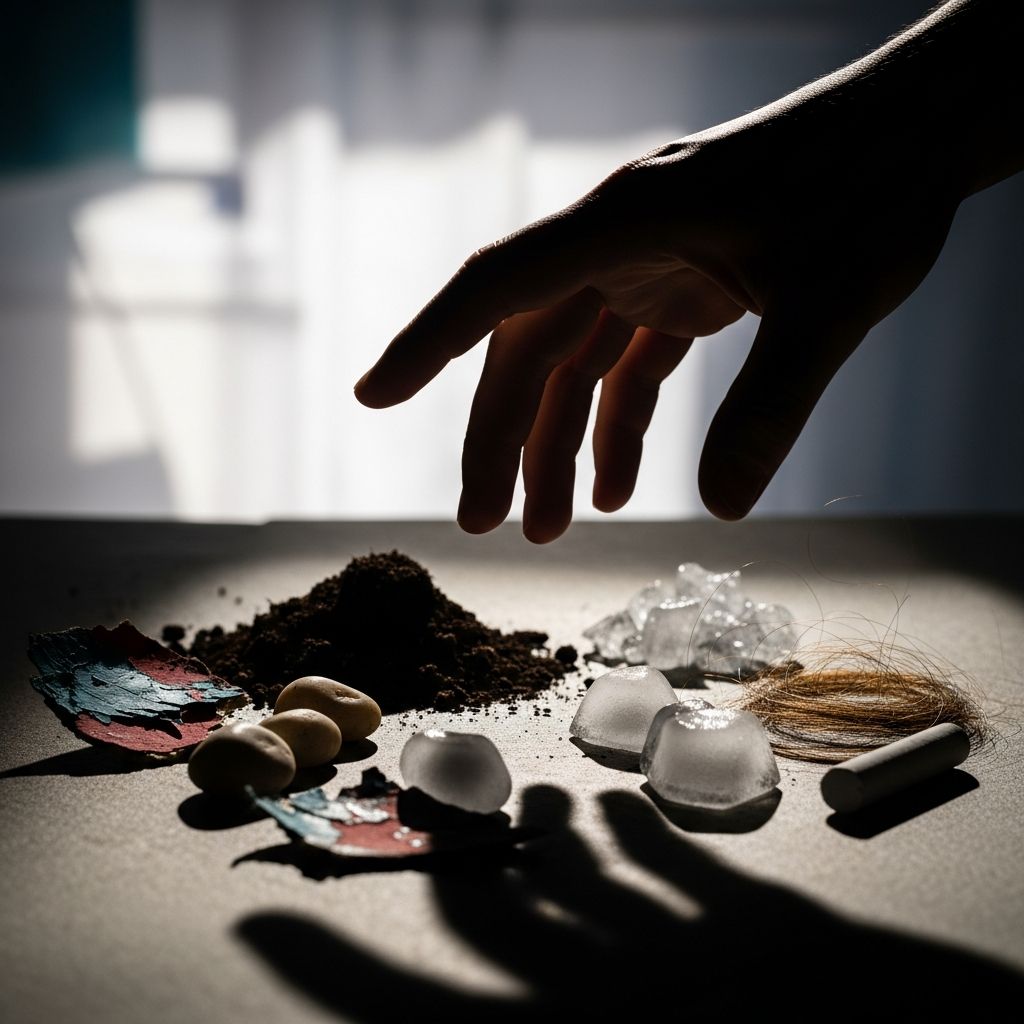
Pica is an eating disorder characterized by the persistent consumption of non-nutritive, non-food substances over at least one month, not aligned with cultural or developmental norms.
This condition affects various populations, including young children, pregnant individuals, and those with intellectual disabilities or autism spectrum disorders. While often benign, pica can lead to serious health complications depending on ingested items.
What Is Pica?
Pica derives from the Latin word for magpie, a bird known for eating almost anything. Clinically, it involves compulsive ingestion of items like dirt, clay, ice, paper, hair, or paint chips without nutritional value.
According to the DSM-5, diagnosis requires the behavior to persist for at least one month and be inappropriate for developmental level (typically diagnosed in children over age 2). Common subtypes include geophagy (earth/clay), pagophagia (ice), and amylophagia (starch).
In children under 24 months, mouthing objects is developmentally normal and does not qualify as pica. However, actual swallowing distinguishes pathological pica.
Symptoms of Pica
The hallmark symptom is repeated ingestion of non-food items. Affected individuals often prefer specific substances, though variety occurs.
Secondary symptoms arise from complications:
- Dental damage from hard items like rocks or ice.
- Gastrointestinal issues: nausea, vomiting, abdominal pain, constipation, or diarrhea.
- Blockages or bezoars (masses of indigestible material) from hair (trichophagia) or fibers.
- Infections from dirt or animal feces (parasites like toxoplasmosis).
- Toxicity: lead from paint, heavy metals from soil.
Behavioral signs include irritability, restlessness, or new repetitive actions. In children with developmental disabilities, caregivers may notice coughing, gagging, or respiratory distress.
Causes and Risk Factors
Exact causes remain unclear, but multiple factors contribute:
- Nutritional deficiencies: Iron-deficiency anemia is strongly linked, especially pagophagia (ice-craving resolves with iron supplementation).
- Developmental factors: Common in children aged 1-6 and those with autism, intellectual disabilities, or Down syndrome.
- Pregnancy: Affects up to 50% of pregnant women, often resolving postpartum; linked to anemia or hormonal changes.
- Mental health: Co-occurs with OCD, schizophrenia, or trichotillomania.
- Environmental: Poverty, neglect, or cultural practices (e.g., geophagy in some regions).
Risk is higher in low-income groups or areas with lead exposure.
Common Items Eaten in Pica
| Item | Type | Potential Risks |
|---|---|---|
| Dirt/Clay (Geophagy) | Soil substances | Parasites, heavy metals, infections |
| Ice (Pagophagia) | Frozen water | Usually benign; dental wear |
| Paper/Chalk | Cellulose materials | Blockages, poor nutrition |
| Hair (Trichophagia) | Organic fiber | Bezoars, obstructions |
| Paint/Paint chips | Household items | Lead poisoning |
| Starch (Amylophagia) | Raw flour/rice | Malnutrition |
Diagnosis of Pica
Diagnosis follows DSM-5 criteria:
- Persistent eating of non-food/non-nutritive substances for ≥1 month.
- Behavior not developmentally appropriate (age ≥2).
- Not part of hunger/hunger mimic (e.g., KBAs).
- Not better explained by cultural practice or another disorder.
Healthcare providers assess via history, observation, and ruling out mimics like allergies or sensory processing issues.
Related Stories



Tests include:
- Blood tests: Iron, hemoglobin, lead levels.
- Imaging: X-rays, ultrasounds for obstructions.
- Stool exams: Parasites.
Prevalence is underreported; exact rates unknown due to varying definitions and stigma.
Treatment Options for Pica
Treatment is multifaceted, addressing underlying causes:
- Nutritional correction: Iron or zinc supplements if deficient; often resolves pagophagia.
- Behavioral therapy: Aversion (mild punishment for pica behavior), positive reinforcement for normal eating.
- Environmental modification: Remove access to non-food items; supervision for children.
- Medications: SSRIs or antipsychotics if linked to OCD/psychosis; rarely first-line.
- Sensory alternatives: Chewable toys or textured foods for sensory seekers.
Interprofessional teams (physicians, psychologists, dietitians) enhance outcomes. In developmental disabilities, prevention via distraction is key.
Complications and Risks
While often harmless (e.g., ice), risks escalate with toxic/sharp items:
- Intestinal issues: Obstruction, perforation, ulcers requiring surgery.
- Toxicity: Lead poisoning (neurotoxicity, anemia), mercury, or parasites.
- Infections: Helminths from soil.
- Dental/resp: Chipped teeth, aspiration pneumonia.
Long-term pica in intellectually impaired individuals increases chronic risks.
Prognosis and Prevention
Prognosis is excellent in children and pregnancy (self-resolves). Chronic cases may persist years without intervention.
Prevention strategies:
- Address anemia early in at-risk groups.
- Supervise toddlers; educate on edible vs. non-edible.
- Cultural sensitivity in diagnosis.
- Caregiver training for disabled individuals.
Pica enters remission with treatment; lifelong monitoring may be needed.
When to See a Doctor
Seek immediate care if:
- Abdominal pain, vomiting, constipation (obstruction signs).
- Unexplained anemia or fatigue.
- Child swallows non-food repeatedly.
Honest discussions aid diagnosis; providers offer nonjudgmental support.
Frequently Asked Questions (FAQs)
What causes pica in children?
Commonly nutritional deficiencies like iron, developmental stages, or sensory exploration; resolves with age and correction.
Is pica dangerous during pregnancy?
Often benign (ice), but risks toxicity or infections; supplements usually resolve it.
How is pica treated in autism?
Prevention, sensory alternatives, behavioral therapy; address co-morbid deficiencies.
Can pica lead to lead poisoning?
Yes, from paint chips or contaminated soil; test lead levels in suspected cases.
Does pica go away on its own?
Frequently in children/pregnancy; persistent cases need intervention.
References
- Pica: What It Is, Causes, Symptoms & Treatment — Cleveland Clinic. 2023-10-25. https://my.clevelandclinic.org/health/diseases/22944-pica
- Pica – The Basics for Caregivers — Adult Down Syndrome Center, Advocate Health. 2016-09. https://adscresources.advocatehealth.com/resources/pica-the-basics-for-caregivers/
- Pica – StatPearls — NCBI Bookshelf. 2023. https://www.ncbi.nlm.nih.gov/books/NBK532242/
- Broadening The Perspective Of Pica: Literature Review — CDC Stacks. 1990. https://stacks.cdc.gov/view/cdc/63432
- Pica — MedlinePlus, NIH. 2023. https://medlineplus.gov/ency/article/001538.htm
Similar Articles








Read full bio of Sneha Tete