Pickle Juice: 7 Evidence-Based Benefits, Risks & Uses
Discover the surprising health benefits of pickle juice, from muscle cramp relief to hydration and gut health support.
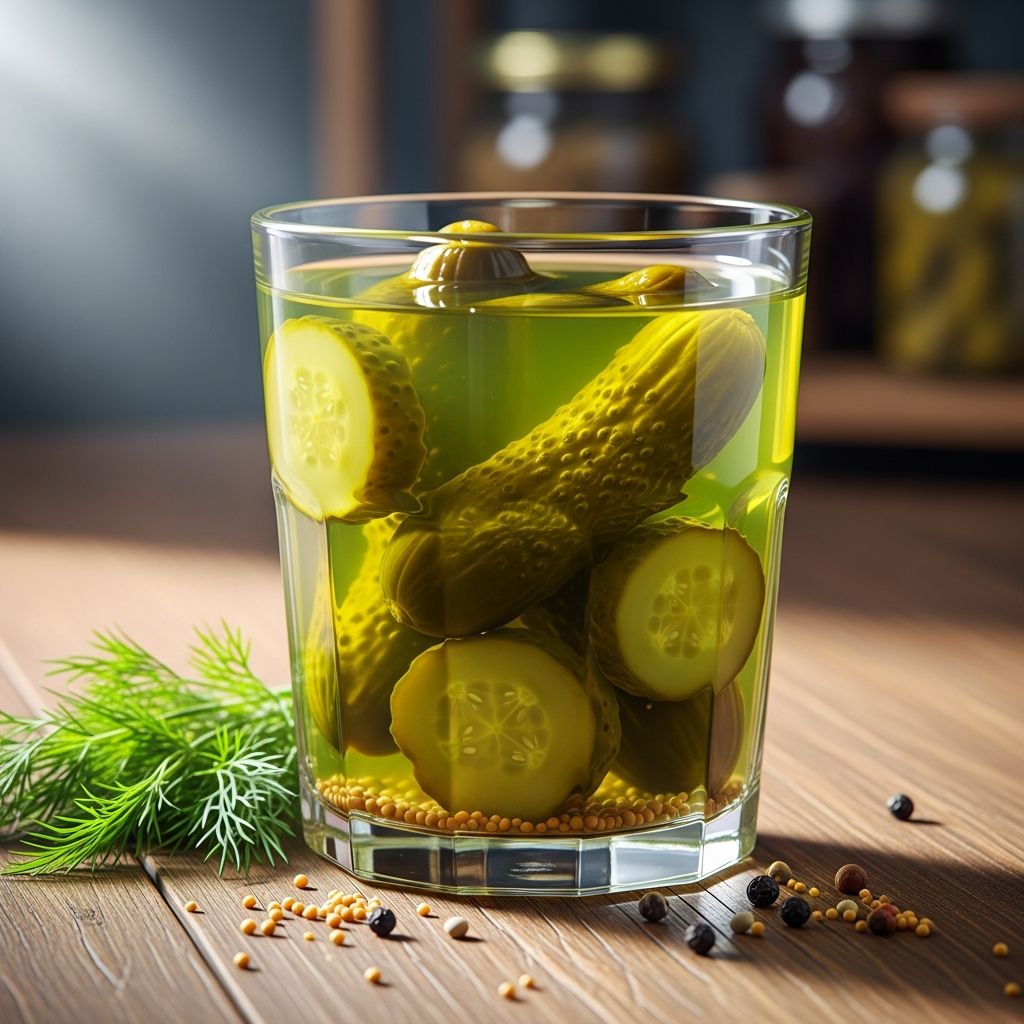
Pickle juice, the briny liquid left in jars of pickles, has gained popularity beyond its tangy flavor. Athletes sip it for muscle cramp relief, while others tout it for hydration, digestion, and more. But does science back these claims? This article dives into the evidence-based benefits, potential downsides, and practical uses of pickle juice.
What Is Pickle Juice?
Pickle juice is the vinegar-based brine from pickled cucumbers, typically containing water, vinegar, salt, and spices like dill. Naturally fermented versions may include live probiotics from lacto-fermentation, while store-bought ones often use pasteurization or vinegar for quicker production. Its high sodium content—often over 800 mg per cup—makes it electrolyte-rich, similar to sports drinks but with a sharper taste.
Key components include sodium, potassium, magnesium, vinegar (acetic acid), and antioxidants like vitamin C. Dill varieties add quercetin, a flavonoid with anti-inflammatory properties. Opt for low-sugar, additive-free options without yellow dyes for maximum benefits.
7 Potential Health Benefits of Pickle Juice
While not a miracle cure, small amounts of pickle juice offer targeted perks, especially post-exercise. Here’s what research and experts say:
- Relieves Muscle Cramps: Pickle juice stops exercise-associated muscle cramps (EAMCs) faster than water. A study found cramps ceased within 35 seconds after ingesting 1/3 cup, likely due to vinegar triggering a neural reflex in the mouth that overrides cramp signals, not electrolyte absorption which takes longer.
- Replenishes Electrolytes and Aids Hydration: Sweating depletes sodium, potassium, and magnesium. Pickle juice provides these in concentrated forms, helping restore fluid balance quicker than plain water after intense workouts.
- Supports Gut Health with Probiotics: Naturally fermented pickle juice contains beneficial bacteria that balance the gut microbiome, aiding digestion, metabolism, and immunity.
- May Help Regulate Blood Sugar: Vinegar in pickle juice slows carbohydrate digestion, potentially stabilizing post-meal blood sugar spikes, beneficial for diabetes management.
- Promotes Weight Loss: Daily vinegar intake, as in pickle juice, linked to reduced body weight, BMI, and fat mass in studies on adults with obesity.
- Eases Hangovers: Its electrolytes combat alcohol-induced dehydration, reducing headache and fatigue symptoms.
- Delivers Antioxidants: Contains vitamin C and compounds from dill to fight free radicals, supporting immunity—though eating whole pickles provides more.
How Pickle Juice Stops Muscle Cramps
Muscle cramps during or after exercise plague many athletes. Anecdotes led to pickle juice’s fame, but science explains why it works. In a 2010 study, dehydrated men cramped faster after pickle juice than water, with relief in about 1.5 minutes—too quick for gut absorption. Researchers propose an ‘oral reflexive inhibition’: acidic vinegar stimulates mouth receptors, sending signals to the brain that halt cramp-causing nerve activity.
A 2024 study on liver cirrhosis patients confirmed sips of pickle brine lessen cramp severity without side effects. About 25% of athletic trainers recommend it for EAMCs. However, plasma electrolytes don’t rise within 35 seconds, debunking rapid absorption myths.
Other Uses for Pickle Juice
Beyond workouts, pickle juice has versatile applications:
- Heartburn Relief: Its acidity may neutralize stomach acid for some, though evidence is anecdotal.
- Seasoning and Cooking: Use in marinades, salad dressings, or Bloody Marys for a salty tang.
- Pet Remedy: Small amounts calm anxious dogs during fireworks, per some vets, due to electrolytes.
- Skin Soother: Topical use may ease sunburn or bug bites from vinegar’s astringent properties.
Pickle Juice Nutrition Facts
| Nutrient (per 1 cup/240mL) | Amount | % Daily Value* |
|---|---|---|
| Sodium | 1,200mg | 52% |
| Potassium | 100mg | 2% |
| Magnesium | 20mg | 5% |
| Vitamin C | 5mg | 6% |
| Calories | 20 | 1% |
| *Based on 2,000-calorie diet. Values vary by brand. | ||
Low-calorie and fat-free, it’s nutrient-dense in electrolytes but watch sodium if hypertensive.
Related Stories



Pickle Juice Side Effects and Risks
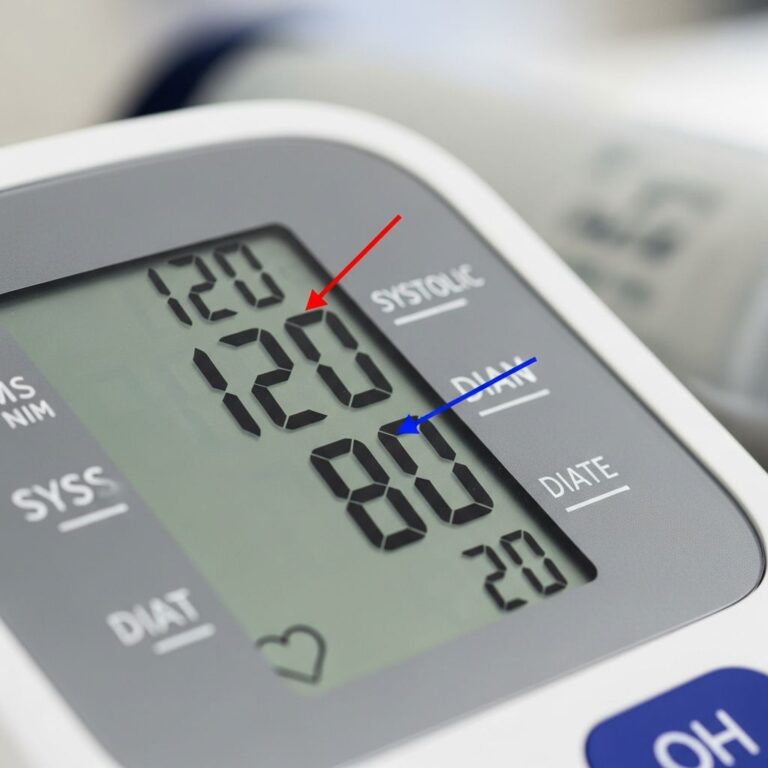
Moderation is key. High sodium risks include high blood pressure, bloating, and kidney strain. Those on low-sodium diets or with heart conditions should consult doctors. Excess vinegar may erode tooth enamel or upset stomachs. Pregnant individuals or kids need caution. Stick to 1-2 oz shots, not cups.
How to Use Pickle Juice: Dosage and Tips
- For Cramps: 1-2 oz (30-60mL) at onset.
- Hydration: 2-4 oz post-workout.
- Digestion/Blood Sugar: 1 oz before meals.
- DIY: Make by fermenting cucumbers in salt-vinegar brine for probiotics.
Choose refrigerated, fermented brands like Bubbies for live cultures. Dilute if too pungent.
FAQs
Is pickle juice good for muscle cramps?
Yes, it relieves cramps rapidly via a neural reflex from vinegar, faster than water or sports drinks.
Does pickle juice hydrate you?
It replenishes lost electrolytes like sodium and potassium after sweating, aiding rehydration.
Is pickle juice a probiotic?
Naturally fermented versions contain probiotics for gut health; check labels.
Can pickle juice help with weight loss?
Vinegar may support modest weight reduction, but pair with diet and exercise.
Is it safe to drink pickle juice every day?
In small amounts yes, but monitor sodium intake to avoid health risks.
What’s the best pickle juice to buy?
Opt for dill, fermented, low-sugar varieties without preservatives.
This comprehensive look shows pickle juice’s niche benefits shine in moderation, especially for active folks. Enjoy its zing responsibly!
References
- Is Pickle Juice Good for You? 6 Potential Benefits — Cleveland Clinic. 2023-10-12. https://health.clevelandclinic.org/6-health-benefits-of-drinking-pickle-juice
- Electrolyte and Plasma Changes After Ingestion of Pickle Juice, Manufactured Sports Drink, and Water — National Center for Biotechnology Information (PMC). 2009-09. https://pmc.ncbi.nlm.nih.gov/articles/PMC2742453/
- Drinking Pickle Juice: Healthy Benefits — Healthline (Medically reviewed). 2025-05-12. https://www.healthline.com/health/food-nutrition/drinking-pickle-juice
Similar Articles








Read full bio of Sneha Tete