Safeguard Your Vision: Pickleball Eye Risks
Discover essential strategies to prevent vision-threatening injuries in America's fastest-growing sport and keep your eyes safe on the court.
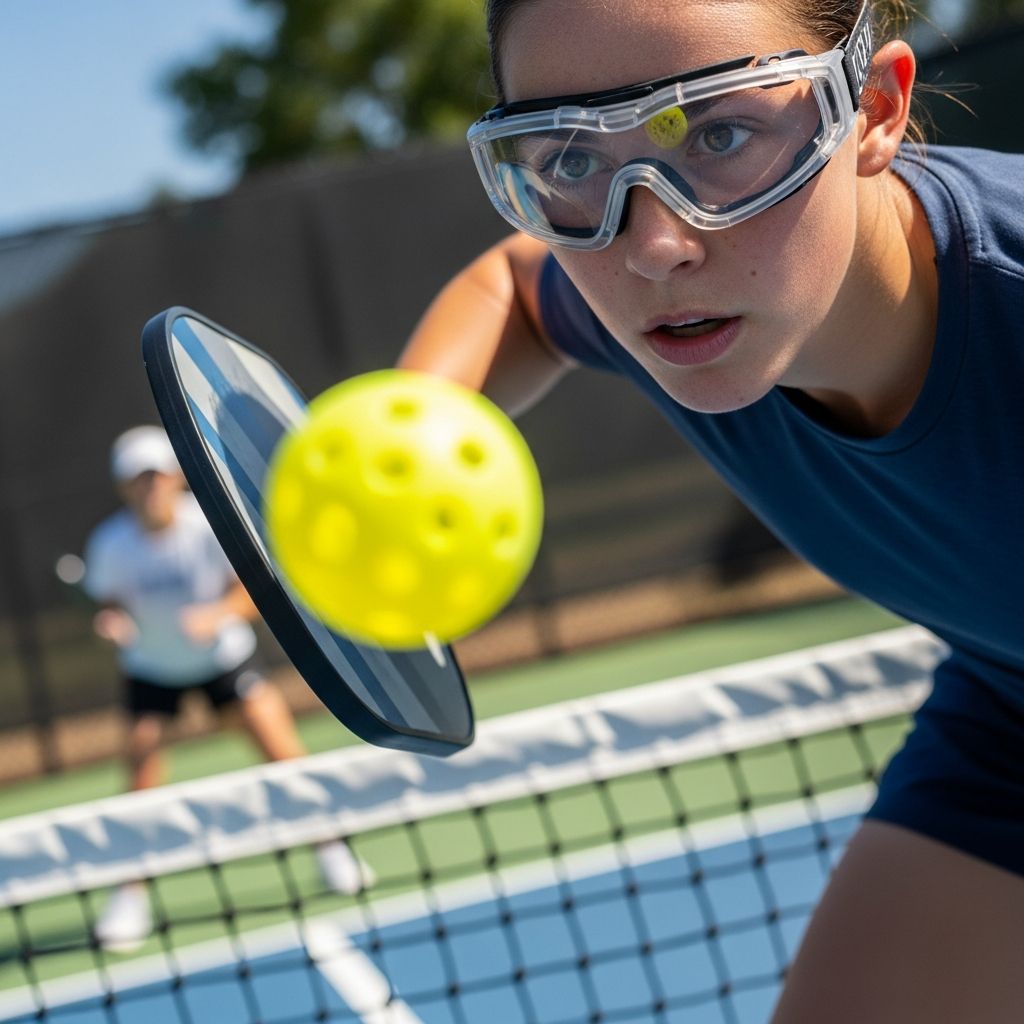
Pickleball’s explosive growth has brought joy to courts nationwide, but it also carries unseen dangers to players’ eyesight. High-velocity balls, compact playing areas, and an aging player base amplify the potential for serious ocular damage, from surface scratches to deep retinal harm.
The Surge in Pickleball’s Appeal and Hidden Perils
This paddle sport blends tennis, badminton, and ping-pong elements on a smaller court, demanding sharp hand-eye coordination, quick footwork, and sustained visual focus. Static acuity helps scan the court, dynamic acuity tracks the fast-moving ball, and contrast sensitivity ensures precise shots and line judgments. Yet, without safeguards, these demands heighten injury odds, especially for those over 65 who dominate participation and face elevated vulnerability.
Recent data reveals over 1,200 eye-related incidents in 2024 alone, with balls striking eyes in 43% of cases, falls causing 28%, and paddles hitting 12%. Injuries range from frequent periocular cuts (35%) and corneal abrasions (16%) to rarer but severe issues like orbital fractures (2%), retinal detachments (3%), and globe ruptures (3%).
Common Ocular Threats on the Court
Pickleball balls, though lighter than tennis balls, travel at speeds up to 40 mph in close quarters, turning mishits into eye hazards. A documented case involved a ball ricocheting off a paddle into a player’s cornea, causing a major abrasion—the first reported anterior segment trauma. Other reports detail retinal tears from direct impacts, underscoring the sport’s deceptive risks despite its non-contact label.
- Corneal Abrasions: Surface scratches leading to pain, light sensitivity, and infection risk if untreated.
- Periocular Lacerations: Cuts around the eyes from balls or paddles, often requiring stitches.
- Retinal Damage: Tears or detachments, more common in older players or those with myopia, potentially causing permanent vision loss.
- Inflammation and Iris Issues: Mild trauma sparking pain with light changes due to impaired pupil response.
- Orbital Fractures and Globe Ruptures: Rare but catastrophic, demanding urgent surgery.
Underreporting compounds the problem, as many incidents evade emergency tracking, suggesting true figures are higher.
Who Faces the Greatest Danger?
Novices and seasoned athletes alike are at risk, but demographics sharpen the threat. Older adults, comprising most players, suffer higher retinal detachment rates due to age-related vitreous changes. High myopes, pseudophakic individuals (with artificial lenses), and those with family retinal histories need extra caution.
Inexperienced players struggle with ball tracking and evasion, while frequent play without protection invites cumulative harm. Even pros overlook eyewear, mirroring past oversights in other racket sports.
| Risk Factor | Population Affected | Associated Injuries |
|---|---|---|
| Age >65 | Senior players | Retinal tears/detachments |
| High Myopia | Visually impaired | Globe rupture risk |
| Beginners | New participants | Abrasions from mishits |
| Frequent Play | Regular competitors | Cumulative inflammation |
Essential Gear for Ocular Defense
Protective eyewear stands as the cornerstone of prevention, slashing impact risks dramatically. Unlike mandated rules in squash or racquetball, pickleball lacks universal standards, but experts urge adoption.
Opt for shatter-resistant polycarbonate lenses with wraparound frames for full coverage, blocking frontal and peripheral strikes. Plastic over glass prevents shattering on hit. Polarized options cut glare for better visibility, and prescription inserts suit corrective needs.
Related Stories



- Frame Style: Wraparound for 360-degree shield.
- Lens Material: Polycarbonate—impact-proof and lightweight.
- Add-ons: Anti-fog coatings, UV protection for outdoor play.
- Avoid: Regular glasses or sunglasses; they shatter easily without sports certification.
Affordable options from sporting goods stores suffice—no need for premium spends unless customizing for vision correction. Lensless frames offer no barrier, so prioritize solid lenses.
Beyond Eyewear: Holistic Safety Protocols
Gear alone isn’t enough; integrate habits to fortify defenses. Well-lit courts minimize glare-induced errors, while smooth, dry surfaces prevent slips leading to falls.
Warm-ups enhance reflexes: dynamic stretches, light cardio, and ball-tracking drills prime vision and agility. Hydration sustains focus, proper footwear grips courts, and partner cues avoid blind-side hits.
- Inspect courts for hazards pre-play.
- Start sessions slowly, ramping intensity.
- Communicate positions with partners.
- Cool down post-game to ease strain.
- Monitor for symptoms like blurriness or floaters—seek care immediately.
Immediate Response to Eye Trauma
If struck, act swiftly: rinse with water if debris present, avoid rubbing, and apply cold compresses for swelling. Steroid drops may reduce inflammation, cycloplegics relax the iris, and severe cases need specialist intervention.
Common mild signs—pain, photophobia—signal iris trauma; escalate for vision changes or bleeding. Prompt ophthalmology visits prevent complications.
Advocating for Systemic Change
Organizations like USA Pickleball should enforce eyewear mandates, drawing from squash’s success where education boosted compliance 2.4-fold. Campaigns, player education, and venue policies can normalize protection.
Strength training, balance exercises, and warm-ups further cut fall risks, vital for seniors.
Frequently Asked Questions
Is pickleball riskier for eyes than tennis?
No, but smaller courts and plastic balls increase close-range hits, especially sans protection.
Do prescription glasses protect adequately?
Not typically; layer sports eyewear over them or get fitted sports versions.
How much should I spend on eyewear?
Basic polycarbonate pairs start low; prioritize certification over cost.
Are injuries mostly in pros or amateurs?
Amateurs and seniors report most, due to experience gaps and age factors.
What if I feel eye strain after playing?
Rest and monitor; consult a doctor for persistent issues like floaters.
Conclusion: Play Smart, See Clearly
Pickleball enriches lives with exercise and community, but eye safety ensures lasting enjoyment. Commit to eyewear, smart habits, and awareness—your vision deserves it.
References
- Pickleball eye injuries: ocular protection recommendations — PMC/NCBI. 2024. https://pmc.ncbi.nlm.nih.gov/articles/PMC11009287/
- Pickleball Eye Injuries: Prevention & Treatment — Mass General Brigham. 2024-05-15. https://www.massgeneralbrigham.org/en/about/newsroom/articles/pickleball-eye-injuries
- Pickleball Eye Injuries: What Every Firefighter Should Know — CSD Pool. 2024. https://www.csdpool.org/pickleball-eye-injuries-what-every-firefighter-should-know
- Look out! As pickleball’s popularity soars, so do eye injuries — American Medical Association. 2024-09-12. https://www.ama-assn.org/about/publications-newsletters/look-out-pickleball-s-popularity-soars-so-do-eye-injuries
- Pickleball-Related Ocular Injuries On The Rise — Ophthalmology Advisor. 2024. https://www.ophthalmologyadvisor.com/reports/pickleball-related-ocular-injuries-prompt-calls-for-protective-eye-wear/
- Pickleball-Related Ocular Injuries Among Patients Presenting to… — JAMA Ophthalmology. 2024. https://jamanetwork.com/journals/jamaophthalmology/fullarticle/2839640
Similar Articles








Read full bio of medha deb