Picosecond Laser: 6 Skin Concerns It Effectively Treats
Advanced picosecond laser technology for skin rejuvenation, pigmentation removal, scar treatment, and tattoo clearance with minimal downtime.
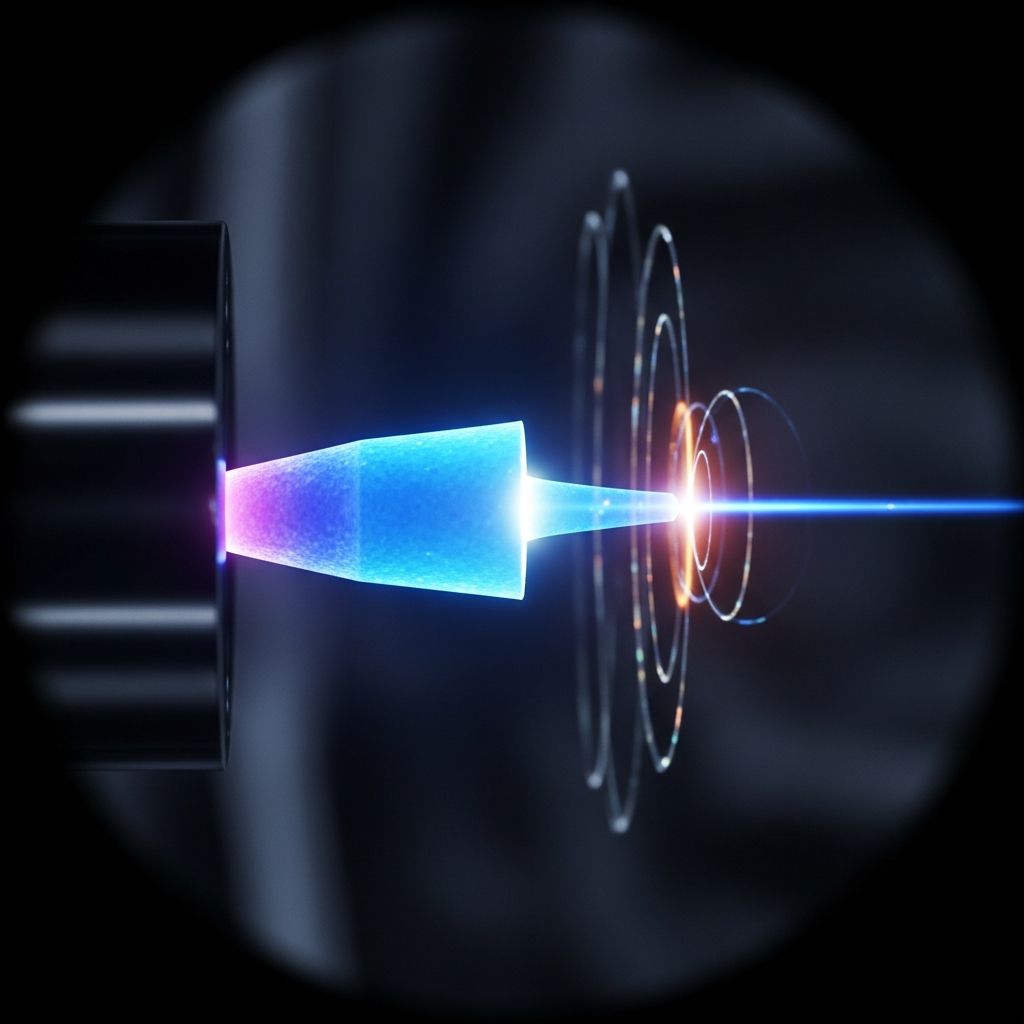
Picosecond lasers represent a cutting-edge advancement in dermatological laser technology, emitting ultra-short pulses lasting trillionths of a second to target skin imperfections with precision. Unlike traditional nanosecond lasers that rely primarily on photothermal effects, picosecond devices generate photoacoustic waves that shatter pigments and stimulate tissue remodeling while minimizing heat damage.
What is picosecond laser?
Picosecond lasers produce pulses of 1 picosecond (10-12 seconds), far shorter than the nanosecond pulses (10-9 seconds) of Q-switched lasers. This brevity creates laser-induced optical breakdown (LIOB) in the epidermis and laser-induced cavitation (LIC) in the dermis, forming micro-cavities that trigger neocollagenesis without extensive thermal injury. Common wavelengths include 1064 nm, 755 nm, 532 nm, and 785 nm, often paired with fractional handpieces like microlens arrays (MLA) or diffractive lens arrays (DLA) for enhanced efficacy.
These systems, such as PicoWay and PicoSure, enable treatments for diverse skin types, including Fitzpatrick IV-VI, with reduced risks of post-inflammatory hyperpigmentation (PIH).
What are the clinical effects of picosecond laser?
Picosecond lasers induce controlled dermal injury, prompting fibroblast activation and production of collagen types I and III, elastin, and new vessels. This leads to improved skin texture, reduced wrinkles, and even tone. Studies demonstrate significant reductions in acne scar volume, wrinkle depth, and pigmentation after 3-6 sessions. Fractional delivery creates microscopic treatment zones (MTZs) covering 10-25% of the skin surface, accelerating recovery.
What skin conditions are treated with picosecond laser?
- Photoaging: Addresses fine wrinkles, dyspigmentation, and laxity via collagen remodeling.
- Acne scars: Effective for atrophic scars, reducing volume and improving texture in skin types III-VI.
- Enlarged pores: Shrinks pore size through neocollagenesis.
- Hyperpigmentation: Clears melasma, PIH, lentigines, and solar damage.
- Striae: Improves texture and color in striae distensae.
- Tattoos: Fragment ink for faster clearance across colors.
Photoageing
Fractional picosecond lasers rejuvenate photoaged skin by stimulating dermal matrix renewal. A study using 1064 nm with MLA (1.0 J/cm², 6 sessions) showed significant improvements in wrinkles, pores, and elasticity in Asian patients. Patients often note brighter, smoother skin after 3-4 treatments.
Acne scarring
Picosecond lasers excel in atrophic acne scars via LIOB/LIC, promoting neocollagenesis. In one trial, 1064 nm MLA (0.8 J/cm², single session) reduced scar volume significantly in 59 patients (Fitzpatrick III-IV). Multi-session protocols yield 25-75% improvement, with mild erythema as the main side effect.
| Study | Wavelength/Handpiece | Parameters | Skin Type | N | Outcomes | Side Effects |
|---|---|---|---|---|---|---|
| Acne Scars | 1064 nm MLA | 1.0 J/cm², 8 mm spot, 6 tx | III-IV | 26 | ↓ Roughness/Scars | Erythema, PIH |
| Acne Scars | 1064 nm MLA | 0.8 J/cm², 1 tx | III-IV | 59 | ↓ Scar Volume | Erythema |
Enlarged facial pores
Microlens arrays vaporize sebaceous material and induce collagen contraction, reducing pore size. Clinical data confirm visible tightening after 3 sessions at 1064 nm.
Dyspigmentation
Targets melasma, lentigines, and PIH effectively. A 755 nm DLA study reported 50-75% clearance in PIH persisting 3 years post-treatment in Asians. 532 nm and 1064 nm wavelengths shatter melanin granules for macrophage clearance.
Related Stories



Wrinkle reduction
Resolve handpieces at 1064/532 nm smooth fine lines via fractional photothermolysis. Improvements in wrinkle scores reach 30-50% after 4 sessions.
Tattoo removal
Picosecond pulses fragment ink into smaller particles for rapid clearance. PicoWay’s 532/785/1064 nm wavelengths treat multicolored tattoos in fewer sessions than Q-switched lasers, with low PIH risk (4.65%) in skin of color. Adjustable spot sizes (2-10 mm) optimize coverage.
How is picosecond laser performed?
Treatment involves cleansing, topical anesthesia (optional), and laser application in 10-30 minutes. Settings vary: fluence 0.6-1.5 J/cm², 10 Hz, 750 ps pulses. Post-care includes sunscreen and moisturizers. Sessions are spaced 4 weeks apart. Pico lasers feel like rubber band snaps, with no downtime.
What is the downtime and aftercare?
Minimal erythema/swelling resolves in 24-48 hours. Avoid sun, use SPF 50+, gentle cleansers. PIH risk is low (transient in 2-5%).
Who is suitable for picosecond laser?
Suitable for all Fitzpatrick types, especially beneficial for skin of color due to photoacoustic effects reducing thermal injury. Contraindications: active infections, isotretinoin use, keloid history.
How many treatments are needed?
- Pigmentation: 1-3 sessions.
- Scars/Wrinkles: 3-6 sessions.
- Tattoos: 4-10, fewer than nanosecond.
What are the risks and side effects?
Common: mild redness, swelling, crusting (24h). Rare: PIH (4-5% in dark skin), hypopigmentation, folliculitis. Lower risk than ablative lasers.
History of picosecond lasers
Introduced in the 2010s, FDA-cleared systems like PicoSure (755 nm, 2012) and PicoWay advanced treatments. Evolving handpieces now address scars and rejuvenation.
Frequently asked questions
Is picosecond laser painful?
Mild snapping sensation; numbing cream optional. Tolerable for most.
Picosecond laser vs other lasers?
Shorter pulses = less heat, faster results, suitable for darker skin.
How long do results last?
1-3 years with maintenance; tattoos may recur partially.
Can it treat melasma?
Yes, effectively with low recurrence in Asians.
Downtime for picosecond laser?
Minimal; makeup possible next day.
References
- An update on fractional picosecond laser treatment — PMC/NCBI. 2023. https://pmc.ncbi.nlm.nih.gov/articles/PMC9852188/
- Treatment Guidelines for the PicoWay Laser System in Skin of Color — Practical Dermatology. 2023. https://practicaldermatology.com/topics/general-topics/treatment-guidelines-for-the-picoway-laser-system-in-skin-of-color/22087/
- Everything to Know About the Pico Laser Treatment — Beacon Dermatology. 2024. https://beaconderm.com/everything-to-know-about-the-pico-laser-treatment/
- Pico Laser Skin Rejuvenation in Los Angeles: Expert Guide — Skinworks Med. 2024. https://skinworksmed.com/blog/pico-laser-skin-rejuvenation-in-los-angeles-expert-guide-safety-results/
- Guidelines and recommendations for picosecond lasers in dermatology — ASLMS. 2020-05-20. https://www.aslms.org/about-aslms/media-center/news/2020/05/20/guidelines-and-recommendations-for-picosecond-lasers-in-dermatology
Similar Articles








Read full bio of medha deb