Piercing Rejection: Signs, Causes, And 5 Treatment Steps
Understand the signs, causes, prevention, and treatment of piercing rejection to protect your skin and jewelry.
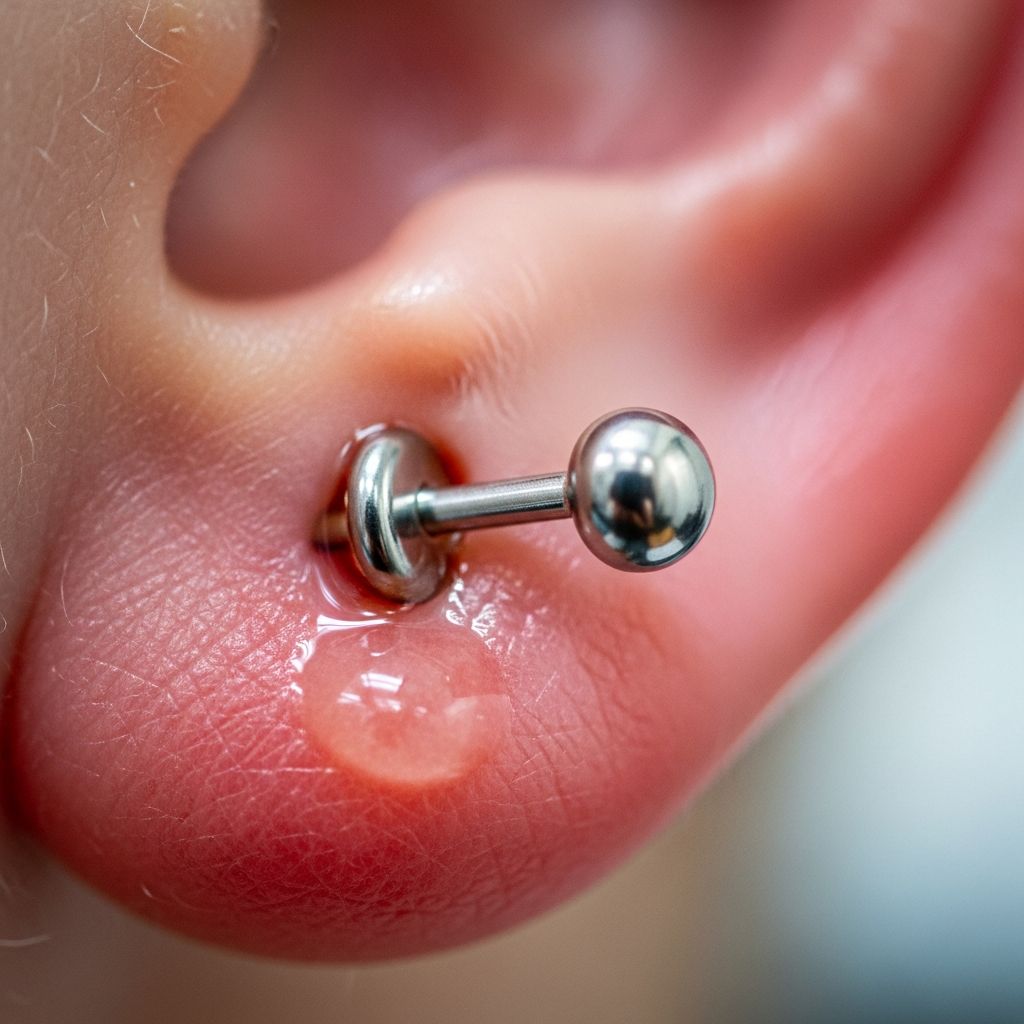
Your body may reject a piercing if it views the jewelry as a foreign invader, gradually pushing it out through the skin. This process, known as piercing rejection or migration, affects surface piercings most commonly but can occur with any type.
What Is Piercing Rejection?
Piercing rejection is the immune system’s response to treating jewelry as an unwanted foreign object, attempting to expel it from the body. Technically an open wound initially, a piercing heals by forming a fistula tunnel around the jewelry. However, if the body continues to see it as intrusive, it accelerates healing from the outside in, pushing the jewelry toward the surface until it emerges or the skin splits.
This differs from infection, which involves pus, fever, or swelling from bacteria. Rejection features chronic irritation without systemic symptoms. It typically unfolds over weeks to months post-piercing but can occur years later due to trauma, illness, or hormonal shifts.
Surface piercings—those anchoring in shallow skin layers like eyebrows, wrists, or hips—face the highest risk because they engage minimal tissue, making expulsion easier. Flat or taut skin areas, such as the chest or navel, also promote rejection due to constant pressure.
Signs and Symptoms of Piercing Rejection
Early detection prevents scarring and tissue damage. Monitor new piercings closely, especially in high-risk areas. Common indicators include:
- Jewelry migration: The piercing moves upward or outward from its original position, with more jewelry visible externally.
- Thinning skin: Tissue between entry and exit holes shrinks (should maintain at least 1/4 inch), appearing tight, shiny, or transparent, sometimes revealing the jewelry underneath.
- Enlarging holes: Fistula tunnels widen or stretch, often with stretch marks nearby.
- Altered jewelry position: It hangs unevenly, droops, or moves freely beyond normal play.
- Persistent skin changes: Redness, dryness, flakiness, peeling, callousing, or hardness around the site lasting beyond initial healing (first 4-6 weeks).
Advanced rejection may cause skin splitting over the jewelry, leading to expulsion. Unlike healing piercings, which stabilize after months, rejecting ones worsen progressively.
What Causes Piercing Rejection?
Rejection stems from multiple factors, often interacting:
- Piercing location and type: Surface piercings and flat/taut areas (e.g., neck, chest, belly button) reject frequently due to shallow anchoring and mechanical stress.
- Genetics and healing: Individuals with aggressive immune responses or poor scarring (e.g., keloids) are prone. Family history increases risk.
- Jewelry quality: Ill-fitting size, thin gauge, or reactive metals (e.g., nickel) irritate tissue, triggering expulsion. Optimal choices: thicker titanium or 14k gold.
- Body changes: Pregnancy, weight fluctuations, or growth stretch skin, dislodging jewelry.
- Health stressors: Illness, infections, or emotional stress weaken healing by ramping up immunity.
| Risk Factor | High-Risk Examples | Why It Increases Rejection |
|---|---|---|
| Location | Eyebrow, wrist, hip, chest | Shallow tissue; constant motion/pressure |
| Jewelry | Thin gauge, nickel alloys | Irritation, allergy, poor fit |
| Personal | Keloid formers, recent illness | Overactive healing response |
How to Prevent Piercing Rejection
While not fully preventable, risks drop with informed choices:
- Choose wisely: Opt for experienced piercers using larger-gauge, implant-grade titanium or niobium jewelry. Avoid surface piercings if possible.
- Site selection: Prefer deeper, well-vascularized areas like lobes over flats.
- Strict aftercare: Clean twice daily with saline; avoid trauma, pools, or tight clothes. No twisting jewelry.
- Monitor health: Delay piercing during sickness, pregnancy, or stress.
- Allergy test: Confirm nickel-free materials if sensitive.
Related Stories



Professional piercers assess suitability beforehand, recommending alternatives for high-risk clients.
Treatment for Piercing Rejection
Act promptly to minimize damage—leaving jewelry in worsens scarring.
- Remove jewelry: If migration exceeds 2mm or skin thins severely, extract immediately to halt progression.
- Consult piercer/doctor: Rule out infection; get tailored advice.
- Modify if early: Switch to thicker/longer jewelry, different shape, or hypoallergenic material. Plastic bioplast for sensitive cases.
- Aftercare: Keep clean; apply vitamin E for scars post-healing. Avoid home bandages—they trap moisture and delay recovery.
- Repierce later: Wait 6-12 months for full healing; scarring may prevent same-site redo.
Most heal without complications beyond scars, which range from linear splits to hypertrophic. Keloid-prone individuals should avoid piercings.
Potential Complications and Risks
Beyond aesthetics, rejection risks include:
- Scarring: Thick tissue blocks repiercing; cosmetic issues.
- Secondary infection: Open skin invites bacteria if unclean.
- Disfigurement: Cartilage piercings may warp.
Rarely severe, but chronic cases need dermatologist input.
Frequently Asked Questions
Can you stop piercing rejection once it starts?
Early intervention like jewelry change may save it, but advanced cases require removal. Consult a piercer immediately.
How long does piercing rejection take?
Weeks to months typically; can be years with triggers.
Does piercing rejection hurt?
Mild discomfort or itchiness, not intense pain like infection.
Can I repierce a rejected site?
Possible after 6-12 months if scarring is minimal; choose different jewelry/location.
Is rejection the same as infection?
No—infection has pus/swelling; rejection shows migration/thinning without fever.
Expert Tips for Long-Term Piercing Success
For lasting wear:
- Annual checks for migration.
- Upgrade jewelry periodically.
- Maintain immunity via diet/sleep.
- Insurance piercings in stable areas.
Piercing rejection underscores listening to your body. With vigilance, most enjoy piercings complication-free.
References
- Piercing rejection: Signs, prevention, and how to stop it — Medical News Today. 2018-02-23. https://www.medicalnewstoday.com/articles/321770
- How to Tell (And What to do) If Your Body Is Rejecting A Piercing? — Pierced.co. N/A. https://pierced.co/blogs/all/rejected-piercing-guide
- Piercing Rejection: Signs, Prevention, Treatment, Pictures, and More — Healthline. N/A. https://www.healthline.com/health/piercing-rejection
- Body Piercing: Medical Concerns with Cutting-Edge Fashion — PMC (PubMed Central). 2002-06-01. https://pmc.ncbi.nlm.nih.gov/articles/PMC1496593/
- Piercing FAQ — Association of Professional Piercers. N/A. https://safepiercing.org/piercing-faq/
Similar Articles








Read full bio of Sneha Tete