Pigmentation Disorders: Types, Causes, Diagnosis & Treatments
Comprehensive guide to skin pigmentation disorders: causes, types, diagnosis, and effective treatments for hyperpigmentation and hypopigmentation.
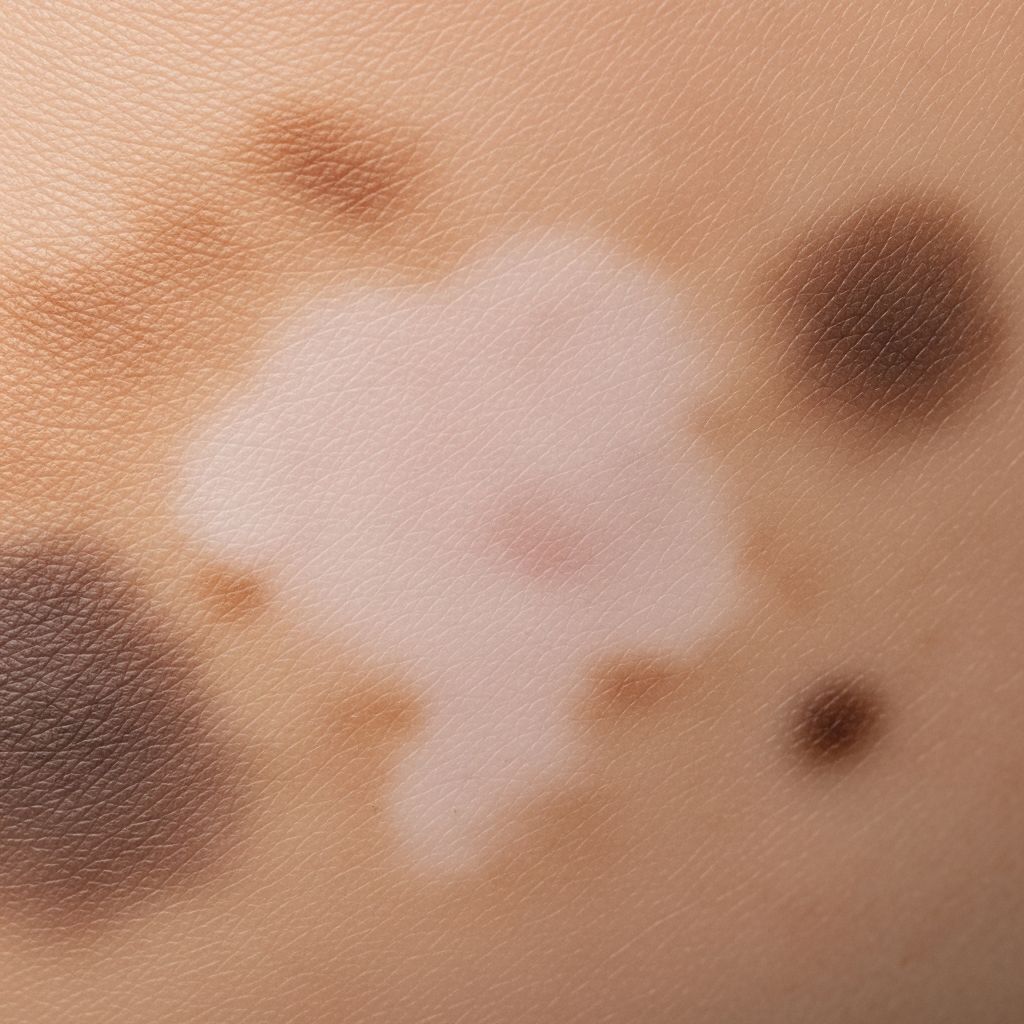
Skin pigmentation disorders involve changes in the colour of the skin due to abnormal melanin production or distribution, classified primarily into hyperpigmentation (excess melanin) and hypopigmentation or depigmentation (reduced or absent melanin).
What is pigmentation?
Pigmentation refers to the colouring of the skin, hair, and eyes, primarily determined by melanin, a pigment produced by melanocytes in the epidermis. Melanin exists as eumelanin (brown-black) and pheomelanin (red-yellow), protecting against ultraviolet radiation. Factors like UV exposure stimulate melanin production, while disruptions lead to disorders affecting focal or diffuse skin areas.
Hyperpigmentation
Hyperpigmentation manifests as darker patches or spots due to excess melanin deposition, often triggered by sun exposure, hormones, inflammation, or medications.
Solar lentigines (age spots, liver spots)
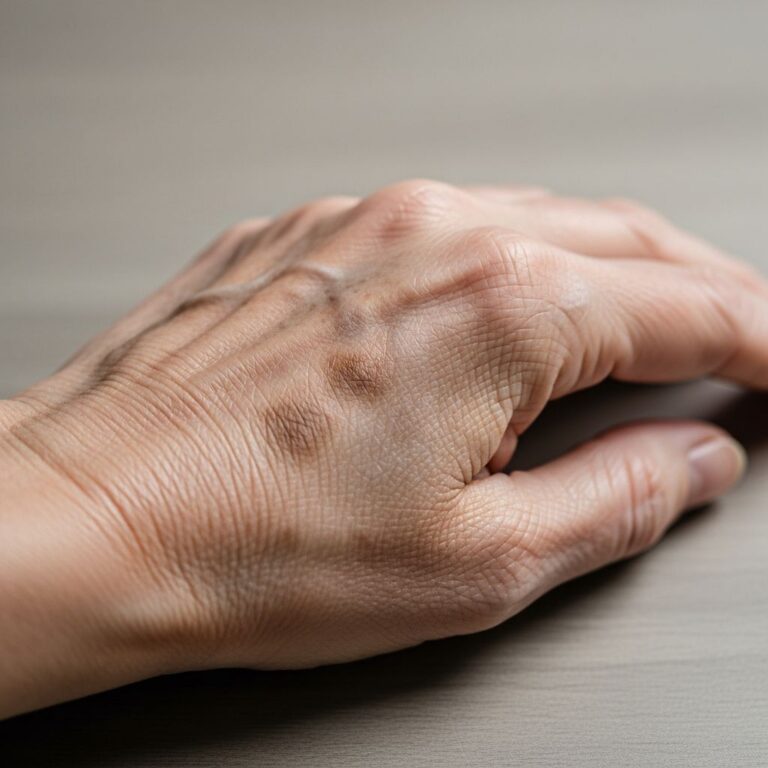
These are small, well-defined brown macules on sun-exposed areas like the face and hands in older adults, resulting from chronic UV exposure.
Ephelides (freckles)
Freckles are small, tan to light brown macules on sun-exposed skin, more common in fair-skinned individuals, darkening with UV exposure but fading without it.
Melasma (chloasma)
Melasma presents as symmetrical brown or grey-brown patches on the face, often centrofacial, malar, or mandibular, linked to pregnancy, oral contraceptives, or hormones, exacerbated by sun. Known as the ‘mask of pregnancy’, it affects women predominantly.
Poikiloderma of Civatte
This features telangiectasia, pigmentation, and atrophy on the neck and upper chest, due to chronic sun damage and photosensitising agents.
Riehl melanosis
A form of acquired dermal melanosis with grey-brown pigmentation on the face and neck, associated with cosmetics or environmental factors.
Postinflammatory hyperpigmentation
Dark macules or patches arise after inflammation from acne, eczema, or injury, more prominent in darker skin types.
Erythromelanosis follicularis
Characterised by reddish-brown follicular hyperpigmentation on cheeks and sideburns, typically in young males.
Exogenous pigmentation (ochronosis)
Bluish-black discolouration from hydroquinone or minocycline use, often irreversible.
Acquired hyperpigmentation (systemic disorders)
Diffuse or localised darkening from conditions like Addison’s disease, haemochromatosis, or drugs.
Hypopigmentation
Hypopigmentation involves reduced melanin, appearing as lighter patches; depigmentation is complete loss, resulting in white skin.
Pityriasis versicolor
A superficial fungal infection by Malassezia causing hypopigmented or hyperpigmented scaly patches on the trunk, more visible in tanned skin.
Pityriasis alba
Common in children, presenting as round hypopigmented patches with fine scale on the face, resolving spontaneously.
Postinflammatory hypopigmentation
Lighter areas following injury, inflammation (e.g., atopic dermatitis, psoriasis), or chemical exposure like hydroquinones.
Idiopathic guttate hypomelanosis
Small white spots on sun-exposed shins and forearms in middle-aged adults with fair skin.
Progressive macular hypomelanosis
Numerous hypopigmented macules on the trunk, possibly linked to Propionibacterium acnes biofilm.
Vitiligo
An autoimmune depigmentation disorder with milky-white patches due to melanocyte destruction, often symmetrical, affecting 1% of the population.
Related Stories



Lichen sclerosus
Porcelain-white sclerotic plaques, typically anogenital, more common in women.
Morphea (localized scleroderma)
Bound-down white patches with lilac ring and ivory centre, non-pitting.
Chemical leukoderma
Confetti-like depigmentation from phenols or substituted phenols in adhesives or dyes.
Who is at risk of pigmentation disorders?
Fair-skinned individuals risk solar lentigines and freckles; darker skin types are prone to postinflammatory hyperpigmentation. Hormonal factors affect melasma in women; autoimmune issues predispose to vitiligo. UV exposure, inflammation, genetics, and chemicals increase risks across types.
What causes pigmentation disorders?
- Genetic factors: Albinism, neurofibromatosis, xeroderma pigmentosum.
- Endocrine disease: Addison’s, Cushing’s, acromegaly.
- Vitamins and nutritional: Vitamin B12 deficiency.
- Drugs: NSAIDs, antimalarials, chemotherapy.
- Malabsorption: Whipple disease, coeliac disease.
- Carcinoma: Visceral malignancies causing hyperpigmentation.
- Infections: Tinea nigra, leprosy.
UV radiation, hormones, and inflammation are primary triggers.
How are pigmentation disorders diagnosed?
Diagnosis relies on clinical examination, Wood’s light (enhances hypopigmentation), dermoscopy, and biopsy if needed to rule out malignancy or confirm histology.
Treatment of pigmentation disorders
Treatments vary by type: sun protection is essential; options include topicals, procedures, and systemic therapies.
General measures
- Broad-spectrum sunscreen (SPF 30+), hats, shade.
- Camouflage makeup.
- Avoid irritants and photosensitisers.
Hyperpigmentation treatment
- Topical: Hydroquinone (2-4%), retinoids, azelaic acid, kojic acid, vitamin C, cysteamine; tyrosinase inhibitors.
- Chemical peels: Glycolic, salicylic, TCA; light to deep peels exfoliate pigmented layers.
- Laser/IPL: Q-switched lasers, picosecond lasers target melanin precisely.
- Microdermabrasion/microneedling: Promote turnover.
Hypopigmentation treatment
- Pityriasis versicolor: Topical antifungals (ketoconazole), oral itraconazole.
- Vitiligo: Topical corticosteroids, calcineurin inhibitors, phototherapy (NB-UVB), excimer laser, JAK inhibitors.
- Idiopathic guttate: Cryotherapy, topical tacrolimus.
Modern treatments
Laser therapy, combination acids (glycolic + lactic), plasma pen, radiofrequency for precise pigment reduction with minimal downtime.
| Condition | First-line Treatment | Advanced Options |
|---|---|---|
| Melasma | Hydroquinone + sunscreen | Laser, chemical peels |
| Vitiligo | Topical steroids | NB-UVB, JAK inhibitors |
| Postinflammatory | Time + topicals | Microneedling |
Frequently Asked Questions (FAQs)
What causes hyperpigmentation?
Excess melanin from sun, hormones, inflammation, or drugs.
Can vitiligo be cured?
No cure, but treatments repigment skin effectively in many cases.
Is hydroquinone safe?
Safe short-term under supervision; avoid long-term due to ochronosis risk.
How to prevent pigmentation changes?
Daily sunscreen, avoid peak sun, treat inflammation promptly.
Do lasers work for all pigmentation?
Effective for many, but results vary; combine with topicals for best outcomes.
This article provides an overview; consult a dermatologist for personalised advice. Pigmentation disorders affect quality of life but are manageable with early intervention and protection.
References
- Skin Pigmentation Types, Causes and Treatment—A Review — National Library of Medicine, NIH. 2023-07-01. https://pmc.ncbi.nlm.nih.gov/articles/PMC10304091/
- Complete Guide to Irregular Pigmentation — Frontline Dermatology. 2023. https://www.frontlinedermatology.com/complete-guide-to-hyperpigmentation
- Overview of Pigmentation Disorders — MSD Manual Professional Edition. 2024. https://www.msdmanuals.com/professional/dermatologic-disorders/pigmentation-disorders/overview-of-pigmentation-disorders
- Overview of Pigmentation Disorders — Merck Manual Professional Edition. 2024. https://www.merckmanuals.com/professional/dermatologic-disorders/pigmentation-disorders/overview-of-pigmentation-disorders
Similar Articles








Read full bio of Sneha Tete