Pill Esophagitis: Causes, Symptoms, Treatment, Prevention Tips
Learn about pill esophagitis causes, symptoms, common medications, treatments, and prevention strategies to protect your esophagus.
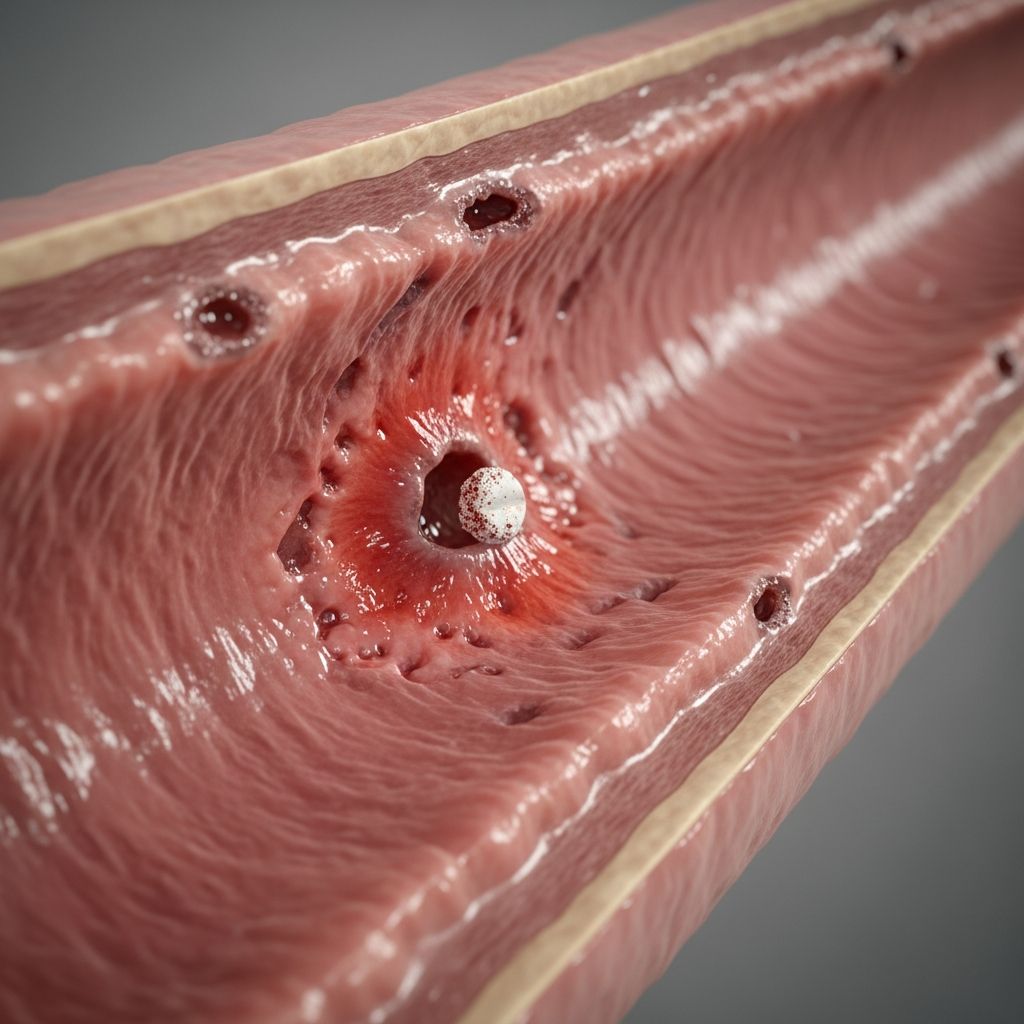
Pill esophagitis, also known as drug-induced esophagitis, develops when oral medications become lodged in the esophagus, leading to irritation, inflammation, and potential tissue damage. This condition often arises from improper pill-taking habits, such as insufficient water or reclining immediately after swallowing.
What Is Pill Esophagitis?
The esophagus is the muscular tube connecting the throat to the stomach, facilitating the passage of food and liquids through peristaltic contractions. Pill esophagitis happens when tablets or capsules fail to reach the stomach promptly, instead adhering to the esophageal lining. The direct contact of caustic drug ingredients with the mucosa triggers chemical injury, manifesting as erosions, ulcers, or even strictures in severe instances.
Unlike reflux esophagitis from stomach acid, pill esophagitis stems specifically from medication exposure. Its incidence has declined due to heightened awareness, formulation improvements, and reduced use of high-risk drugs, though it remains a notable concern for those with swallowing difficulties or underlying esophageal disorders.
Symptoms of Pill Esophagitis
Symptoms typically emerge rapidly, often within 2 hours of ingestion, and intensify over time. Common manifestations include:
- Chest pain: Sharp or burning mid-chest discomfort, mimicking heartburn or cardiac issues, worsened by swallowing.
- Dysphagia: Painful or difficult swallowing, with a sensation of a lump or object stuck in the throat.
- Odynophagia: Severe pain upon swallowing liquids or solids.
Pain may persist for hours to days, occasionally radiating to the back. In rare chronic cases, scarring leads to persistent strictures and recurrent dysphagia.
Causes and Risk Factors
The primary cause is prolonged mucosal contact with irritating pills. Key contributors include:
- Inadequate hydration: Swallowing with minimal water fails to propel pills downward.
- Recumbent posture: Taking pills before bed reduces saliva production and gravity assistance.
- Pill characteristics: Large capsules, insoluble coatings, or caustic contents heighten adherence risk.
Risk factors encompass:
- Esophageal motility disorders (e.g., achalasia, strictures).
- Dry mouth or reduced saliva.
- Advanced age or neurological conditions impairing swallowing.
Notably, pill quantity does not correlate with injury; specific caustic agents and habits drive occurrence.
Medications Most Likely to Cause Pill Esophagitis
| Medication Category | Examples | Risk Notes |
|---|---|---|
| Antibiotics | Doxycycline, tetracycline, clindamycin | Account for ~50% of cases; large capsules and acidic properties. |
| Bisphosphonates | Alendronate (Fosamax), risedronate | Linked to 127 cases, including 26 strictures; highly caustic. |
| NSAIDs | Aspirin, ibuprofen, naproxen | Common due to widespread use and mucosal irritation. |
| Others | Iron/potassium supplements, chemotherapy drugs | High local concentration causes erosions. |
Antibiotics like doxycycline top the list due to formulation size and inherent causticity. Bisphosphonates pose severe risks, prompting prescribing precautions.
Diagnosis
Diagnosis relies primarily on clinical history: recent medication intake aligned with symptom onset. Providers assess for heartburn-like pain post-pill swallowing without water or before bed.
In severe or persistent cases, upper endoscopy visualizes erosions, ulcers, or strictures, confirming pill residue at injury sites. Barium swallow or esophageal pH monitoring may rule out alternatives like GERD.
Treatment Options
Most cases resolve spontaneously within days upon discontinuing the offending drug, but symptomatic relief accelerates healing:
- Acid suppression: Proton pump inhibitors (PPIs), H2 blockers, antacids, or sucralfate coat and protect mucosa.
- Pain management: Viscous lidocaine for topical relief; NSAIDs or narcotics if tolerable, taken upright with water.
- Dietary modifications: Avoid irritants like spicy foods, citrus, alcohol; opt for soft foods.
Related Stories



For strictures, endoscopic dilation may be necessary. Consult providers before halting prescribed medications.
Oral therapies remain viable if swallowing permits, emphasizing proper technique.
Prevention Strategies
Simple habits drastically reduce risk:
- Take pills upright with a full 8-oz glass of water, sipping until emptied.
- Remain upright for 30-60 minutes post-dose, avoiding bedtime dosing.
- Swallow one pill at a time.
- For high-risk patients: Crush pills (if pharmacist-approved), switch to liquids, or use alternatives (IV, sublingual).
Educating patients on these steps has contributed to declining incidence.
Complications and When to Seek Help
While usually self-limited, untreated severe cases risk ulcers, bleeding, perforation, or strictures causing chronic dysphagia.
Seek immediate care for:
- Intense chest pain unrelieved by antacids.
- Inability to swallow saliva or liquids.
- Vomiting blood or black stools.
- Symptoms lasting >48 hours.
Frequently Asked Questions (FAQs)
Can pill esophagitis cause long-term damage?
Recurrence and chronicity are rare without strictures. High-risk patients (e.g., motility disorders) need alternative delivery methods.
Is pill esophagitis common?
Exact prevalence is unclear, but incidence decreases with better education and safer formulations.
How long do symptoms last?
Typically hours to days; full healing follows drug cessation and treatment.
Can I continue other medications?
Yes, if swallowing is feasible, using proper technique and acid suppressants.
Who is most at risk?
Those with dry mouth, esophageal disorders, or taking high-risk pills without water/upright posture.
References
- Pill-Induced Esophagitis — Tutuian R. Gastroenterol Hepatol (N Y). 2007-04-01. https://pmc.ncbi.nlm.nih.gov/articles/PMC3099275/
- Pill Esophagitis and Tips for Swallowing Medicine — Banner Health. 2023 (accessed 2026). https://www.bannerhealth.com/healthcareblog/better-me/tips-for-preventing-pill-esophagitis
Similar Articles








Read full bio of medha deb