Pills vs. Patches for Pain Relief: Which Works Better?
Compare pain relief methods: pills versus patches. Learn which delivery system works best for your pain management needs.
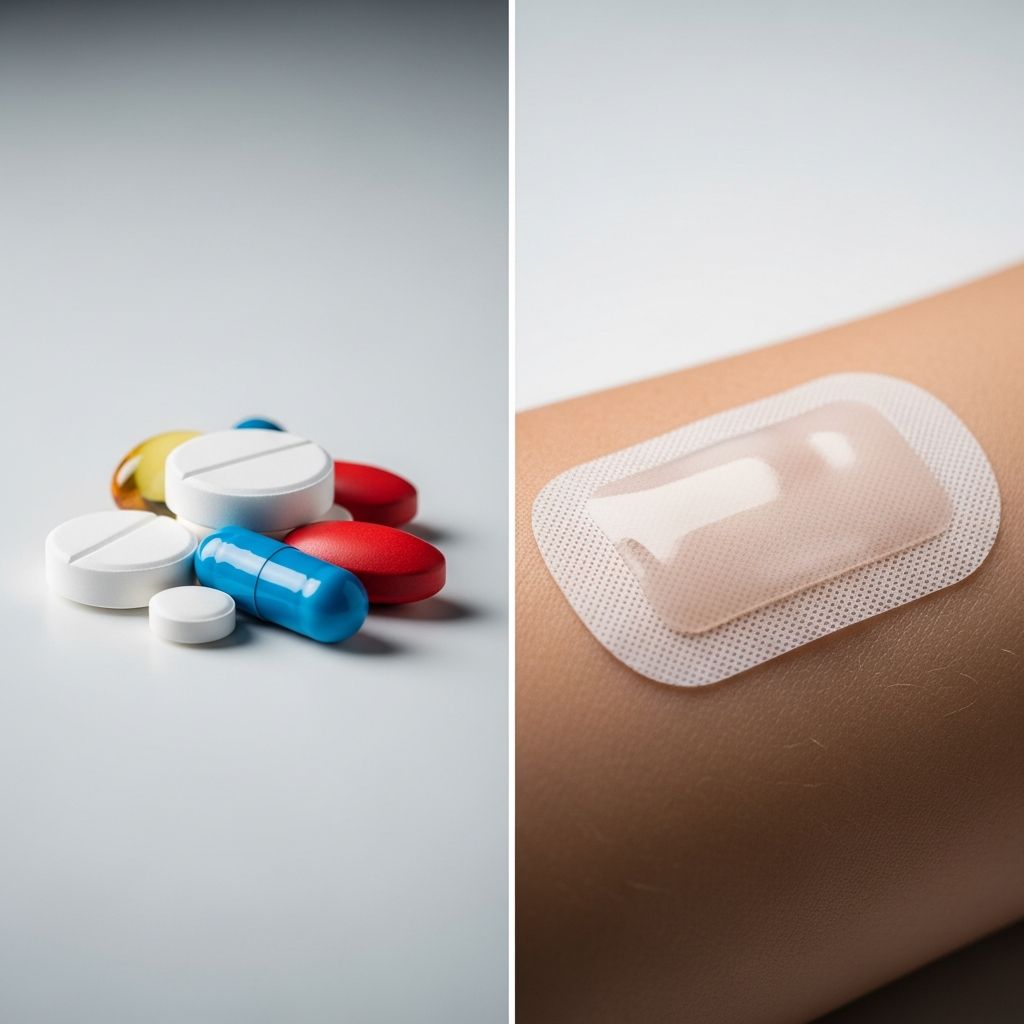
When managing pain, whether acute or chronic, you have multiple options for medication delivery. Two of the most common approaches involve taking oral medications (pills) or using transdermal patches. Each method has distinct advantages and disadvantages, and the best choice depends on your specific condition, lifestyle, and medical history. Understanding the differences between these delivery systems can help you work with your healthcare provider to find the most effective pain management solution.
Understanding Pain Relief Medications
Pain relievers fall into several categories, each with different mechanisms of action and delivery methods. The most commonly used over-the-counter pain medications include acetaminophen and nonsteroidal anti-inflammatory drugs (NSAIDs), which can be taken orally or, in some cases, applied topically. For more serious pain management, prescription medications such as buprenorphine patches offer alternative delivery systems that may be more effective for certain conditions.
When choosing between pills and patches, it’s essential to understand how each delivery method works and how it affects your body’s absorption and processing of the medication.
The Advantages of Oral Pain Medications (Pills)
Convenience and Accessibility
Oral pain medications remain the most accessible and convenient form of pain relief. Pills are portable, require no special application techniques, and can be taken anywhere at any time. This accessibility makes them ideal for people with busy schedules or those who travel frequently.
Rapid Onset of Action
Many oral pain medications, particularly NSAIDs and acetaminophen, begin working relatively quickly. Most tablets reach therapeutic levels within 30 to 60 minutes, making them suitable for acute pain episodes that require immediate relief.
Flexibility in Dosing
Oral medications allow for easier dose adjustments. If a standard dose isn’t providing sufficient relief, you can often take a higher dose (within safe limits). This flexibility enables more personalized pain management.
Wide Variety of Options
The oral medication market offers an extensive range of pain relievers, from over-the-counter options like ibuprofen and naproxen to prescription medications. This variety allows healthcare providers to find the most suitable option for each patient’s specific needs.
The Disadvantages of Oral Pain Medications
Gastrointestinal Side Effects
One of the most significant drawbacks of oral NSAIDs is their potential to cause gastrointestinal complications. Regular NSAID use can increase the risk of stomach problems, including ulcers and bleeding, particularly in patients who take them long-term. Acetaminophen, while generally safer than NSAIDs, carries a risk of liver damage if taken in excessive doses.
Peak and Trough Effects
Oral medications create fluctuating drug levels in the bloodstream, resulting in peaks of effectiveness followed by troughs of diminished pain relief. This pattern can lead to periods of inadequate pain control, necessitating more frequent dosing to maintain consistent relief.
Related Stories



Compliance Challenges
Multiple daily doses can complicate medication compliance, especially for patients managing chronic pain who may need to take medications several times daily. Missed doses can result in inadequate pain control and frustration.
First-Pass Metabolism
Oral medications must pass through the digestive system and liver before entering the bloodstream, a process called first-pass metabolism. This can reduce drug effectiveness and may require higher doses to achieve therapeutic effects.
The Advantages of Transdermal Patches
Consistent Drug Delivery
Transdermal patches provide steady, continuous medication delivery over extended periods. Unlike oral medications that create peaks and troughs, patches maintain stable drug levels in the bloodstream, resulting in more consistent pain relief throughout the day.
Reduced Gastrointestinal Effects
By bypassing the digestive system, transdermal patches eliminate many gastrointestinal side effects associated with oral medications. This makes patches an attractive option for patients with sensitive stomachs or those prone to NSAID-related complications.
Improved Compliance
Once applied, patches require minimal maintenance. Many patches need replacement only once or twice weekly, significantly improving compliance compared to medications requiring multiple daily doses. This convenience is particularly beneficial for elderly patients or those with cognitive impairments.
Lower Effective Doses
Because patches bypass first-pass metabolism and deliver medication directly through the skin, they often require lower doses than oral equivalents to achieve the same therapeutic effect. This reduced dosing can minimize systemic side effects.
Better Tolerability for Specific Conditions
Research has demonstrated that transdermal buprenorphine patches are better tolerated than sublingual buprenorphine and are effective in managing chronic low back pain, osteoarthritis, and other chronic pain conditions.
The Disadvantages of Transdermal Patches
Slower Onset
Transdermal patches take longer to reach therapeutic levels compared to oral medications. Most patches require several days to achieve maximal effectiveness, making them unsuitable for acute pain requiring immediate relief. Buprenorphine patches, for example, generally achieve maximal effect after 3 days of continuous application.
Skin Irritation
The most common side effect of transdermal patches is skin irritation at the application site. Some patients experience redness, itching, or more severe reactions, particularly with prolonged use in the same location. Rotating application sites can minimize this issue.
Limited Dosing Flexibility
Patches come in fixed doses, limiting the ability to fine-tune medication levels. Dose adjustments require changing the entire patch, which can be less convenient than taking a different pill dose.
Difficulty Removing Medication
If adverse effects occur, the medication cannot be immediately removed from your system as it can with oral medications. Some medication will remain in your skin even after patch removal, prolonging any side effects.
Application Site Requirements
Patches must be applied to specific body areas and cannot be placed on the same location for extended periods. This limitation can be inconvenient for patients with skin conditions or those with limited suitable application sites.
Specific Medication Delivery Systems
Buprenorphine Transdermal Patches
Buprenorphine, categorized as a Schedule III medication with lower abuse potential than traditional opioids, is available in transdermal patch form. These patches deliver buprenorphine through the skin via a transdermal delivery system (BTDS), allowing for prolonged release at low doses. Available in 5, 7.5, 10, 15, and 20 mcg/h doses, BTDS patches are designed to be applied every 7 days and should be started at the lowest possible dose of 5 mcg/hr.
Topical Pain Relief Products
Beyond patches, medicated creams, foams, gels, lotions, ointments, and sprays can be safer for relieving mild to moderate pain because medication is applied where the pain occurs. These topical products may contain anesthetics like lidocaine, NSAIDs, muscle relaxers, or capsaicin, each targeting different pain types.
Comparison of Delivery Methods
| Factor | Oral Pills | Transdermal Patches |
|---|---|---|
| Onset of Action | 30-60 minutes | Several hours to days |
| Drug Level Consistency | Fluctuating (peaks and troughs) | Steady and consistent |
| Dosing Frequency | Multiple times daily | Once or twice weekly |
| GI Side Effects | Common with NSAIDs | Minimal |
| Skin Reactions | None | Possible irritation |
| Dosing Flexibility | High | Limited |
| Portability | Excellent | Good |
Choosing the Right Option for Your Needs
When Pills May Be Better
Oral medications are typically preferable for acute pain requiring immediate relief, such as headaches, minor injuries, or post-operative discomfort. They’re also suitable for patients who prefer flexibility in dosing, need to adjust medication frequently, or have limited suitable skin areas for patch application. Additionally, pills are better for patients with active skin conditions that might be irritated by patch adhesives.
When Patches May Be Better
Transdermal patches are ideal for chronic pain requiring consistent, long-term management. They’re particularly beneficial for patients with gastrointestinal sensitivities, those taking multiple medications who might benefit from reduced pill burden, and individuals who struggle with medication compliance. Patches are also advantageous for patients experiencing variable pain levels throughout the day, as they provide steady medication delivery.
Combination Approaches
Many pain management strategies combine both delivery methods. For example, a patient might use a long-acting patch as a foundation for chronic pain while taking oral medications as needed for breakthrough pain episodes. This multimodal approach often provides superior pain control compared to either method alone.
Important Considerations and Safety Tips
For Oral Medications
When taking oral pain medications, always follow dosing instructions carefully. Don’t exceed recommended daily limits, particularly with acetaminophen, which can cause liver damage in overdose. Be aware of other medications containing pain relievers to avoid accidental overdose. If taking NSAIDs regularly, consider taking them with food or discussing gastric protection strategies with your healthcare provider.
For Transdermal Patches
When using patches, always apply them to clean, dry, hairless skin on the specified body areas. Rotate application sites regularly to prevent skin irritation—wait at least 3-4 weeks before reapplying to the same location. Never cut or chew patches, as this can release dangerous amounts of medication. Store patches according to package instructions and keep them away from heat, which can increase absorption rates.
Alternative Pain Management Options
Beyond traditional oral medications and patches, alternative therapies can control and alleviate mild to moderate pain with few side effects. These include topical anesthetics like lidocaine, which relieve nerve pain by numbing an area; topical NSAIDs effective for osteoarthritis, sprains, and strains; and capsaicin products for musculoskeletal and neuropathic pain. Nerve pain medicines such as gabapentin and pregabalin offer alternatives for shooting and burning pain sensations, while antidepressants like Cymbalta and Effexor XR can relieve chronic and nerve pain, particularly headaches.
Frequently Asked Questions
Q: How quickly do transdermal patches work compared to pills?
A: Oral medications typically begin working within 30-60 minutes, while transdermal patches require several hours to days to reach therapeutic levels, with maximum effectiveness usually achieved after 3 days of continuous application.
Q: Can I use both pills and patches together?
A: Many pain management strategies combine both delivery methods, such as using a long-acting patch for chronic pain with oral medications for breakthrough pain. However, consult your healthcare provider before combining any pain medications.
Q: What are the main side effects of each delivery method?
A: Oral NSAIDs commonly cause gastrointestinal side effects, while transdermal patches most often cause skin irritation at the application site. Both methods can produce drowsiness or dizziness depending on the specific medication.
Q: Are patches better than pills for chronic pain management?
A: Patches offer advantages for chronic pain, including consistent drug delivery and improved compliance, but they’re not universally better. The best choice depends on your specific condition, medical history, and personal preferences.
Q: How often should I rotate my patch application sites?
A: You should rotate application sites regularly and avoid using the same location for at least 3-4 weeks to prevent increased drug absorption and skin irritation.
Q: What should I do if I experience side effects from a patch?
A: If you experience side effects, remove the patch and contact your healthcare provider. Note that some medication will remain in your skin after patch removal, so side effects may persist temporarily.
References
- Buprenorphine for Chronic Pain: A Safer Alternative to Traditional Opioids — National Center for Biotechnology Information (NCBI), National Institutes of Health. 2022. https://pmc.ncbi.nlm.nih.gov/articles/PMC8567798/
- Alternatives to Opioids: Non-Opioid Pain Management Fact Sheet — Florida Department of Health. https://www.floridahealth.gov/programs-and-services/non-opioid-pain-management/_documents/alternatives-facts-11×17-eng.pdf
- Pain Relievers — MedlinePlus, U.S. National Library of Medicine. 2024. https://medlineplus.gov/painrelievers.html
- Choosing an OTC Pain Reliever: Types, Interactions, & More — WebMD. https://www.webmd.com/drugs/ss/slideshow-pain-relievers
- What Is the Best Medication for Chronic Pain? — ScriptSave WellRx. https://www.wellrx.com/news/best-pain-medication-for-chronic-pain/
Similar Articles








Read full bio of medha deb