Pilocarpine Tablets (Salagen): Essential Guide For Dry Mouth
Relief for dry mouth from radiotherapy or Sjögren's syndrome with pilocarpine tablets (Salagen®).
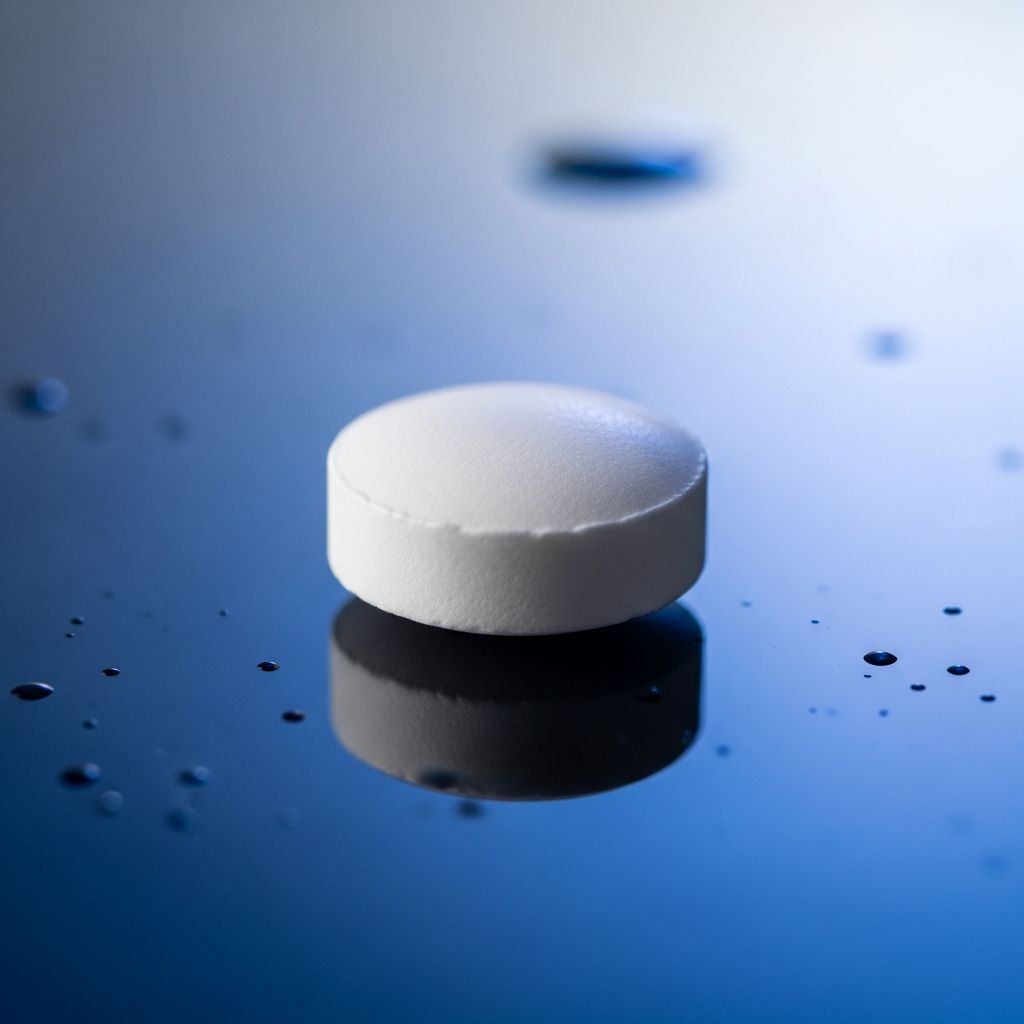
Pilocarpine tablets, marketed as
Salagen®
, are a cholinergic medication primarily prescribed to alleviatedry mouth
(xerostomia) resulting from radiotherapy to the head or neck area, or associated withSjögren’s syndrome
. By stimulating salivary glands, this treatment helps restore moisture, improving speech, chewing, swallowing, and overall oral comfort.| Type of medicine | A cholinergic medicine |
|---|---|
| Used for | Dry mouth after radiotherapy; dry mouth and dry eyes in Sjögren’s syndrome |
| Also called | Salagen® |
| Available as | Tablets (typically 5 mg) |
About pilocarpine tablets
**Pilocarpine** belongs to the class of cholinergic agents, which mimic the action of acetylcholine to activate muscarinic receptors in glands and smooth muscles. This stimulation increases saliva, tears, sweat, gastric juices, and mucus production, directly addressing xerostomia—a common side effect of radiation therapy for head and neck cancers that damages salivary glands.
In patients undergoing radiotherapy, xerostomia can persist long-term, leading to difficulties with speaking (requiring frequent sips of water), eating dry foods, tasting, and swallowing. Pilocarpine reduces reliance on artificial saliva substitutes, sugarless gum, or lozenges. For
Sjögren’s syndrome
, an autoimmune disorder causing dry mouth and eyes due to gland inflammation, pilocarpine provides symptomatic relief by boosting natural secretions.Treatment benefits may appear within weeks, but full effects can take up to 3 months. If no improvement occurs after this period, discontinuation is recommended.
Before taking pilocarpine tablets
To ensure safety, inform your doctor of any relevant medical history or conditions before starting pilocarpine. Contraindications include uncontrolled asthma, chronic obstructive pulmonary disease (COPD), clinically significant cardiorenal disease, or miosis (narrowed pupils).
Tell your doctor if you have:
- A history of kidney or liver impairment (dose adjustments needed).
- Asthma, COPD, or other breathing difficulties (may increase airway resistance).
- Stomach ulcers, gallstones, or biliary tract issues (risk of contractions leading to complications).
- Eye conditions like glaucoma, increased intraocular pressure, iritis, or retinal detachment risk (can cause blurred vision or depth perception issues).
- Cardiovascular disease (may cause hemodynamic changes).
- Peptic ulcer disease (increased acid secretion).
Pregnancy and breastfeeding require caution; discuss risks as pilocarpine crosses the placenta and enters breast milk. Elderly patients or those with hepatic impairment start at reduced doses.
How to take pilocarpine tablets
Follow your doctor’s instructions precisely. Always read the patient information leaflet (PIL) for detailed guidance on usage and side effects.
Key administration tips:
- Take tablets
during or immediately after meals
with a large glass of water to minimize stomach upset. - Swallow whole; do not crush or chew.
- Space doses evenly throughout the day.
| Condition | Starting Dose | Maximum Dose | Notes |
|---|---|---|---|
| Post-radiotherapy xerostomia | 5 mg three times daily | Up to 30 mg/day (if tolerated) | With meals; last dose with evening meal. Discontinue if no benefit after 3 months. |
| Sjögren’s syndrome | 5 mg four times daily | Up to 30 mg/day | With three main meals and bedtime. Adjust based on response. |
Related Stories



For liver impairment or cirrhosis, begin with a lower dose (e.g., half) and titrate gradually under supervision. Do not exceed prescribed amounts, as higher doses increase adverse effects without proportional benefits.
Getting the most from your treatment
Monitor symptom improvement and report lack of response after 2-3 months. Maintain good oral hygiene to prevent complications like dental caries from xerostomia. Stay hydrated, avoid irritants like alcohol or tobacco, and use humidifiers.
Lifestyle precautions:
- Avoid overheating; increased sweating is common.
- Do not drive or operate machinery at night if vision is impaired.
- Sip water frequently if needed during dose adjustment.
Side effects
Most side effects are dose-related and cholinergic in nature (excess parasympathetic stimulation). They often improve with time or dose reduction.
| Common Side Effects | What to Do |
|---|---|
| Headache | Drink water; use pharmacist-recommended painkiller. Consult doctor if persistent. |
| Increased sweating, flushing | Avoid heat/exercise; drink plenty of water daily. |
| Frequent urination | Normal; monitor hydration. |
| Blurred vision, eye pain/irritation, night vision issues | Avoid driving/tools at night; see doctor for eye exam. |
| Diarrhea, constipation, abdominal pain | Balanced diet, hydration. |
| Nausea, indigestion, vomiting | Simple foods; avoid spicy/rich meals. |
| Dizziness, weakness, palpitations, flu-like symptoms, runny nose, rash | Sit/rest; contact doctor if troublesome. |
Serious effects (rare): allergic reactions, severe bradycardia, bronchospasm. Seek immediate medical help for breathing difficulty, severe rash, or irregular heartbeat.
How to cope with side effects of pilocarpine
Many effects are transient. For sweating: wear light clothing, use fans. Vision issues: use during day if possible. Gastrointestinal upset: take with food. Persistent issues warrant dose review or alternatives.
Cautions while taking pilocarpine tablets
Pilocarpine may impair night vision or cause dizziness—do not drive or use machinery if affected. Caution in hot weather due to sweating risk. Regular eye exams recommended, especially pre-therapy.
Other medicines, food and drink, alcohol, pregnancy and breastfeeding, and driving
- Interactions: Avoid anticholinergics (e.g., antihistamines, overactive bladder meds like oxybutynin, COPD inhalers like tiotropium). Beta-blockers may enhance bradycardia. Inform doctor of all medications.
- Food/Drink: No major restrictions; take with meals.
- Alcohol: Limit; may worsen dizziness.
- Pregnancy/Breastfeeding: Use only if benefits outweigh risks; consult specialist.
- Driving: Impaired if vision affected, especially low light.
Common questions about pilocarpine tablets
How long does it take to work?
Effects may start in days to weeks; evaluate after 2-3 months.
Can I stop taking it suddenly?
Taper under doctor guidance to avoid rebound effects.
Does it cure dry mouth?
Symptomatic relief only; does not repair damaged glands.
Is it safe long-term?
Yes, if tolerated and monitored; many use for years.
What if I miss a dose?
Take next as scheduled; do not double up.
References
- Pilocarpine tablets (Salagen) — Patient.info. 2025-02-05. https://patient.info/medicine/pilocarpine-tablets-salagen
- Pilocarpine (oral route) — Mayo Clinic. Accessed 2026. https://www.mayoclinic.org/drugs-supplements/pilocarpine-oral-route/description/drg-20065496
- Salagen 5mg Film-coated Tablets SPC — Health Products Regulatory Authority (HPRA). 2007-09-21 (updated). https://assets.hpra.ie/products/Human/13124/LicenseSPC_PA0013-107-001_21092007020031.pdf
- Salagen 5 mg Film Coated Tablets — Medicines.org.uk (EMC). Accessed 2026. https://www.medicines.org.uk/emc/product/1370/pil
- Pilocarpine: MedlinePlus Drug Information — MedlinePlus (NIH). Accessed 2026. https://medlineplus.gov/druginfo/meds/a608039.html
- Pilocarpine (Salagen) – Uses, Side Effects — WebMD. Accessed 2026. https://www.webmd.com/drugs/2/drug-78603/pilocarpine-oral/details
Similar Articles








Read full bio of medha deb