Pimecrolimus: Topical Treatment for Atopic Dermatitis
Steroid-free immune-modulating cream for eczema and inflammatory skin conditions.
What is Pimecrolimus?
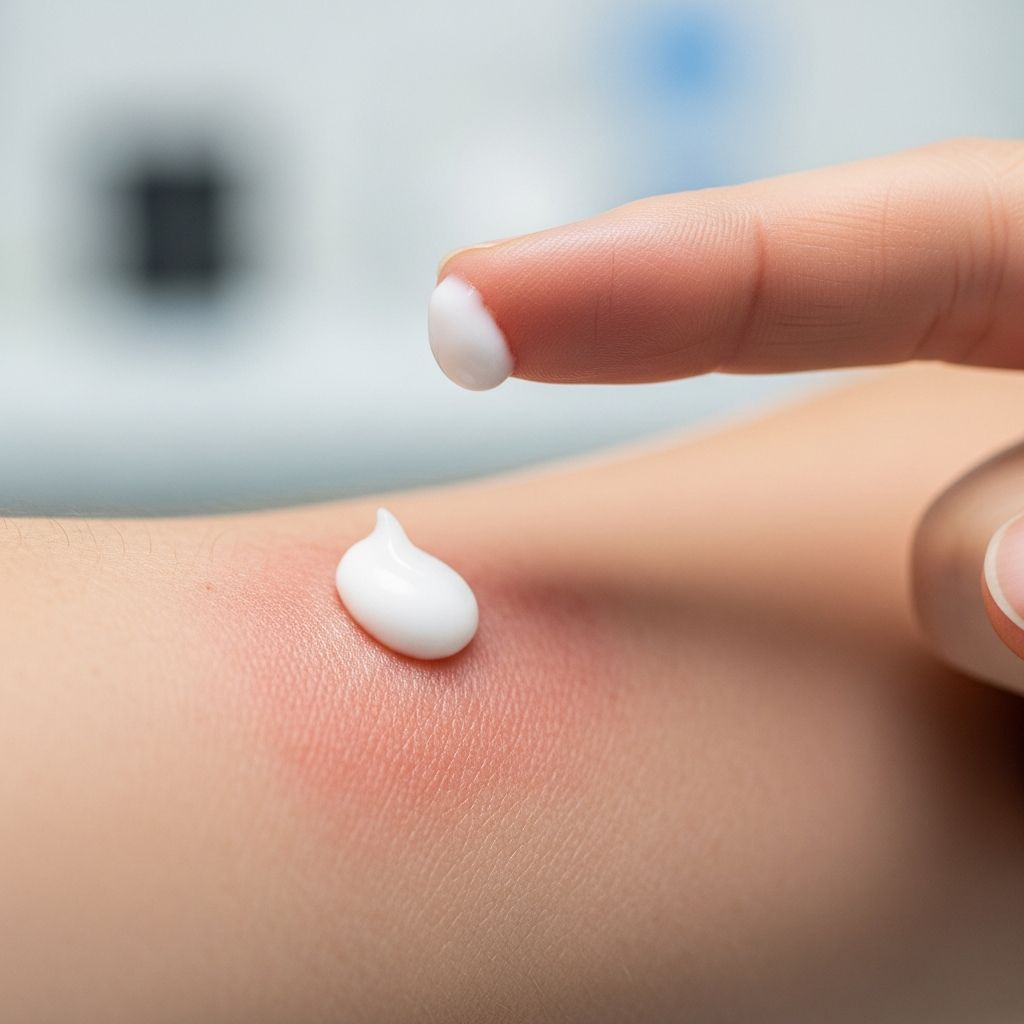
Pimecrolimus is a topical steroid-free medication with immune-modulating and anti-inflammatory properties, used primarily to treat atopic dermatitis (eczema). Unlike topical corticosteroids, which exert broad-spectrum anti-inflammatory effects across multiple cell types, pimecrolimus demonstrates T-cell selectivity through a targeted mechanism of action that preserves skin integrity and minimizes systemic absorption. The medication is available as a cream formulation in a 1% concentration and represents an important treatment option for patients who cannot tolerate or have inadequate response to conventional therapies.
Pimecrolimus belongs to the class of medications called topical calcineurin inhibitors, a group of agents that work through selective immunomodulation rather than broad immunosuppression. This targeted approach has made pimecrolimus particularly valuable in dermatology for treating sensitive skin areas, including the face, neck, and areas around the eyes, where topical steroids may pose greater risks of adverse effects.
Mechanism of Action
Pimecrolimus works by blocking a protein called calcineurin, which plays a critical role in activating the immune system. Specifically, pimecrolimus prevents the activation of T-cells by blocking the effects of chemicals (cytokines) released by the body that stimulate T-cells. This results in inhibition of T-cell activation, which causes downregulation of the release of proinflammatory cytokines without altering fibroblast activity or vasculature proliferation.
The medication demonstrates two major immunological effects:
- T-cell suppression: Pimecrolimus inhibits T-lymphocyte activation through calcineurin inhibition, reducing the cascade of inflammatory responses characteristic of atopic dermatitis.
- Mast cell stabilization: The medication inhibits pro-inflammatory mediators released from mast cells, such as histamine, serotonin, and B-hexosaminidase, which are key contributors to allergic skin inflammation.
Evidence suggests that pimecrolimus also has direct effects on the release of interleukin-2 (IL-2), further contributing to its anti-inflammatory properties. This dual mechanism of action addresses both the cellular and chemical components of inflammatory skin disease.
Primary Uses and Indications
Atopic Dermatitis (Eczema)
Pimecrolimus is indicated for the treatment of mild-to-moderate atopic dermatitis in adults and children ages 2 years and older. The medication is typically prescribed for patients whose immune system is functioning normally and who have either tried other medications for eczema or cannot tolerate them. It is generally recommended for short-term use, with most treatment courses lasting up to 6 weeks for acute flares, although some patients may continue using it to prevent flare recurrence under medical supervision.
Pimecrolimus reduces swelling, redness, itching, and rashes caused by eczema by slowing down an overactive immune system. The steroid-free nature of the medication makes it particularly suitable for use on sensitive areas and in populations where topical steroids carry increased risks, such as infants and young children.
Off-Label Uses
Pimecrolimus cream may be useful in many other inflammatory skin conditions that respond to topical steroids. These off-label applications should only be undertaken on the specialist advice of a dermatologist. Randomized, double-blind studies have demonstrated that pimecrolimus is superior to vehicle in treating several conditions:
- Seborrheic dermatitis: Pimecrolimus has shown significant efficacy in treating facial and trunk seborrheic dermatitis, with some studies demonstrating 83 percent of patients achieving complete clearance after two weeks of twice-daily application.
- Hand dermatitis: The medication shows effectiveness in managing contact and irritant dermatitis of the hands.
- Asteatotic eczema: Pimecrolimus demonstrates superior efficacy compared to placebo in this xerotic skin condition.
Related Stories



Open-label studies involving four or more patients have shown favorable results in additional disorders, including contact dermatitis, rosacea, lichen sclerosus, and oral and genital lichen planus. Case reports have documented usefulness in cutaneous graft-versus-host disease, lichen striatus, and cutaneous lichen planus. The medication has also been successfully used in cases of facial psoriasis and genital psoriasis as an off-license application.
Efficacy in Seborrheic Dermatitis
Seborrheic dermatitis represents one of the most well-studied off-label applications of pimecrolimus. The immunomodulatory and anti-inflammatory effects of topical pimecrolimus, combined with its availability in a cream vehicle, favorable skin tolerability, and overall safety profile, make it an ideal agent for this indication.
Clinical Trial Evidence
A randomized, double-blind, vehicle-controlled study in patients with moderate-to-severe facial seborrheic dermatitis (N=96) treated with topical pimecrolimus 1% cream twice daily for four weeks reported significant mean changes from baseline in total area score at Week 2 (p<0.01) and at Week 4 (p<0.05), with no adverse events requiring discontinuation of therapy. In another randomized, investigator-blinded trial of patients with facial seborrheic dermatitis (N=40), 83 percent of patients achieved complete clearance after two weeks of twice-daily application of pimecrolimus 1% cream.
A single-center, open-label study assessing outcomes with pimecrolimus 1% cream in HIV-positive patients with mild-to-severe facial seborrheic dermatitis noted marked improvement in erythematous scaling by Day 7 of treatment, with more than 90 percent of participants clearing within two weeks, and no apparent systemic effects observed.
Comparative Studies
When compared with topical corticosteroids, pimecrolimus demonstrated slower initial improvement. Although patients treated with betamethasone valerate 0.1% cream showed improvement in erythema and scaling faster than patients treated with pimecrolimus 1% cream, there was no statistical difference between the groups at Day 9. Importantly, pimecrolimus achieved improvements in erythema, scaling, and pruritus within nine days.
Pimecrolimus 1% cream has also been used successfully in case reports of patients with seborrheic dermatitis refractory to both topical corticosteroids and ketoconazole. In a case report collection of two patients with seborrheic dermatitis refractory to topical corticosteroid therapy (hydrocortisone acetate and desonide), pimecrolimus 1% cream achieved clearance after six weeks and 14 weeks, respectively. Another case report demonstrated complete clearance of seborrheic dermatitis within 28 days in an 18-year-old patient who had failed prior therapy with topical ketoconazole and hydrocortisone.
Side Effect Profile
Comparison with Topical Corticosteroids
Unlike topical corticosteroids, which exert a broad range of anti-inflammatory and inhibitory effects on multiple cell types, pimecrolimus exhibits T-lymphocyte selectivity through calcineurin inhibition. This targeted mechanism results in several important safety advantages:
- No dermal atrophy: Application of topical pimecrolimus does not cause skin thinning or dermal atrophy, in contrast to topical corticosteroids which cause marked reductions in skin thickness.
- No telangiectasia formation: Unlike corticosteroids, pimecrolimus does not promote the development of visible blood vessels or vascular dilation.
- Preserved skin barrier: Pimecrolimus maintains fibroblast activity and vasculature proliferation, which are essential for skin health and integrity.
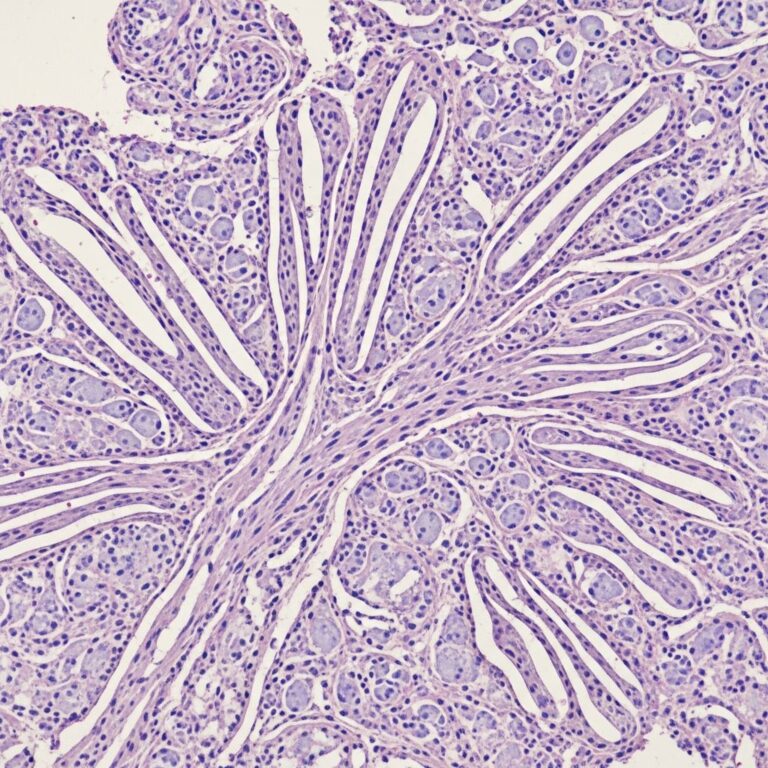
Studies measuring skin thickness by ultrasound examination and epidermal thickness by histological examination found that topical corticosteroids caused marked reductions in skin thickness compared with pimecrolimus 1% cream and vehicle, with the latter two being equivalent. Histological analysis performed at Day 29 showed marked epidermal thinning with both topical corticosteroids compared with pimecrolimus 1% cream and with vehicle.
Common Adverse Effects
The most commonly reported side effects associated with pimecrolimus are mild and localized:
- Burning sensation: One study found a statistically significant higher rate of burning at the application site in the pimecrolimus group compared with the hydrocortisone group (p<0.05).
- Facial flushing: Facial flushing occurs less commonly with the use of topical calcineurin inhibitors such as pimecrolimus.
- Infection risk: There is a higher risk of certain skin infections with pimecrolimus use.
Long-Term Safety Considerations
It is generally recommended to not use pimecrolimus for longer than one year due to potential risks of skin infections and cancers. Typically, the medication is used for up to 6 weeks to treat an eczema flare, but prescribers may have patients continue using it to prevent flares as long as serious side effects are not occurring. Regular follow-ups with a healthcare provider are important so they can check progress and adjust treatment if needed.
Application and Dosing
Pimecrolimus cream is a prescription medicine and should be used only as directed by a physician. The medication is typically applied to affected areas of the skin twice daily. Pimecrolimus cream may be applied to all skin surfaces including the head, face, neck, around the eyes, and skin folds, making it particularly valuable for treating eczema in sensitive anatomical locations where topical corticosteroids pose greater risks.
Treatment duration varies depending on the clinical indication and individual response. For acute flares of atopic dermatitis, the typical course lasts 6 weeks, after which the medication may be discontinued if symptoms resolve. Some patients continue using pimecrolimus intermittently to prevent flare recurrence, applying it at the first signs of inflammation.
Patient Eligibility and Contraindications
Pimecrolimus is indicated for use in patients whose immune system is working well and who have either tried other medications for eczema or cannot take them. The medication is approved for use in adults and children ages 2 years and older. Patients should have regular medical follow-up to monitor for adverse effects and assess treatment efficacy.
Important considerations for patient selection include:
- History of inadequate response to or intolerance of other eczema medications
- Need for treatment of sensitive facial or genital skin areas
- Concern about long-term complications of topical corticosteroid use
- Willingness to comply with twice-daily application regimen
- Ability to attend regular follow-up appointments
Advantages Over Topical Corticosteroids
Pimecrolimus offers several distinct advantages when compared to topical corticosteroids:
| Feature | Pimecrolimus | Topical Corticosteroids |
|---|---|---|
| Mechanism | T-cell selective calcineurin inhibition | Broad immunosuppression |
| Dermal Atrophy Risk | No atrophy | Risk of skin thinning |
| Telangiectasia | No risk | Risk of vascular dilation |
| Safe for Face/Neck | Yes, preferred option | Limited; risk of complications |
| Duration of Use | Up to 1 year with monitoring | Typically short-term only |
| Pediatric Use | Approved age 2+ | Age-dependent restrictions |
Frequently Asked Questions
Q: How long does it take for pimecrolimus to work?
A: Pimecrolimus typically begins showing effects within 7-9 days of treatment initiation. In seborrheic dermatitis studies, marked improvement was observed by Day 7, with significant clearance achieved by two weeks of twice-daily application.
Q: Can pimecrolimus be used on the face?
A: Yes, pimecrolimus can be safely applied to all skin surfaces including the head, face, neck, around the eyes, and skin folds. This is one of its primary advantages over topical corticosteroids, which carry greater risks of adverse effects in these sensitive areas.
Q: Is pimecrolimus safe for children?
A: Pimecrolimus is approved for use in children ages 2 years and older. Its steroid-free nature and favorable safety profile make it particularly suitable for pediatric use, particularly on sensitive facial areas.
Q: How does pimecrolimus compare to hydrocortisone cream?
A: While hydrocortisone may produce faster initial improvement in some parameters, there is no statistical difference in overall efficacy between pimecrolimus and hydrocortisone by Day 9. Importantly, pimecrolimus does not cause skin thinning or dermal atrophy, unlike corticosteroids.
Q: Can pimecrolimus be used long-term?
A: Generally, pimecrolimus should not be used for longer than one year due to potential risks of skin infections and cancers. Most acute flares are treated for 6 weeks, but your dermatologist may recommend continued intermittent use for flare prevention.
Q: What should I do if pimecrolimus doesn’t work?
A: If pimecrolimus proves ineffective, consult your dermatologist about alternative treatments. Some patients with resistant seborrheic dermatitis have successfully responded to pimecrolimus after failing topical corticosteroids and other medications.
Q: Are there any serious side effects I should know about?
A: The most common side effects are mild, including burning sensation at the application site and occasional facial flushing. More serious concerns include increased risk of skin infections and cancers with prolonged use, which is why regular medical monitoring is important.
Conclusion
Pimecrolimus represents a valuable addition to the dermatological treatment arsenal, particularly for patients requiring steroid-sparing options or treatment of sensitive skin areas. As a topical calcineurin inhibitor with selective T-cell immunomodulation, pimecrolimus offers efficacy in atopic dermatitis comparable to or exceeding topical corticosteroids, without the risks of dermal atrophy or long-term skin damage. While approved primarily for atopic dermatitis, emerging evidence supports its use in multiple inflammatory skin conditions including seborrheic dermatitis, hand dermatitis, psoriasis, and lichen diseases. Pimecrolimus cream should be used only as directed by a dermatologist, with regular follow-up to ensure optimal outcomes and early detection of any adverse effects.
References
- Use of pimecrolimus cream in disorders other than atopic dermatitis — National Center for Biotechnology Information (NCBI/PubMed). 2008-01-15. https://pubmed.ncbi.nlm.nih.gov/18258153/
- Topical Pimecrolimus 1% Cream in the Treatment of Seborrheic Dermatitis — Journal of Clinical and Aesthetic Dermatology. 2016. https://jcadonline.com/topical-pimecrolimus-1-cream-in-the-treatment-of-seborrheic-dermatitis/
- Pimecrolimus: Uses, Interactions, Mechanism of Action — DrugBank. https://go.drugbank.com/drugs/DB00337
- Pimecrolimus Topical: MedlinePlus Drug Information — National Library of Medicine (MedlinePlus). 2024. https://medlineplus.gov/druginfo/meds/a603027.html
- Pimecrolimus Cream: Uses & Side Effects — Cleveland Clinic. 2024. https://my.clevelandclinic.org/health/drugs/19016-pimecrolimus-cream
Similar Articles








Read full bio of medha deb