Pimple Inside Nose: Causes, Treatment, And When To See A Doctor
Discover causes, symptoms, treatments, and prevention for painful pimples inside the nose.
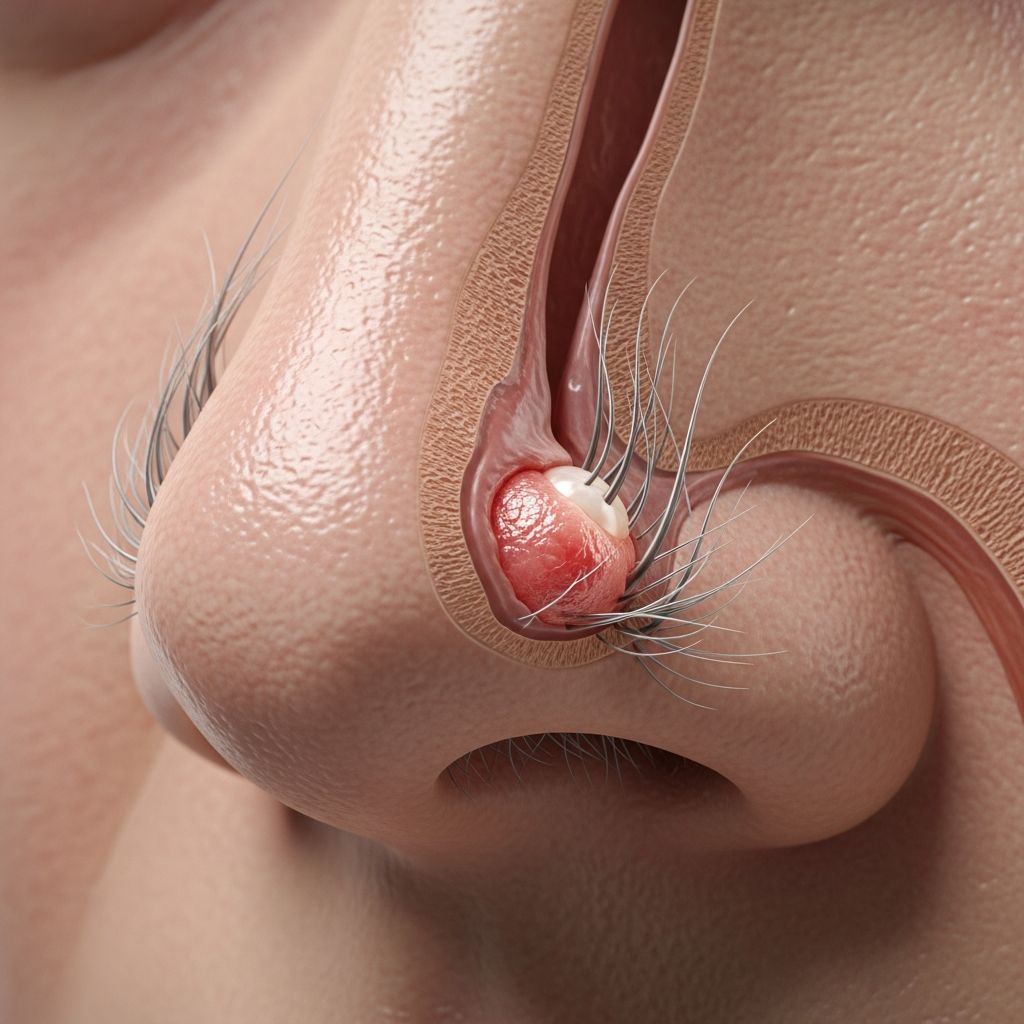
A
pimple inside the nose
often feels sore, tender, and irritating, disrupting daily comfort due to its sensitive location. These bumps typically arise from blocked pores, ingrown hairs, or bacterial infections like nasal vestibulitis, but they can signal more serious issues if untreated.While most resolve with home care, understanding symptoms and risks helps prevent complications such as spreading infections. This guide covers everything from common triggers to professional treatments.
What Causes a Pimple Inside the Nose?
Nasal pimples form when pores clog with oil, dead skin, or bacteria in the moist nasal environment, leading to inflammation. Key causes include:
- Blocked pores: Excess oil and debris trap bacteria, creating red, painful zits similar to facial acne.
- Ingrown hairs: Nose hair plucking or waxing causes hairs to curl back into the skin, forming pus-filled bumps with itching, pain, and tenderness.
- Nasal vestibulitis: A bacterial infection (often Staphylococcus) in the nasal entrance from nose picking, piercings, or frequent blowing, resulting in red/white bumps, swelling, and irritation.
- Furuncles (boils): Deeper staph infections forming pus pockets; riskier in those with diabetes or weakened immunity.
- Other factors: Viral infections like herpes, allergies causing runny noses, or stress lowering immunity.
People with low immunity, diabetes, or habits like aggressive nose blowing face higher risks, as bacteria like MRSA can complicate cases.
Symptoms of a Pimple Inside the Nose
Recognizing symptoms early aids timely treatment. Common signs are:
- Painful, tender bump inside the nostril.
- Redness, swelling, or inflammation.
- Itching or irritation.
- Pus drainage or crusting.
- Nosebleeds if irritated.
For infections like vestibulitis, expect crusting, persistent runny nose, or fever in severe cases. Watch for danger signs like vision changes, confusion, dizziness, high fever, or unequal pupils, indicating rare but serious cavernous sinus thrombosis—a blood clot from untreated furuncles.
How Is a Pimple Inside the Nose Diagnosed?
Doctors diagnose via:
- History and exam: Questions on onset, changes, pus/blood, and physical inspection.
- Tests: Swabs for bacteria identification, blood samples, or imaging (CT/MRI) for sinus involvement or clots.
Early diagnosis prevents spread, especially for antibiotic-resistant infections like MRSA.
Treatments for a Pimple Inside the Nose
Treatment varies by cause; mild cases heal in days with care, while infections need meds.
Home Remedies
Safe first-line options reduce pain and swelling:
- Warm compress: Apply moist heat 3x daily for 15-20 minutes to draw out pus and ease discomfort.
- OTC pain relievers: Ibuprofen or acetaminophen for pain and inflammation.
- Hygiene: Gentle cleansing; avoid picking or harsh products to prevent scarring/infection.
- Tea tree oil (diluted): Antiseptic properties may help, but test for irritation.
Never squeeze pimples, as this spreads bacteria to the brain via facial veins.
Medical Treatments
Seek care for persistent or worsening bumps:
| Condition | Treatment |
|---|---|
| Mild vestibulitis | Topical antibiotics like bacitracin or mupirocin. |
| Severe infection/boil | Oral antibiotics, IV in hospital for MRSA. |
| Abscess | Surgical drainage. |
| Viral (e.g., herpes) | Antivirals. |
Complete antibiotic courses to avoid resistance.
When to See a Doctor for a Pimple Inside the Nose
Consult promptly if:
- Bump grows, worsens after 3-5 days, or recurs.
- Fever >101°F, chills, or facial swelling.
- Vision issues, headache, neck stiffness, or confusion.
- Diabetes, immunosuppression, or recent piercing/plucking.
- Pus, bleeding, or no improvement with home care.
Related Stories



These signal potential cavernous sinus thrombosis or cellulitis, requiring urgent antibiotics/imaging.
How to Prevent Pimples Inside the Nose
Proactive steps minimize recurrence:
- Hand hygiene: Wash before touching nose/face.
- Avoid irritation: No picking, excessive blowing, or sharing towels.
- Nose hair care: Use clean tools; avoid plucking.
- Boost immunity: Manage stress, get vitamin D, control allergies/diabetes.
- Moisturize gently: Saline rinses for dryness.
These habits reduce bacterial entry and pore clogging.
Frequently Asked Questions (FAQs)
What is a pimple inside the nose?
A tender bump from clogged pores, ingrown hairs, or infections like staph in the nasal vestibule.
Can I pop a pimple inside my nose?
No—popping risks spreading infection to the brain via dangerous facial veins.
How long does a nose pimple last?
3-7 days with care; longer or recurrent needs medical check.
Is a pimple inside the nose dangerous?
Usually not, but untreated infections can lead to boils, cellulitis, or rare clots.
Can nasal vestibulitis spread?
Yes, via staph; don’t share items and seek antibiotics if severe.
References
- Pimple in nose: Causes, treatment, and prevention — Medical News Today. 2023-05-12. https://www.medicalnewstoday.com/articles/323322
- How to Get Rid of Pimple Inside Nose — Healthline. 2023-10-15. https://www.healthline.com/health/pimple-inside-nose
- How to get rid of a spot inside your nose — Livi UK. 2024-02-20. https://www.livi.co.uk/your-health/spot-inside-nose/
Similar Articles








Read full bio of medha deb